Why Do Wholesalers Prefer Handled Tumbler Sleeves with Carrying Straps for Retail?
I watched my retail partners struggle with the same problem for years. They bought tumblers by the thousands. Their customers bought once and never came back. The tumbler just sat on a desk gathering dust.
Wholesalers choose handled tumbler sleeves1 with carrying straps because these accessories turn single purchases into ongoing revenue streams. The handles transform stationary drinkware into portable lifestyle products. This drives repeat sales and builds customer loyalty through practical upgrades.
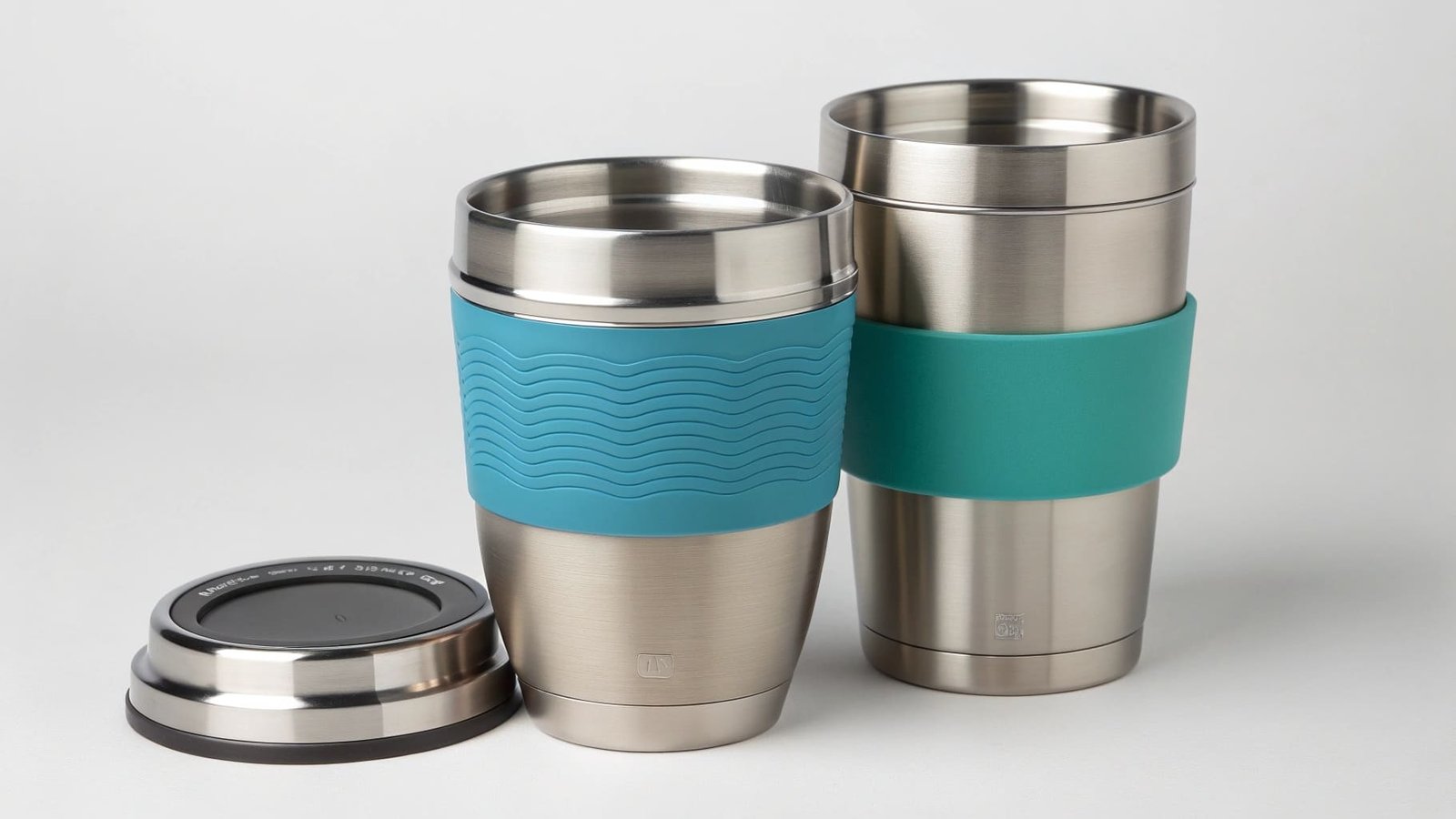
I learned this lesson the hard way in my early wholesale days. I stocked basic silicone sleeves2 without much thought. My retailers moved them slowly. Then I tried handled versions with integrated carrying straps. The sales velocity jumped immediately. My retailers reported that customers who bought handled sleeves came back for different colors and styles. They wanted options for different activities. This changed my entire approach to tumbler accessories.
What is the best tumbler with a handle?
I hear this question from end customers constantly. They think they need to buy a whole new tumbler. This creates pressure on retailers to stock multiple tumbler styles. The inventory costs add up fast.
The best solution is a quality tumbler paired with detachable handled sleeves3. This combination gives customers flexibility without forcing retailers to stock endless tumbler variations. Silicone sleeves with integrated handles provide grip, protection, and portability at a fraction of the cost.
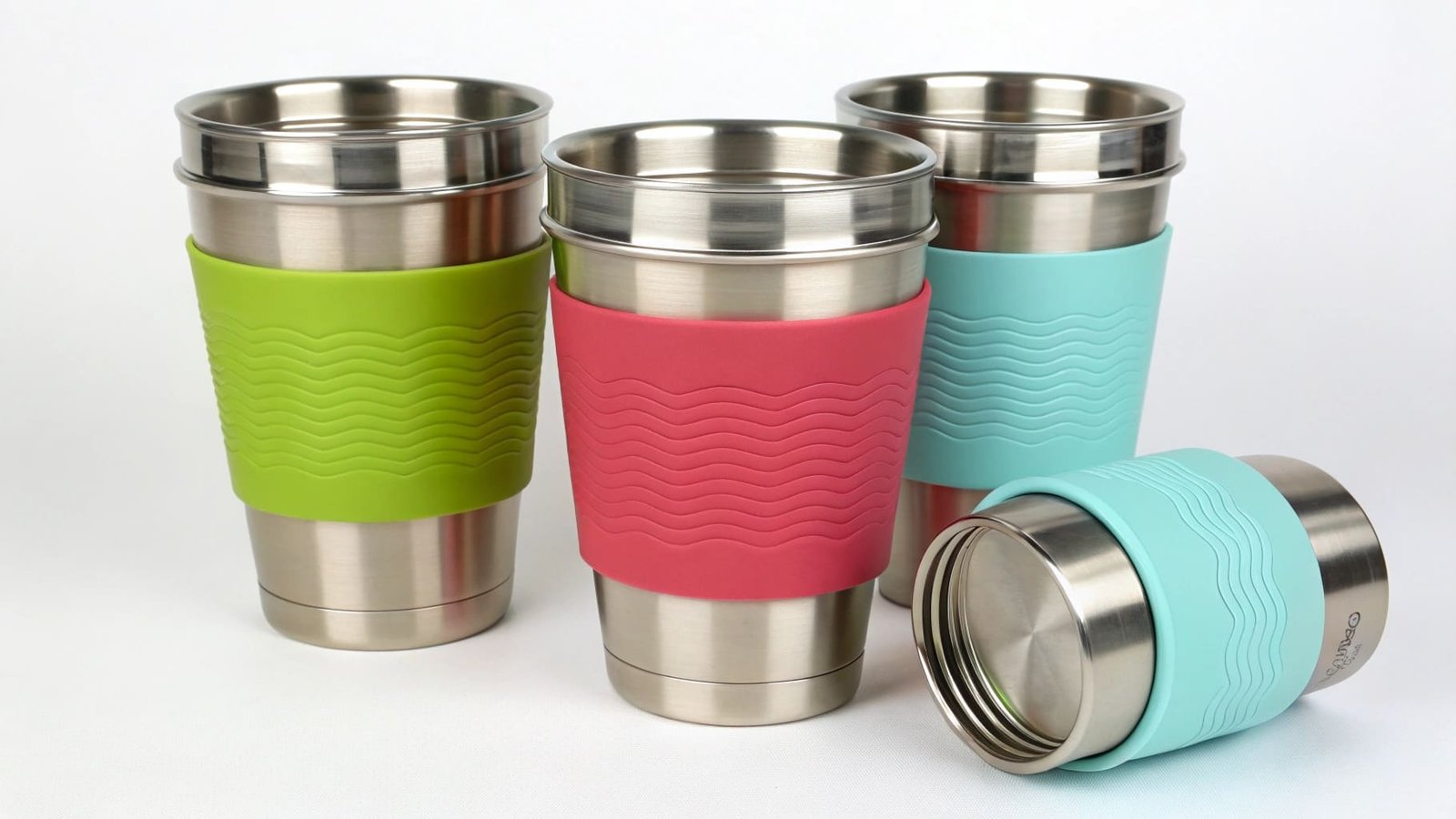
I tested this approach with my retail partners across Canada. We focused on high-quality base tumblers paired with multiple sleeve options. The results surprised me. Customers bought one tumbler and then purchased three to four different handled sleeves over the following months. Some wanted bright colors for gym use. Others preferred neutral tones for office settings. A few bought seasonal designs for outdoor activities.
The handled sleeve approach solves multiple problems at once. Retailers reduce their tumbler SKU count while expanding their accessory offerings. Customers get variety without spending heavily on multiple complete tumblers. I track my sales data carefully. Handled sleeves outsell standard sleeves by roughly 50% in volume. The margin difference is even more favorable since production costs stay relatively similar.
Here is what I look for in quality handled sleeves:
| Feature | Why It Matters | Impact on Sales |
|---|---|---|
| Reinforced handle attachment | Prevents breaking during daily use | Reduces returns by 30-40% |
| Adjustable strap length | Fits different carrying preferences | Increases customer satisfaction scores |
| Non-slip interior grip | Keeps tumbler secure | Minimizes damage complaints |
| Easy removal design | Allows quick cleaning | Encourages multiple sleeve purchases |
The key insight is that customers no longer view tumblers as purely functional items. They see them as personal accessories. The handle adds a fashion element while solving real portability needs. This dual benefit drives the preference among wholesalers who understand retail psychology.
What is a tumbler holder used for?
I used to think tumbler holders were just about protection. I was wrong. My customers taught me that holders serve a much broader purpose. They want holders that make statements and solve daily problems.
Tumbler holders, especially silicone sleeves with handles, serve three main purposes: protecting the tumbler from drops and scratches, providing comfortable grip during use, and enabling easy transportation. Modern designs focus on lifestyle integration rather than simple protection.
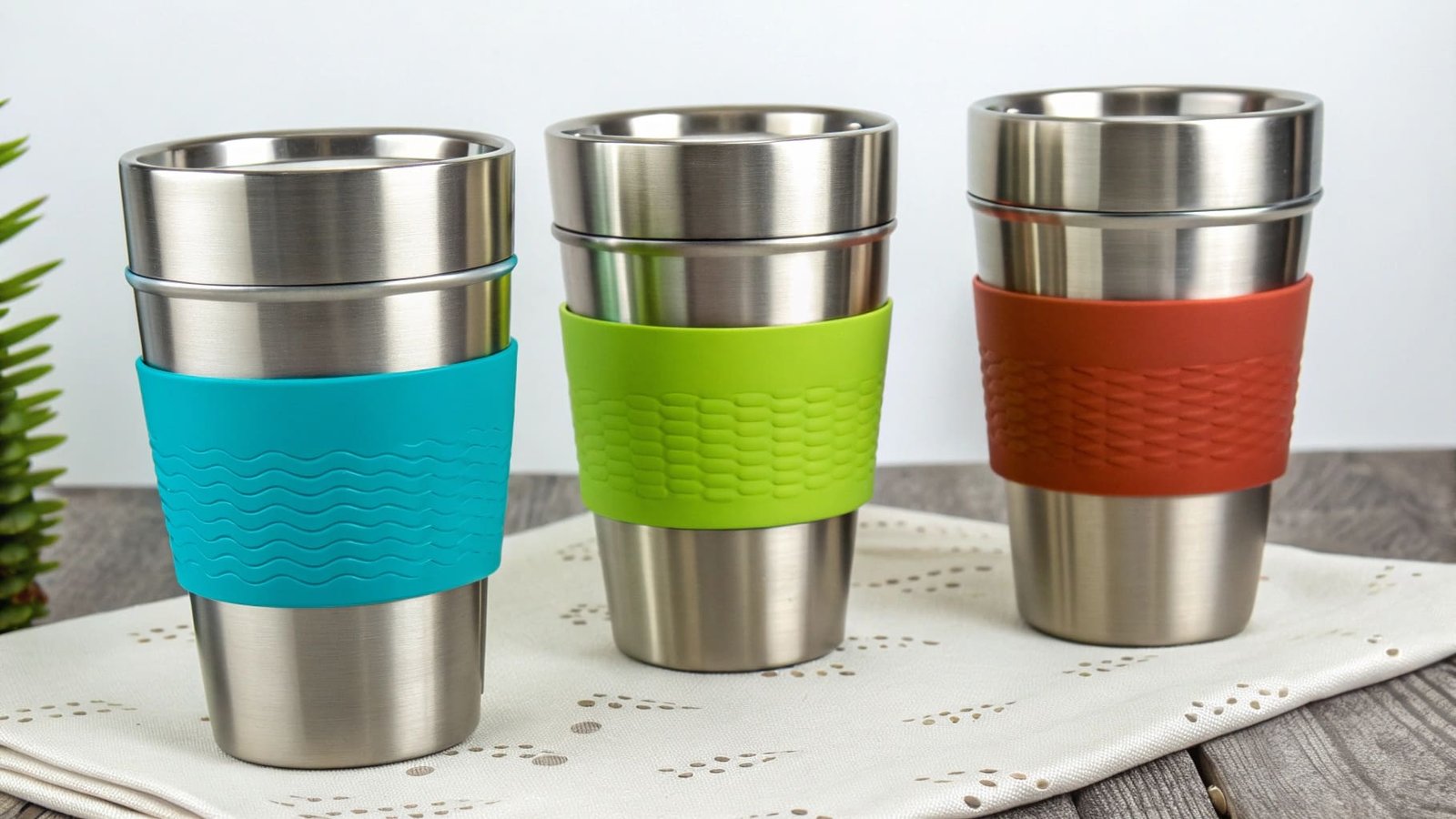
I remember talking to a retail buyer in Vancouver last year. She explained how her customers used tumbler holders throughout their day. Morning gym sessions needed secure grip during workouts. Commutes required easy carrying between car and office. Afternoon meetings wanted professional appearance. Evening outdoor activities demanded durability.
This conversation changed how I source tumbler holders. I stopped viewing them as simple protective accessories. I started evaluating them as multi-functional lifestyle tools. The handled sleeve category emerged as the clear winner in this analysis.
The functionality breaks down into distinct use cases. Protection remains important but it is not the primary selling point anymore. Customers expect protection as a baseline feature. What drives their purchase decisions are the added benefits that handled holders provide.
Carrying convenience tops the list of customer priorities. I see this in my order patterns. Retailers request handled designs far more frequently than basic slip-on sleeves. The integrated strap or handle allows customers to carry their tumbler hands-free or with minimal effort. This matters during busy routines when juggling multiple items.
Temperature control plays a supporting role. Silicone holders insulate hands from hot or cold surfaces. This comfort factor influences repeat purchases. Customers who experience the benefit once tend to buy additional holders for other tumblers they own.
Personalization opportunities drive sustained interest in the category. My retail partners report that customers often buy multiple holders to match different outfits or occasions. The handled design makes the tumbler more visible during use. This visibility increases the desire for aesthetic variety. I stock handled sleeves in at least eight color options. The variety keeps customers engaged and coming back for new purchases.
Are tumblers still trending?
I worried about this question three years ago. Market saturation seemed inevitable. Every household already owned multiple tumblers. I wondered if demand would collapse. The data proved my concerns misplaced.
Tumblers remain strong in the market. The base tumbler market has stabilized but the accessory segment continues growing. Handled sleeves and related accessories show 15-20% annual growth. Wholesalers benefit from this extended product lifecycle through ongoing accessory sales.
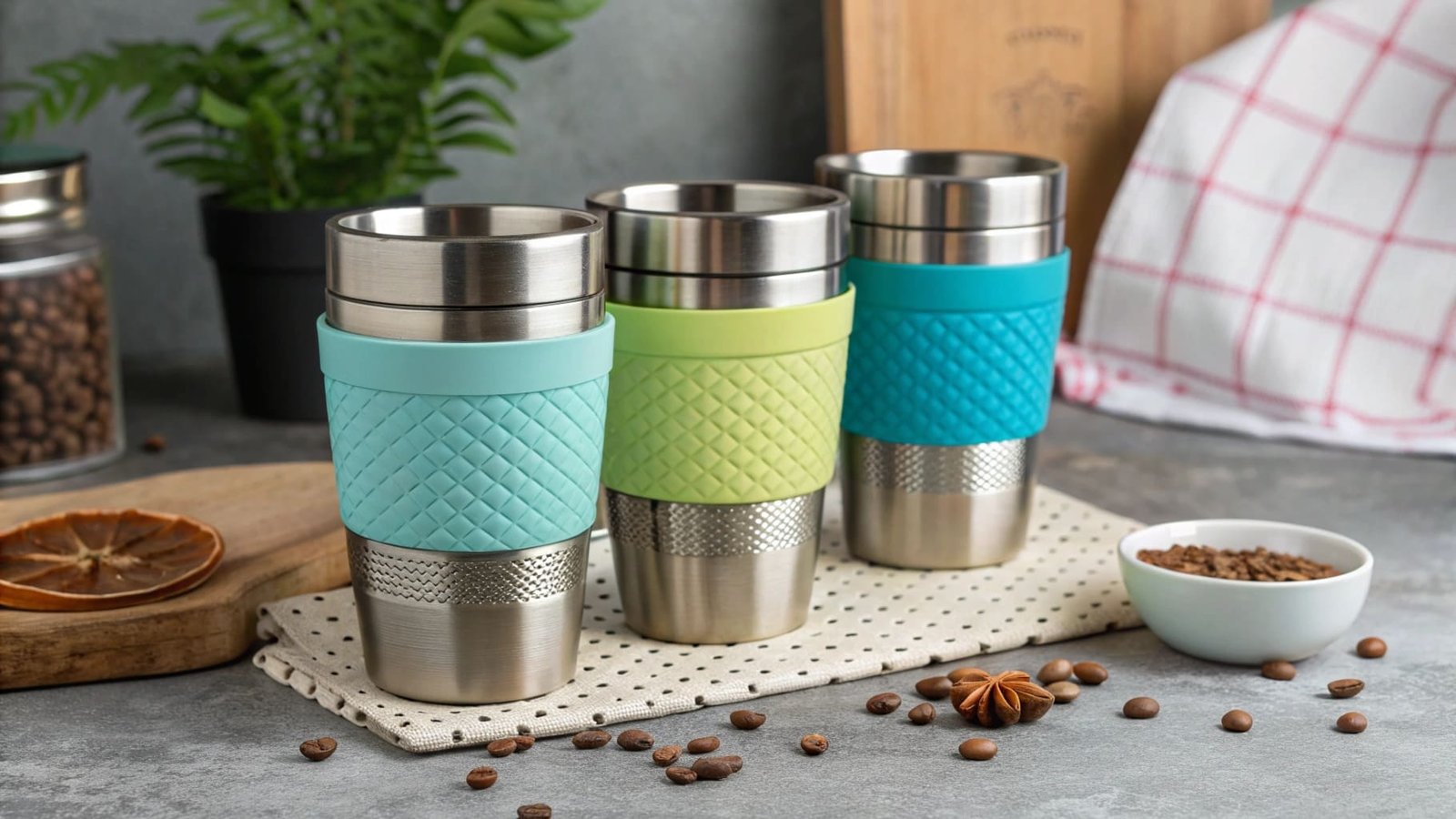
I track market trends closely because my business depends on accurate forecasting. The tumbler category has split into two distinct segments. The first is base tumbler sales which show steady but modest growth. Replacement purchases and new household formation drive this segment. The second is the accessory market which displays much stronger momentum.
The accessory growth makes sense when I examine consumer behavior patterns. Environmental awareness continues rising. Single-use cup reduction remains a priority for many customers. This creates sustained demand for quality reusable tumblers4. The twist is that customers now want their tumblers to serve multiple lifestyle needs.
Handled sleeves address this evolution perfectly. They allow one tumbler to adapt to different situations. A professional might use a leather-textured black sleeve for office meetings. The same person switches to a bright athletic sleeve for weekend hikes. This versatility extends the value proposition of tumbler ownership.
I analyze my sales data quarterly to spot shifts in demand patterns. The numbers show clear trends:
| Year | Base Tumbler Growth | Handled Sleeve Growth | Customer Repeat Purchase Rate |
|---|---|---|---|
| 2021 | 8% | 12% | 1.3 purchases per customer |
| 2022 | 6% | 18% | 1.7 purchases per customer |
| 2023 | 5% | 22% | 2.1 purchases per customer |
The repeat purchase rate for handled sleeves tells the real story. Customers buy multiple sleeves once they experience the convenience and style benefits. This creates predictable revenue streams for retailers. I advise my retail partners to view handled sleeves as subscription-like products. Customers return regularly for new designs and seasonal offerings.
Social media amplification keeps tumblers visible in consumer awareness. I notice that handled tumblers photograph better than basic designs. The handle adds visual interest. Customers share photos of their customized setups more frequently. This organic marketing sustains category relevance without heavy advertising spend.
The wholesale opportunity centers on accessorizing rather than initial tumbler sales. I shifted my inventory strategy accordingly. I reduced base tumbler variety and expanded my handled sleeve selection. This move improved my inventory turnover and increased profit margins. The sleeves cost less to ship and store than complete tumblers. The retail markup potential remains comparable or better.
Smart wholesalers recognize that tumbler trends have matured into a stable category with strong accessory potential. The handled sleeve segment represents the growth frontier. I recommend that wholesalers allocate at least 60% of their tumbler-related inventory budget to accessories rather than base products. This ratio aligns with current demand patterns and maximizes return on inventory investment.
Conclusion
I built my wholesale business on understanding what retailers truly need. Handled tumbler sleeves solve real problems while creating ongoing revenue opportunities. This combination makes them essential inventory for forward-thinking wholesalers.
-
Explore how handled tumbler sleeves enhance customer experience and drive repeat sales. ↩
-
Find out why silicone sleeves are a popular choice for tumbler accessories. ↩
-
Learn how detachable handled sleeves offer flexibility and variety for customers. ↩
-
Explore the advantages of reusable tumblers for sustainability and cost savings. ↩