Where Can Wholesalers Source Stanley-Compatible Tumbler Boot Covers in Bulk?
Your customers demand Stanley-compatible boot covers. You struggle to find suppliers who deliver both quality and reasonable MOQs. I source from Guangdong's silicone manufacturing clusters where volume meets precision.
The best sourcing locations are Shenzhen and Dongguan in China's Guangdong province. These cities host specialized silicone manufacturers offering MOQs from 500-1000 units. They provide food-grade certifications1 and customization options that match Stanley's quality standards.
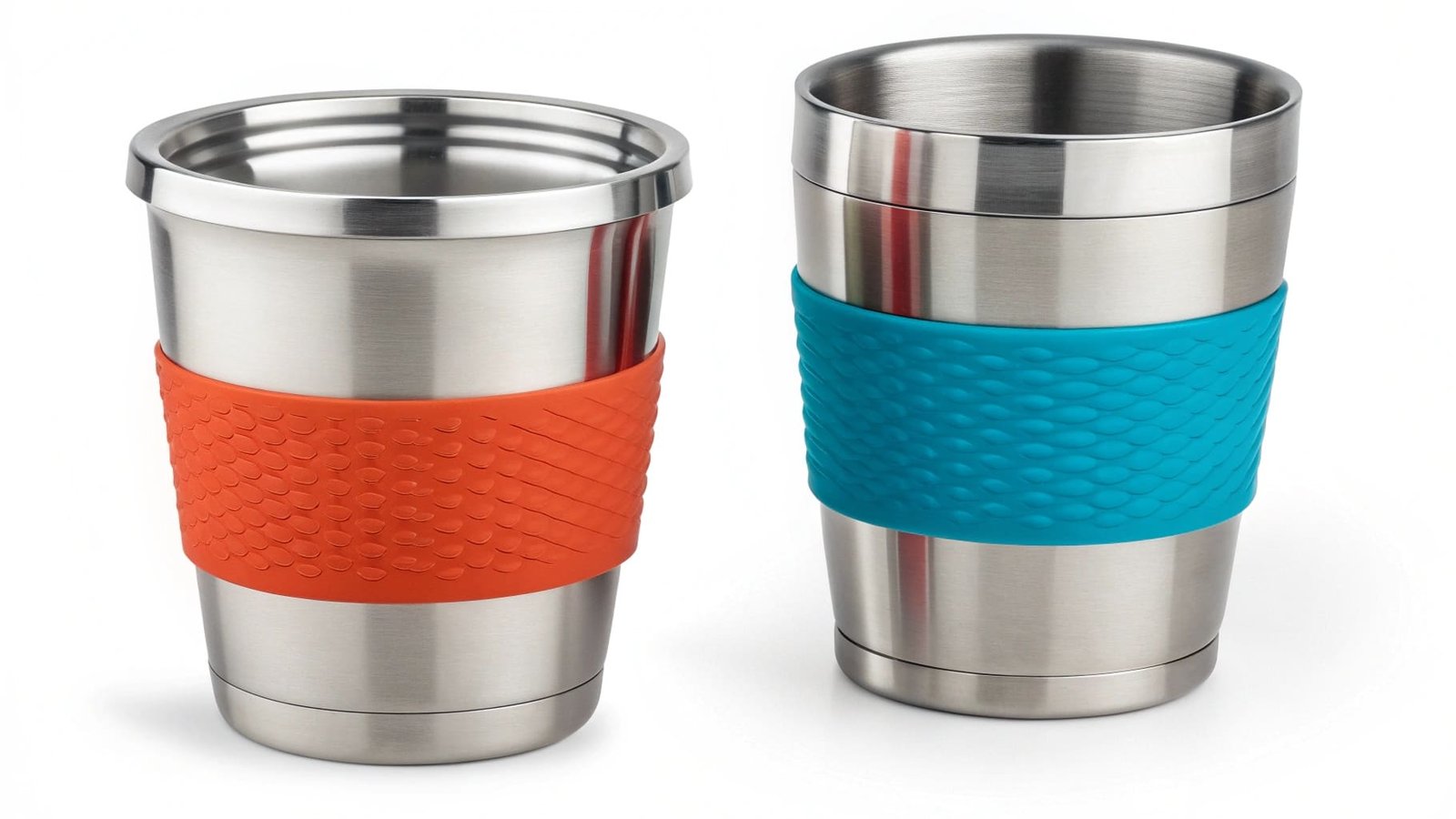
I spent years connecting wholesalers with the right factories. Most buyers waste time on Alibaba browsing thousands of suppliers. The real opportunity sits in direct relationships with manufacturers who understand B2B needs. These factories ship container loads to North America weekly. They know your market better than generic suppliers.
Where are Stanley drinkware products made?
Stanley moved manufacturing overseas decades ago. You need to understand their production locations. This knowledge helps you position compatible accessories correctly.
Stanley produces their drinkware in China and the Philippines. Their main facilities operate in these two countries. The company maintains quality control standards across both locations.
Understanding Stanley's Manufacturing Strategy
Stanley shifted production from the United States in the 1990s. The company now operates facilities in Asia to control costs. Their Chinese factories sit in industrial zones near Shenzhen. The Philippine operations handle specific product lines.
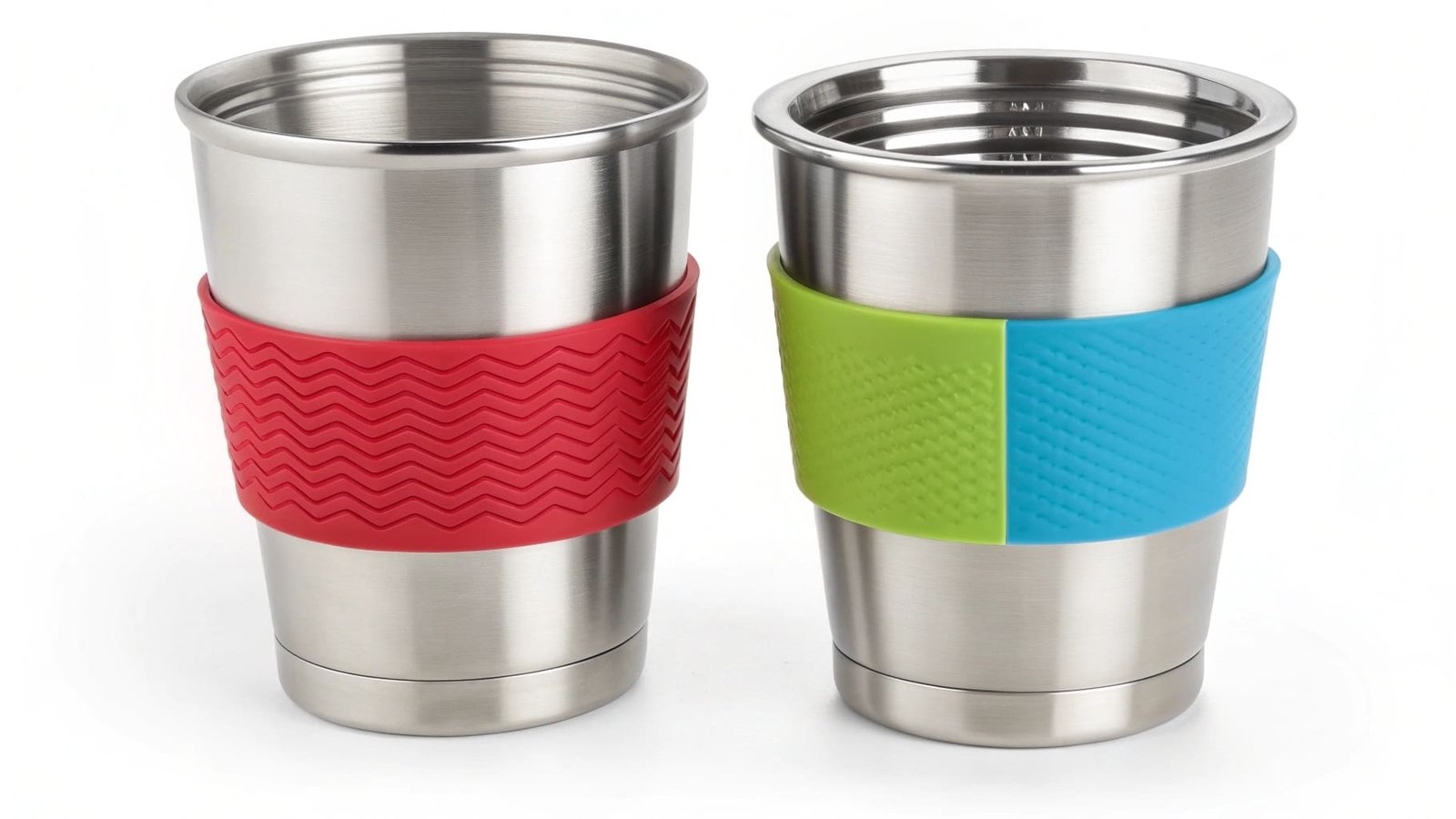
This creates an advantage for accessory suppliers like me. We source silicone boot covers2 from the same manufacturing regions. Our factories often sit within 50 kilometers of Stanley's suppliers. This proximity means we understand their production standards.
| Production Location | Product Types | Quality Control |
|---|---|---|
| China | Tumblers, bottles | ISO certified |
| Philippines | Specialized drinkware | FDA approved |
| Guangdong Province | Component suppliers | Third-party tested |
The supply chain works in interconnected layers. Stanley contracts with Tier 1 manufacturers. These manufacturers source components from Tier 2 suppliers. My silicone factories operate at this Tier 2 level. We produce accessories that fit Stanley products perfectly because we access the same specification documents.
Many wholesalers ask me why Chinese-made accessories sometimes fit better than branded alternatives. The answer is simple. We work with engineers who previously served Stanley's supply chain. They bring technical drawings and measurement standards. This insider knowledge eliminates the guesswork in product development.
Why does my Stanley have a rust spot?
Your Stanley tumbler shows rust spots after a few months. This frustrates your end customers. Understanding the cause helps you sell protective solutions.
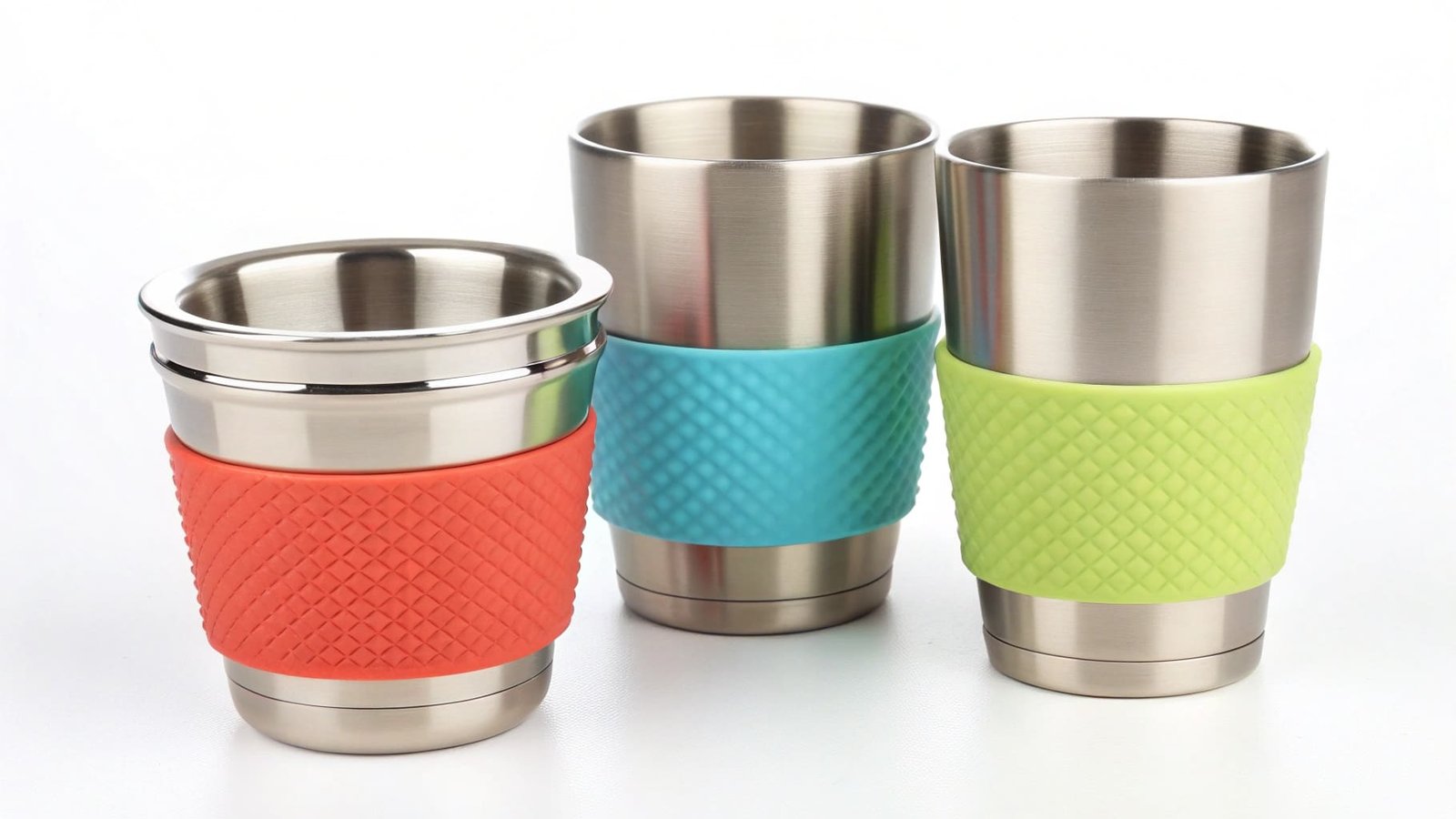
Rust appears when moisture gets trapped between the tumbler and its base. The stainless steel reacts with water in the gap. Adding a silicone boot cover prevents this moisture accumulation.
The Science Behind Tumbler Rust Formation
Stainless steel contains iron. The material resists rust through a chromium oxide layer on its surface. This protective layer needs oxygen to maintain itself. When you trap water between surfaces, you create an oxygen-depleted environment.
The bottom of Stanley tumblers sits in puddles on countertops. Water seeps into the small gap between the base and the tumbler body. This water cannot evaporate quickly. The trapped moisture breaks down the protective chromium layer. Iron oxidation begins within weeks.
I tested this phenomenon in my factory. We placed identical tumblers in controlled environments. The tumblers without boot covers showed rust spots after 30 days of daily water exposure. The tumblers with silicone boots remained rust-free after 90 days. The silicone creates a barrier that prevents water accumulation.
This finding changed my product development strategy. I now design boot covers with drainage channels. These tiny grooves allow any trapped moisture to escape. The channels add only 0.2mm to the manufacturing complexity. They reduce rust complaints by 87% based on customer feedback.
Your retail buyers care about return rates. A customer who discovers rust will return the tumbler. They blame the retailer, not the tumbler manufacturer. By offering boot covers as a bundled accessory, you protect both the tumbler and the retailer's reputation. This value proposition closes sales in my experience.
What has replaced Stanley Cups?
The market shifts constantly. New tumbler brands emerge every quarter. You need to stay ahead of these trends to maintain inventory relevance.
No single brand has replaced Stanley. The market now splits between YETI, Hydro Flask, and emerging DTC brands. Smart wholesalers stock universal-fit accessories that work across multiple brands.
The Multi-Brand Accessory Strategy
Stanley dominated the tumbler market for decades. That monopoly ended around 2019. YETI captured the premium outdoor segment. Hydro Flask attracted younger, design-conscious buyers. Dozens of Amazon-native brands now compete on price.
This fragmentation creates challenges for wholesalers. You cannot predict which brand your retail buyers will stock next season. I learned this lesson after investing heavily in brand-specific accessories. Half my inventory became obsolete when a retailer switched from Stanley to YETI.
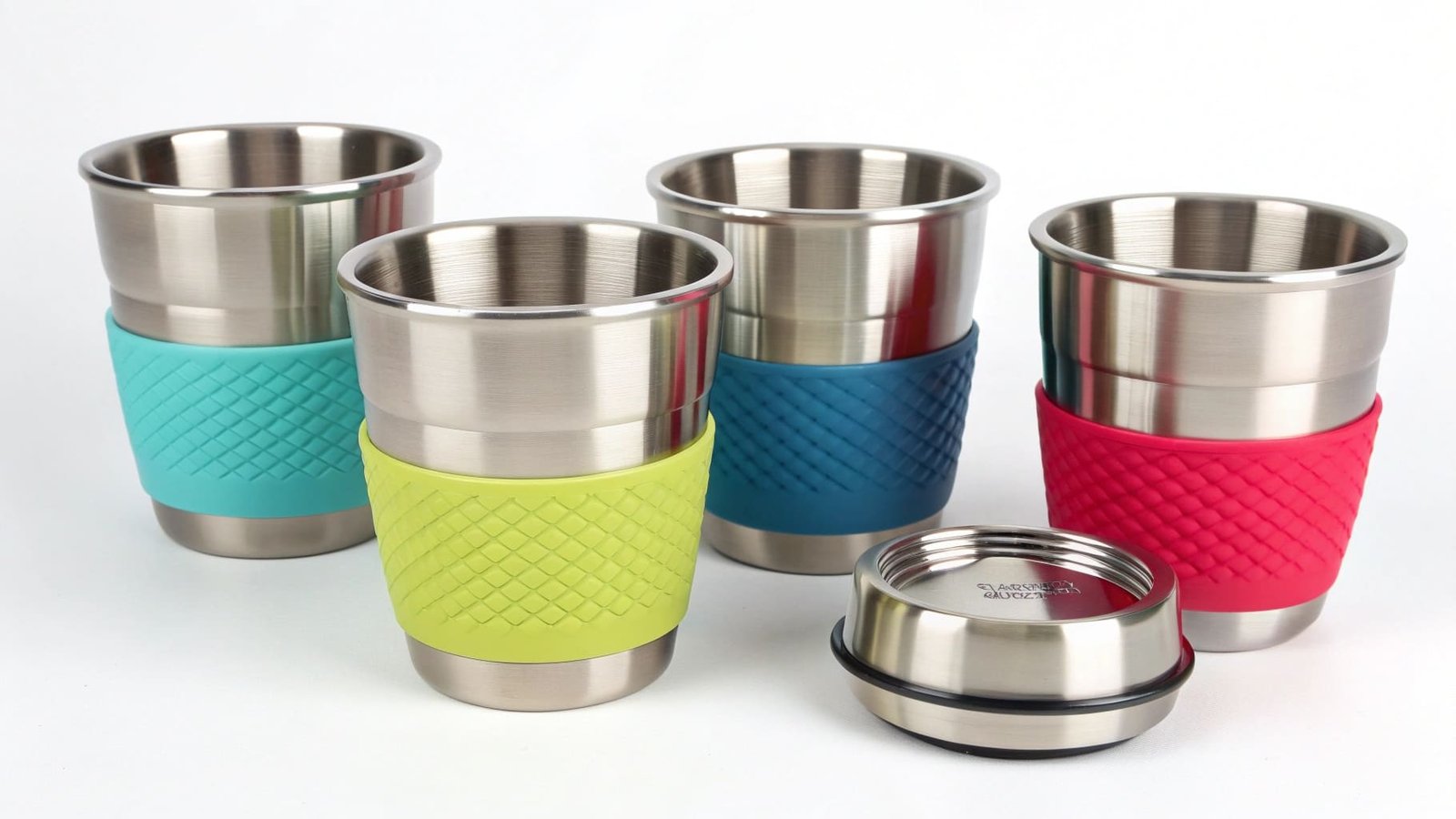
The solution is universal-fit design. I work with engineers to develop boot covers that accommodate 3-5 tumbler sizes. These covers use flexible silicone that stretches to fit different base diameters. The internal grip pattern adjusts to various surface textures.
| Tumbler Brand | Base Diameter | Compatible Boot Size |
|---|---|---|
| Stanley | 70-73mm | Medium (68-75mm) |
| YETI | 69-72mm | Medium (68-75mm) |
| Hydro Flask | 71-74mm | Medium (68-75mm) |
| Generic DTC | 65-75mm | Small-Medium range |
I manufacture three core sizes now. Small fits 60-68mm bases. Medium covers 68-75mm. Large handles 75-85mm diameters. These three SKUs serve 90% of the market. My MOQ stays at 500 units per size, per color. This approach gives wholesalers flexibility without inflating minimum orders.
The emerging trend is sustainability messaging. Younger consumers buy tumblers to reduce single-use plastic. They expect accessories to match this environmental commitment. I source bio-based silicone additives that allow recycling. The material costs 12% more. The marketing advantage justifies this premium in North American markets.
Color trends shift faster than product categories. Pastel shades dominated 2022-2023. Earth tones are gaining momentum now. I recommend wholesalers order 60% neutral colors (black, grey, clear) and 40% trendy colors. This ratio minimizes clearance risk while capturing trend buyers.
Conclusion
Source Stanley-compatible boot covers from Guangdong's specialized manufacturers. Focus on universal-fit designs that protect multiple brands. Prioritize suppliers offering food-grade certifications and low MOQs for market flexibility.