What Are the Best Tea Cup Covers for Steeping in Commercial Cafe Supply?
Your cafe customers complain their tea tastes weak. Your current lids let heat escape. I found silicone covers solve both problems.
The best tea cup covers for commercial cafe supply are food-grade silicone lids1. They create airtight seals, withstand temperatures up to 230°C, and prevent heat loss during steeping. This ensures full flavor extraction and consistent brewing quality.
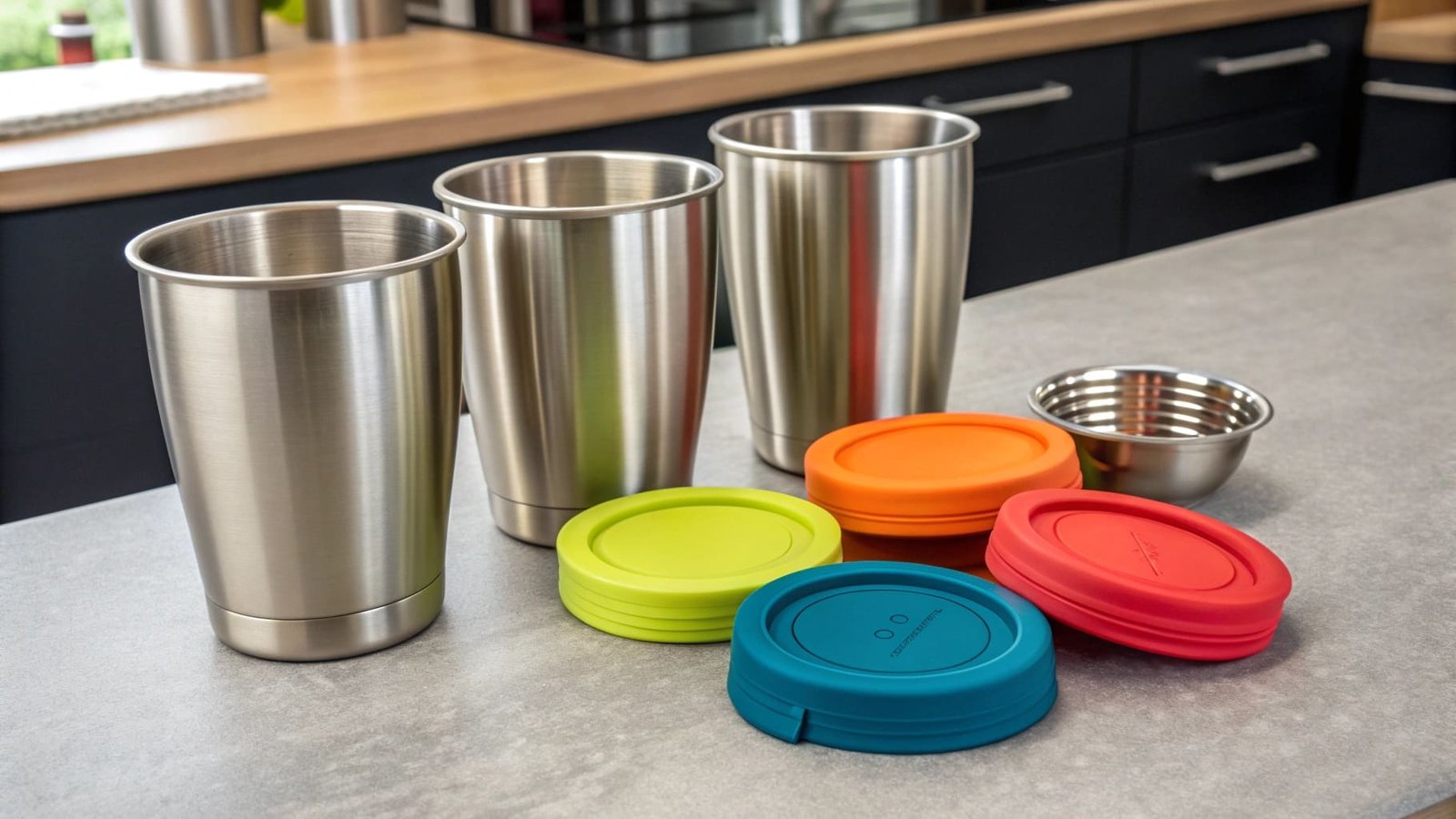
I visit tea shops across North America regularly. I notice one thing that separates successful cafes from struggling ones. It is not the tea leaves. It is how they keep the heat in during steeping.
What to cover tea with when steeping?
Rigid plastic lids crack when hot water hits them. Ceramic covers slip and break. Your staff wastes time replacing broken items every week.
You should cover tea with flexible silicone lids2 during steeping. They form perfect seals around any cup rim, trap steam efficiently, and last years without breaking. The flexible material adapts to different cup sizes.
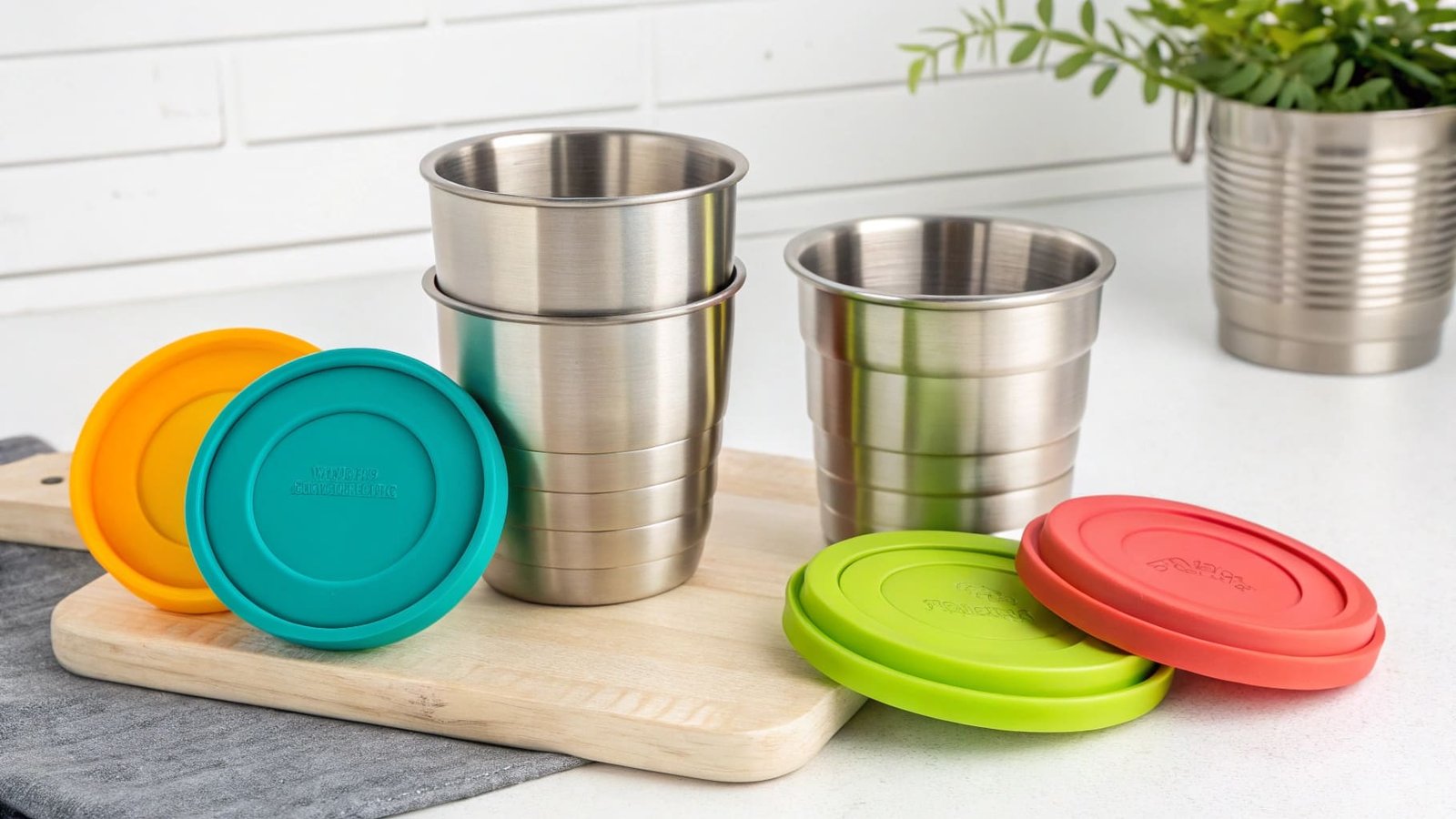
I remember visiting a cafe in Vancouver last year. The owner showed me his storage room. He had boxes full of broken ceramic lids and cracked plastic covers. He told me he spent over two thousand dollars yearly just replacing damaged lids. His staff dropped them during busy morning rushes. The ceramic ones shattered on the tile floor. The plastic ones cracked when exposed to boiling water repeatedly.
Then he switched to silicone covers from our factory. The difference was immediate. Staff could drop them without worry. Hot water did not damage them. After six months, he had not replaced a single lid. The math was simple. Silicone costs more upfront but saves thousands in replacement costs.
The flexibility of silicone creates something rigid materials cannot achieve. When you place a silicone lid on a cup, the material compresses slightly. This creates an airtight seal all around the rim. Steam cannot escape. Heat stays trapped inside. Your tea steeps at consistent temperature. The flavor comes out fuller and richer.
Some cafe owners ask me if silicone lids affect the taste. I tell them the opposite is true. Cheap plastic lids release chemicals when hot. Customers taste the plastic in their tea. Ceramic does not seal well, so heat escapes and the tea turns bitter from inconsistent temperature. Silicone is inert. It adds nothing to the flavor. Your customers taste only the tea leaves.
| Cover Material | Heat Retention | Durability | Cost per Year | Taste Impact |
|---|---|---|---|---|
| Silicone | Excellent | Extremely high | Low | None |
| Hard Plastic | Poor | Low (cracks) | High | Chemical taste |
| Ceramic | Medium | Very low (breaks) | Very high | None |
Which material is better for tea cups?
Traditional materials fail under commercial cafe conditions. Glass cups burn hands. Metal conducts heat poorly. Ceramic chips easily when staff rush during peak hours.
Food-grade silicone is better for tea cup accessories in commercial settings. It handles temperature extremes without degrading, provides thermal protection for customers, and survives the demanding pace of cafe operations without breaking or warping.
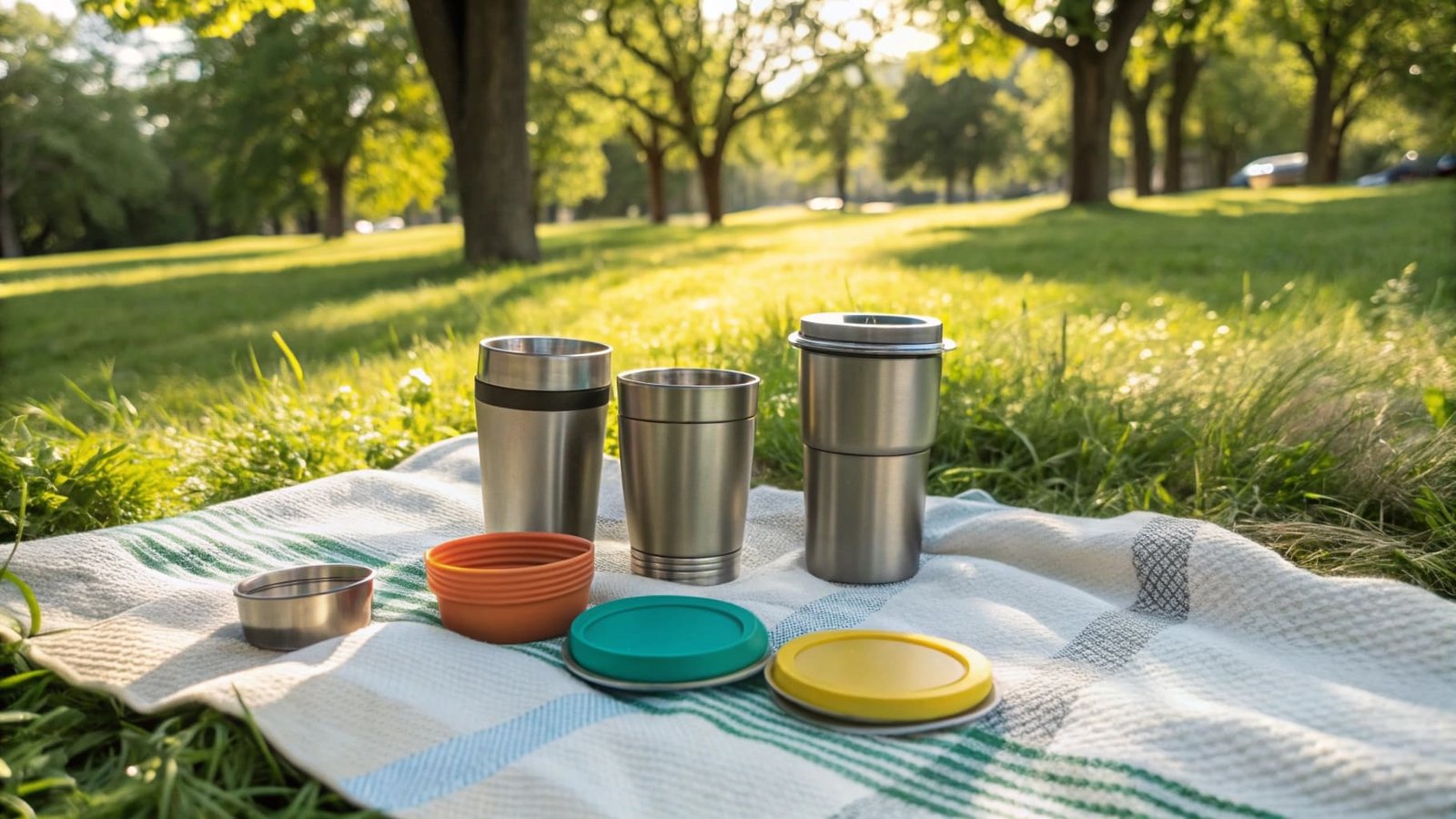
I learned this lesson from a cafe chain owner in Toronto. He started with ceramic cups and ceramic lids. His vision was elegant and traditional. Within three months, he lost nearly thirty percent of his cup inventory to breakage. His insurance costs went up because a customer got burned when a ceramic cup cracked unexpectedly.
He called me frustrated. I suggested silicone cup sleeves and silicone lids. He was skeptical at first. He thought silicone looked cheap and industrial. I sent him samples in custom colors matching his brand. When he felt the quality, his opinion changed completely.
The thermal properties of silicone are remarkable. It can handle temperatures from minus forty degrees up to two hundred thirty degrees Celsius. Some premium formulations go even higher. This range covers everything from iced tea to near-boiling herbal infusions. The material does not deform. It does not release fumes. It simply performs consistently every single day.
Cafe operations demand durability above everything else. Staff move fast during morning rushes. They stack cups quickly. They clean equipment in commercial dishwashers with harsh detergents. Silicone survives all of this. I have clients using the same silicone covers for over three years. The covers still look new. The colors have not faded. The sealing ability has not diminished.
Customization options give silicone another advantage. You can match any brand color exactly. You can embed your logo directly into the molding process. The logo becomes part of the product, not a sticker that peels off. Your customers take these items home. They become walking advertisements for your cafe. Every time someone uses your branded silicone lid at home or work, they remember your business.
| Material Property | Silicone | Traditional Plastic | Ceramic |
|---|---|---|---|
| Temperature Range | -40°C to 230°C | 0°C to 100°C | -20°C to 150°C |
| Break Resistance | Very high | Medium | Very low |
| Dishwasher Safe | Yes | Limited | Yes |
| Customization | Full color + logo | Limited | Painting only |
Are plastic coffee cup lids safe?
Standard plastic lids release chemicals when exposed to hot liquids. BPA and BPS3 leach into beverages. Your customers read news about plastic safety. They ask questions. They worry.
Plastic coffee cup lids are generally unsafe for hot beverages. Most contain BPA, BPS, or phthalates that leach when heated. Food-grade silicone lids are safe because they remain chemically inert at all temperatures and contain no toxic additives.
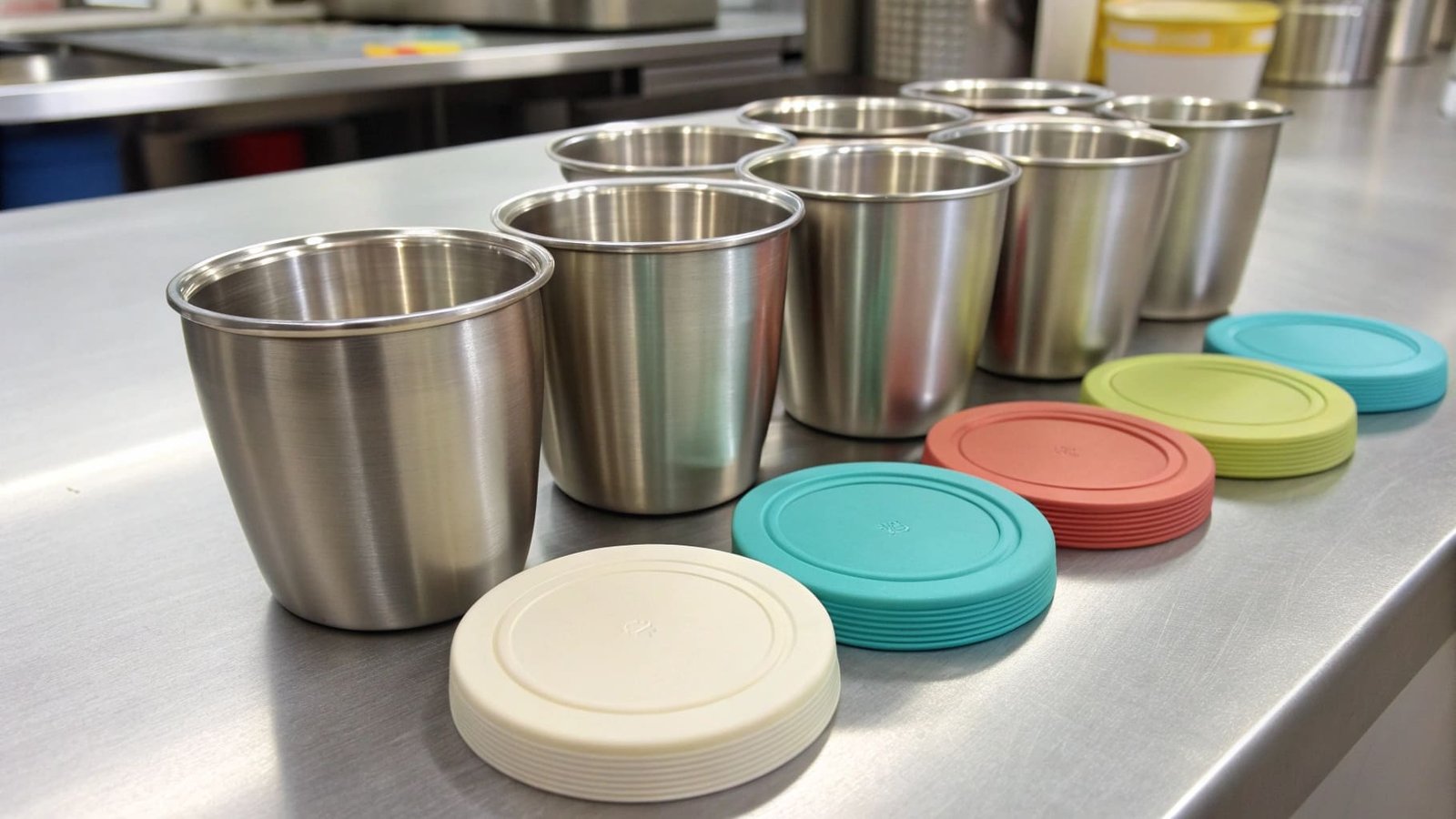
I attended a food safety conference in Seattle two years ago. The speaker presented test results from various lid materials. The data was shocking. Standard plastic lids showed measurable chemical migration into hot water after just five minutes of contact. The chemicals increased proportionally with temperature. At ninety degrees Celsius, the migration rate doubled.
Mark, I know you care about your brand reputation. One customer complaint about chemical taste can spread across social media in hours. I have seen cafes lose twenty percent of their business within weeks after a food safety scare. The risk is not worth taking.
Silicone testing shows completely different results. High-quality food-grade silicone releases nothing into hot water. The material is polymerized silicon with oxygen. It is stable. It is inert. Heat does not break down the molecular structure. I can send you third-party lab reports showing zero chemical migration even at two hundred degrees Celsius for extended periods.
The regulatory landscape is changing too. Europe has strict regulations about food contact materials. North American standards are tightening. Cafes using old plastic lids may face compliance issues soon. Smart buyers like you are switching to silicone now, before regulations force the change. This gives you a competitive advantage. You can market your cafe as using the safest, most eco-friendly materials4 available.
Cost concerns often stop buyers from switching to silicone. They see the higher upfront price and hesitate. But look at the total picture. Plastic lids get replaced every few months. They crack, warp, and lose their seal. Silicone lids last years. You buy once instead of buying repeatedly. The lifetime cost is actually lower.
One more point matters for your distribution business specifically. Your customers increasingly demand sustainable products. Silicone is reusable and recyclable. It does not contribute to single-use plastic waste. When you offer silicone products, you open doors to environmentally conscious accounts that would never buy traditional plastic. This expands your market reach.
| Safety Factor | Silicone | Standard Plastic | Certification |
|---|---|---|---|
| BPA Content | Zero | Often present | FDA/LFGB tested |
| Heat Stability | Up to 230°C | Degrades above 100°C | ISO certified |
| Chemical Leaching | None detected | Measurable | Lab verified |
| Eco Impact | Reusable/recyclable | Single-use waste | Environmental reports |
Conclusion
Silicone tea cup covers deliver superior steeping performance, unmatched durability, and complete safety. They protect your brand reputation while reducing long-term costs significantly.
-
Explore how food-grade silicone lids enhance tea flavor and safety, ensuring a better experience for your customers. ↩
-
Discover why flexible silicone lids are ideal for tea steeping and how they outperform traditional materials. ↩
-
Learn about the health risks associated with BPA and BPS in cafe supplies and how to mitigate them. ↩
-
Understand the significance of eco-friendly materials in attracting environmentally conscious customers. ↩