Where to Buy Silicone Cup Sleeves from Temu for Bulk Reselling in the US?
Many resellers start on Temu because the prices look good. But one bulk shipment of uncertified silicone can destroy your brand before it even takes off.
Temu lists silicone cup sleeves at low prices, but most sellers there do not provide FDA or LFGB certification. For bulk reselling in the US, working directly with a verified B2B silicone manufacturer gives you real certifications, consistent quality, and pricing that still protects your margins.
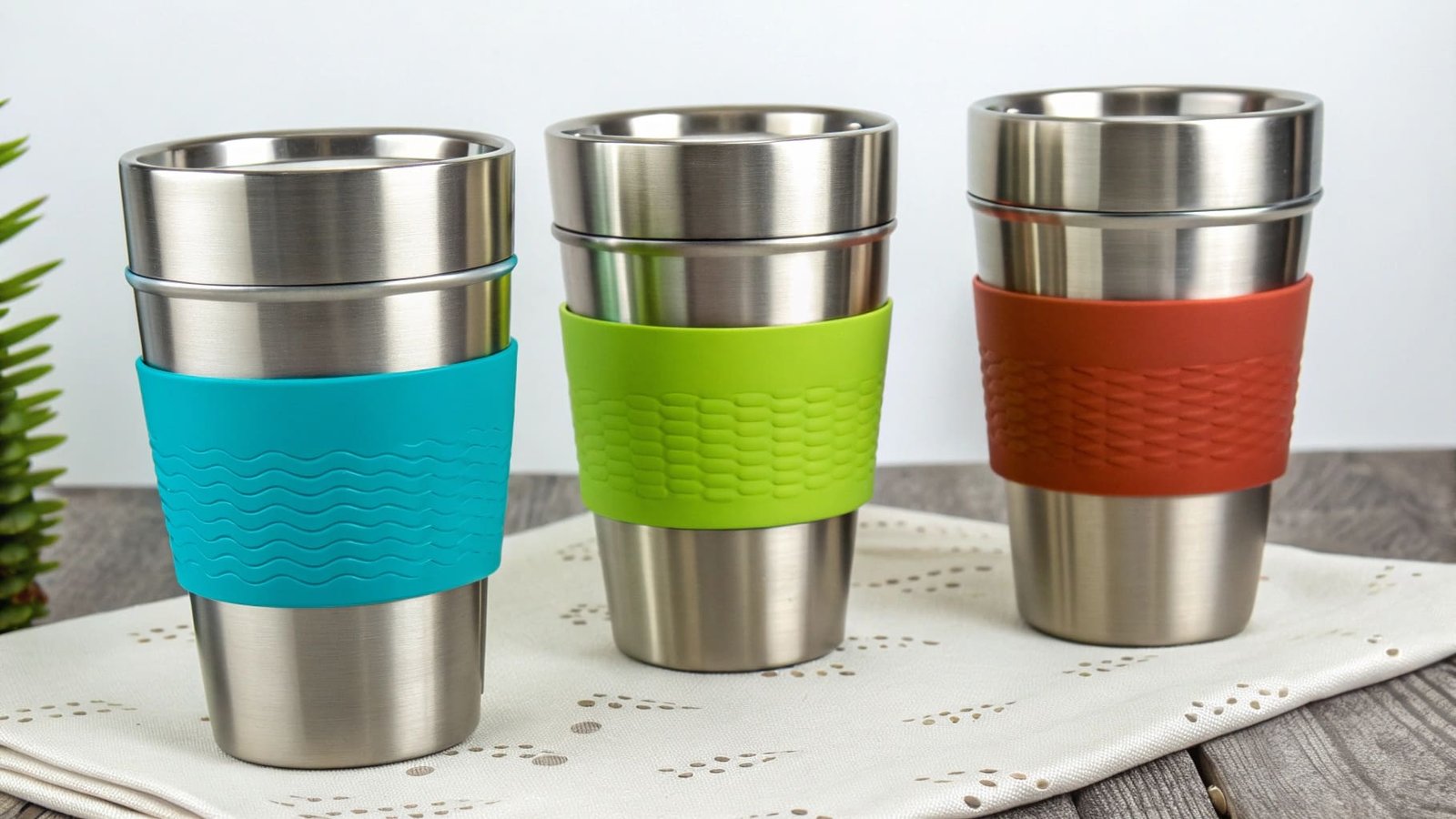
The price on a listing is just the beginning of the story. What actually matters is what that silicone is made of, whether it can handle heat, and whether it will hold up after your customer uses it every day. Those are the questions I want to walk you through here, because the answers directly affect whether your reselling business grows or stalls.
Is a Silicone Cup Safe to Drink From?
You find a low-cost supplier. You place the order. Then your first retail customer asks, "Is this safe to use?" You pause. That pause costs you a sale and possibly a repeat customer.
Food-grade silicone is safe for drinking use when it meets FDA and LFGB certification standards.1 These certifications confirm the material contains no BPA, lead, or phthalates. Before you place any bulk order, always ask your supplier for third-party lab test reports that back up those claims.
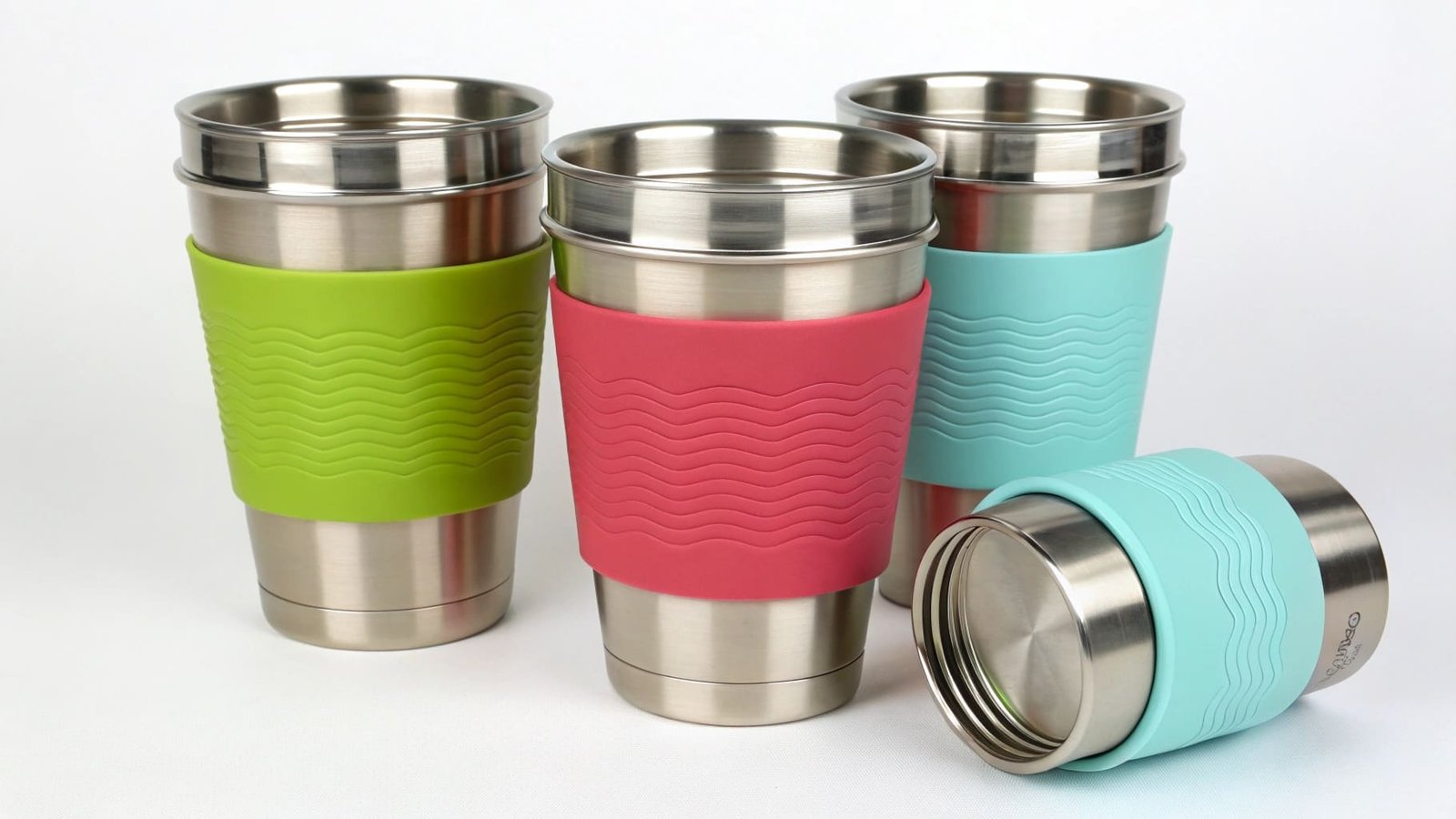
Not all silicone is the same. This is the part that most resellers do not find out until something goes wrong.
The word "silicone" covers a wide range of formulations. Some are made for industrial use. Some are mixed with fillers to cut production costs.2 Neither of those is suitable for food contact. The only way to know you have the right material is to look at the paperwork.
Here is what that documentation should include:
| Document Type | What It Confirms |
|---|---|
| FDA Compliance Certificate | Safe for food contact under US standards |
| LFGB Test Report | Safe for food contact under European standards |
| Raw Material Certificate | Confirms the base silicone grade used in production |
| Third-Party Lab Report | Independent verification, not just a supplier's self-declaration |
| Production Batch Record | Traceability from raw material to finished product |
I have seen suppliers on Temu and similar platforms upload certificate images that look real but are either expired, forged, or issued for a different product. This is a known issue in the industry. I have had customers come to me after getting burned exactly this way.
One quick check you can do: ask the supplier to send you a sample before your bulk order. Smell it. Genuine food-grade silicone that has been properly cured has almost no odor. A sharp chemical smell is a clear sign of low-quality formulation or poor curing.3 That smell does not disappear after washing, and your end customer will notice it.
If your supplier cannot provide complete documentation, that is your answer right there.
What Is the Healthiest Type of Cup to Drink From?
Your retail customer is health-conscious. They are comparing your silicone sleeve against glass and stainless steel options. If you cannot explain the difference clearly, they will go with what they already know.
Silicone is one of the healthiest materials available for drinkware use.4 It does not leach chemicals at normal temperatures, resists bacterial growth, and does not affect the taste of what is inside the cup. Glass and stainless steel are also healthy options, but silicone offers grip, flexibility, and impact resistance that neither can match.
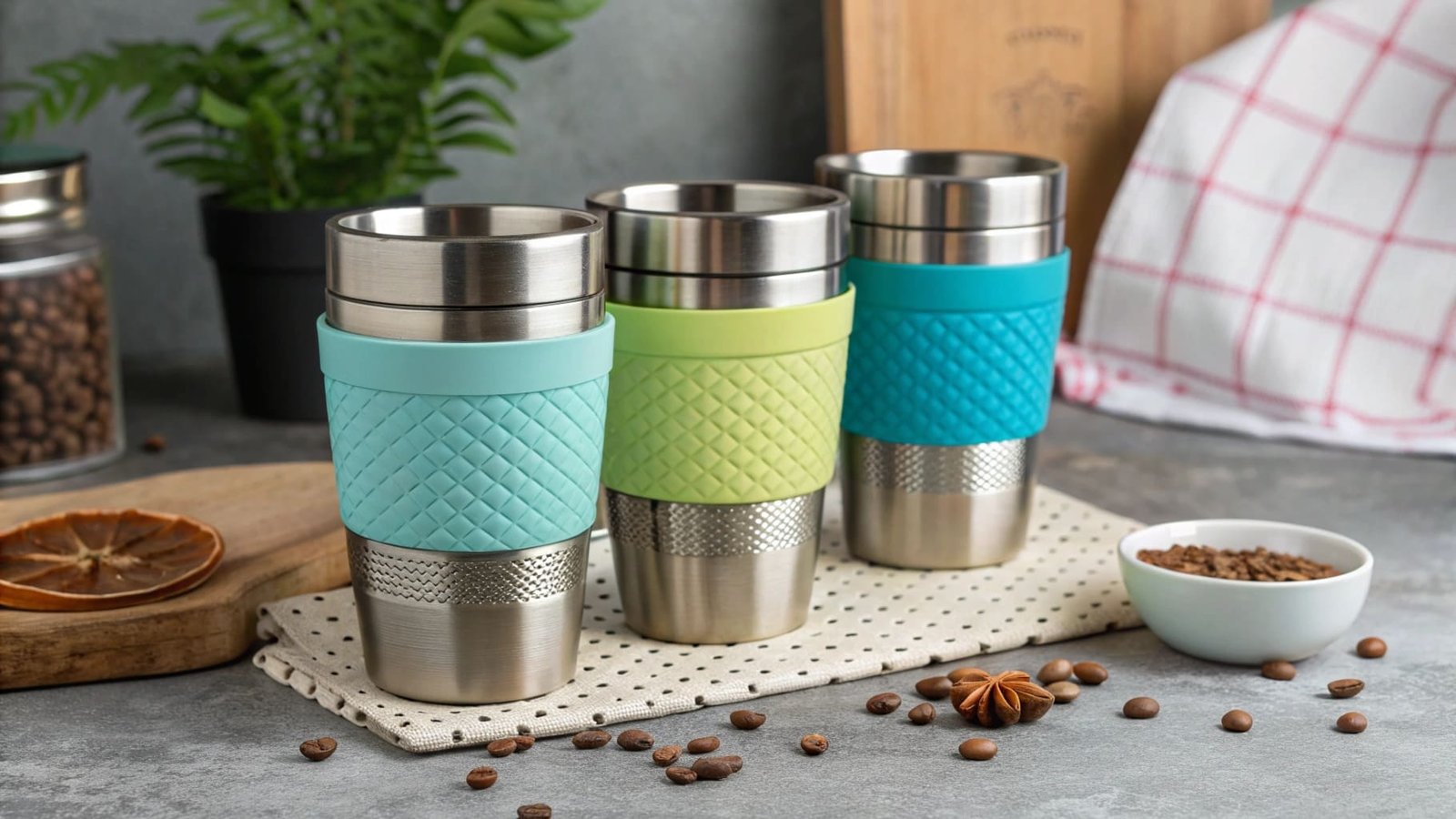
The honest answer is that "healthiest" depends on how the product gets used.
Here is a direct comparison of the three most common materials:
| Material | Chemical Leaching | Taste Neutrality | Bacterial Resistance | Durability | Flexibility |
|---|---|---|---|---|---|
| Food-Grade Silicone | None at normal temps | High | High | High | Yes |
| Stainless Steel | Low (varies by grade) | Moderate | High | Very High | No |
| Glass | None | Very High | High | Low (breaks easily) | No |
Silicone sits in a strong position here. It does not break when dropped. It does not rust. It does not hold onto odors or flavors from previous drinks. For a product like a silicone cup sleeve, this is exactly the right material.
There is one point worth addressing directly. Some buyers in Europe have raised concerns about silicone being a petrochemical-derived product. This is factually accurate. Silicone is synthesized from silicon and carbon-based compounds.5 However, the environmental and health concerns tied to petrochemicals apply mostly to the production stage, not the end product. Once properly cured food-grade silicone is in your customer's hands, it is inert. It does not break down and release compounds the way certain plastics do.
I tell my customers this plainly: if your target market is health-conscious US consumers, food-grade silicone with proper certification is a defensible and competitive choice. You just need the documentation to back it up when someone asks.
Can You Drink Coffee Out of a Silicone Cup?
Coffee runs hot. If your silicone sleeve softens, warps, or releases a smell when it meets hot liquid, your product fails the first real test a customer puts it through.
Yes, you can drink coffee using a silicone cup or silicone cup sleeve. Quality food-grade silicone handles temperatures up to 230°C6 without breaking down, leaching chemicals, or releasing odors. Always verify the exact heat rating with your supplier and confirm it in writing before placing a bulk order.
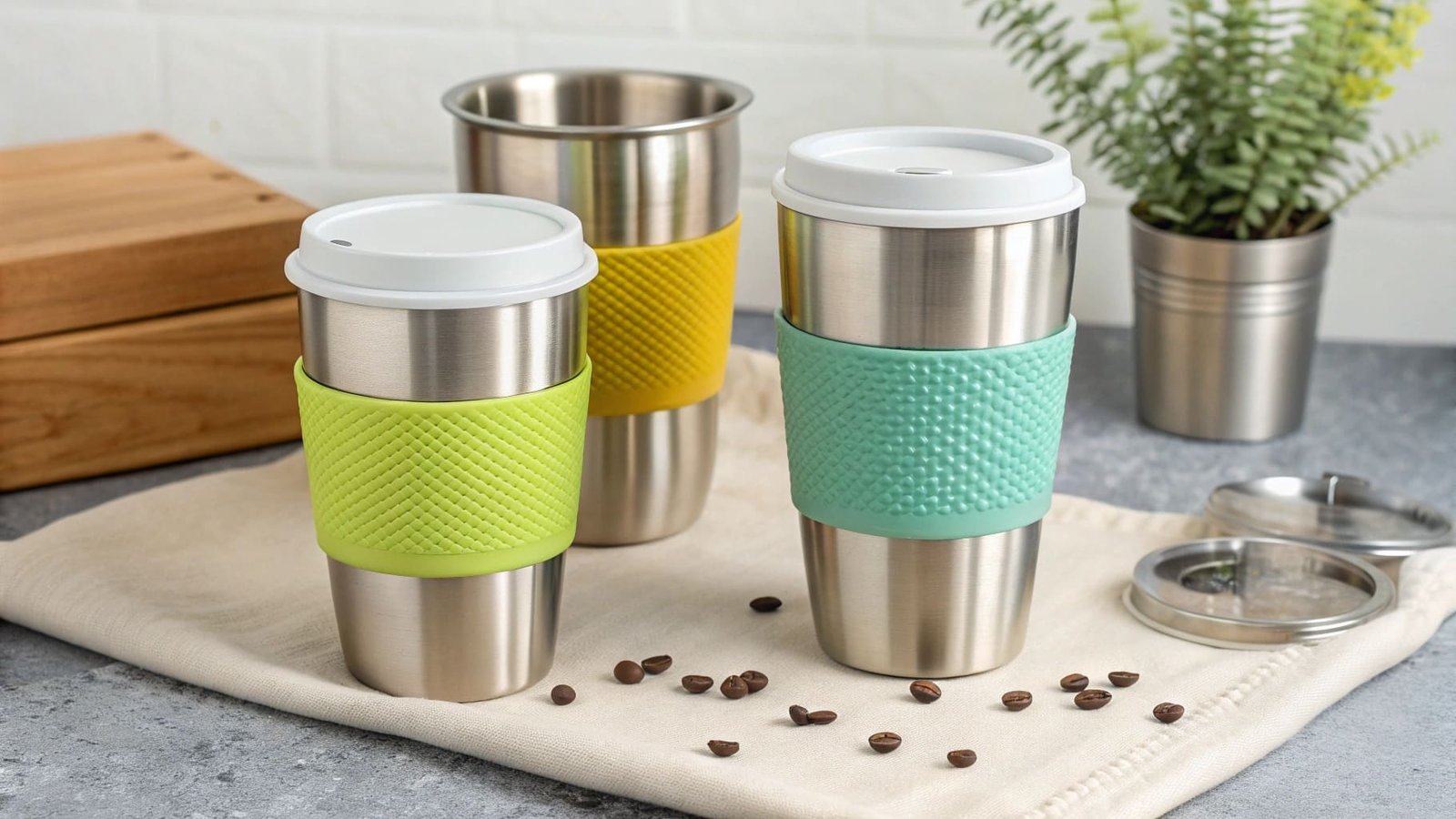
This is where the gap between cheap silicone and quality silicone becomes very visible.
Low-cost silicone products often use fillers to reduce the amount of pure silicone in the mix. These fillers lower production costs, but they also lower the material's heat resistance. A sleeve made with high filler content may hold up fine at room temperature but start to degrade when it comes into contact with a hot coffee cup every morning.
Here is what to check before you commit to a supplier for coffee-use applications:
| Test or Specification | Minimum Requirement for Hot Beverage Use |
|---|---|
| Continuous Use Temperature | 200°C or above |
| Peak Temperature Rating | 230°C or above |
| Heat Aging Test | No change in hardness, color, or smell after repeated heat exposure |
| Odor Test (Post-Heat) | No detectable chemical smell after heating |
| FDA/LFGB Report Scope | Must specifically cover food contact with hot liquids |
I have tested samples from multiple suppliers by running them through repeated heat cycles with boiling water. The difference between a high-fill-rate silicone and a pure food-grade silicone becomes obvious after five or six cycles. The cheap version starts to feel slightly tacky or takes on a faint odor. The quality version stays unchanged.
For resellers targeting the US market, this matters because your customer is not buying the sleeve once. They are buying it to use every morning. If it fails after two weeks, they will not reorder, and they will tell others. Your repeat order rate depends directly on whether the product holds up in real daily use.
This is also why I always recommend ordering a sample batch from any new supplier and running it through your own use test before committing to a full bulk order. No certification replaces that hands-on check.
Conclusion
Temu is a starting point, not a sourcing strategy. For bulk reselling in the US, certified food-grade silicone from a verified B2B manufacturer protects your brand, your customers, and your margins.
-
"21 CFR 177.2600 -- Rubber articles intended for repeated use. - eCFR", https://www.ecfr.gov/current/title-21/chapter-I/subchapter-B/part-177/subpart-C/section-177.2600. Food-contact regulations such as FDA 21 CFR 177.2600 and German LFGB/BfR recommendations establish extractives or migration criteria for rubber and silicone articles intended for repeated food contact, supporting the use of compliant food-grade silicone in drinking-related applications. Evidence role: definition; source type: government. Supports: FDA and German/EU food-contact frameworks set compositional, extractives, or migration requirements used to assess silicone articles intended for repeated contact with food or beverages.. Scope note: Regulatory compliance supports suitability under specified test conditions but does not prove that any particular seller's product is compliant. ↩
-
"The Effect of Various Fillers on the Properties of Methyl Vinyl ... - PMC", https://pmc.ncbi.nlm.nih.gov/articles/PMC10058771/. Materials-science literature on filled silicone rubber describes fillers as additives used to modify mechanical or processing properties and, in some formulations, to reduce the amount of silicone polymer required. Evidence role: mechanism; source type: paper. Supports: Fillers are commonly added to silicone rubber to modify properties and may also reduce compound cost by replacing a portion of the base polymer.. Scope note: This supports the general manufacturing mechanism but would not prove that any specific Temu listing or supplier uses fillers. ↩
-
"Characterizing Key Volatile Pollutants Emitted from Adhesives by ...", https://pmc.ncbi.nlm.nih.gov/articles/PMC8839774/. Research on silicone elastomer extractables and curing chemistry shows that residual volatile compounds, additives, or curing byproducts may remain in inadequately processed silicone and can contribute to odor. Evidence role: mechanism; source type: research. Supports: Residual volatiles, additives, and curing byproducts in silicone elastomers can contribute to detectable odor.. Scope note: The presence of odor suggests a need for further testing but does not by itself identify the exact defect or prove unsafe composition. ↩
-
"Food Packaging & Other Substances that Come in Contact with Food", https://www.fda.gov/food/food-ingredients-packaging/food-packaging-other-substances-come-contact-food-information-consumers. Government food-safety guidance and food-contact regulations generally characterize compliant food-grade silicone as a stable, low-reactivity material suitable for food-contact applications under intended conditions of use. Evidence role: expert_consensus; source type: government. Supports: Government or toxicological sources characterize food-grade silicone as stable and acceptable for food-contact use under intended conditions.. Scope note: Such sources support safety and suitability, but they do not usually rank silicone as one of the 'healthiest' materials compared with glass or stainless steel. ↩
-
"Organosilicon chemistry - Wikipedia", https://en.wikipedia.org/wiki/Organosilicon_chemistry. Chemical references define silicones as organosilicon polymers, typically with silicon-oxygen backbones and carbon-containing organic side groups, supporting the description of silicone as derived from silicon and organic compounds. Evidence role: definition; source type: encyclopedia. Supports: Silicones are organosilicon polymers containing silicon-oxygen backbones and organic groups that include carbon.. ↩
-
"Silicone Nanocomposites with Enhanced Thermal Resistance - PMC", https://pmc.ncbi.nlm.nih.gov/articles/PMC11084908/. Technical literature on silicone rubber reports high thermal stability and service-temperature ranges that can extend to approximately 200–250°C for suitable grades, supporting the plausibility of a 230°C rating for properly formulated food-grade silicone. Evidence role: mechanism; source type: research. Supports: Silicone rubber is commonly reported to retain useful properties across high service temperatures, often in the range relevant to hot beverage and bakeware applications.. Scope note: The exact temperature limit is grade-specific and should be verified against the product's own material specification or test report. ↩