Where to Download Coffee Cup Sleeve Templates for Bulk Manufacturing?
I struggled to find reliable template sources when I first started helping buyers customize silicone cup sleeves. Most free downloads lacked the technical specs manufacturers actually need for production.
You can download coffee cup sleeve templates from manufacturer websites, design platforms like Canva or Adobe Stock, and industry-specific CAD libraries1. The best sources provide editable vector files with precise measurements for bulk production compatibility.
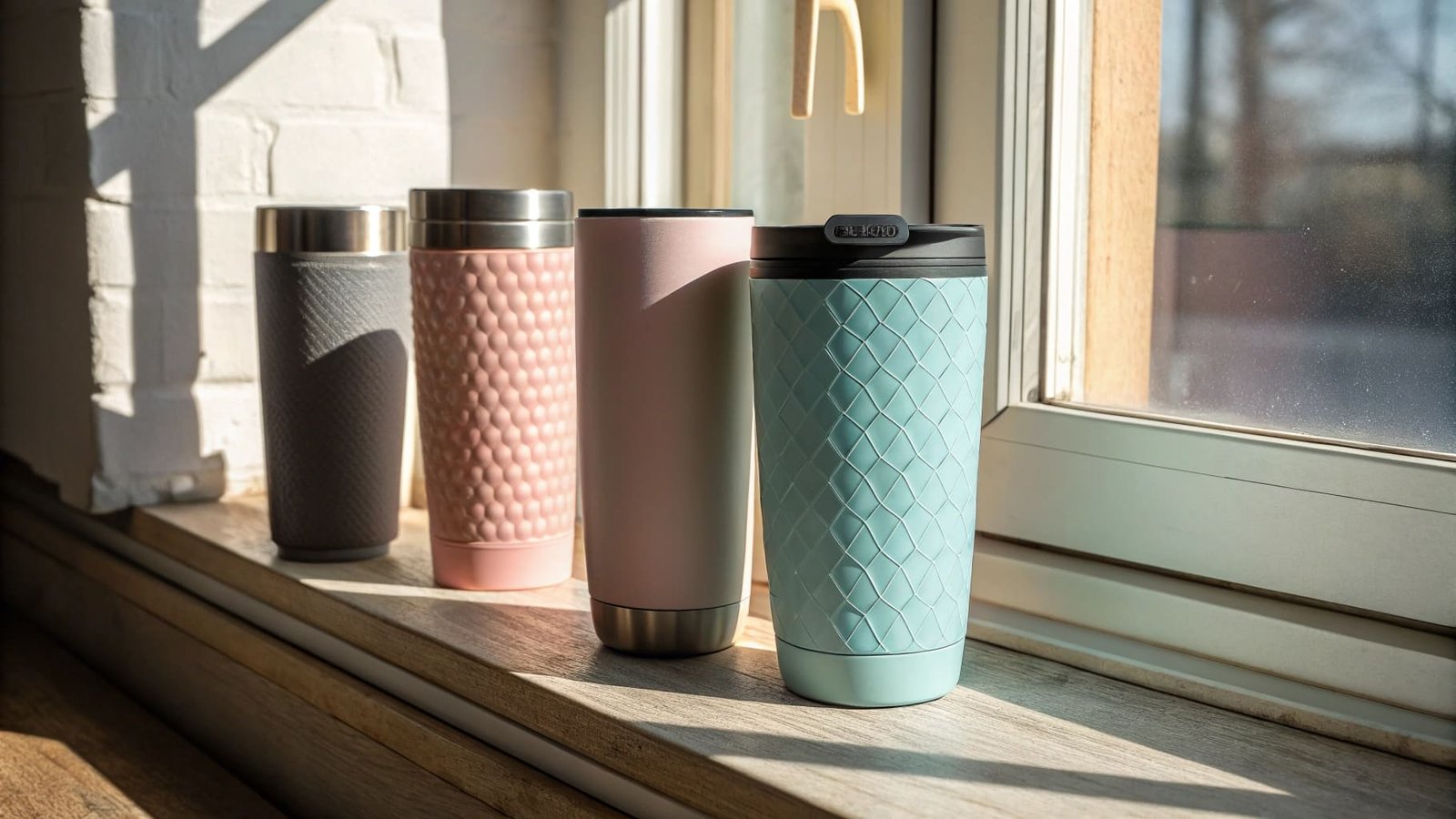
This template hunt matters more than you think. I have seen buyers waste weeks on designs that looked great on screen but failed during actual manufacturing. The right template saves money and speeds up your launch timeline.
What is the sleeve on a coffee cup called?
I get asked this naming question during almost every initial supplier call. Buyers worry they are using the wrong term and might confuse their manufacturing partners.
The sleeve is called a coffee cup sleeve, java jacket, zarf, or cup holder2. In B2B sourcing documents, "coffee cup sleeve" and "beverage insulator" are the most commonly recognized terms by manufacturers worldwide.
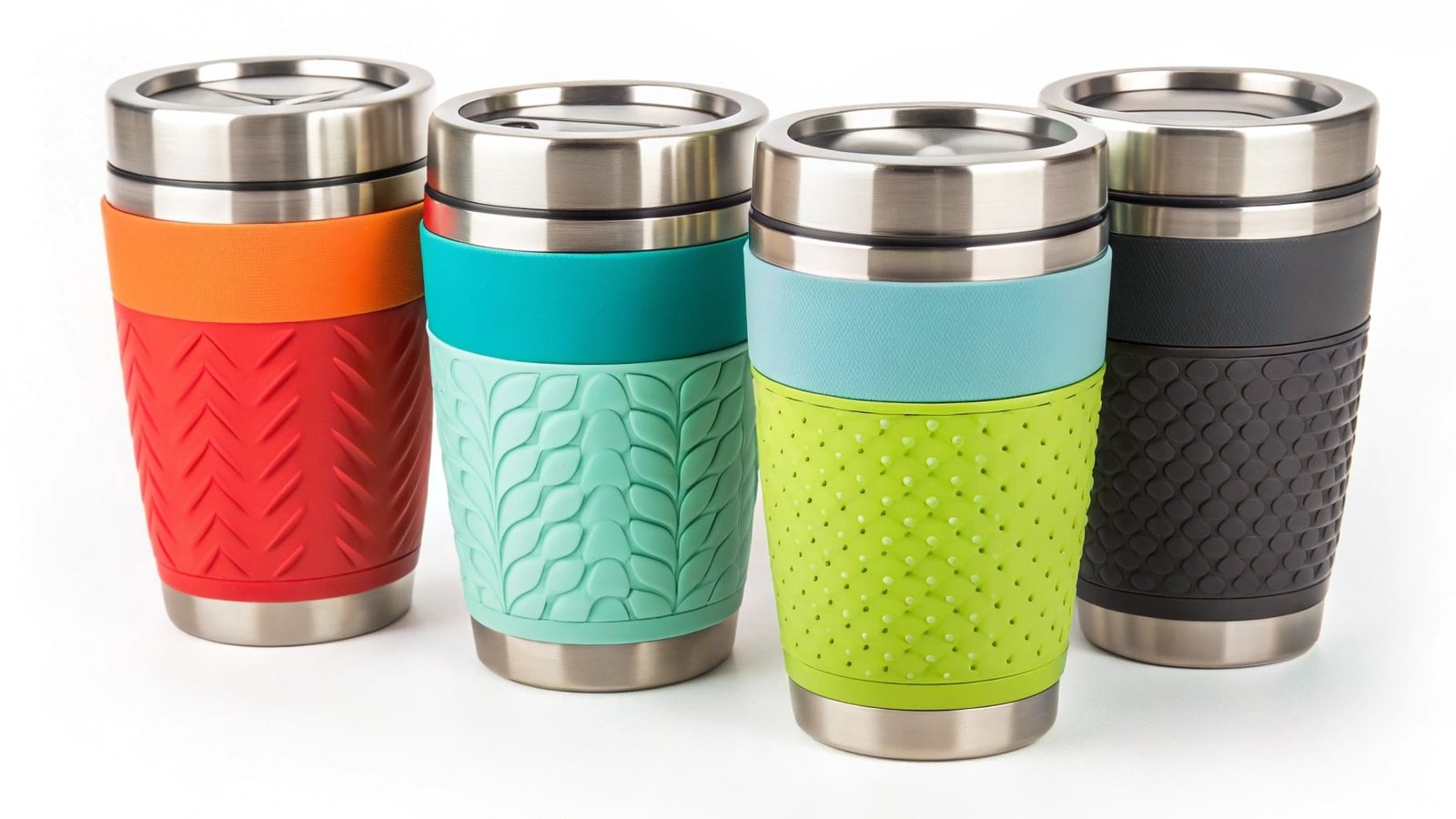
Understanding Industry Terminology
The naming actually tells you a lot about the product type. When I talk with buyers from North America, they typically say "coffee sleeve" or "java jacket." European buyers often use "cup holder" instead. But here is what matters for your procurement process.
The term "zarf" has Middle Eastern origins. Coffee merchants used ornate metal holders centuries ago.3 Today, this term rarely appears in RFQs or purchase orders. I only hear it from buyers in specialty markets.
Material choice changes the naming conventions too. When buyers source silicone products from my company, I describe them as "reusable coffee grips" or "silicone insulators." This language positions the product differently than disposable options. Paper versions keep traditional names like "sleeve" or "clutch."
For your supplier communications, I recommend sticking with "coffee cup sleeve" or "silicone cup sleeve" in your technical specifications. This clarity prevents confusion during the quotation process. I have seen buyers receive quotes for completely different products because they used informal or regional terms.
What is the purpose of a coffee cup sleeve?
I watched a buyer lose a major cafe chain contract because they underestimated sleeve functionality. They focused only on branding without understanding the safety requirements their customer needed.
Coffee cup sleeves provide thermal insulation to prevent burns, enhance grip to reduce spills, and create branding space for marketing4. These three functions directly impact customer satisfaction and safety compliance in foodservice operations.
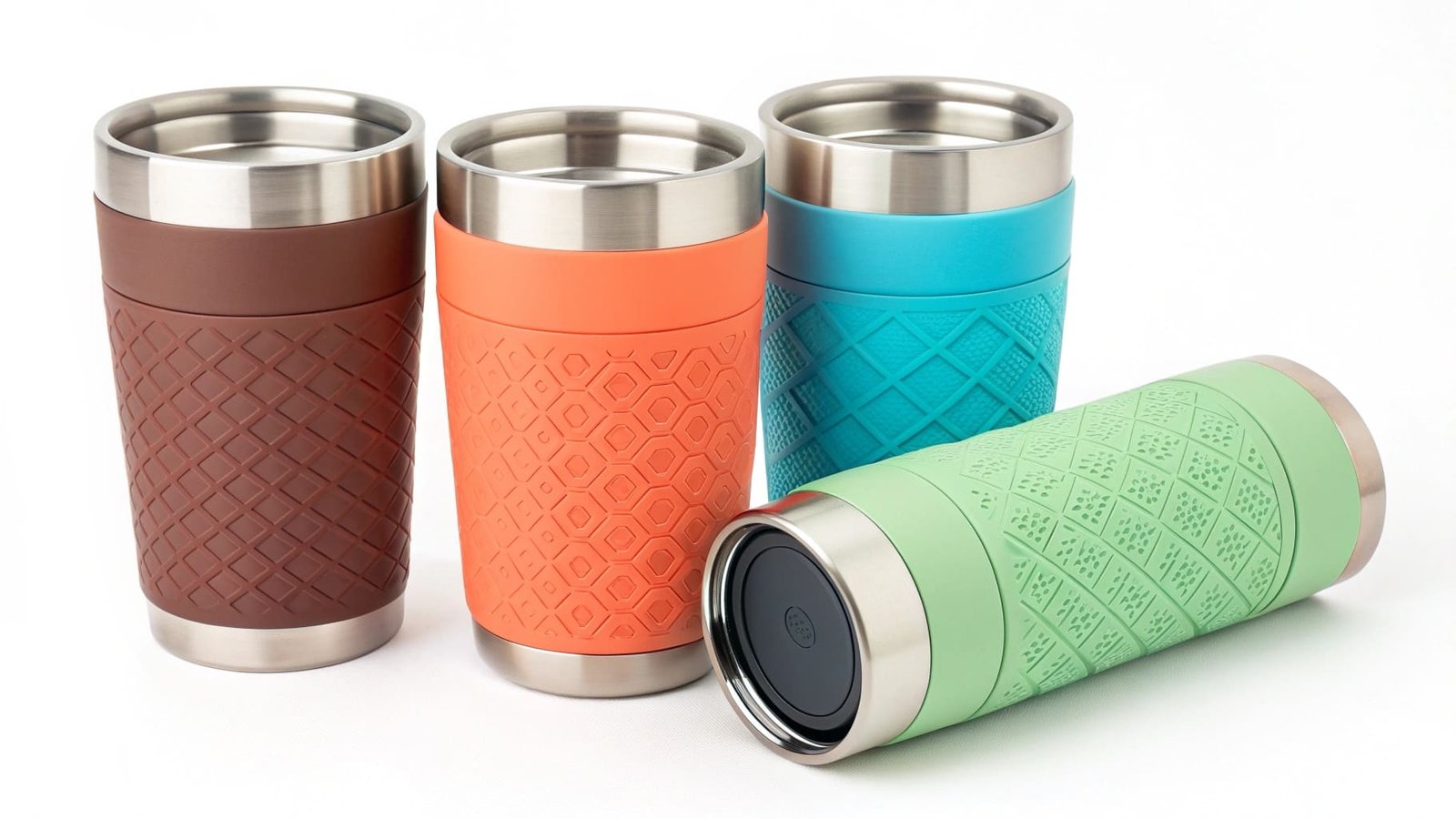
The Three Core Functions
Thermal Protection
This is the primary safety function. Hot coffee typically reaches 160-180°F when served. Without proper insulation, customers risk burns within seconds of holding the cup. I always tell buyers this is non-negotiable for liability reasons.
Different materials provide varying insulation levels:
| Material Type | Insulation Rating | Typical Use Case |
|---|---|---|
| Corrugated Paper | Basic (2-3 minutes) | Quick service restaurants |
| Silicone | Superior (15-20 minutes) | Premium coffee shops |
| Neoprene | High (10-15 minutes) | Retail merchandise |
| Recycled Fiber | Moderate (5-8 minutes) | Eco-conscious brands |
Grip Enhancement
I learned this matters more in drive-through operations. Smooth paper cups become slippery with condensation.5 The sleeve texture provides friction that reduces drop rates. For brands operating high-volume locations, this seemingly small detail cuts waste and improves customer experience.
Branding Real Estate
This is where buyers get creative. I work with startups who view the sleeve as their primary marketing tool. The visible surface area competes with the cup itself for brand messaging. Custom designs on silicone sleeves last through hundreds of uses6, making them walking advertisements.
Material selection directly impacts your cost structure. Corrugated paper costs pennies per unit for single-use applications. Silicone commands higher prices but delivers better performance and reusability. I have buyers who accept 300% higher costs for silicone because their customers demand sustainable options.
Why do coffee cup lids have a small hole?
A buyer once complained about "defective" lids with holes. I had to explain this was actually sophisticated engineering, not a manufacturing mistake. Understanding this detail helps you make better sourcing decisions.
The small hole in coffee lids provides pressure equalization to prevent vacuum formation and enables smooth liquid flow.7 This venting system must be precisely sized to balance functionality with spill prevention during transport.
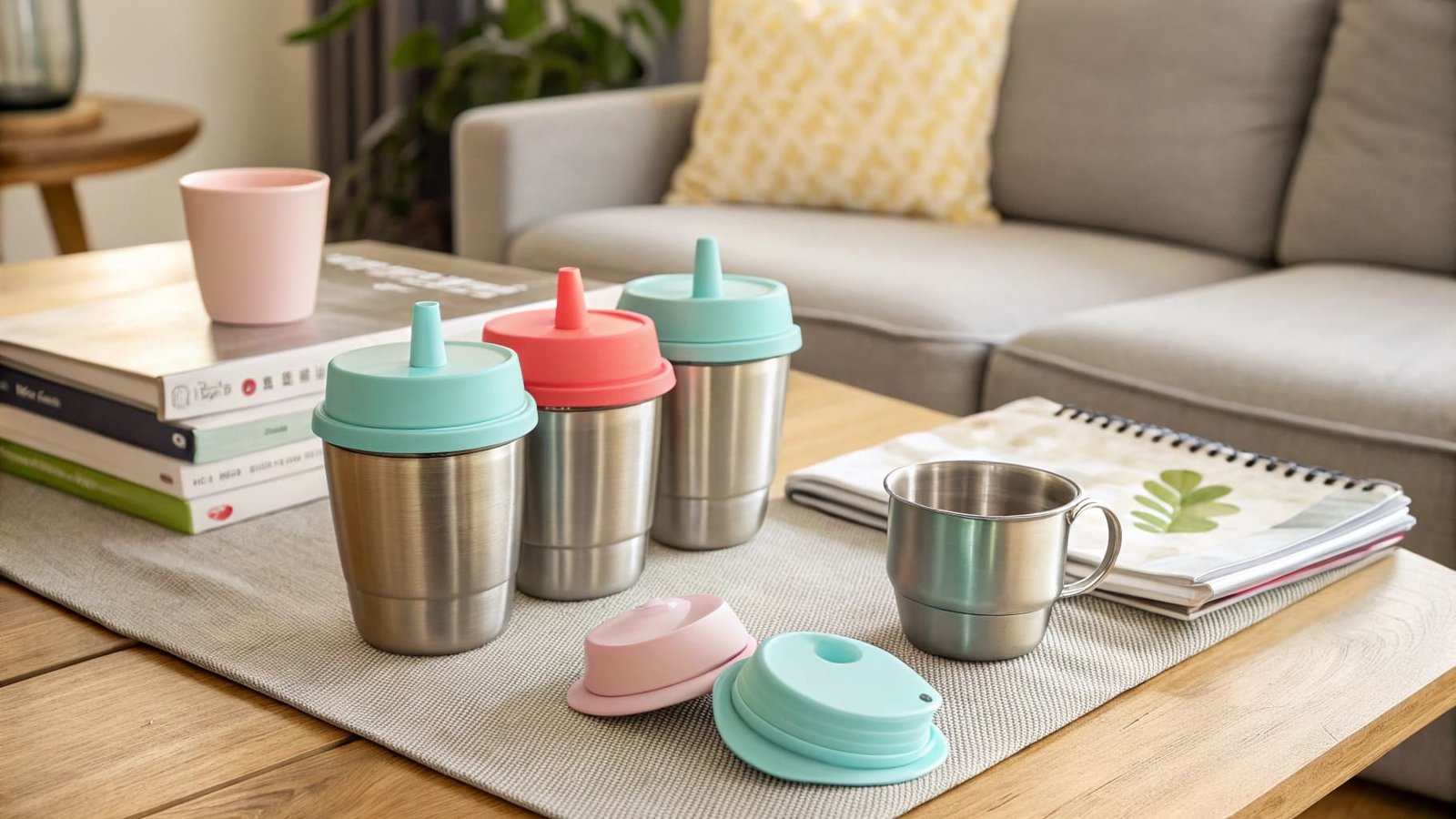
Engineering Behind the Vent Hole
Pressure Management
Hot coffee creates steam and pressure inside the cup. As the beverage cools or when someone drinks, air needs to replace the liquid volume. Without the vent hole, negative pressure builds up. This makes lids stick to cups or causes sudden splashing when opened.
I explain to buyers that hole diameter matters for their specific use case. Drive-through operations need smaller holes to prevent spills during transport. Dine-in service can use larger vents for easier drinking.
Drinking Experience
The hole allows air to enter as liquid exits through the drinking opening. This prevents the "glug-glug" effect you get with sealed containers. The smooth flow reduces spill risk and improves customer satisfaction.
Here is what matters for your sourcing strategy. The lid hole size must coordinate with your cup and sleeve choices:
| Component | Design Consideration | Impact on Hole Size |
|---|---|---|
| Cup Rim Thickness | Thicker rims need larger vents | Increases by 1-2mm |
| Sleeve Insulation | Better insulation allows smaller holes | Can reduce 20-30% |
| Distribution Channel | Transport distance affects requirements | Drive-through needs 30% smaller |
When I help buyers select lids, I always ask about their complete packaging system. A lid designed for bare cups may not work properly with thick silicone sleeves. The insulation changes cooling rates and pressure dynamics.
Professional manufacturers understand these interdependencies. I have worked with suppliers who provide complete beverage packaging systems. They test lid-cup-sleeve combinations together to ensure optimal performance. This holistic approach prevents the compatibility issues that plague buyers who source components separately.
For brands entering the bulk beverage packaging market, this technical knowledge separates successful launches from costly failures. The vent hole represents just one example of how seemingly simple components require sophisticated engineering for real-world performance.
Conclusion
Finding the right templates and understanding sleeve functionality helps you make smarter sourcing decisions. I hope these insights save you time and prevent the common mistakes I see buyers make regularly.
-
"Pattern Libraries That Sell: Seamless Repeats for Packaging ...", https://www.rmcad.edu/blog/pattern-libraries-that-sell-seamless-repeats-for-packaging-apparel/. A packaging-design or manufacturing reference can be cited to show that packaging dielines and templates are commonly distributed as downloadable vector, CAD, or PDF files for preparing print and production artwork; this would support the source-category claim contextually rather than prove the availability of every named platform. Evidence role: general_support; source type: institution. Supports: A neutral packaging, design, or manufacturing source should document that packaging templates or dielines are commonly distributed as downloadable vector, CAD, or PDF files for production preparation.. Scope note: Contextual support only; it may not independently verify each named website or platform. ↩
-
"Coffee cup sleeve - Wikipedia", https://en.wikipedia.org/wiki/Coffee_cup_sleeve. An encyclopedic or dictionary source can be cited to document recognized terminology for cup sleeves and related holders, including the modern coffee cup sleeve and the historical term zarf. Evidence role: definition; source type: encyclopedia. Supports: A neutral lexical or encyclopedia source should confirm that coffee cup sleeve, java jacket, and zarf are recognized terms related to holders or insulating sleeves for cups.. Scope note: The source may confirm recognized terms but not their relative frequency in B2B sourcing documents. ↩
-
"Zarf - Wikipedia", https://en.wikipedia.org/wiki/Zarf. A museum or academic source can be cited to show that ornate metal zarfs were historical coffee-cup holders in Middle Eastern or Ottoman coffee service, providing context for the modern terminology. Evidence role: historical_context; source type: institution. Supports: A museum or academic source should document historical zarfs or metal coffee-cup holders used in Ottoman, Middle Eastern, or related coffee cultures.. Scope note: This would support the historical background of zarfs, not prove that all coffee merchants used them. ↩
-
"Coffee cup sleeve - Wikipedia", https://en.wikipedia.org/wiki/Coffee_cup_sleeve. A packaging or product-design reference can be cited to support that cup sleeves are used to insulate hot beverage cups, improve handling, and provide a printable exterior surface for information or branding. Evidence role: general_support; source type: research. Supports: A packaging-design, ergonomics, or foodservice source should describe coffee cup sleeves as insulating holders that also provide handling and printed branding functions.. ↩
-
"Human-centred approaches in slipperiness measurement - PMC - NIH", https://pmc.ncbi.nlm.nih.gov/articles/PMC2895265/. An ergonomics or tribology source can be cited to support the mechanism that moisture on smooth surfaces reduces friction and can impair secure hand grip. Evidence role: mechanism; source type: paper. Supports: A materials or ergonomics source should show that moisture on smooth surfaces can reduce friction or affect grip security.. Scope note: The evidence may be general to wet surfaces rather than specific to disposable paper cups. ↩
-
"Progress in research on the safety of silicone rubber products in ...", https://pubmed.ncbi.nlm.nih.gov/37183940/. A materials-science reference can be cited to support silicone rubber's durability, heat resistance, and suitability for repeated handling and washing, which contextualizes claims about reusable sleeve longevity. Evidence role: general_support; source type: research. Supports: A materials-science or polymer reference should document silicone rubber's durability, heat resistance, and suitability for repeated use.. Scope note: General silicone durability does not directly prove that every printed custom design will survive hundreds of uses, because decoration method and washing conditions affect longevity. ↩
-
"Ever wondered why your coffee cup lid has that tiny hole ... - Instagram", https://www.instagram.com/reel/DMkta7ttT81/?hl=en. A fluid-mechanics reference can be cited to explain that venting permits air to replace displaced liquid, reducing pressure differentials and enabling smoother outflow from a covered container. Evidence role: mechanism; source type: education. Supports: A fluid-mechanics or engineering source should explain that a vent allows air to replace exiting liquid, preventing pressure differentials and improving flow.. Scope note: The source may explain the general mechanism rather than the exact design of commercial coffee lids. ↩