How to Create Custom Coffee Cup Sleeve Patterns for OEM Production?
I remember the first time a buyer asked me about custom coffee sleeve patterns. I felt confused about where to start. Every detail seemed critical but overwhelming at the same time.
Custom coffee cup sleeve patterns require proper dimensions, vector design files, and understanding of silicone molding techniques. The process involves measuring cup sizes, preparing artwork in AI or PDF format, and selecting appropriate decoration methods like silkscreen printing or debossing for OEM production.
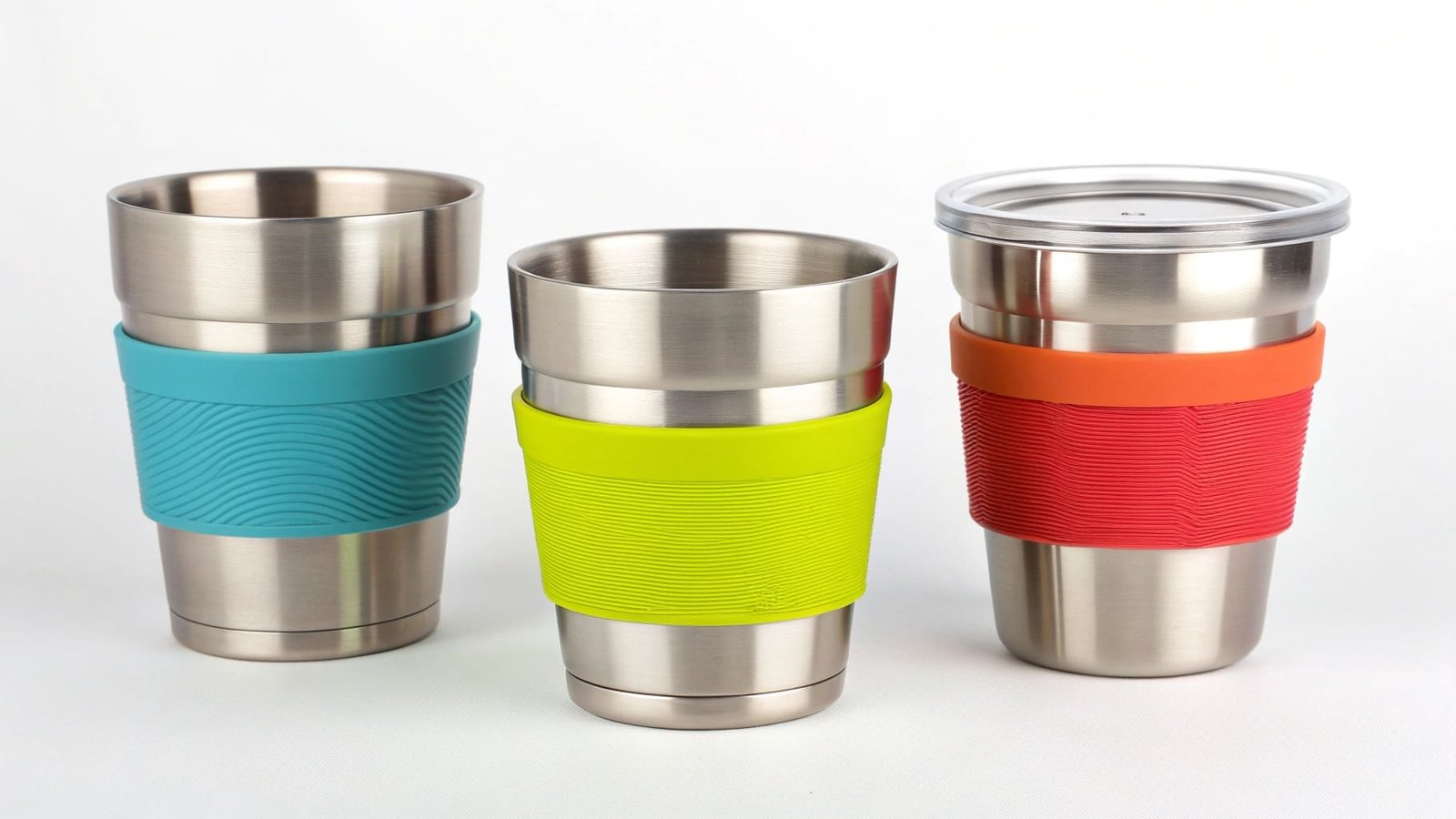
I learned this the hard way after working with hundreds of OEM buyers. Some struggled with sizing issues. Others faced problems with their artwork. But the ones who got these basics right? They launched successful products every time. Let me walk you through what I discovered about creating patterns that actually work for mass production.
What are the dimensions of a coffee cup sleeve?
Most buyers skip this step and regret it later. They assume all sleeves fit all cups. This mistake costs them time and money during production.
Standard coffee cup sleeves measure 2.5 to 3 inches in height and 9 to 10 inches in circumference when flat.1 These dimensions fit typical 12-16 oz cups, but custom sizing is often needed to match specific cup shapes and branding requirements.
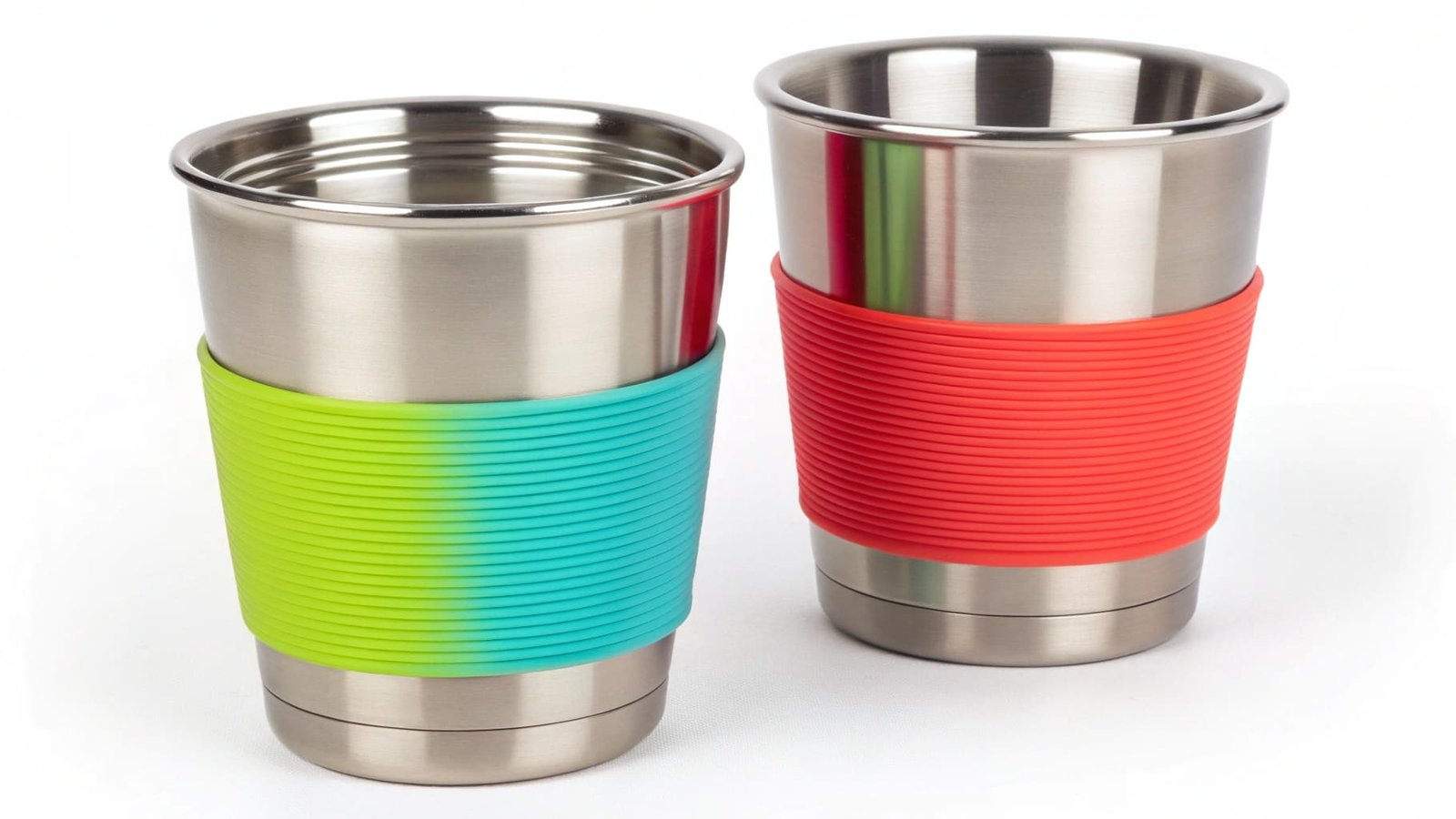
I always tell my clients to measure twice before ordering. The height seems simple, but you need to think about where the sleeve sits on the cup. Too high and it blocks the drinking area. Too low and it does not protect hands from heat.
The circumference is trickier with silicone sleeves. I have seen buyers order sleeves that match their cup circumference exactly. Then they wonder why the sleeves slip off. Silicone needs what we call negative ease. This means the sleeve should be 5-8% smaller than the cup circumference2. This creates the grip that keeps the sleeve in place.
Here is what I recommend for different cup sizes:
| Cup Size | Height | Flat Circumference | Stretch Factor |
|---|---|---|---|
| 8 oz | 2.5 inches | 8.5 inches | 5-6% negative ease |
| 12 oz | 2.75 inches | 9.5 inches | 6-7% negative ease |
| 16 oz | 3 inches | 10 inches | 7-8% negative ease |
| 20 oz | 3.25 inches | 11 inches | 7-8% negative ease |
The thickness matters too. Most silicone sleeves use 2-3mm thickness.3 Thinner feels cheaper. Thicker adds unnecessary weight and cost. I stick with 2.5mm for most orders. It balances insulation with flexibility.
What do I need to make designs on cups?
One buyer once sent me a photo from his phone. He expected me to print it on sleeves. I had to explain why that would not work for production.
You need vector artwork in AI or PDF format with minimum 300 DPI resolution for printed elements. The design must account for decoration methods like silkscreen printing, debossing, or overmolding. Include functional elements like grip patterns for both branding and safety.
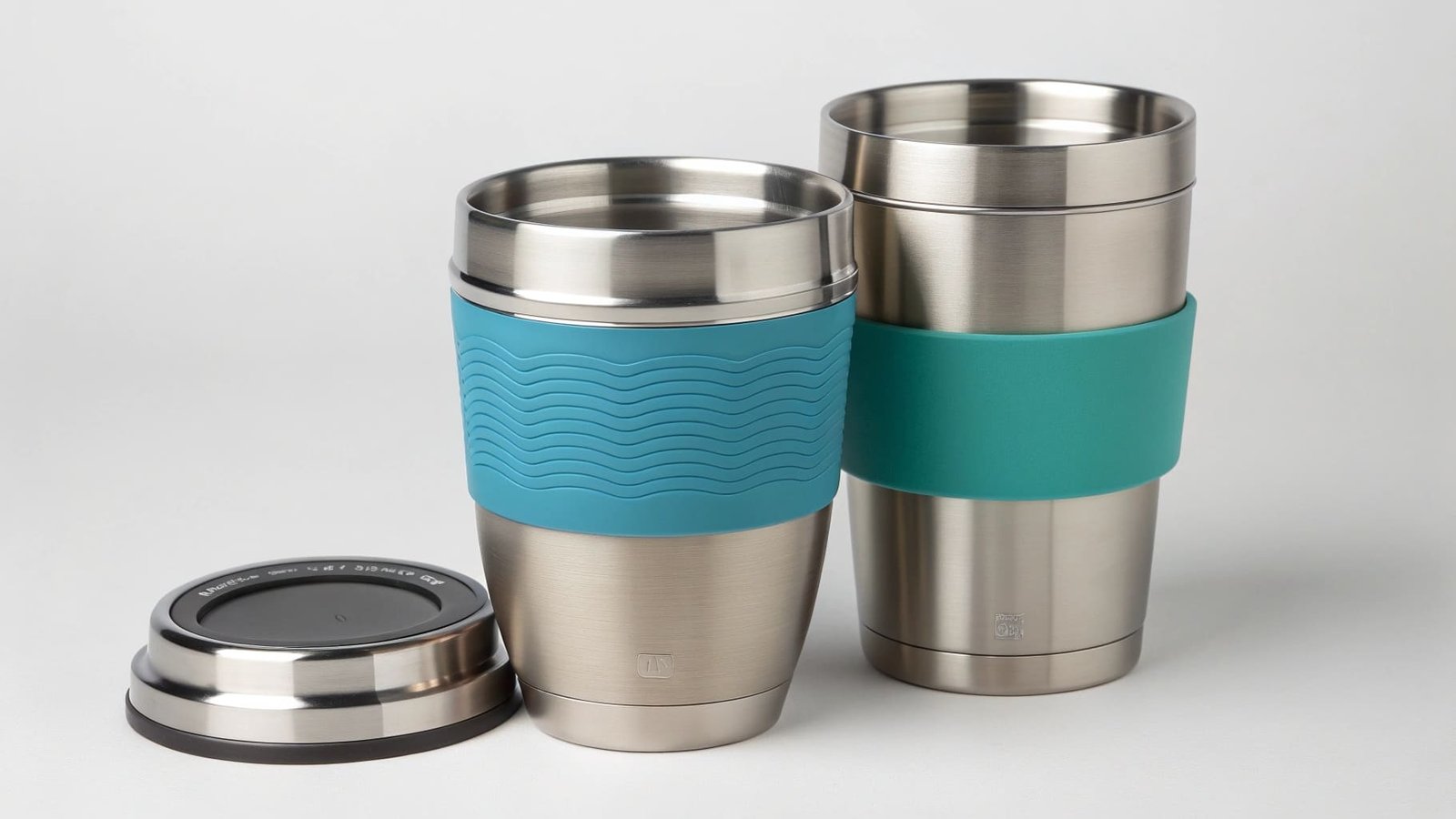
Let me break down what works for silicone sleeve production. First, your logo needs to be in vector format. This means AI, EPS, or PDF files from design software like Adobe Illustrator. Why? Because vectors scale without losing quality. We can make your logo any size during production without pixelation.
For colors, think differently than paper printing. Silicone printing uses Pantone colors. You pick specific color codes. This ensures consistency across batches. I recommend limiting designs to 2-3 colors. More colors increase cost and complexity.
The decoration method changes your design approach:
Silkscreen Printing: Best for flat logos and text. Works well for simple designs with solid colors. The minimum line thickness should be 0.5mm. Anything thinner might not print clearly.
Debossing: Creates a recessed impression. Perfect for premium brands. Your logo sinks into the silicone surface. This method does not use ink. The depth typically ranges from 0.3mm to 0.5mm.
Overmolding: Allows multiple silicone colors in one piece. You can create patterns or color blocks. This is the most expensive method but creates unique products.
Do not forget functional design elements. I always suggest adding grip textures. These can be small dots, lines, or patterns. They serve two purposes. First, they make the sleeve easier to hold. Second, they add visual interest. Many buyers overlook this until they test samples.
What are the different types of coffee sleeves?
I have watched the coffee sleeve market change dramatically. Ten years ago, buyers only asked about cardboard. Now the options seem endless.
Coffee sleeves come in three main types: cardboard for disposable use, silicone for reusable premium options, and neoprene for sporty applications.4 Silicone dominates the premium market due to superior heat insulation, durability, and ability to meet FDA and LFGB food-grade standards.
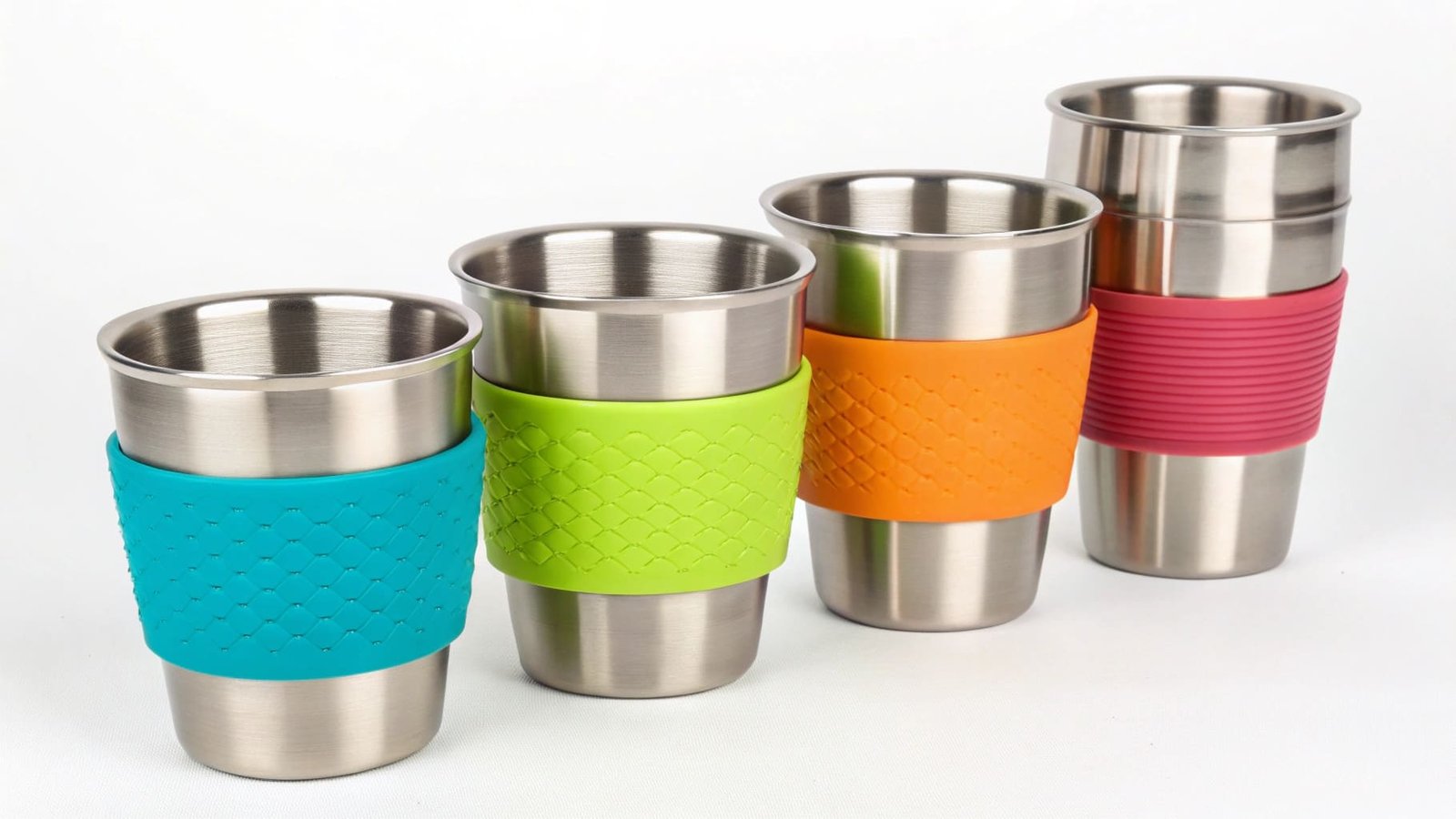
Let me share what I see in my daily orders. Cardboard sleeves still exist but they are losing ground fast. Coffee shops use them because they are cheap. But consumers increasingly reject single-use items. This shift creates opportunities for reusable sleeve suppliers.
Silicone sleeves took over the premium segment. Why? They last for years. They insulate better than cardboard. They clean easily in dishwashers. Most importantly, they align with sustainability messaging that Western consumers demand. I use platinum-cured silicone for all my products. This type meets FDA standards. It also passes LFGB certification required in Europe.5 Buyers need these certificates. Without them, they cannot sell in major markets.
Neoprene offers a different aesthetic. It feels softer and looks sportier. Some brands prefer it for active lifestyle positioning. But neoprene has limitations. It cannot handle high temperatures as well as silicone. It also wears out faster.
I am seeing new trends emerge:
Collapsible Designs: These sleeves fold flat for portability. Perfect for travelers and commuters. They take up minimal space in bags or pockets.
Integrated Handles: Some buyers request sleeves with built-in handles. This adds convenience but increases production complexity and cost.
Antimicrobial Treatments: Growing demand for hygiene features. We can add antimicrobial agents to silicone during production. This prevents bacteria growth between washings.
Multi-Size Adjustability: Smart designs that fit different cup sizes. These use adjustable bands or expandable sections.
The material choice affects your market positioning. Budget brands might use TPE (thermoplastic elastomer). It costs less but feels cheaper. Mid-range brands typically choose standard food-grade silicone. Premium brands demand platinum-cured silicone with special finishes or textures.
Think about your target market. North American buyers care deeply about certifications. European buyers ask about environmental impact. Asian markets often prioritize aesthetics and novelty features. I adjust my recommendations based on where my clients sell.
Conclusion
Creating custom coffee sleeve patterns requires understanding dimensions, preparing proper artwork, and choosing the right materials. Master these basics and your OEM production runs smoothly from the first order.
-
"How to Draft a Perfectly Fitting Cup Sleeve Pattern - YouTube", https://www.youtube.com/watch?v=tfoPivGIhig. Industry template and dieline references for takeaway cup sleeves commonly place sleeve heights and flat widths within this approximate range for 12-16 oz cups. Evidence role: general_support; source type: institution. Supports: Typical sleeve templates and dielines use dimensions in the stated range for common takeaway cup sizes.. Scope note: Template dimensions vary by cup manufacturer, taper angle, and intended sleeve position, so the source supports the range as common practice rather than a universal standard. ↩
-
"What material and interference fit is suitable for a wear sleeve on a ...", https://www.facebook.com/groups/769782850345135/posts/1753667065290037/. Elastomer design literature supports the use of limited stretch or interference to generate retention force in rubber-like sleeves; the 5-8% value should be treated as an application-specific design rule requiring sample validation. Evidence role: mechanism; source type: research. Supports: Elastomer fit design uses controlled tensile strain to create retention force, and the stated percentage falls within a plausible low-strain design range.. Scope note: Neutral sources may not verify this exact coffee-sleeve percentage directly; they are likely to support the underlying strain-design concept. ↩
-
"2Pcs Coffee Cup Sleeves, 2.8" Silicone Cup Protective Sleeve, Red", https://www.ebay.com/itm/397885158804. Public product and technical specifications for reusable silicone cup sleeves commonly report wall thicknesses in the low-millimeter range, consistent with the article's 2-3 mm statement. Evidence role: general_support; source type: other. Supports: Publicly available specifications for silicone cup sleeves commonly list thicknesses around 2-3 mm.. Scope note: This support may rely on aggregated specifications rather than a formal standard, so it documents market practice rather than a regulated requirement. ↩
-
"Customized Reusable Coffee Sleeves - Walmart.com", https://beta.walmart.com/c/kp/customized-reusable-coffee-sleeves. General references on cup sleeves and reusable drinkware accessories identify paperboard, silicone, and neoprene among the materials used for insulating hot-beverage cups. Evidence role: general_support; source type: other. Supports: Coffee sleeve materials include paper or cardboard for disposable sleeves and elastomeric or fabric-based materials for reusable sleeves.. Scope note: This supports the material categories but not the article's market-positioning labels such as 'premium' or 'sporty.' ↩
-
"The Difference Between FDA & LFGB Certified Silicone Products", https://www.justsmartkitchenware.com/the-difference-between-fda-lfgb-certified-silicone-products/. German LFGB provisions and EU food-contact-material regulations provide the legal context for assessing silicone articles intended for contact with food or beverages in European markets. Evidence role: definition; source type: government. Supports: Germany's LFGB governs food and feed code requirements relevant to food-contact materials, while EU food-contact rules also apply.. Scope note: LFGB is a German legal framework rather than a single Europe-wide certification, so the article's wording should be interpreted as market-compliance context rather than a universal EU requirement. ↩