Where to Source Silicone Waterproof Gasket Kits for Industrial Applications?
Finding the right supplier for industrial gaskets can make or break your production line. Wrong materials lead to leaks, downtime, and compliance headaches.
I source silicone waterproof gasket kits through manufacturers in China and Vietnam who hold FDA certifications1. The key is verifying material compliance documents before placing bulk orders. I always request CFR Title 21 documentation and third-party test reports to ensure the gaskets meet North American standards.
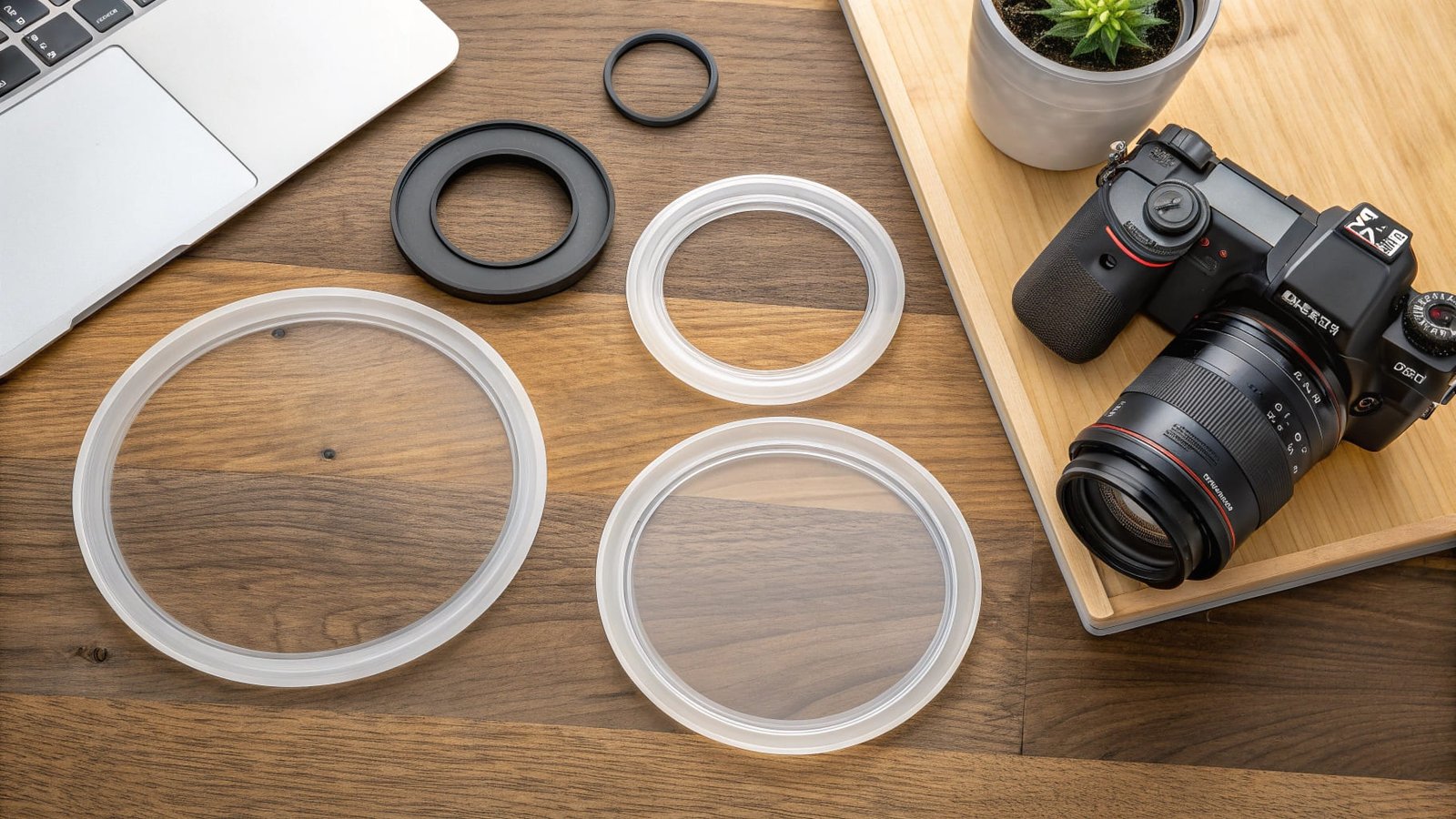
Last year, I worked with a Canadian distributor who learned this lesson the hard way. He ordered five thousand gasket kits without checking certifications. His customer rejected the entire shipment because the materials lacked proper FDA approval. That mistake cost him three months of lost sales and damaged his reputation with a major client.
What Gasket Material is FDA Approved?
You need FDA-compliant silicone when your gaskets touch food or beverages. Most industrial buyers miss this detail until it's too late.
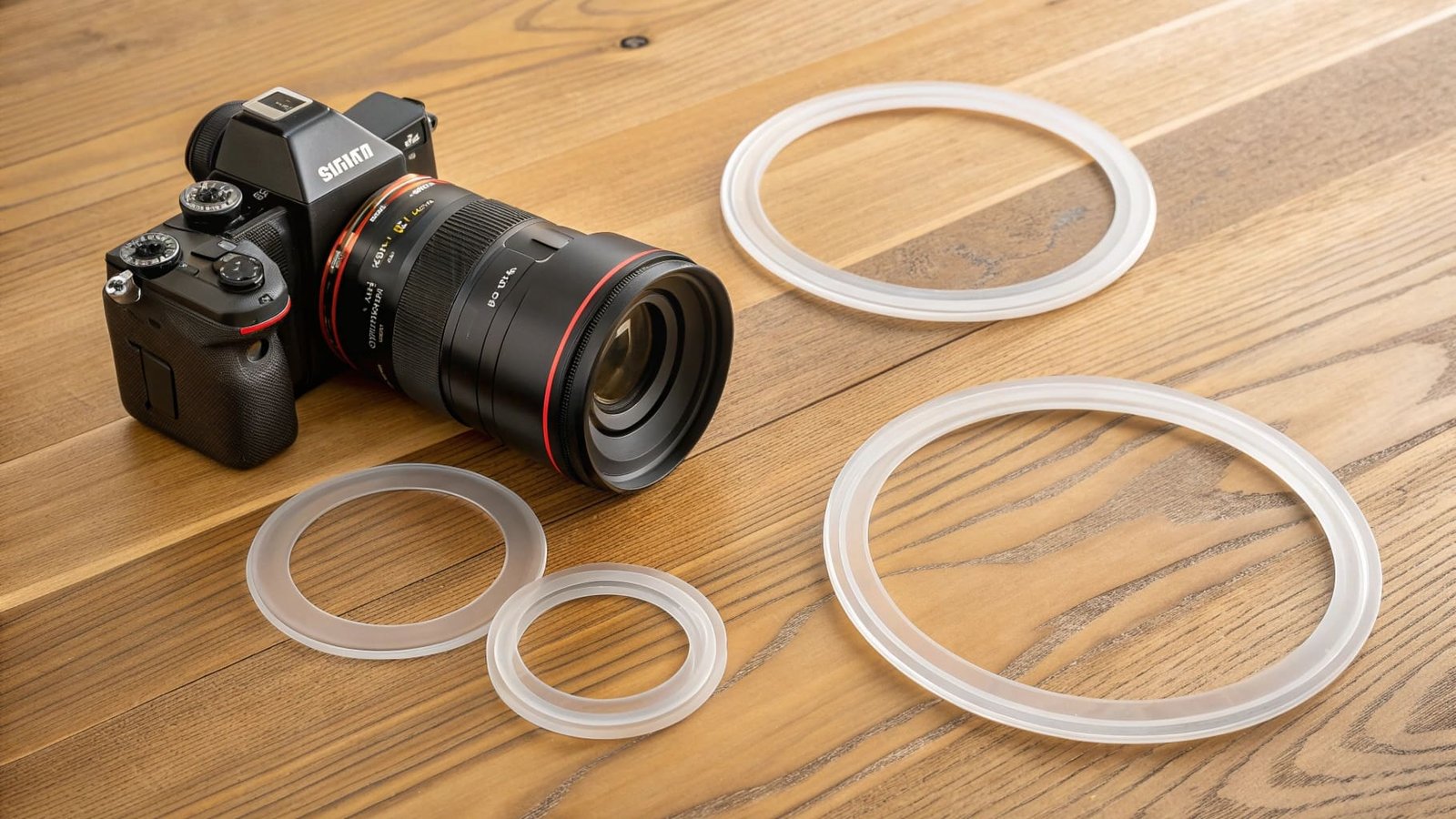
FDA-approved silicone gaskets2 comply with CFR Title 21 regulations. These materials contain no harmful additives and are safe for direct food contact. I verify compliance by requesting official material certifications from suppliers before committing to large orders.
Understanding FDA Compliance Requirements
The FDA sets strict standards for materials that contact food products. Silicone gaskets must meet specific requirements outlined in Code of Federal Regulations Title 21. This regulation defines which base materials, curing agents, and additives manufacturers can use. I learned early in my sourcing career that not all silicone is created equal. Some suppliers claim their products are food-grade but cannot provide proper documentation. When I evaluate new suppliers, I ask three specific questions. Can they provide original certificates from accredited testing labs? Do they have batch-level traceability? Can they supply material safety data sheets? These questions help me separate legitimate manufacturers from those cutting corners.
| Certification Type | What It Covers | Why It Matters |
|---|---|---|
| FDA CFR 21 | Material composition and safety | Required for food contact applications |
| NSF 51 | Drinking water system components | Needed for beverage processing equipment |
| ISO 10993 | Biocompatibility | Essential for medical device applications |
| REACH | Chemical substance restrictions | Mandatory for European market entry |
What are the Different Types of Silicone Gaskets?
Different gasket types solve different sealing problems. I match gasket specifications to my clients' specific equipment requirements and operating conditions.
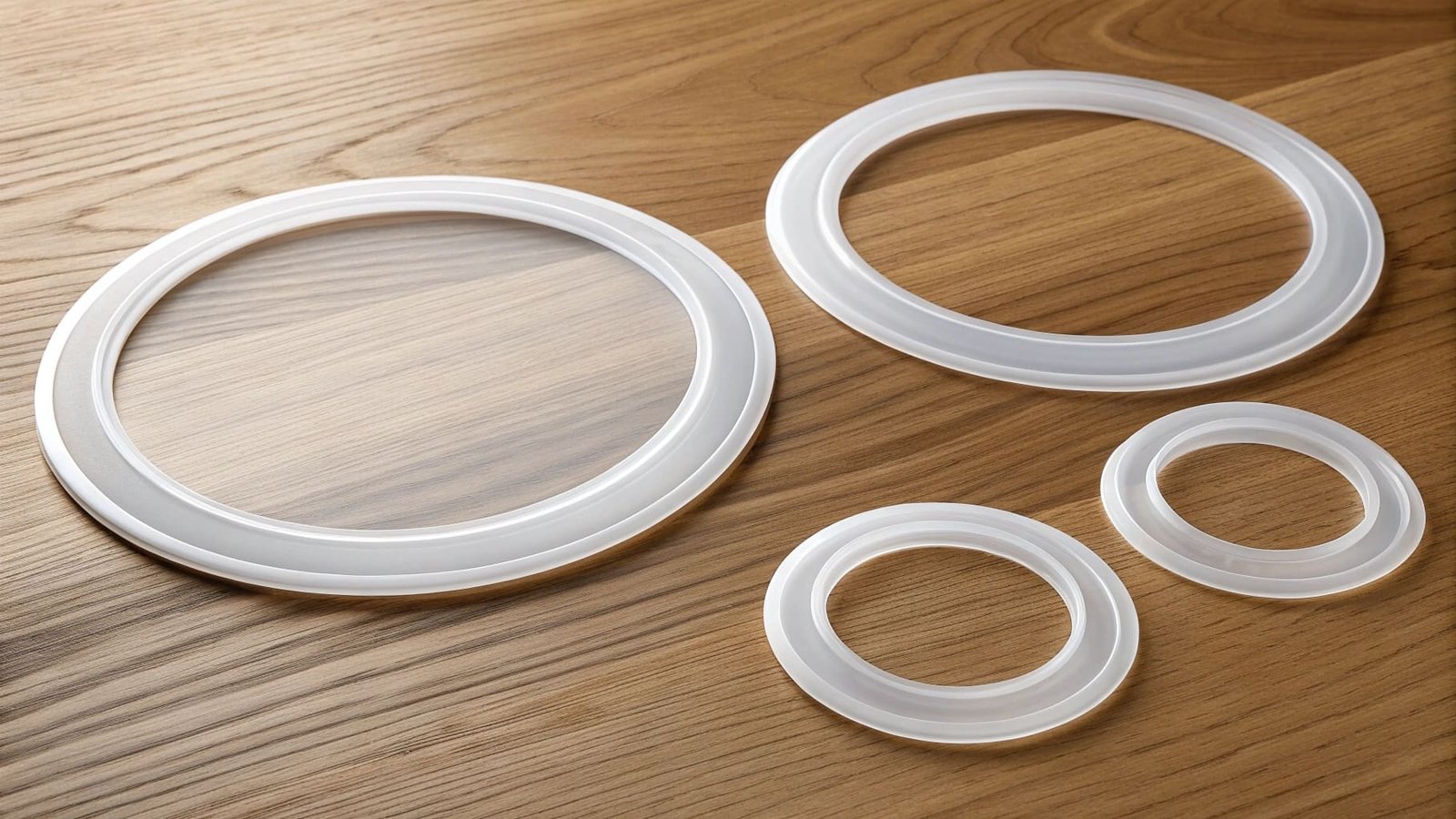
Solid silicone gaskets offer excellent compression and recovery properties. Sponge silicone gaskets provide better cushioning for irregular surfaces. Foam silicone gaskets deliver lightweight solutions with good insulation. Each type serves distinct industrial applications based on temperature, pressure, and surface conditions.
Matching Gasket Types to Your Application Needs
Solid silicone gaskets work best for equipment requiring frequent maintenance cycles. I recommend these to clients who need to open and reseal their equipment multiple times per week. The material bounces back to its original shape after compression. This means the gasket maintains its sealing capability through repeated use. One of my food processing clients uses solid silicone gaskets3 in their mixing tanks. They open the tanks three times daily for cleaning. After two years, the same gaskets still provide leak-free seals. Sponge silicone gaskets excel at sealing uneven surfaces. When equipment flanges have minor warping or surface irregularities, sponge gaskets compensate for these imperfections. They also dampen vibrations better than solid gaskets. I supplied sponge gaskets to a beverage bottling facility last spring. Their filling machines generated significant vibration during operation. The sponge gaskets reduced noise and prevented stress cracks in the equipment housing. Foam silicone gaskets combine light weight with thermal insulation properties. These gaskets work well in applications where weight matters or where you need to minimize heat transfer.
| Gasket Type | Key Properties | Best Applications | Temperature Range |
|---|---|---|---|
| Solid Silicone | High compression strength, excellent recovery | High-pressure seals, frequent maintenance | -40°F to 450°F |
| Sponge Silicone | Cushioning, vibration dampening | Irregular surfaces, low-pressure seals | -40°F to 400°F |
| Foam Silicone | Lightweight, thermal insulation | Weight-sensitive equipment, insulation needs | -40°F to 350°F |
When to Use Silicone on Gaskets?
Knowing when silicone outperforms other materials saves you money and prevents failures. Temperature extremes and environmental exposure determine whether silicone is your best choice.
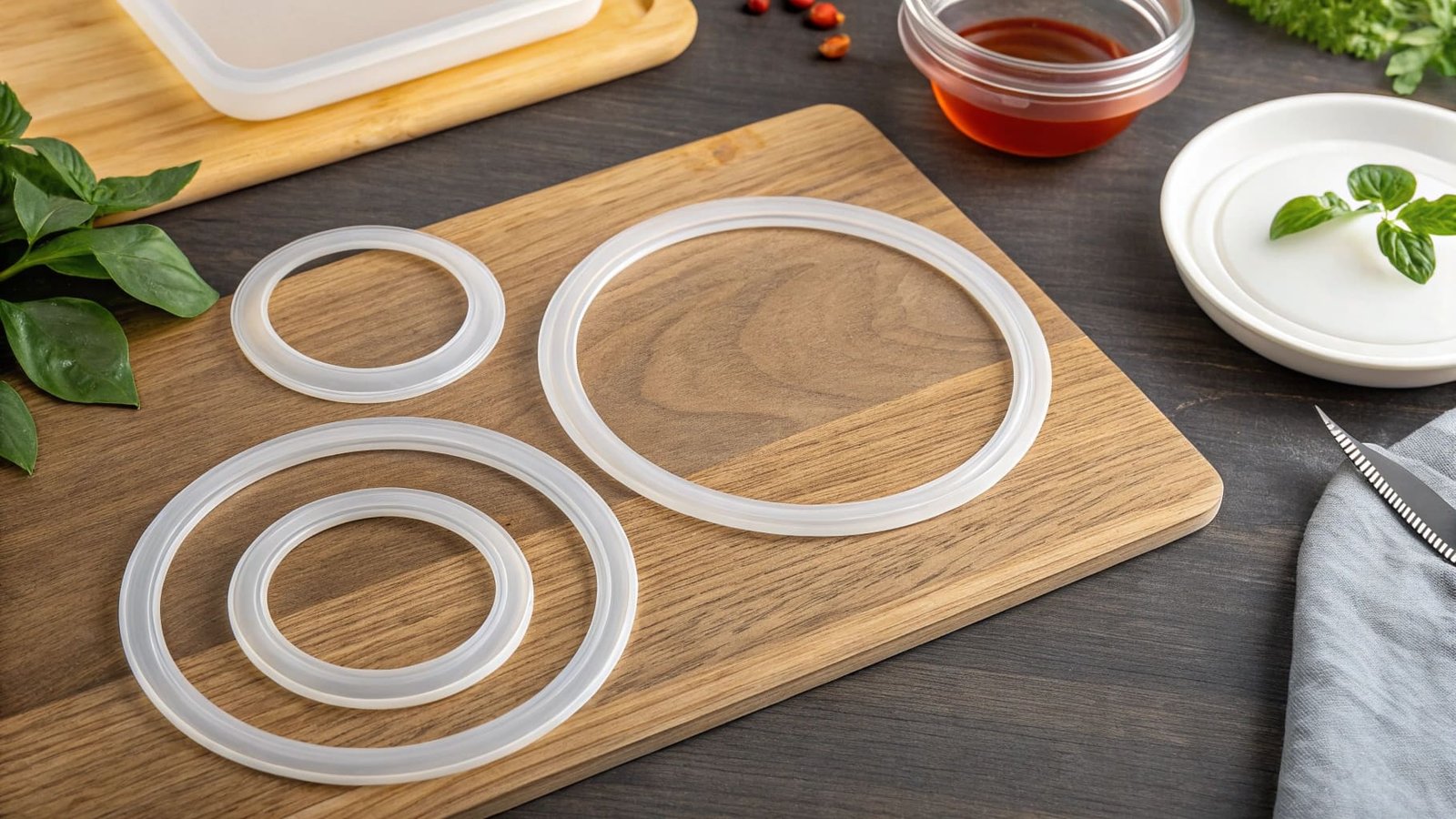
Silicone gaskets excel in extreme temperatures from minus forty to over four hundred degrees Fahrenheit. They resist ozone, UV radiation, and aging better than rubber gaskets. However, silicone fails with petroleum fluids or concentrated acids. I help buyers identify applications where silicone works and where alternatives perform better.
Evaluating Silicone Performance Against Operating Conditions
Temperature resistance makes silicone the top choice for many industrial applications. I worked with a bakery equipment manufacturer who needed gaskets for industrial ovens. Their operating temperature reached three hundred seventy degrees Fahrenheit. Standard rubber gaskets failed within weeks. We switched to high-temperature silicone gaskets. These gaskets lasted eighteen months before replacement. The silicone maintained flexibility through heating and cooling cycles. Chemical compatibility requires careful evaluation before selecting silicone. Silicone performs well with water-based solutions, alcohols, and most cleaning agents. I always warn clients about silicone's limitations. Petroleum oils, gasoline, and concentrated sulfuric acid break down silicone quickly. A maintenance manager once asked me about gaskets for diesel fuel pumps. I recommended Viton fluoroelastomer instead of silicone. That recommendation prevented what would have been a costly failure. Environmental factors also influence gasket material selection. Silicone resists ozone and UV radiation far better than natural rubber. Outdoor equipment exposed to sunlight needs silicone gaskets. I supplied gaskets for solar panel mounting systems last year. The UV exposure4 would have destroyed rubber gaskets within months. The silicone gaskets remain in perfect condition after twelve months of continuous sun exposure.
| Environmental Factor | Silicone Performance | Alternative Material | When to Switch |
|---|---|---|---|
| Extreme temperatures | Excellent | EPDM for lower temps | Never for high heat |
| Petroleum oils | Poor | Nitrile or Viton | Always for oil contact |
| UV exposure | Excellent | EPDM acceptable | Rarely needed |
| Ozone | Excellent | Neoprene | Never for ozone |
| Concentrated acids | Poor | PTFE or Kalrez | Always for acids |
Conclusion
I source quality silicone gasket kits by verifying certifications, understanding application requirements, and choosing suppliers who provide technical support and proper documentation.
-
Learn about FDA certifications to ensure your materials meet safety and compliance standards. ↩
-
Find out why FDA-approved silicone gaskets are essential for food safety in industrial applications. ↩
-
Learn about the advantages of solid silicone gaskets for high-pressure applications. ↩
-
Explore the impact of UV exposure on gasket materials and the benefits of using silicone. ↩