Why Do European Wholesalers Require REACH Testing for Silicone Products?
Last month, I lost a €50,000 order because I didn't have REACH certificates ready. The buyer needed them within 48 hours. I couldn't deliver fast enough.
European wholesalers require REACH testing because EU law bans products containing restricted chemicals. REACH certification proves your silicone products are safe and legal to sell. Without it, wholesalers face fines and cannot import your goods.

I learned this lesson the hard way. Now I keep all my REACH certificates updated and ready to share. Let me show you what I discovered about quality testing and why it matters for your business.
How to check silicon quality?
You receive a sample from a new supplier. It looks good and feels soft. But how do you know it's really high-quality silicone?
Check silicone quality through laboratory tests like FTIR spectroscopy and physical tests including burn tests and stretch tests. Professional buyers also review material safety data sheets and request third-party inspection reports1.
Laboratory Testing Methods
I use three main testing approaches when I evaluate new silicone materials. The first method is FTIR spectroscopy testing. This test identifies the exact chemical composition. It shows whether the material is pure silicone or contains fillers. The test takes about 30 minutes. The lab sends me a detailed report showing the molecular structure.
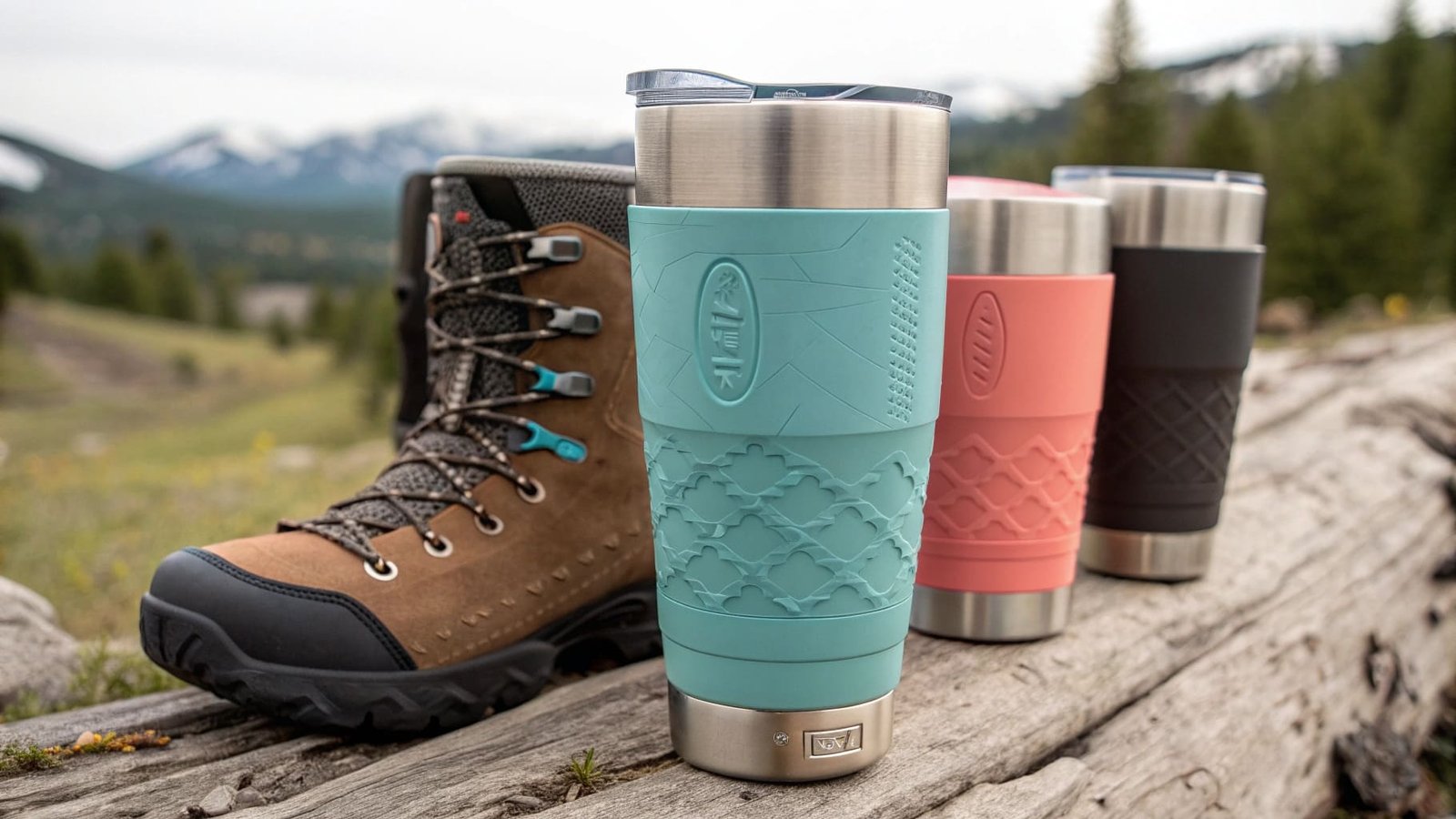
The second method is physical property testing. I send samples to test tensile strength, elongation rate, and tear resistance. These tests tell me if the silicone will perform well in real use. I once had a tumbler boot that passed the visual check. But the tensile test showed it would crack after 100 uses. I rejected that batch immediately.
The third method is checking for heavy metals. European buyers care about lead, cadmium, and other toxic elements. The lab uses ICP-MS testing. This test detects even tiny amounts of harmful metals. One time, I found a supplier using recycled silicone with lead contamination. The REACH test caught this problem before shipping.
Quick Field Tests
I also use simple tests at my factory. The burn test is my favorite quick check. I take a small piece and light it with a lighter. Good silicone burns slowly with white ash. Bad silicone creates black smoke and leaves dark residue. This test takes 2 minutes and saves me from bad suppliers.
Another field test is the stretch test. I pull the silicone as hard as I can. Quality silicone stretches 3 to 4 times its original length. It returns to shape without tearing. Cheap silicone breaks quickly or stays stretched out.
| Test Method | Time Required | Cost | What It Reveals |
|---|---|---|---|
| FTIR Spectroscopy | 30 minutes | $80-150 | Chemical composition, purity level |
| Tensile Testing | 1 hour | $50-100 | Strength, elasticity, durability |
| Heavy Metal Scan | 2-3 days | $200-300 | Safety compliance, REACH status |
| Burn Test | 2 minutes | Free | Basic material quality |
| Stretch Test | 1 minute | Free | Elasticity and recovery |
What is the ASTM test for rubber?
A Canadian buyer once asked me for ASTM D2000 reports. I had no idea what he meant. I almost lost his trust because I seemed unprofessional.
ASTM D2000 is a classification system for rubber and elastomer materials. It defines properties like hardness, tensile strength, temperature resistance, and compression set. The test report shows grade codes that indicate specific performance characteristics.
Understanding ASTM D2000 Classification
ASTM D2000 uses a coding system that looks complicated at first. The code starts with the letter M for metric units. Then comes a number showing the material type. For silicone rubber, we typically see type 2 or type 3.
The next part shows temperature resistance. The code uses letters from A to K. Each letter represents a different maximum temperature. Silicone usually gets a grade F or higher. This means it works at temperatures above 200 degrees Celsius. I always check this code when customers use my products for hot beverage tumblers.
The hardness comes next in the code. Durometer hardness ranges from 30 to 90 Shore A. My tumbler boots are usually 50 to 60 Shore A. This gives good grip without being too stiff. The code also includes tensile strength requirements. Better grades need higher tensile strength. My premium products meet grade M2HK710 specifications.
Why Buyers Request ASTM Reports
Professional buyers ask for ASTM reports because the reports provide standardized data. When I send an ASTM D2000 report, the buyer understands exactly what my product can do. They compare my report with their requirements. This saves time in technical discussions.
I remember a procurement officer from a large chain store. He needed tumbler accessories that could handle dishwasher cycles. The ASTM report showed my silicone maintains properties after 500 hours at 100 degrees Celsius. He placed the order the same day. The standardized test data gave him confidence.
Some buyers also use ASTM reports to avoid disputes. If my product fails in use, they check the test report. The report shows whether the failure happened because of misuse or product defects. This protects both sides. I now include ASTM reports with every sample shipment.
| ASTM Grade Code | Maximum Temperature | Hardness Range | Typical Application |
|---|---|---|---|
| M2BC | 70°C | 40-50 Shore A | Cold storage seals |
| M2FK | 200°C | 60-70 Shore A | Standard tumbler boots |
| M2HK | 225°C | 70-80 Shore A | High-heat applications |
| M2KK | 250°C | 50-60 Shore A | Industrial gaskets |
How to tell if something is 100% silicone?
I once received a complaint from a European distributor. Their customer claimed my silicone lid smelled like plastic. The lab test revealed the supplier mixed 30% TPE with the silicone.
You can tell if something is 100% silicone through FTIR spectroscopy testing, which identifies exact chemical composition. Physical indicators include no plastic smell, white ash when burned, and complete shape recovery after stretching. Request material safety data sheets2 and third-party lab certificates.
Laboratory Verification Methods
FTIR spectroscopy is the most reliable test for verifying 100% silicone. The test uses infrared light to identify molecular bonds. Pure silicone shows specific peaks on the spectrum graph. If the graph shows additional peaks, the material contains other substances. I pay about $120 per FTIR test. This investment protects my reputation.
I also use DSC testing for temperature analysis. Pure silicone has a specific melting behavior. The DSC machine heats the sample and records temperature changes. Mixed materials show different thermal patterns. This test caught a supplier who blended silicone with rubber. The DSC curve showed two distinct melting points instead of one.
Another method is TGA testing. This test burns the sample in controlled conditions. It measures weight loss at different temperatures. Pure silicone leaves about 20% white residue after burning. If the residue is much higher or lower, the material is not pure. One batch I tested left 45% residue. The lab found the supplier added calcium carbonate filler.
Practical Verification Tips
I teach my quality control3 team several quick checks. The smell test is simple but effective. Pure silicone has almost no smell. If the product smells like plastic or rubber, it's not pure silicone. I once rejected an entire shipment because the tumbler boots had a strong chemical odor.
The flexibility test also helps. I fold the material completely and hold it for 10 seconds. Pure silicone unfolds immediately without creases. Mixed materials keep fold marks. This test works well for seals and gaskets.
The static test is another useful method. I rub the product on my clothes to create static electricity. Pure silicone does not attract dust or lint. Plastic-mixed materials stick to small particles. This test takes 30 seconds and reveals cheap alternatives quickly.
Documentation Requirements
Professional buyers want written proof of material purity. I provide three documents with each order. The first is the material safety data sheet. This document lists all components and their percentages. European buyers check this carefully against REACH requirements.
The second document is the third-party lab report. I use SGS or Intertek for testing. The report includes FTIR results, DSC analysis, and heavy metal scans. These reports cost $500 to $800 per product line. I update them yearly to maintain customer confidence.
The third document is my factory's quality control certificate. This certificate states that we tested random samples from the production batch. It includes test dates, batch numbers, and inspector signatures. One customer told me this certificate helped him win a tender because it showed consistent quality management.
| Verification Method | Accuracy Level | Cost Range | Best Used For |
|---|---|---|---|
| FTIR Spectroscopy | 99% | $100-150 | Chemical composition |
| DSC Analysis | 95% | $80-120 | Thermal properties |
| TGA Testing | 95% | $90-130 | Purity percentage |
| Smell Test | 70% | Free | Quick screening |
| Burn Test | 75% | Free | Field verification |
| Flexibility Test | 65% | Free | Basic quality check |
Conclusion
REACH testing and quality verification protect your business from costly mistakes. I maintain complete documentation and regular testing. This approach wins trust and secures long-term partnerships with European wholesalers.