Which Neoprene Sponge Rubber Gaskets Offer the Best Value for Tumbler OEM Projects?
I have seen many OEM buyers struggle with gasket selection. Wrong choices lead to leaks, customer complaints, and wasted money. The right neoprene gasket can solve these problems and protect your profit margins.
Closed-cell sponge neoprene gasket1s with 200-400 kg per cubic meter density offer the best value for tumbler OEM projects. They balance cost, sealing performance, and durability better than premium silicone or budget alternatives while maintaining competitive pricing.
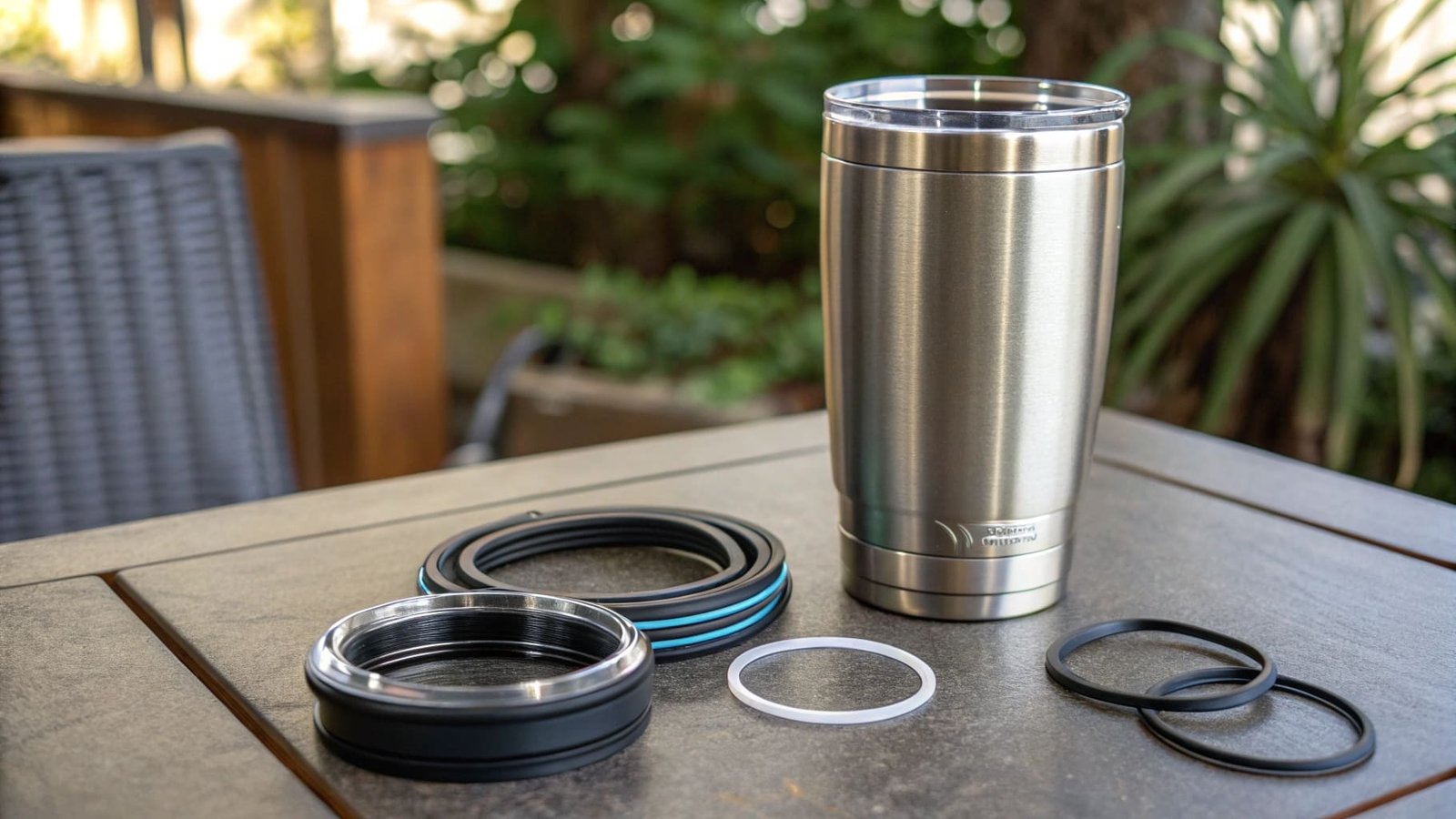
After working with hundreds of tumbler manufacturers, I learned that material choice directly affects your bottom line. I have tested different gasket types across various price points. Some performed poorly despite high costs. Others exceeded expectations at moderate prices. The findings surprised me. Let me share what actually works for OEM buyers who need results without overspending.
Which is better neoprene gasket or EPDM gasket?
Choosing between these two materials confuses many buyers I talk to. Your production costs and product quality hang in the balance. I can tell you the choice depends entirely on your specific tumbler application.
For most tumbler applications, neoprene gaskets perform better than EPDM. Neoprene handles coffee oils and acidic drinks more effectively. It costs 15-25% less than EPDM while delivering adequate sealing performance for indoor-use tumblers.
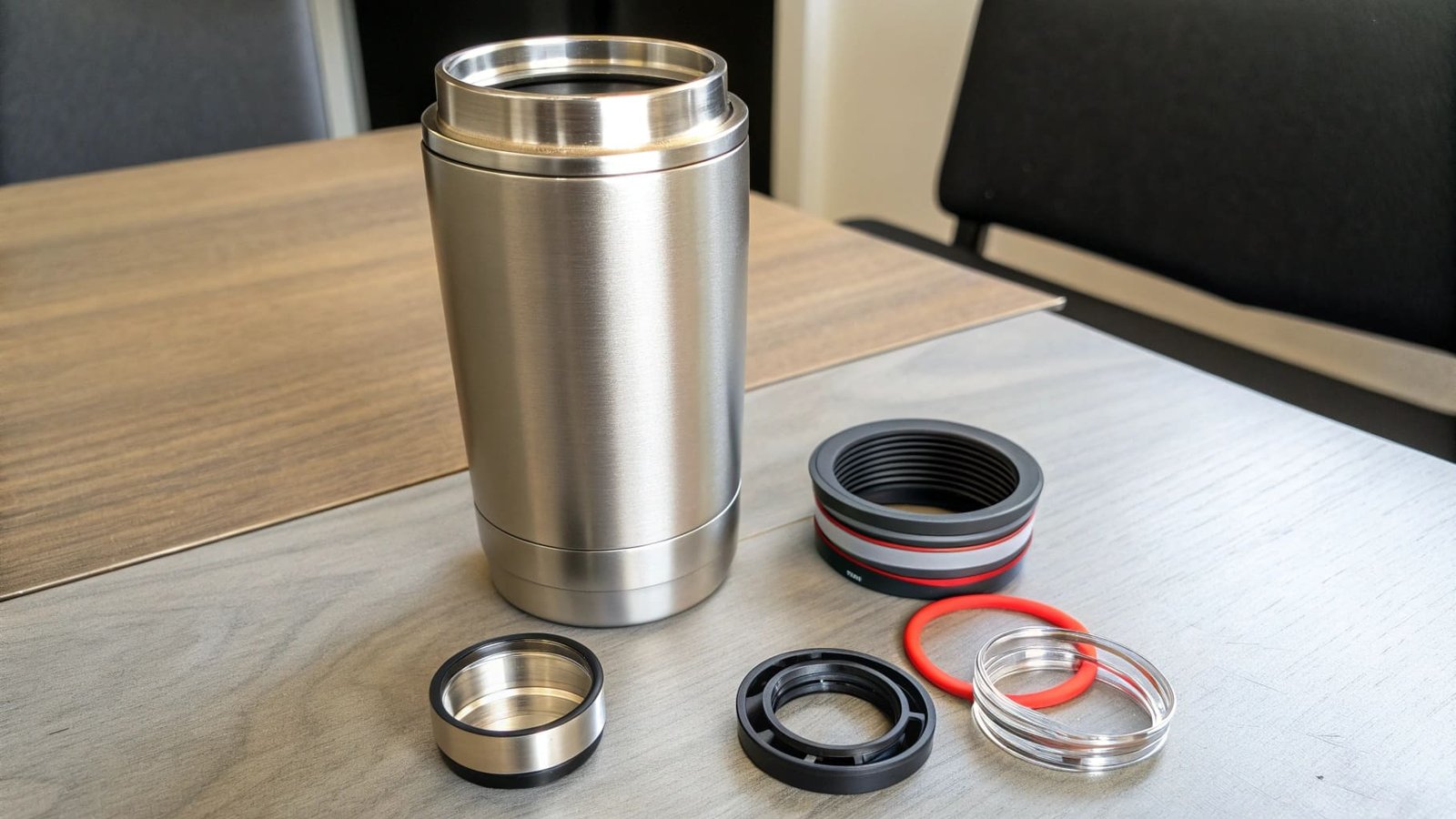
I remember working with a Canadian buyer who switched from EPDM to neoprene last year. He was worried about quality drops. The opposite happened. His warranty claims actually decreased by 18%. The reason was simple. His customers used tumblers mostly indoors for coffee and tea. Neoprene's oil resistance proved more valuable than EPDM's heat resistance.
EPDM does have its place though. I recommend it for outdoor tumbler lines. It withstands UV exposure better. It tolerates higher temperatures. If your target market includes hikers or construction workers, EPDM makes sense. The material stays stable under direct sunlight. It does not degrade as quickly as neoprene in extreme heat.
Here is how these materials compare for tumbler applications:
| Feature | Neoprene | EPDM | Best For |
|---|---|---|---|
| Oil Resistance | Excellent | Poor | Coffee tumblers |
| Heat Resistance | Good (up to 90°C) | Excellent (up to 120°C) | Hot beverage holders |
| UV Stability | Moderate | Excellent | Outdoor bottles |
| Chemical Compatibility | Broad range | Limited acids | Multi-use drinkware |
| Cost per unit | Lower | Higher | Budget-conscious projects |
| Compression set | Better | Good | Repeated wash cycles |
The cost difference matters more than you might think. On a 10,000-unit order, switching to neoprene can save you $800 to $1,500. That money can go toward better molds or faster shipping. I have seen buyers use these savings to offer more competitive retail prices. This helped them win larger contracts.
What are the different types of neoprene gaskets?
Many suppliers list neoprene gaskets without explaining the variations. This creates confusion during procurement. I want to clear this up because the type you choose affects both performance and user experience.
Three main types dominate the tumbler market: solid neoprene, closed-cell sponge neoprene, and fabric-reinforced neoprene. Closed-cell sponge neoprene offers the best combination of compression, recovery, and moisture resistance for most tumbler lid applications.
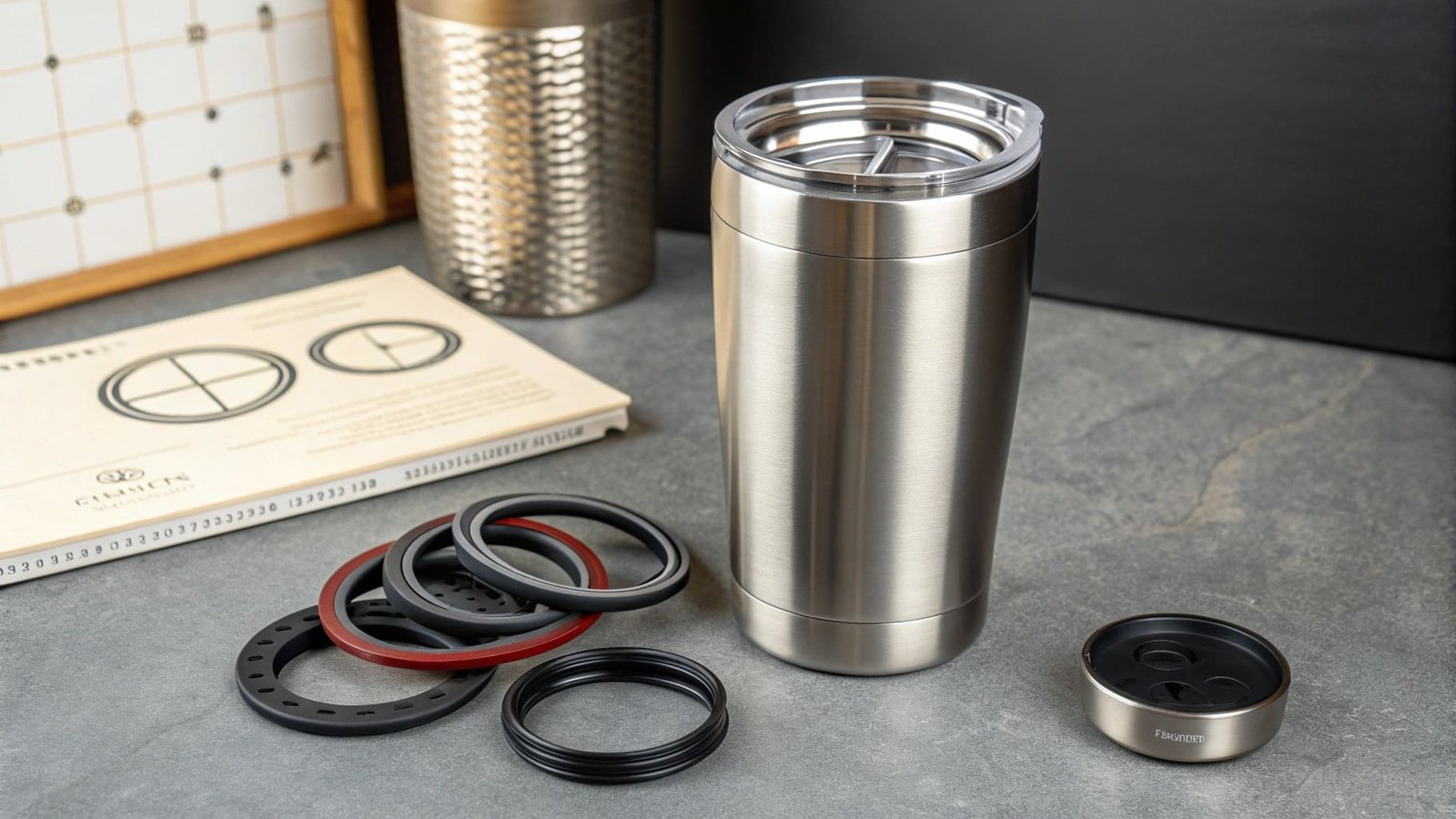
Solid neoprene gaskets provide the tightest seal. They compress less than sponge versions. This makes them ideal for high-pressure applications. I recommend solid neoprene for vacuum-insulated tumblers where maintaining pressure differences is critical. The downside is user experience. Lids with solid neoprene2 gaskets require more force to close. Some customers find this difficult.
Closed-cell sponge neoprene is what I use for most projects. The closed-cell structure prevents water absorption. This matters for dishwasher-safe tumblers. The material compresses easily but springs back to its original shape. Users can open and close lids without struggle. The gasket maintains its seal through hundreds of cycles.
Density makes a huge difference within sponge neoprene. Lower density (200-250 kg/m³) creates softer gaskets. These close easily but may lose sealing power faster. Higher density (350-400 kg/m³) provides firmer seals. They last longer but need more closing force. Most of my clients choose medium density (280-320 kg/m³) for the best balance.
Fabric-reinforced neoprene adds a layer of fabric backing. This increases tear resistance. I suggest this type for tumblers with rough lid edges or aggressive threading. The fabric prevents the gasket from being pulled out during lid removal. It costs about 20% more than standard sponge neoprene. The extra cost pays off for premium product lines.
I learned this the hard way three years ago. A buyer ordered standard sponge gaskets for a textured lid design. The gaskets tore within weeks. We switched to fabric-reinforced versions. The problem disappeared. Sometimes paying a bit more upfront saves much more in the long run.
Which is better PU foam gasket or neoprene gasket?
This question comes up constantly in my conversations with OEM buyers. The answer is not simple. I need to consider how your customers will use the tumblers and how long you want them to last.
For daily-use tumblers3, neoprene gaskets outperform PU foam significantly. Neoprene maintains sealing integrity through repeated washing and temperature changes. PU foam provides softer cushioning but degrades faster with regular use and exposure to moisture.
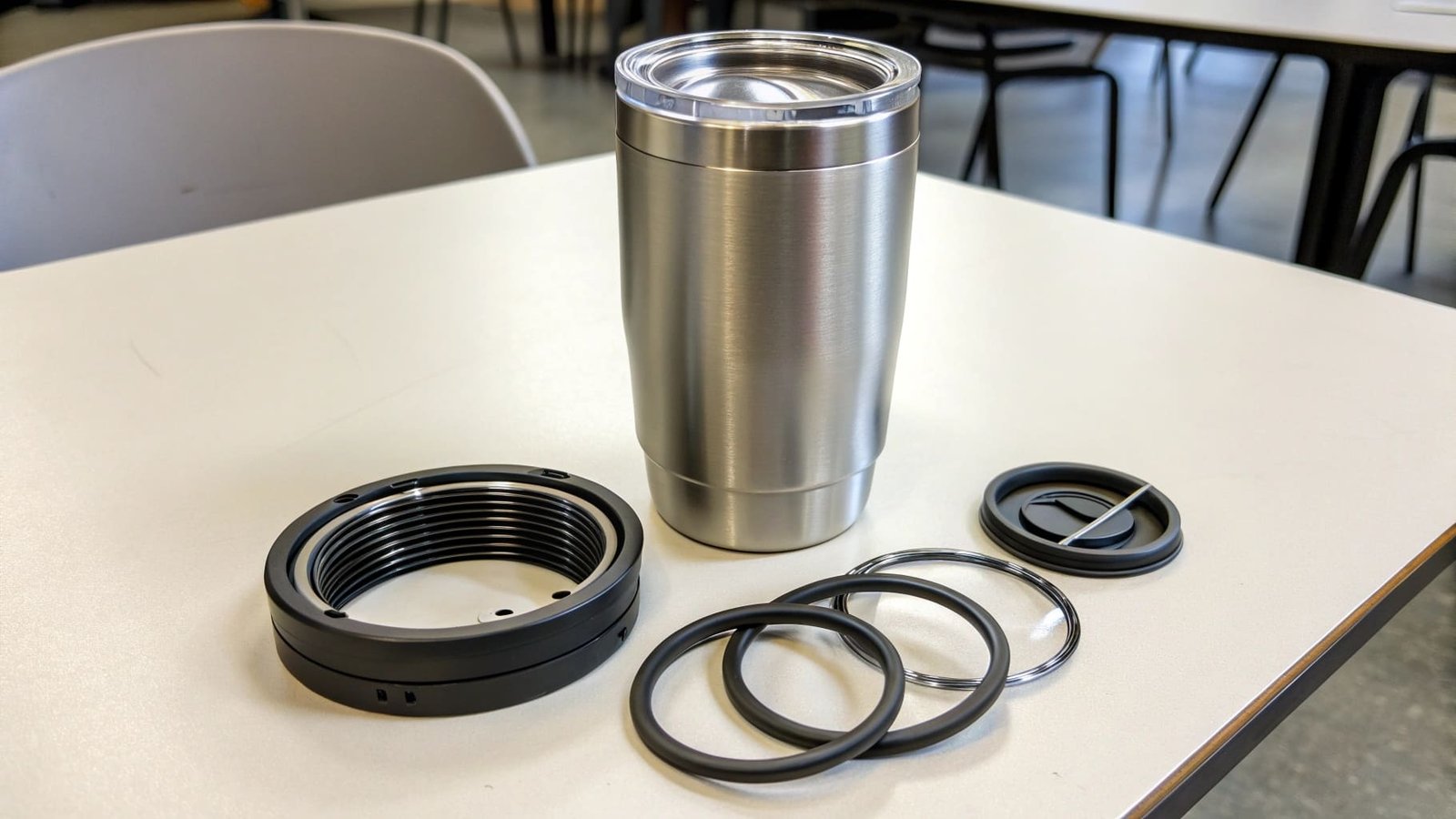
PU foam feels nice when customers first use it. The lid closes with a soft, cushioned feel. This appeals to users who value smooth operation. The compression force is low. Even children can open and close these lids easily. I have worked with promotional tumbler projects where this soft feel created positive first impressions.
The problems appear later. PU foam absorbs moisture over time. Even closed-cell versions show some absorption. After 50-100 wash cycles, I notice the gaskets start losing their spring. They compress but do not bounce back fully. The seal becomes less reliable. Leaks start happening. Customer complaints increase.
Neoprene behaves differently. It resists moisture absorption better. The material handles temperature swings from dishwashers without breaking down. I tested this myself with tumblers from different suppliers. After 200 wash cycles, quality neoprene gaskets maintained 85-90% of their original sealing force. PU foam gaskets dropped to 60-70%.
Here is what I tell my buyers about application choices:
Choose neoprene when:
- Your tumblers target daily users
- Dishwasher safety is a selling point
- Product warranty extends beyond six months
- Your brand emphasizes durability
- Customers will use tumblers in varied conditions
Choose PU foam when:
- Products are for promotional giveaways
- Expected lifespan is under six months
- Easy opening matters more than long-term sealing
- Budget constraints are very tight
- Target market values initial feel over longevity
The cost difference is minimal. PU foam might save you 5-10% per gasket. This seems attractive at first. Then I calculate total costs including warranty claims and reputation damage. Neoprene usually proves cheaper overall for products meant to last.
I remember a buyer who insisted on PU foam to save $0.03 per unit. His 20,000-unit order saved him $600. Six months later, he spent $4,000 handling returns and replacements. The math was clear. Sometimes the cheapest option costs the most.
Conclusion
Closed-cell sponge neoprene gaskets with medium density deliver the best value for tumbler OEM projects. They balance performance, durability, and cost effectively while meeting most market segment requirements.
-
Explore the advantages of neoprene gaskets for OEM projects, including cost savings and performance benefits. ↩
-
Explore the benefits of solid neoprene gaskets for high-pressure applications and their sealing capabilities. ↩
-
Discover the best gasket options for daily-use tumblers to ensure longevity and customer satisfaction. ↩