Can Silicone Gaskets Replace Traditional Materials in Waterproof Tumbler Designs?
I see many buyers struggle with leaking tumblers. Their customers complain. Returns pile up. The old gasket materials fail.
Yes, silicone gaskets can completely replace traditional materials in waterproof tumbler designs. Silicone outperforms rubber, cork, and paper gaskets in temperature resistance, durability, and hygiene. I have supplied silicone gaskets1 to brands across North America and Europe for over ten years.
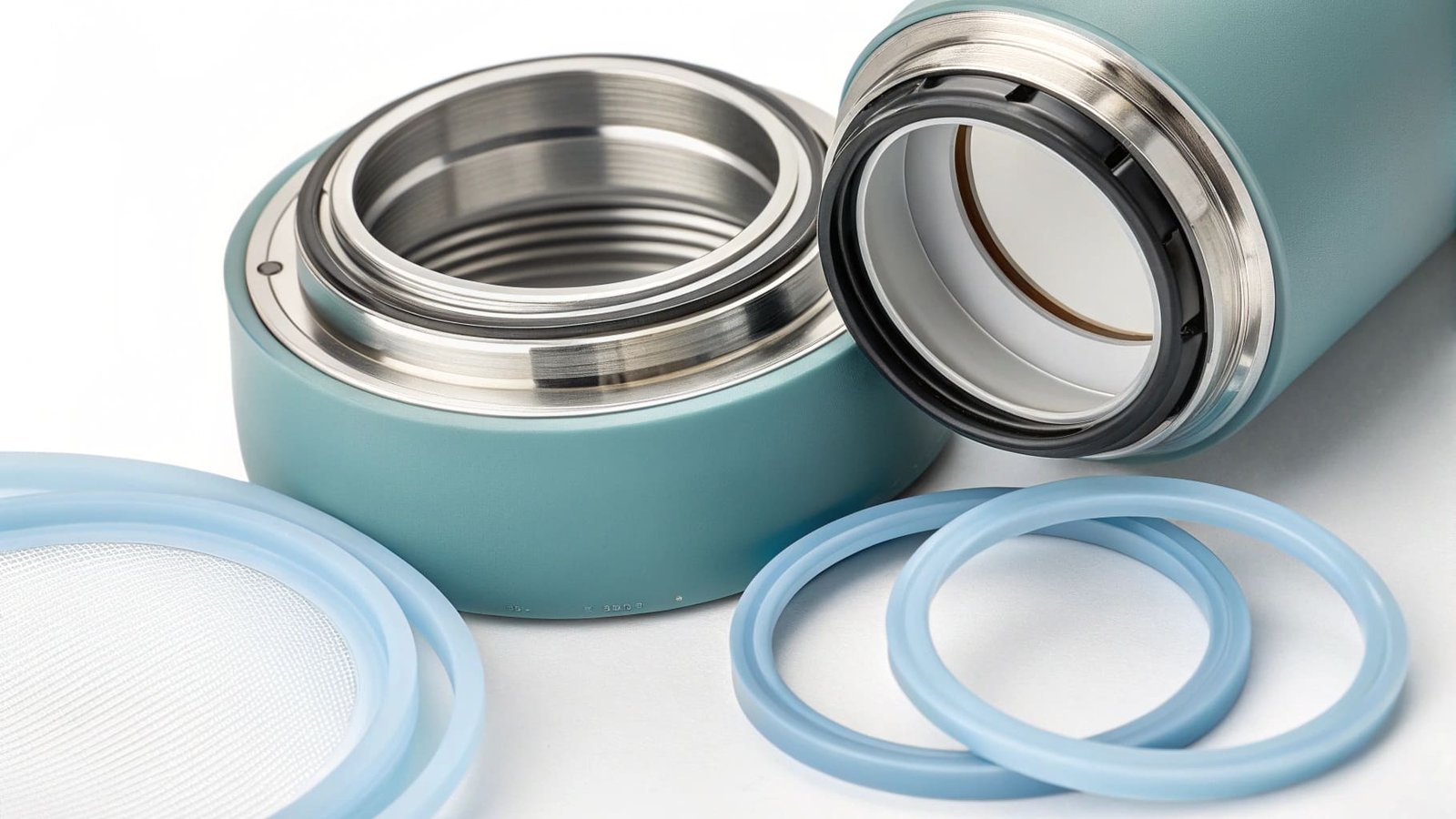
I started silijoy because I saw this problem everywhere. Buyers would order thousands of tumblers with rubber gaskets. Three months later, they called me. The gaskets cracked. Customers returned products. Their reputation suffered. I knew silicone could solve this.
Can I use silicone instead of gasket?
Traditional gaskets fail when you need them most. Your customers drink hot coffee one day and iced water the next. The gasket cracks. You lose sales.
You can use silicone to replace any traditional gasket material in tumblers. Silicone handles temperatures from negative forty to two hundred thirty degrees Celsius. It stays flexible and maintains a perfect seal through thousands of uses.
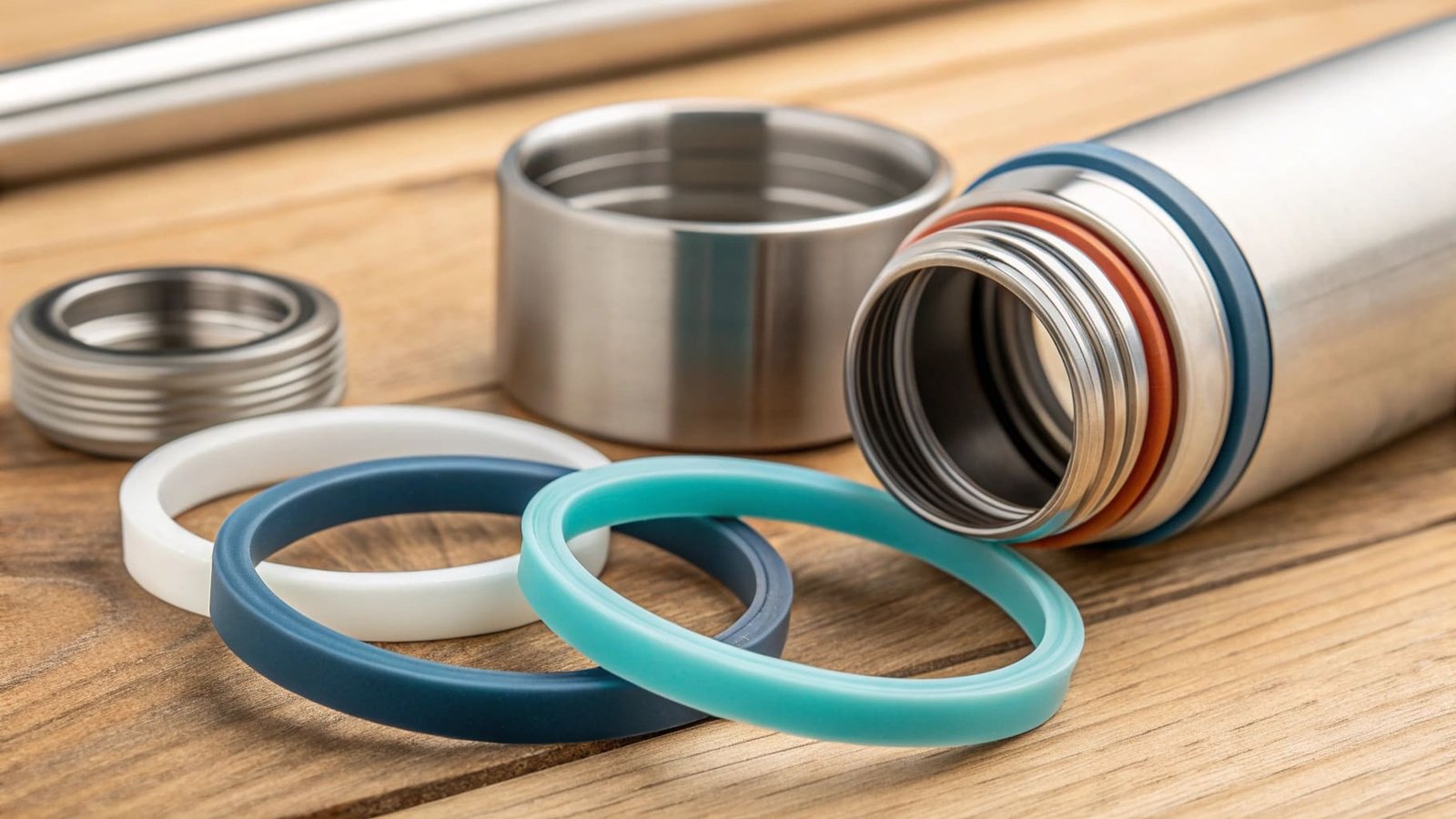
Why Silicone Works Better Than Traditional Materials
I work with procurement officers like Mark every week. They tell me the same story. They bought EPDM rubber gaskets because the price looked good. Then problems started. The rubber degraded when customers put lemon water in their tumblers. The acidic drinks broke down the material. Customers complained about strange smells.
EPDM rubber costs less upfront. But I tell buyers to look at the total picture. A silicone gasket might cost twenty percent more. But it lasts three to five times longer. Your warranty claims drop. Customer satisfaction goes up. I had one buyer in Colorado switch from rubber to silicone. His return rate dropped from eight percent to under one percent.
Cork gaskets create even bigger problems. Cork absorbs moisture. Bacteria grow in the damp material. Customers smell mildew when they open their tumbler. This is not acceptable today. People care about hygiene. They will not buy from you again if your product harbors bacteria.
The Certification Advantage
Silicone meets FDA and LFGB standards without extra treatment. I can ship you gaskets that pass every food safety test. Traditional materials often need coatings. These coatings wear off. Then your gaskets fail certification. Silicone is certified through and through. The material itself is food-grade. No coatings needed.
| Material | Temperature Range | Lifespan | FDA Certified | Cost Difference |
|---|---|---|---|---|
| Silicone | -40°C to 230°C | 3-5 years | Yes | Baseline |
| EPDM Rubber | -30°C to 120°C | 1-2 years | Sometimes | -20% |
| Cork | 0°C to 80°C | 6-12 months | No | -40% |
| Paper | 0°C to 60°C | 3-6 months | No | -50% |
What can I use in place of a gasket?
You have a production run starting next month. The gasket supplier failed. You need alternatives fast. Panic sets in.
Several alternatives exist for tumbler gaskets. You can use O-rings, custom-molded seals2, or dual-durometer designs. But silicone remains the best choice for waterproof performance. I keep stock ready for emergency orders.
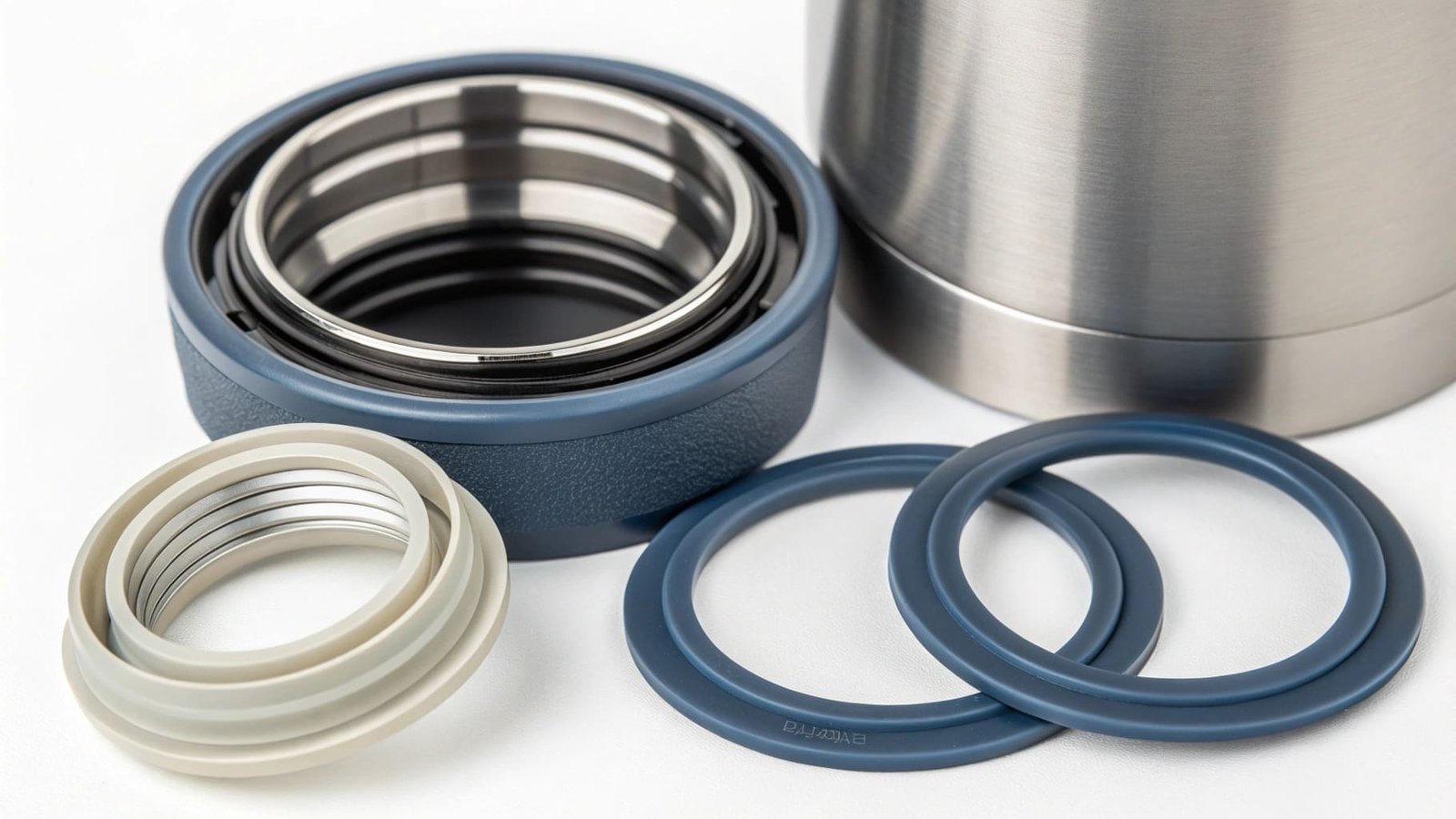
Alternative Sealing Solutions
O-rings work for simple designs. I sell thousands of silicone O-ring sets every month. They fit standard groove dimensions. Installation is easy. But O-rings3 have limits. They work best for static seals. Tumbler lids open and close repeatedly. This creates friction. A flat gasket spreads the load better.
Custom-molded seals give you design freedom. I work with brands to create unique sealing shapes. We add grip features. We integrate mounting tabs. We design locking mechanisms right into the gasket. This makes assembly faster for you. Your production line moves quicker. Labor costs drop.
Some brands use dual-durometer silicone. We mold two different hardness levels in one piece. The sealing lip uses softer silicone for better grip. The mounting base uses harder silicone for structure. This combination gives you the best of both worlds. The seal stays tight. The gasket stays in place.
Mechanical Lock Systems
I see more brands adding mechanical locks to their lids. These work with silicone gaskets1. The silicone creates the waterproof barrier. The mechanical lock adds security. Customers feel confident throwing the tumbler in their bag. They know it will not leak.
The downside is complexity. More parts mean higher assembly costs. Your production time increases. I always tell buyers to test their design thoroughly. Make sure customers can open the lid easily. A one-handed operation matters for people driving. If the lock is too complex, customers get frustrated.
What can be used instead of a rubber?
Your competitor switched from rubber last year. Their tumblers never leak. Your products still use rubber. Customers choose them over you.
You can use silicone, TPE, or EPDM alternatives instead of natural rubber. Silicone offers the best performance for tumbler applications. TPE provides a middle ground on cost. But I recommend silicone for any premium product line.
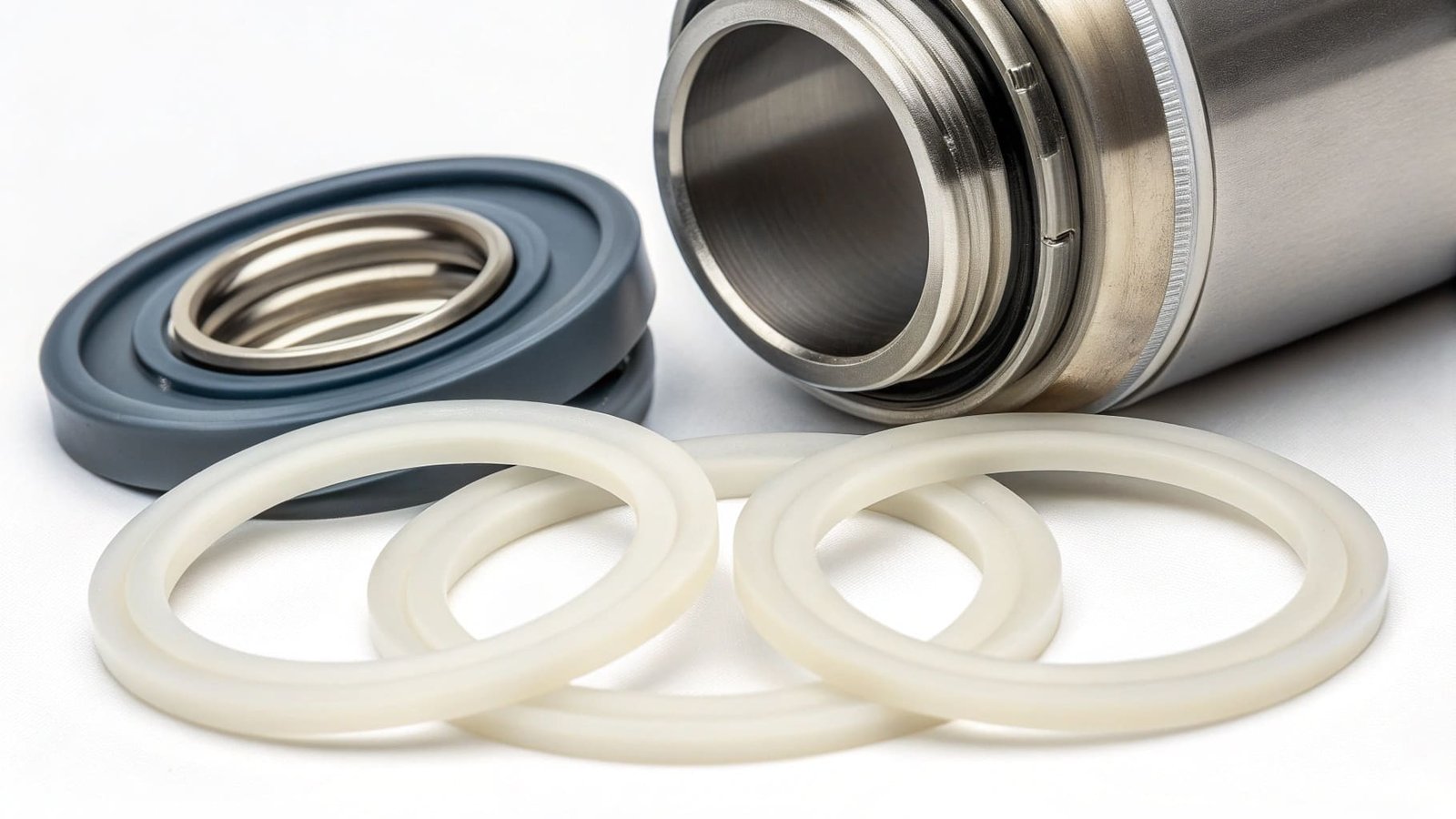
Material Comparison for Modern Tumblers
Silicone stands alone for premium tumblers. I manufacture gaskets for brands selling products from twenty to fifty dollars retail. They all use silicone now. The material choice signals quality before customers even test the tumbler.
TPE (thermoplastic elastomer) creates confusion for buyers. TPE costs less than silicone. It feels similar. But TPE has lower temperature resistance. Hot coffee above eighty degrees Celsius can deform TPE gaskets. I had a buyer in Toronto learn this the hard way. His customers complained the lids would not close properly after the first hot drink.
Natural rubber almost disappeared from tumbler production. The material yellows over time. It absorbs odors. Coffee smell stays in the gasket forever. Customers notice this immediately. Your brand suffers.
Production Volume Matters
The amount you order changes which material makes sense. For orders under five thousand units, HCR silicone works well. We use compression molding. The tooling costs less. You get flexibility on design changes.
For orders over ten thousand units, LSR silicone becomes more efficient. Liquid silicone rubber uses injection molding. The cycle time drops to thirty seconds per part. Quality consistency improves. Every gasket matches exactly. This matters for automated assembly lines.
| Production Volume | Recommended Material | Molding Method | Tooling Cost | Unit Cost |
|---|---|---|---|---|
| Under 5,000 | HCR Silicone | Compression | Low | Medium |
| 5,000-10,000 | HCR or LSR | Both options | Medium | Medium |
| Over 10,000 | LSR Silicone | Injection | High | Low |
| Over 50,000 | LSR Silicone | Injection | High | Very Low |
The Sustainability Angle
European buyers ask about sustainability every time now. Silicone has advantages here. The material lasts longer. This means less waste. Your customers replace their gaskets less often. Some recycling programs accept silicone now. This is growing.
I tell buyers targeting German or Scandinavian markets to lead with the durability message. Three years of use versus six months makes a huge difference. Calculate the environmental impact. Show customers they create less waste by choosing your product. This story sells.
Traditional rubber breaks down faster. It ends up in landfills sooner. Cork seems natural and green. But cork gaskets fail so quickly that you create more waste overall. The math favors long-lasting silicone.
Testing Before You Commit
I always recommend testing before large orders. I send sample gaskets to buyers. They test in real conditions. Fill the tumbler with hot coffee. Put it in a backpack. Shake it around. Open and close the lid fifty times. Throw it in the dishwasher ten times.
This testing reveals problems early. Maybe the gasket is too thick. Maybe it is too thin. Maybe the groove design needs adjustment. Fixing these issues before production saves enormous money and time. I worked with a buyer in Seattle who skipped testing. His first order of twenty thousand units had sealing problems. We had to remake everything. Testing would have cost him two weeks. The mistake cost him three months and significant money.
I keep detailed records of every test. When Mark or another buyer asks me about performance, I show them real data. How many wash cycles did the gasket survive? What temperature extremes did we test? Which beverages did we use? This data builds confidence. Buyers know exactly what they are getting.
Conclusion
Silicone gaskets have replaced traditional materials because they simply work better. I see this every day at silijoy. Better performance, longer life, and happier customers.