Which Rubber Seal Ring Material Meets FDA Standards for Tumbler Production?
Last month, I received an urgent call from Mark, a longtime customer in Canada. His entire shipment of tumbler seal rings got rejected at customs. The supplier claimed the materials were FDA-compliant, but they were not. He lost thousands of dollars and missed his peak season.
Silicone rubber is the most reliable FDA-approved material1 for tumbler seal rings. It meets 21 CFR 177.2600 requirements and offers the best combination of temperature resistance, chemical stability, and consumer trust. EPDM and food-grade nitrile are alternatives, but they have limitations.
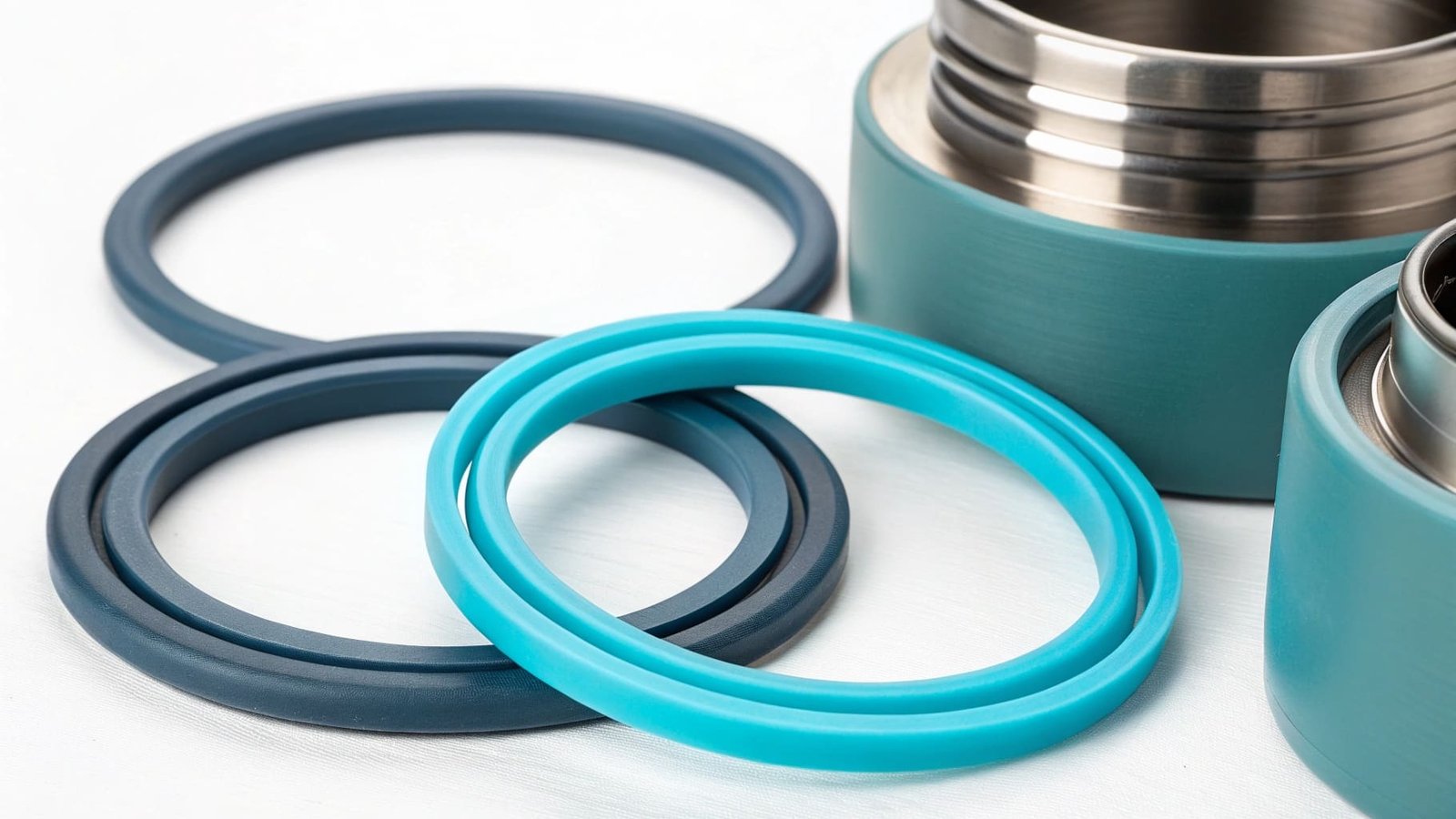
I have been in this business for over a decade. I have seen many buyers make expensive mistakes with seal materials. The problem is simple but serious. Not all rubber materials are safe for food contact. And not all suppliers tell the truth about their certifications. This creates real risks for your business and your customers.
What Materials Are FDA Approved Seals?
You need to understand FDA regulations before you order anything. Many suppliers will tell you their products are food-safe. But food-safe and FDA-approved are two different things. I learned this the hard way when I first started silijoy.
The FDA approves silicone rubber2, EPDM rubber, and natural rubber for repeated food contact. These materials must comply with specific testing requirements under FDA regulation 21 CFR 177.2600. The material must not transfer harmful substances to food or beverages.
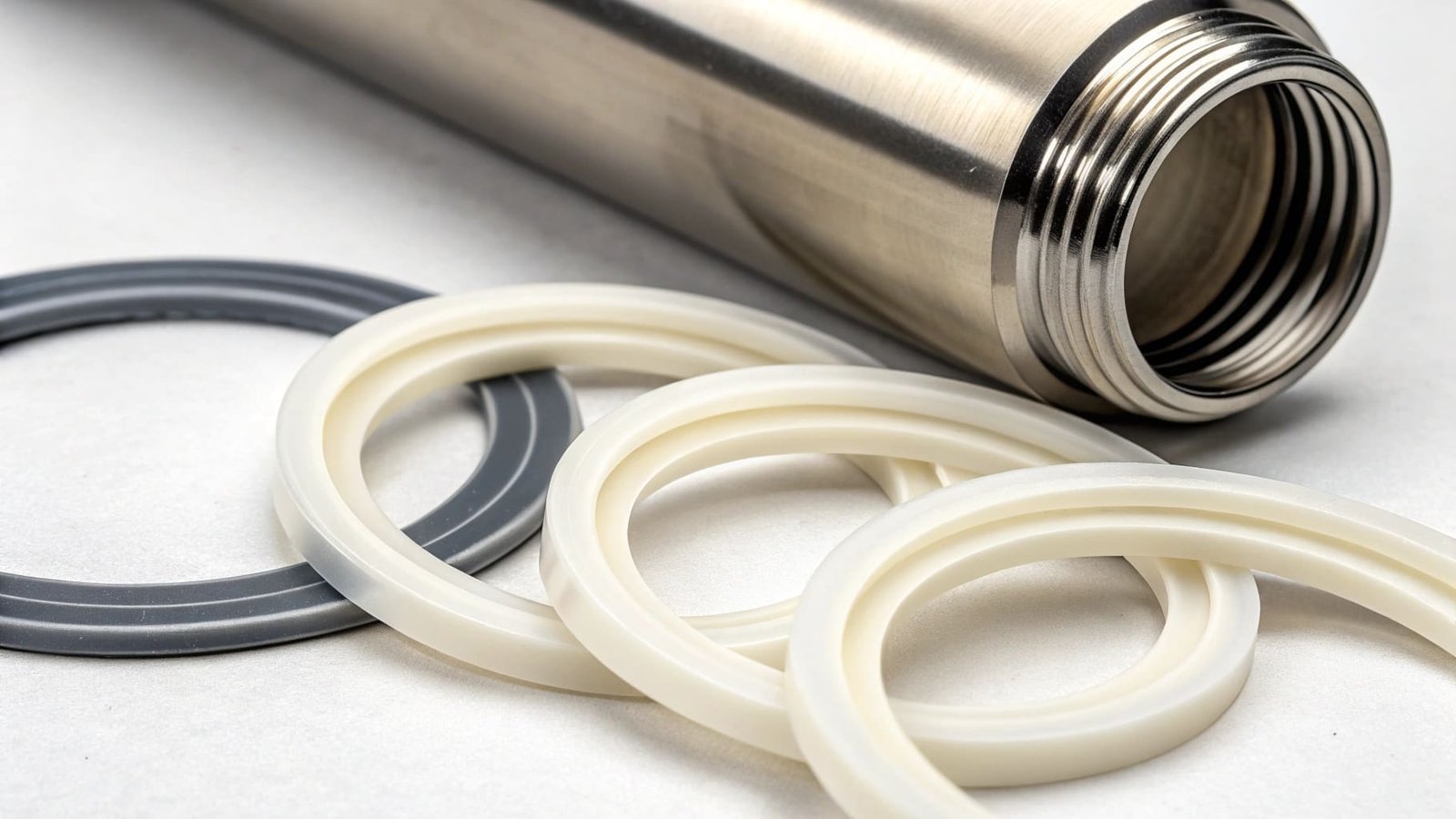
Understanding FDA Material Classifications
I work directly with testing laboratories to verify our materials. The FDA does not pre-approve materials before they go to market. Instead, manufacturers must ensure their materials meet FDA standards through proper testing. This is a critical distinction that many buyers miss.
Silicone rubber is my top recommendation for tumbler seals. It handles temperatures from negative forty degrees to two hundred degrees Celsius. It does not react with acidic beverages like coffee or juice. It does not absorb odors or flavors. Most importantly, consumers recognize silicone as a safe material. This trust factor matters for your brand reputation.
EPDM rubber costs less than silicone. It works well for cold beverage applications. But EPDM cannot handle high temperatures like hot coffee. Natural rubber also has FDA approval, but it degrades faster and can cause allergic reactions in some users. I rarely recommend natural rubber for tumbler seals.
| Material | Temperature Range | Cost | Best Use Case |
|---|---|---|---|
| Silicone | -40°C to 200°C | High | All beverage types |
| EPDM | -40°C to 120°C | Medium | Cold beverages only |
| Natural Rubber | -40°C to 100°C | Low | Limited applications |
| Food-grade Nitrile | -30°C to 100°C | Medium-High | Oil-resistant needs |
Is Nitrile Rubber O-Ring Food Safe?
I get this question almost every week. The answer is not simple. Standard nitrile rubber is not FDA-approved for direct food contact. But special formulations of nitrile can meet FDA requirements. The challenge is knowing which is which.
Most nitrile rubber used in industrial applications contains additives that are not safe for food contact. But manufacturers can produce FDA-compliant nitrile by using specific compounds. This special nitrile is often called white nitrile or food-grade nitrile.
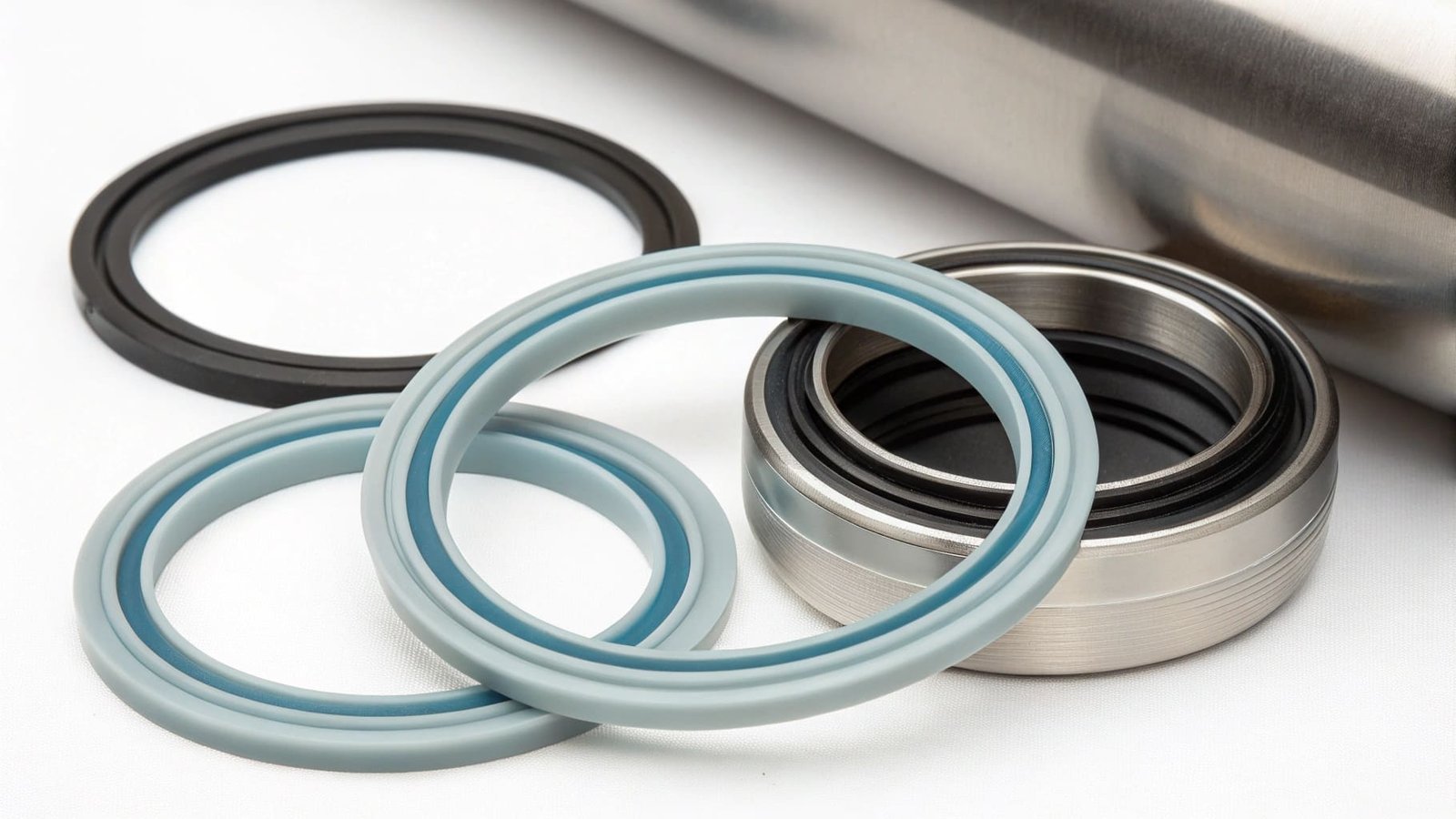
The Nitrile Rubber Compliance Challenge
I visited a supplier in China two years ago. They showed me their nitrile seal rings and claimed they were food-safe. I asked for FDA certification documents. They could not provide them. They only had a general material safety data sheet. This is not enough for FDA compliance.
When you source nitrile seal rings, you must verify actual certifications. The supplier should provide test reports from accredited laboratories. These reports must specifically state compliance with 21 CFR 177.2600. Generic claims about food safety mean nothing without proper documentation.
White nitrile offers better oil resistance than silicone. This matters if your tumblers will hold oily beverages or if users will handle them with oily hands. But nitrile is less flexible at low temperatures compared to silicone. It also has a shorter lifespan when exposed to UV light and ozone.
My honest assessment is this: nitrile works for specific applications where oil resistance is critical. But for general tumbler production, silicone is the safer and more reliable choice. The slightly higher cost of silicone saves you from potential liability issues and customer complaints down the road.
Key Verification Steps
Always request these documents from your supplier:
- FDA compliance certificate for the specific material grade
- Migration test results showing no harmful substance transfer
- Third-party laboratory test reports
- Material composition disclosure
I check every single certificate we receive. I call the testing laboratories directly to verify the documents are authentic. This extra step takes time, but it protects you from fraud.
What Kind of Rubber Is Food Safe?
Food safety in rubber materials depends on three main factors: the base polymer, the additives used, and the manufacturing process. Many buyers focus only on the base material. This is a mistake. The additives often determine whether a rubber is truly food-safe or not.
Food-safe rubber must pass migration tests. These tests measure what substances transfer from the rubber into food or beverages. The FDA sets strict limits on these migrations. A rubber can be chemically inert but still fail if it contains unsafe additives.
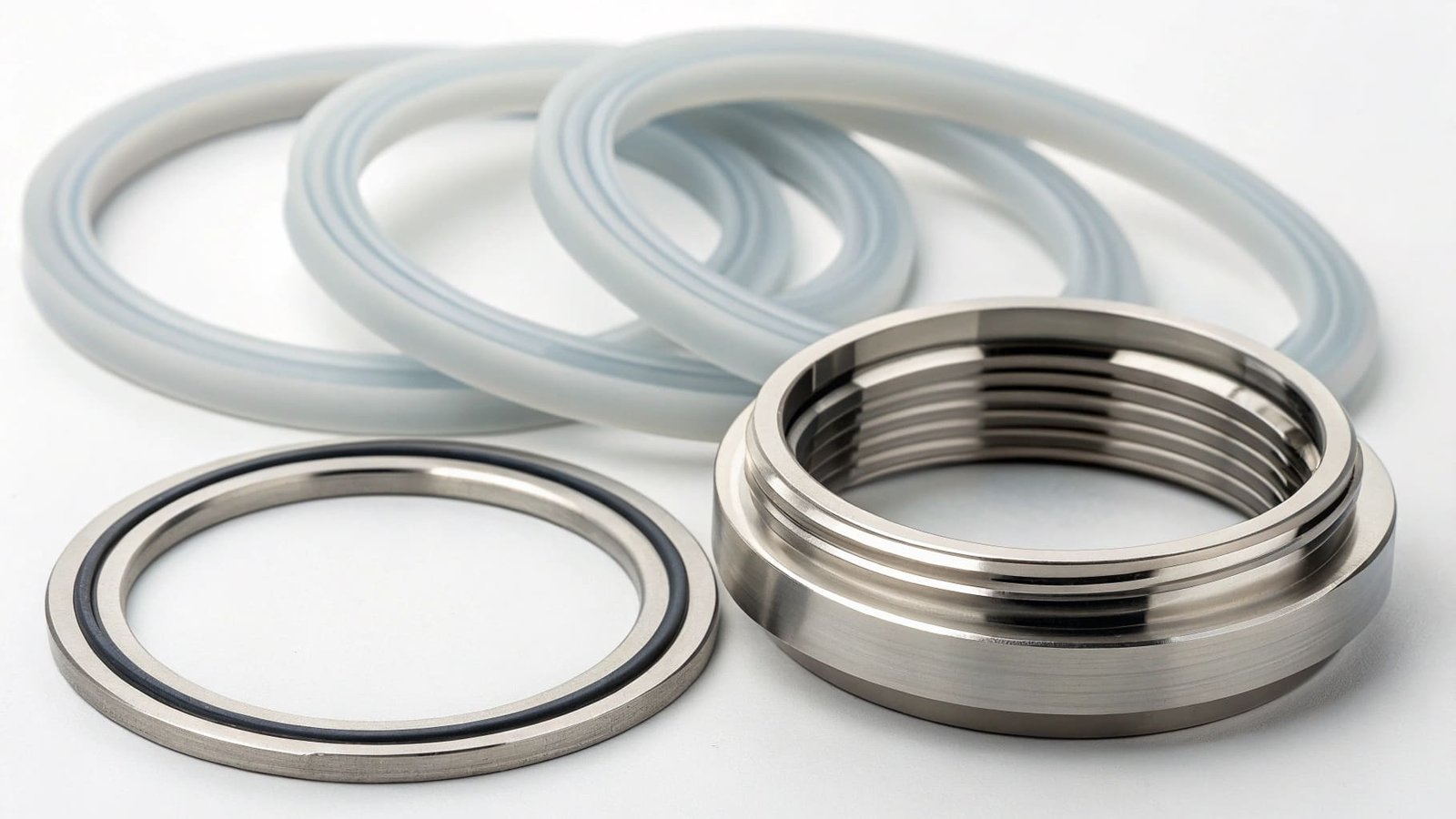
Material Composition and Safety Standards
I work with our manufacturing partners to control every ingredient in our seal rings. The base polymer is just the starting point. We also need to consider curing agents, plasticizers, stabilizers, and colorants. Each of these can affect food safety.
Silicone rubber uses platinum-cure or peroxide-cure systems for food applications. Never use tin-cure silicone3 for food contact items. Tin-cure silicone can release harmful substances. I rejected a supplier once because they tried to substitute tin-cure silicone to save costs. The price difference was small, but the safety risk was huge.
EPDM rubber requires careful selection of vulcanizing agents. Sulfur-based systems are common but can leave residues. Peroxide-cured EPDM is cleaner and safer for food contact. The same applies to natural rubber. The curing system matters as much as the base material.
Color additives present another challenge. Many pigments contain heavy metals that are not safe for food contact. I use only FDA-approved pigments in colored seal rings. White and clear materials are safest because they require fewer additives. But some customers want colored seals for branding purposes. In those cases, we use only certified food-grade pigments.
Practical Selection Guidelines
When I evaluate a rubber material for tumbler seals, I follow this process:
First, I verify the base polymer is FDA-approved. Second, I check the complete formulation including all additives. Third, I review actual test reports from accredited laboratories. Fourth, I request samples and conduct my own testing. Fifth, I visit the manufacturing facility if possible to verify their quality control processes4.
This might seem excessive. But I have seen too many problems from cutting corners. One time, a customer ordered seal rings from a different supplier to save money. The seals passed initial tests but failed after three months of use. They started to crack and release odors. The supplier had used inferior additives to reduce costs. My customer had to recall all the tumblers. The cost of that recall was ten times more than the money they saved on cheaper seals.
The bottom line is this: food-safe rubber requires proper material selection, clean manufacturing processes, and thorough testing. You cannot judge safety by appearance or price alone. Always insist on complete documentation and third-party verification.
Conclusion
Choose silicone rubber for tumbler seals unless you have specific requirements that justify alternatives. Always verify FDA certifications through independent testing laboratories, not just supplier claims. Your material choice protects both your business liability and your brand reputation.
-
Understanding FDA-approved materials is crucial for ensuring safety and compliance in food-related products. ↩
-
Silicone rubber is known for its safety, temperature resistance, and consumer trust, making it ideal for food applications. ↩
-
Tin-cure silicone can release harmful substances, making it unsafe for food contact; understanding this is critical. ↩
-
Effective quality control processes are essential for ensuring that rubber materials meet safety standards. ↩