Which Silicone Bottoms for Tumblers Offer Best Waterproof Gasket Performance?
A leaky tumbler bottom destroys your brand reputation fast. One bad batch, and your retail partners stop reordering. The right silicone gasket prevents that from happening.
Silicone bottoms for tumblers perform best when made from food-grade silicone with a Shore A hardness of 40–60. This material naturally repels water, holds its shape under compression, and stays flexible through thousands of wash cycles. Premium silicone gaskets block both surface water and pressurized water when fitted correctly.
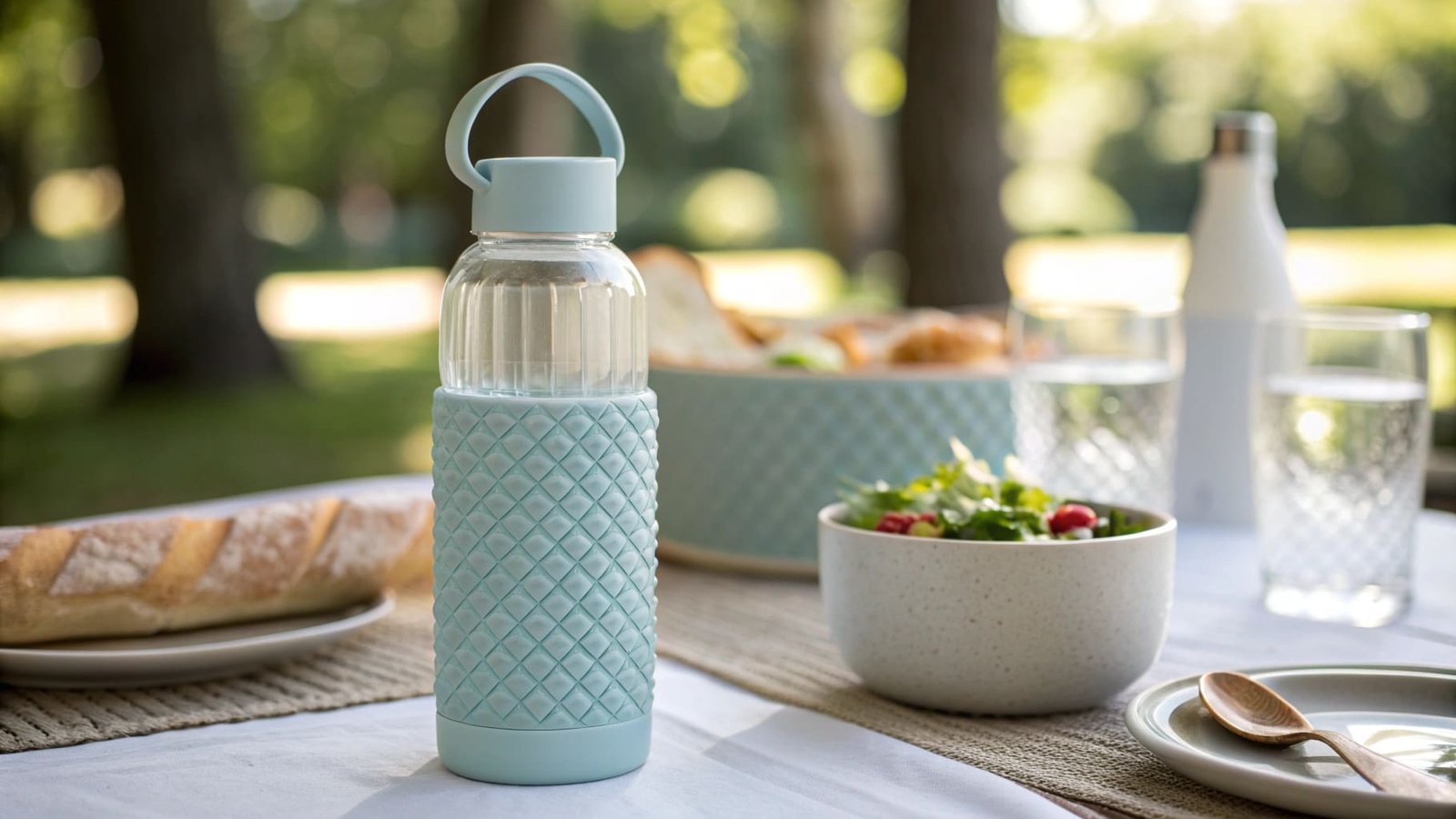
I source silicone tumbler components every day, and one question comes up more than any other: "How do I know this gasket will actually hold?" The answer starts with understanding how silicone behaves around water. After that, everything else falls into place — material choice, spec requirements, supplier verification. Let me walk you through each part.
Is Silicone Rubber Water Resistant?
You order a bulk batch of tumbler gaskets. They arrive, they look fine. Then your customers start reporting leaks after two weeks. That problem almost always starts with the wrong material spec.
Silicone rubber is water resistant by nature.1 Its molecular structure repels water instead of absorbing it. Food-grade silicone forms a stable barrier against water penetration and keeps that barrier through repeated use, heat exposure, and dishwasher cycles. High-quality silicone gaskets go further — they are both water resistant and waterproof under pressure.
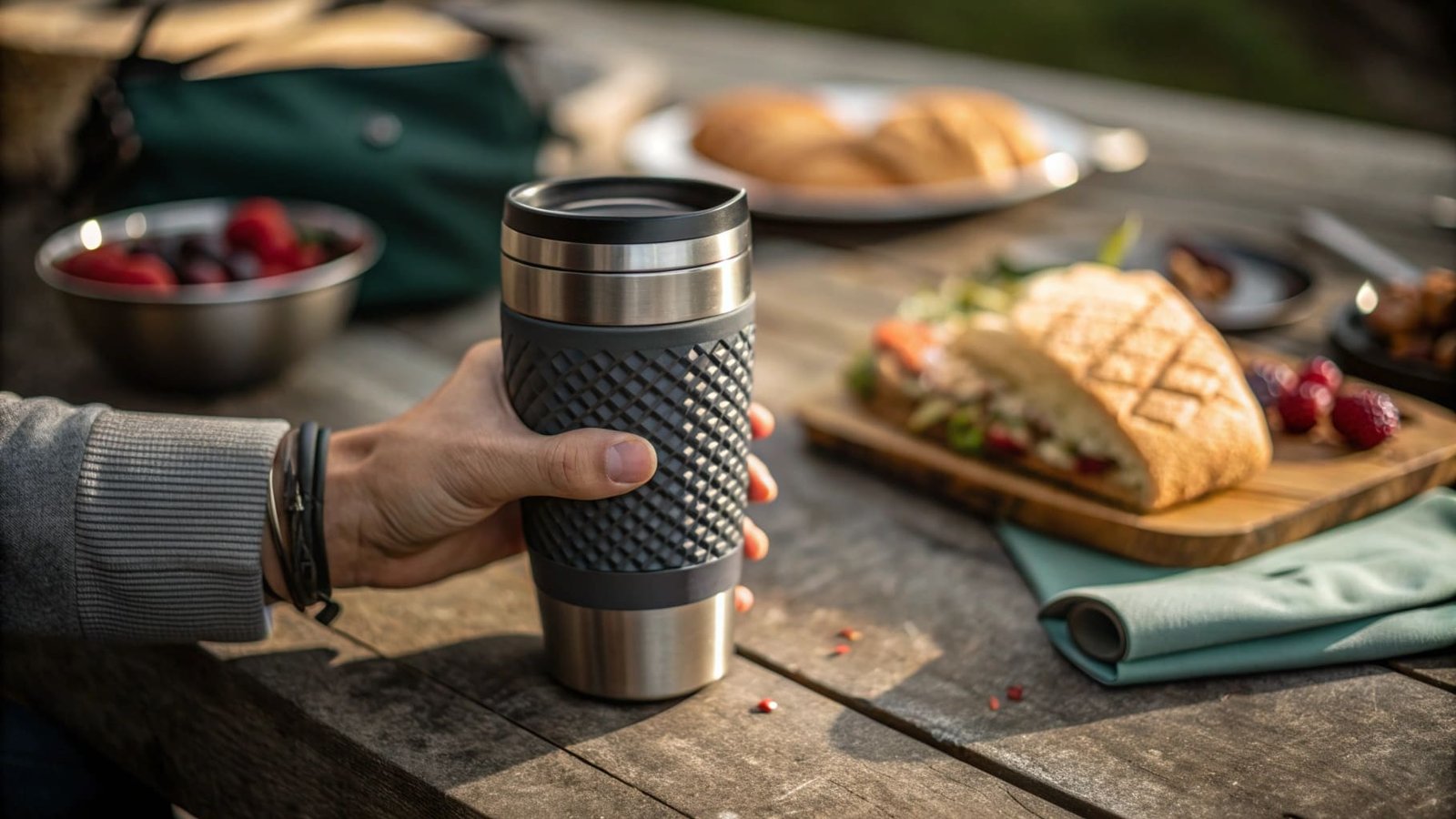
Water Resistant vs. Waterproof: What Is the Real Difference?
These two terms sound similar but they describe different performance levels. Getting them confused leads to failed products and customer complaints.
Water resistant means the surface repels water under normal conditions — splashes, condensation, and light moisture. Waterproof means the material blocks water even when pressure is applied — submersion, full dishwasher jets, or liquid forced against a seal.2
For tumbler bottoms, you need both. The gasket sits in direct contact with liquid-filled containers. It also gets exposed to high-pressure water during dishwasher cycles. A gasket that is only water resistant will fail under those conditions.
Here is how the two performance levels compare in real use:
| Performance Level | What It Handles | Where It Fails |
|---|---|---|
| Water Resistant | Splashes, surface moisture | High-pressure water, submersion |
| Waterproof | Pressure, submersion, dishwasher cycles | Nothing — if the spec is correct |
Silicone's hydrophobic surface is what makes this possible. Unlike organic rubbers, silicone does not absorb moisture over time.3 It stays dimensionally stable. That means the seal geometry does not change after repeated compression and release cycles. When I test gaskets from our production line at Silijoy, dimensional stability after 5,000 compression cycles is one of the first things I check. A gasket that swells or shrinks even slightly will leak.
The key phrase here is "properly compressed." A silicone gasket only reaches its waterproof potential when the groove depth, gasket diameter, and compression percentage are all matched correctly. I will cover those specs in more detail below.
What Is the Best Waterproof Vinyl for Tumblers?
You have probably seen suppliers pitch vinyl as a cheaper alternative to silicone for tumbler applications. It sounds like a cost-saving move. But the real cost shows up six months later when your returns spike.
Vinyl is not the best choice for waterproof tumbler gaskets. Silicone outperforms vinyl across every condition that matters for tumblers — temperature range, dishwasher exposure, and repeated compression. For buyers who care about long-term brand performance, silicone is the right material.
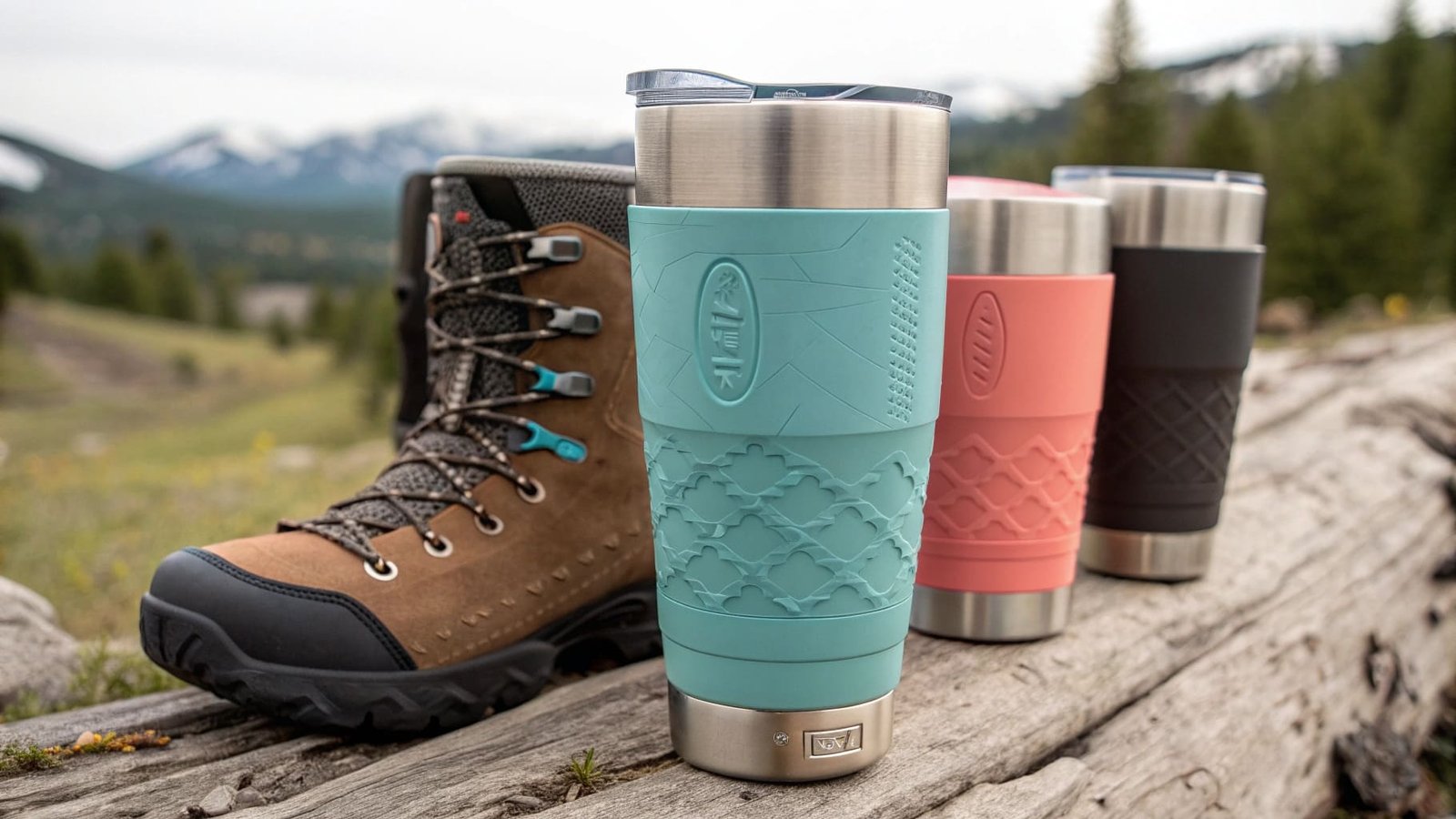
Why Silicone Beats Vinyl for Tumbler Bottom Gaskets
Vinyl does have waterproof properties at first. The problem is that those properties break down quickly under the conditions that tumblers face every day.
Tumblers go through heat cycles constantly. They hold hot coffee, sit in cars, go through dishwashers. Vinyl starts to harden and crack when exposed to temperature extremes. Once it cracks, the seal fails. Silicone, on the other hand, stays flexible from -40°F to 446°F.4 That range covers every condition your end customer will encounter.
Here is a direct comparison between the two materials across the factors that matter most to a tumbler buyer:
| Performance Factor | Silicone | Vinyl |
|---|---|---|
| Temperature Range | -40°F to 446°F | Narrow range, degrades above ~160°F |
| Dishwasher Safe | Yes, repeatedly | Degrades with repeated cycles |
| Compression Recovery | Excellent after thousands of uses | Loses shape over time |
| Waterproof Performance | Maintains seal under pressure | Weakens as material ages |
| Food-Grade Certification | FDA/LFGB available | Limited food-grade options |
| Long-Term Value | High | Lower due to faster replacement rate |
I have talked to buyers who switched from vinyl to silicone after one bad selling season. The initial cost of silicone is higher. But when you factor in return rates, replacement costs, and brand damage, silicone pays for itself quickly.
One more thing to consider: your end customers are buying premium tumblers. They expect premium performance. A vinyl gasket that fails after three months does not match the price point you are selling at. Silicone matches it. That alignment between material quality and product positioning matters a lot when you are building a brand in a competitive market like Canada.
Is There Waterproof Silicone?
You found a supplier who claims their silicone gaskets are fully waterproof. But how do you verify that claim before you commit to a large order? And what specs actually tell you whether a gasket will hold?
Yes, waterproof silicone exists — and it is the standard you should demand. The right silicone, with the right hardness, the right certification, and the right groove design, will block water under sustained pressure. The key is knowing which specs to ask for.
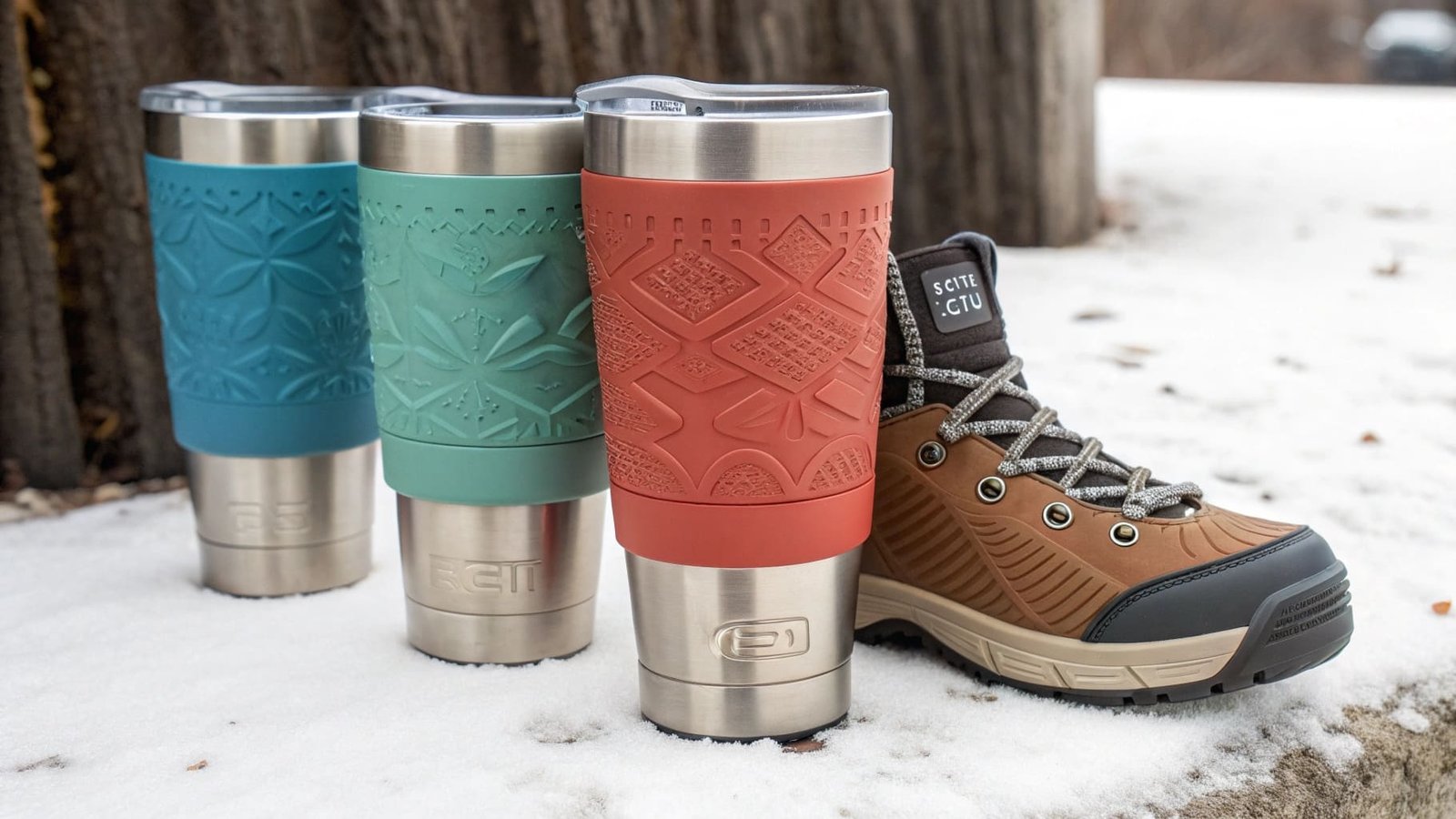
How to Specify Waterproof Silicone Gaskets: The Specs That Matter
Not all silicone is equally waterproof. The material is just one part of the equation. Gasket design and supplier verification matter just as much.
Here are the three areas you need to control when sourcing waterproof silicone tumbler bottoms:
Shore A Hardness
Shore A hardness measures how firm the silicone is. For tumbler gaskets, the target range is 40–60 Shore A. Softer than 40 and the gasket deforms too easily under pressure. Harder than 60 and it does not compress enough to form a tight seal. I always ask for a Shore A test report before approving a new production batch at Silijoy.
Food-Grade Certification
FDA and LFGB are the two certifications that matter most for North American and European markets.5 FDA covers the US. LFGB covers Germany and is widely accepted across the EU. If your supplier cannot provide current, verified certificates for both, that is a red flag. Certificate fraud is a real problem in this industry. I have seen it happen. Always ask for the original test report, not just a copy of the certificate.
Waterproof Rating and Testing Data
IP67 and IP68 are the standard waterproof ratings for sealed components. IP67 means the part can be submerged in 1 meter of water for 30 minutes without water ingress. IP68 covers deeper or longer submersion.6 For tumbler gaskets, IP67 is typically sufficient. Ask your supplier for multi-cycle leak test reports that show performance after repeated use — not just a single test on a new sample.
Here is a quick reference for what to request from any supplier:
| Specification | What to Ask For | Why It Matters |
|---|---|---|
| Shore A Hardness | 40–60, with test report | Controls compression and seal quality |
| Food-Grade Certification | FDA and/or LFGB, original test report | Required for North American/EU markets |
| Waterproof Rating | IP67 or IP68 test data | Confirms performance under pressure |
| Compression Set Data | Multi-cycle testing report | Shows long-term seal durability |
| Groove Design Spec | Groove depth and compression % documentation | Directly affects seal integrity |
The gasket design element is one that buyers often overlook. Even perfect silicone will leak if the groove is the wrong depth or the compression percentage is off. The compression percentage for a tumbler gasket should sit between 15% and 30%.7 Below 15%, the seal is too loose. Above 30%, the silicone takes a permanent set over time and the seal weakens.
At Silijoy, we provide compression set testing data and groove design documentation as a standard part of our product information. If a supplier cannot or will not provide these documents, find a different supplier. The documentation is not hard to produce if the testing has actually been done.
Conclusion
The best waterproof silicone tumbler bottoms use food-grade silicone, Shore A 40–60 hardness, and verified certification. Silicone always outperforms vinyl. Always demand test data before ordering.
-
"Hydrophobic Recovery of PDMS Surfaces in Contact with ... - PMC", https://pmc.ncbi.nlm.nih.gov/articles/PMC8950181/. Polymer materials literature supports that silicone elastomers exhibit hydrophobic surface behavior and comparatively low water absorption, which explains their general water resistance. Evidence role: mechanism; source type: paper. Supports: A polymer materials source should support that silicone rubber, commonly based on polydimethylsiloxane, has hydrophobic characteristics and low water absorption.. Scope note: This supports the material property, not the waterproofness of a particular molded gasket assembly. ↩
-
"IP code - Wikipedia", https://en.wikipedia.org/wiki/IP_code. Standards-based descriptions of water ingress protection distinguish limited resistance to water exposure from tested protection against water entry under specified immersion or jet conditions. Evidence role: definition; source type: institution. Supports: A standards or institutional source should support the distinction between resistance to limited water exposure and protection against water ingress under defined test conditions.. Scope note: Terminology varies across consumer products, so a standards source may define test levels rather than the exact marketing terms used here. ↩
-
"Silicone rubber - Wikipedia", https://en.wikipedia.org/wiki/Silicone_rubber. Elastomer materials references report low moisture absorption for silicone rubber relative to many organic rubber materials, supporting its use where dimensional stability in wet conditions is important. Evidence role: general_support; source type: research. Supports: A neutral elastomer reference should compare water absorption or moisture uptake characteristics of silicone rubber with those of organic rubbers.. Scope note: The comparison depends on the specific rubber formulation, fillers, curing system, and exposure conditions. ↩
-
"Elastomer Characteristics", https://www.nrc.gov/docs/ML0720/ML072040257.pdf. Materials references for silicone rubber commonly report broad service-temperature capability, including low-temperature flexibility and heat resistance in ranges comparable to approximately -40°F to 446°F. Evidence role: general_support; source type: research. Supports: A materials reference should support the typical service-temperature range of silicone rubber and its retention of flexibility at low temperatures.. Scope note: Exact temperature limits vary by silicone grade, cure chemistry, fillers, and the duration of exposure. ↩
-
"21 CFR 177.2600 -- Rubber articles intended for repeated use. - eCFR", https://www.ecfr.gov/current/title-21/chapter-I/subchapter-B/part-177/subpart-C/section-177.2600. Official food-contact regulatory sources identify FDA requirements for rubber articles intended for repeated food contact in the United States and LFGB as a German legal framework relevant to food-contact consumer goods. Evidence role: historical_context; source type: government. Supports: Government or institutional sources should identify FDA food-contact regulations in the United States and LFGB as a German food and consumer goods law relevant to food-contact materials.. Scope note: This supports regulatory relevance but not the commercial claim that these are the two most important certifications for every North American or European buyer. ↩
-
"IP code - Wikipedia", https://en.wikipedia.org/wiki/IP_code. Ingress-protection standards define IP67 as protection against temporary immersion, commonly tested at up to 1 meter for 30 minutes, and IP68 as protection under continuous immersion conditions specified by the manufacturer or test standard. Evidence role: definition; source type: institution. Supports: A standards-based source should define IP67 and IP68 water-ingress protection levels under IEC 60529.. Scope note: IP ratings apply to tested assemblies under specified conditions and do not by themselves guarantee performance of an untested tumbler gasket. ↩
-
"Compression Rates in Rubber Gaskets : Solid vs. Foam/Sponge", https://www.nedc.com/compression-rates-in-rubber-gaskets/. Elastomer seal-design references describe controlled gasket squeeze as essential to sealing performance and commonly specify compression ranges near 15% to 30% for many static sealing applications. Evidence role: general_support; source type: research. Supports: A seal-design reference should support that elastomer seals commonly require a controlled percentage of compression or squeeze, often in a range near 15% to 30% depending on application.. Scope note: The optimal compression range depends on gasket cross-section, groove geometry, material hardness, and whether the seal is static or dynamic. ↩