Which Silicone Rings Purpose Fits Best for Multi-Brand Tumbler Compatibility?
You order 10,000 silicone rings for your tumbler line. They arrive. Half don't fit. Your customers complain. Your reputation suffers. This happens more than you think.
Silicone rings work best for multi-brand compatibility when manufacturers produce them with precise measurements matched to specific tumbler groove dimensions1. Generic rings fail because tumblers lack universal sizing standards.
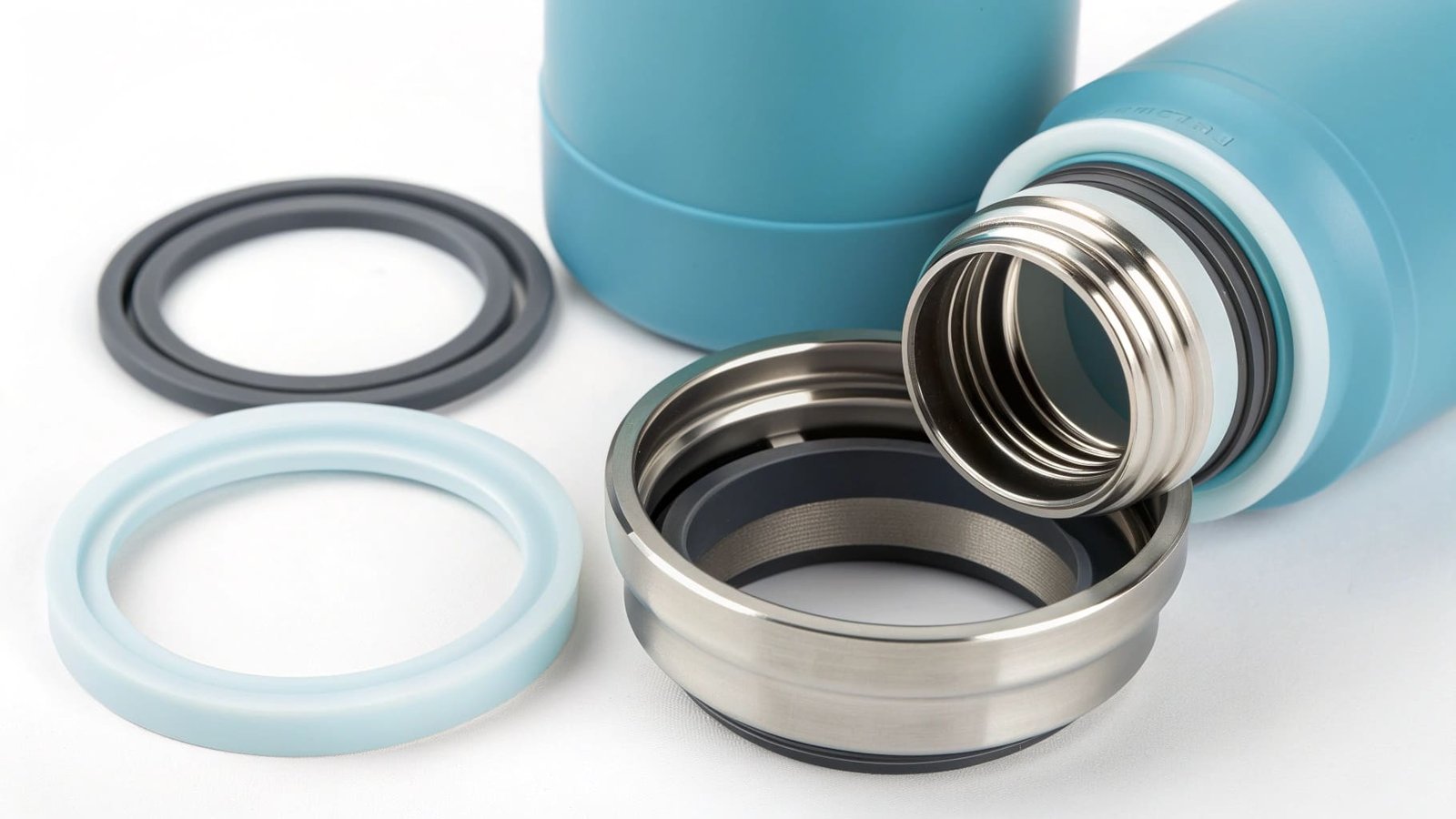
I learned this the hard way five years ago. A Canadian buyer ordered rings from us. He assumed all 30oz tumblers used the same ring size. Three months later, his warehouse had 5,000 unusable rings. We spent weeks fixing the problem. Now I make sure every buyer understands what really matters before they place orders.
Do Silicone Rings Fit the Same?
You assume two 20oz tumblers need identical rings. You order bulk quantities. Then you discover they don't fit. Your money is wasted. Your launch is delayed.
No, silicone rings don't fit the same across different tumbler brands. Each brand uses different groove depths and wall thicknesses. These variations make universal fit impossible.
Why Tumbler Ring Compatibility Fails
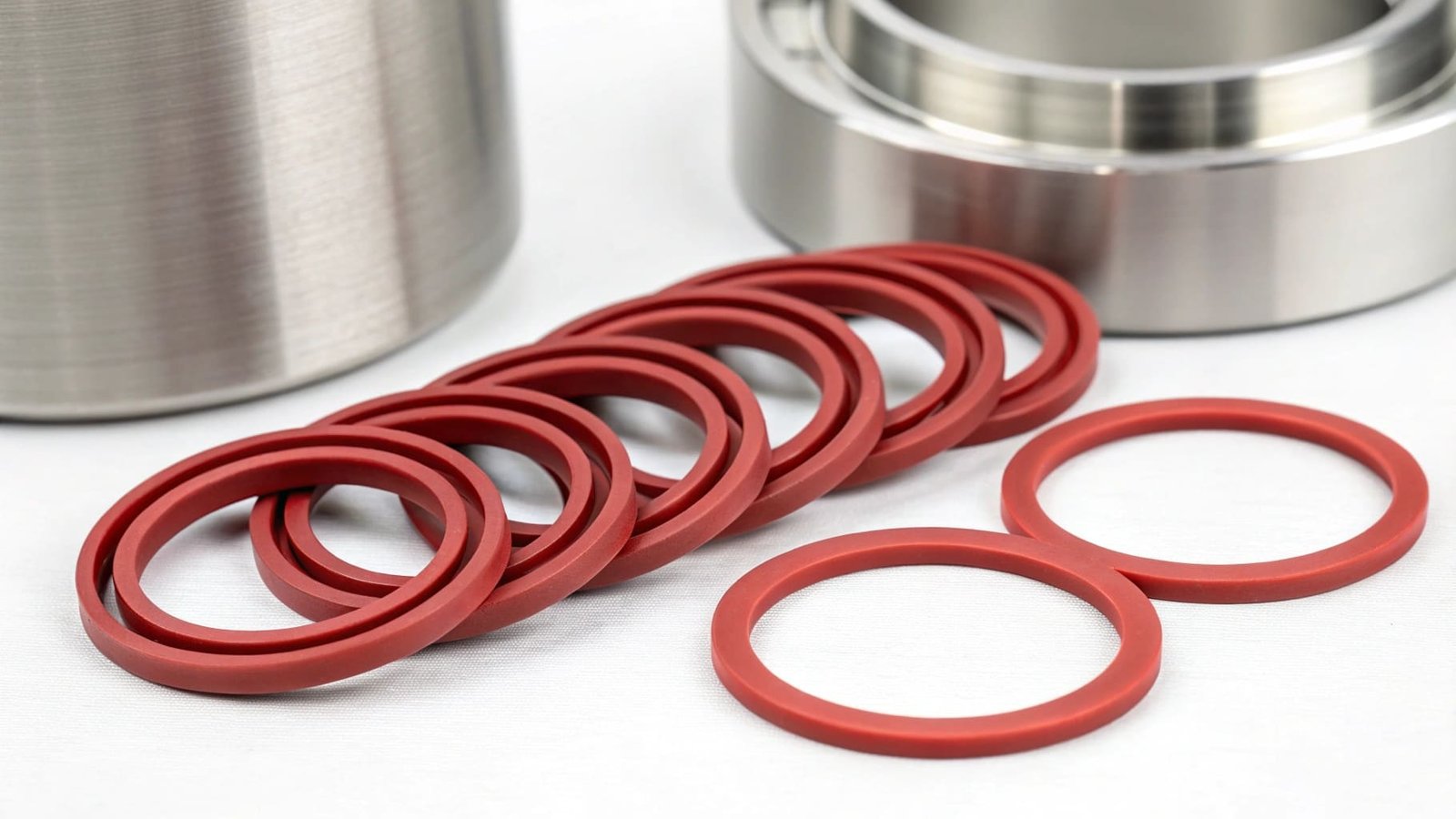
I see this problem every week. Buyers contact me after ordering generic rings from other suppliers. They tell me the rings are too loose or too tight. Some rings fall out during shipping. Others require so much force to install that they damage the tumbler lip.
The problem starts with manufacturing tolerances2. Most tumbler brands design their products independently. They don't follow industry standards because no standards exist. A Stanley tumbler groove might measure 2.5mm deep. A Yeti groove might be 3.0mm. A RTIC groove could be 2.8mm. These differences seem small, but they matter.
I tested this myself last year. I ordered ten popular tumbler brands. I measured their groove dimensions with precision tools. The results shocked me. Even tumblers marketed as "compatible with leading brands" showed significant variations. Groove widths ranged from 2.0mm to 3.2mm. Depths varied from 2.3mm to 3.5mm. Wall thicknesses differed by up to 1.5mm.
| Measurement Point | Variation Range | Impact on Fit |
|---|---|---|
| Groove Width | 2.0mm - 3.2mm | Loose or tight seal |
| Groove Depth | 2.3mm - 3.5mm | Ring slippage or compression |
| Wall Thickness | 1.2mm - 2.7mm | Installation difficulty |
The compression requirement adds another layer of complexity. Silicone rings3 need to compress between 10% and 25% to create proper seals. Too little compression means leaks. Too much compression means the ring deforms permanently or tears during installation.
What is the Best Brand for Silicone Rings?
You search for the best brand. You read reviews. You still can't decide. Different sources give you different answers. You waste time without getting clarity.
The best silicone ring brand delivers consistent Shore A hardness4 between 40-60 and maintains tight dimensional tolerances across production batches. Brand reputation matters less than material quality and manufacturing precision.
Material Quality Over Brand Recognition
I've worked with hundreds of buyers over the years. Many start by asking about famous brands. They want recognizable names. But brand recognition doesn't guarantee compatibility with your specific tumbler line.
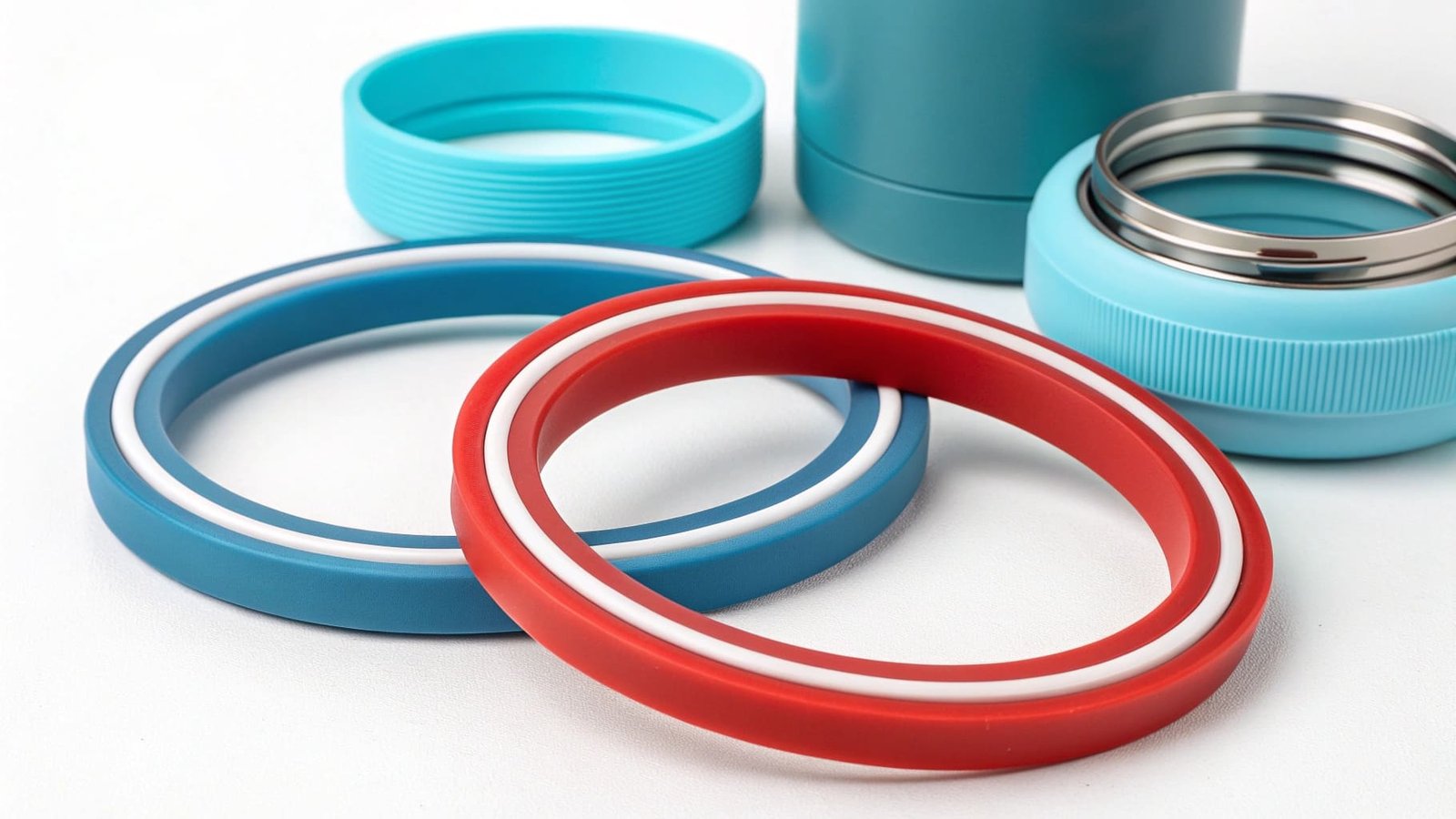
Material consistency matters most. Food-grade silicone with proper Shore A hardness creates reliable seals. Shore A 40 silicone feels softer and more flexible. Shore A 60 silicone feels firmer and more rigid. The sweet spot for tumbler rings sits between these values. This range provides enough flexibility for easy installation while maintaining seal integrity.
I source our silicone from certified suppliers who test every batch. We receive material certificates with each shipment. These certificates show hardness values, tensile strength, and tear resistance. We verify the data with our own tests. This process costs more. But it prevents the disasters that come from inconsistent materials.
Manufacturing precision determines long-term reliability. ISO-certified facilities use calibrated molds and automated quality checks. They measure every ring before packaging. Dimensional variations stay within 0.05mm tolerances. This precision level ensures that rings produced in January fit the same as rings produced in December.
Key Quality Indicators
| Quality Factor | Standard Range | Why It Matters |
|---|---|---|
| Shore A Hardness | 40-60 | Balances flexibility and seal strength |
| Tensile Strength | ≥6.0 MPa | Prevents tearing during installation |
| Tear Resistance | ≥20 kN/m | Ensures durability under stress |
| Compression Set | ≤25% | Maintains seal over time |
Temperature resistance often gets overlooked. Premium silicone maintains properties from -40°C to 230°C. Budget silicone might only work from -20°C to 150°C. Your customers might use tumblers for hot coffee or frozen smoothies. The rings need to perform in both conditions.
Should You Size Up or Down with a Silicone Ring?
Your supplier offers three sizes. You don't know which to choose. You guess. You order the middle size. It doesn't work. You lose money and time.
You should never size up or down with silicone rings. Instead, measure your target tumbler's groove dimensions precisely and source rings manufactured to match those exact specifications.
The Measurement-First Approach
The "size up or down" question shows a flawed purchasing strategy. I explain this to every new buyer. Guessing sizes leads to problems. Measuring dimensions leads to solutions.
Start with precise measurements of your target tumbler. You need three critical dimensions. First, measure the groove width at its widest point. Second, measure the groove depth from the lip surface to the bottom. Third, measure the wall thickness where the ring sits. Use digital calipers accurate to 0.01mm. Take three measurements of each dimension and calculate the average.
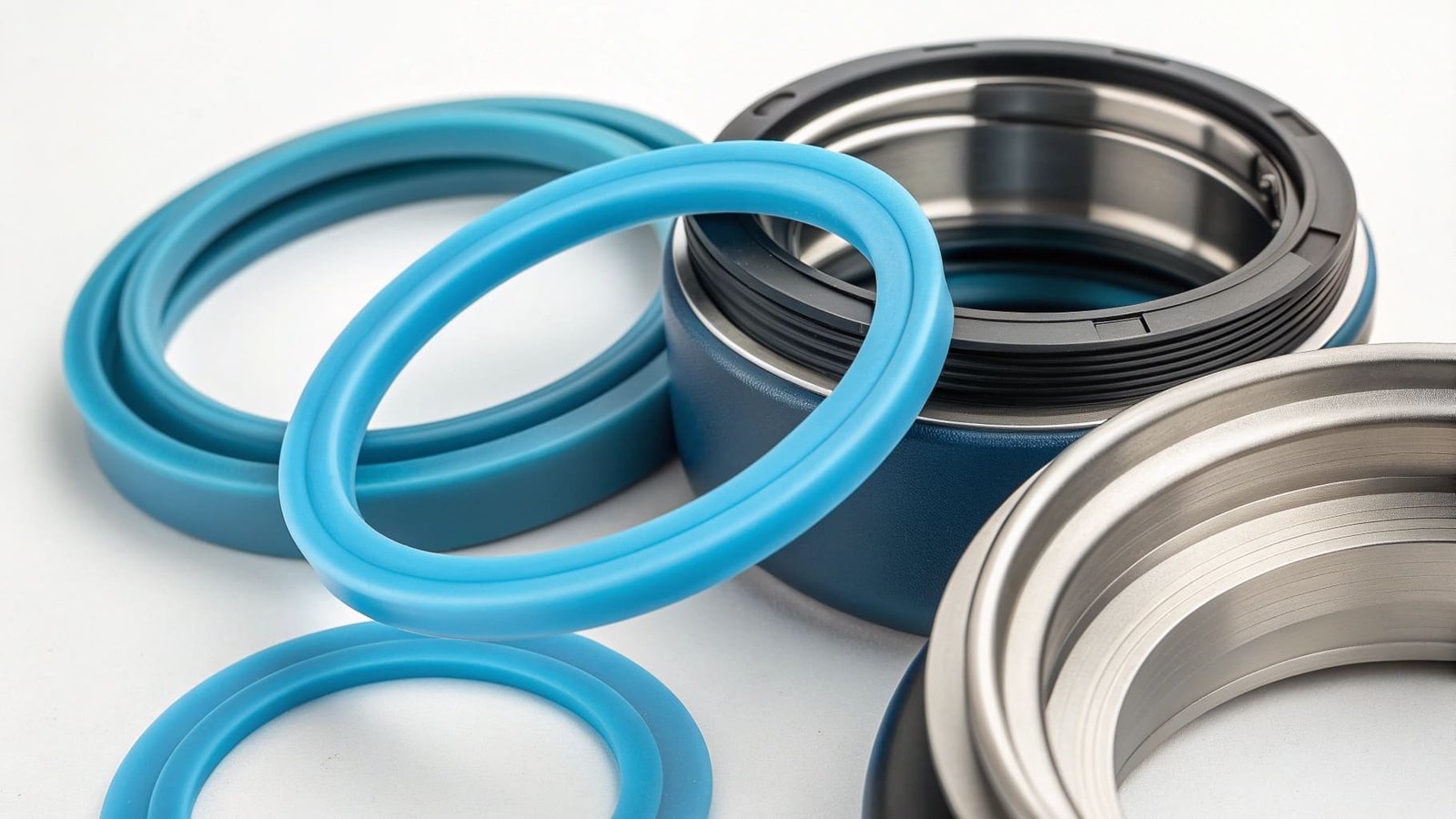
I helped a Canadian distributor last month with this process. He wanted to offer replacement rings for five popular tumbler brands. We measured samples from each brand. We created a specification sheet for each one. Then we manufactured rings to match each specification exactly. His first order included five different ring designs. Each one fit its target tumbler perfectly. His customer satisfaction rate jumped to 98%.
Custom Tooling Advantages
| Approach | Cost per Unit | Fit Quality | Return Rate |
|---|---|---|---|
| Generic Sizing | Lower | Poor | 15-30% |
| Size Up/Down | Lower | Fair | 8-15% |
| Custom Tooling | Higher | Excellent | 1-3% |
Custom tooling costs more upfront. A new mold might cost $2,000 to $5,000. But this investment pays back quickly. Generic rings might cost $0.15 per unit. Custom rings might cost $0.20 per unit. The extra $0.05 seems significant. But the 20% return rate from generic rings destroys your profit margin. The 2% return rate from custom rings protects it.
I recommend dimensional audits for brands planning multi-tumbler compatibility. Audit all target products before ordering. Document every measurement. Share specifications with your supplier. Verify sample rings against actual tumblers before bulk production. This process takes two extra weeks. But it prevents three months of returns and customer complaints.
Conclusion
Silicone ring compatibility requires precise measurements, consistent materials, and custom manufacturing. Generic sizing fails. Measurement-first approaches succeed. Invest in quality upfront to avoid costly mistakes.
-
Understanding groove dimensions is crucial for selecting the right silicone rings for your tumblers. ↩
-
Explore how manufacturing tolerances impact the fit and performance of silicone rings. ↩
-
Explore this link to find top-rated silicone rings that ensure a perfect fit for your tumblers. ↩
-
Learn about Shore A hardness and how it affects the flexibility and seal strength of silicone rings. ↩