Should Rubber Bottoms for Tumblers Be Included in Wholesale Package Deals?
You're planning your next bulk tumbler order. You see two quotes: one with rubber bottoms1, one without. The price difference seems small, but you're not sure if it's worth it.
Yes, rubber bottoms should be included in wholesale tumbler packages. They protect products during shipping, reduce customer complaints, and make your offering more attractive to distributors who want retail-ready solutions without additional sourcing steps.
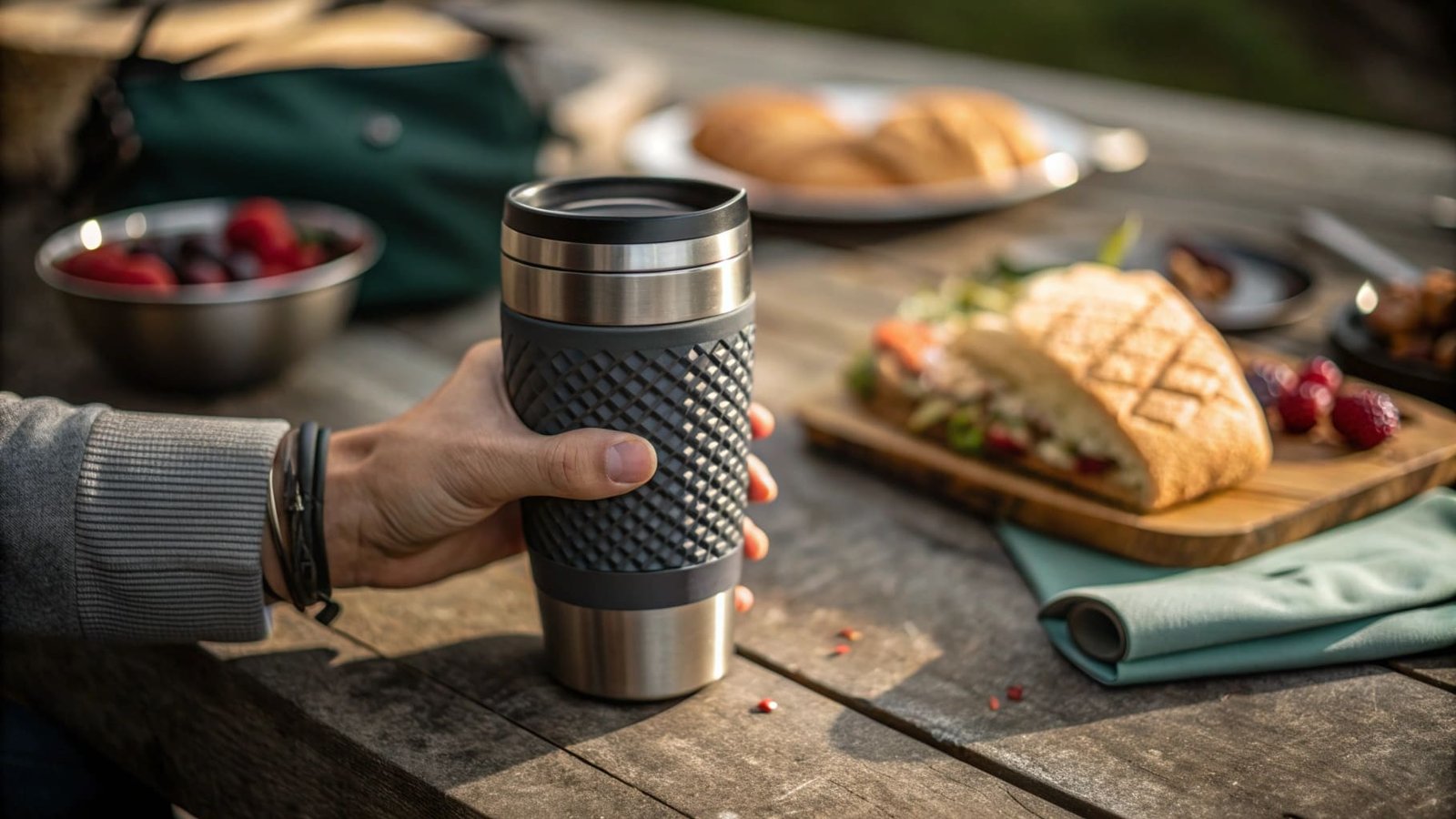
I learned this lesson the hard way three years ago at silijoy. A distributor from Vancouver ordered 5,000 sublimation tumblers without the silicone boots2. He wanted to save costs. Two weeks later, his warehouse staff reported that 300 tumblers arrived with scratched bases. The distributor asked if we could add rubber bottoms to future orders. That conversation changed how I present wholesale packages to buyers like Mark.
How much do people charge for sublimation tumblers?
You're setting prices for your tumbler business. You check competitor websites and see numbers all over the place. Some charge $15, others ask for $35. You wonder what's reasonable and what's too high.
Sublimation tumblers retail between $15 and $35 per unit. The price depends on quality grade, coating thickness, customization complexity3, and whether protective accessories like silicone bottoms are included in the package.
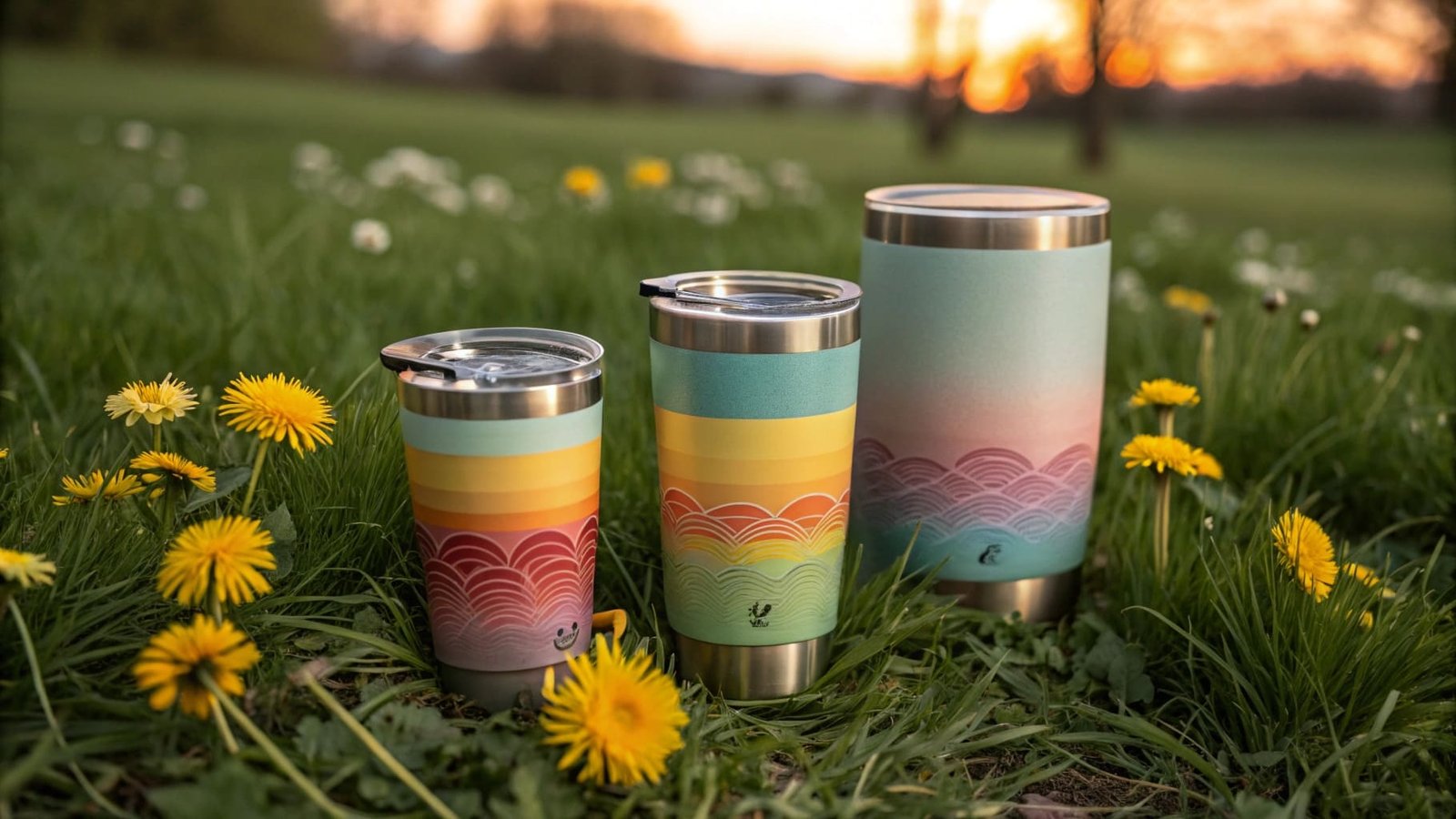
Breaking Down Sublimation Tumbler Pricing
The pricing structure for sublimation tumblers isn't random. It follows specific cost factors that affect your wholesale margins.
Base Material Costs
Stainless steel grade matters. Food-grade 304 stainless costs more than 201 grade. The polymer coating adds another layer of expense. Quality coatings that don't peel after multiple uses cost more upfront but reduce return rates later.
Customization Factors
| Customization Type | Price Impact | Lead Time |
|---|---|---|
| No customization | Base price | 7-10 days |
| Logo only | +$2-3 per unit | 10-15 days |
| Full design wrap | +$5-8 per unit | 15-20 days |
| Special colors | +$3-5 per unit | 12-18 days |
I've seen buyers focus too much on the per-unit cost without considering the full picture. A $15 tumbler might seem like a good deal until you factor in the cost of sourcing rubber bottoms separately. That separate order means additional shipping fees, customs paperwork, and inventory management headaches. When you add it all up, buying a complete package at $17 makes more sense than piecing together components.
Market Positioning
Your target market affects how much you can charge. Corporate gift buyers pay more for premium finishes. Retail customers shopping online compare prices aggressively. Your price needs to match where you sell and who you sell to.
What are the dimensions of a 20 ounce skinny tumbler?
You're ordering custom packaging for your tumbler shipment. The supplier asks for exact measurements. You need precise numbers to avoid ordering boxes that are too big or too small.
A standard 20-ounce skinny tumbler measures approximately 8.25 inches in height with a 2.75-inch diameter at the base. These dimensions can vary slightly between manufacturers, so always confirm specifications with your supplier before ordering packaging materials.
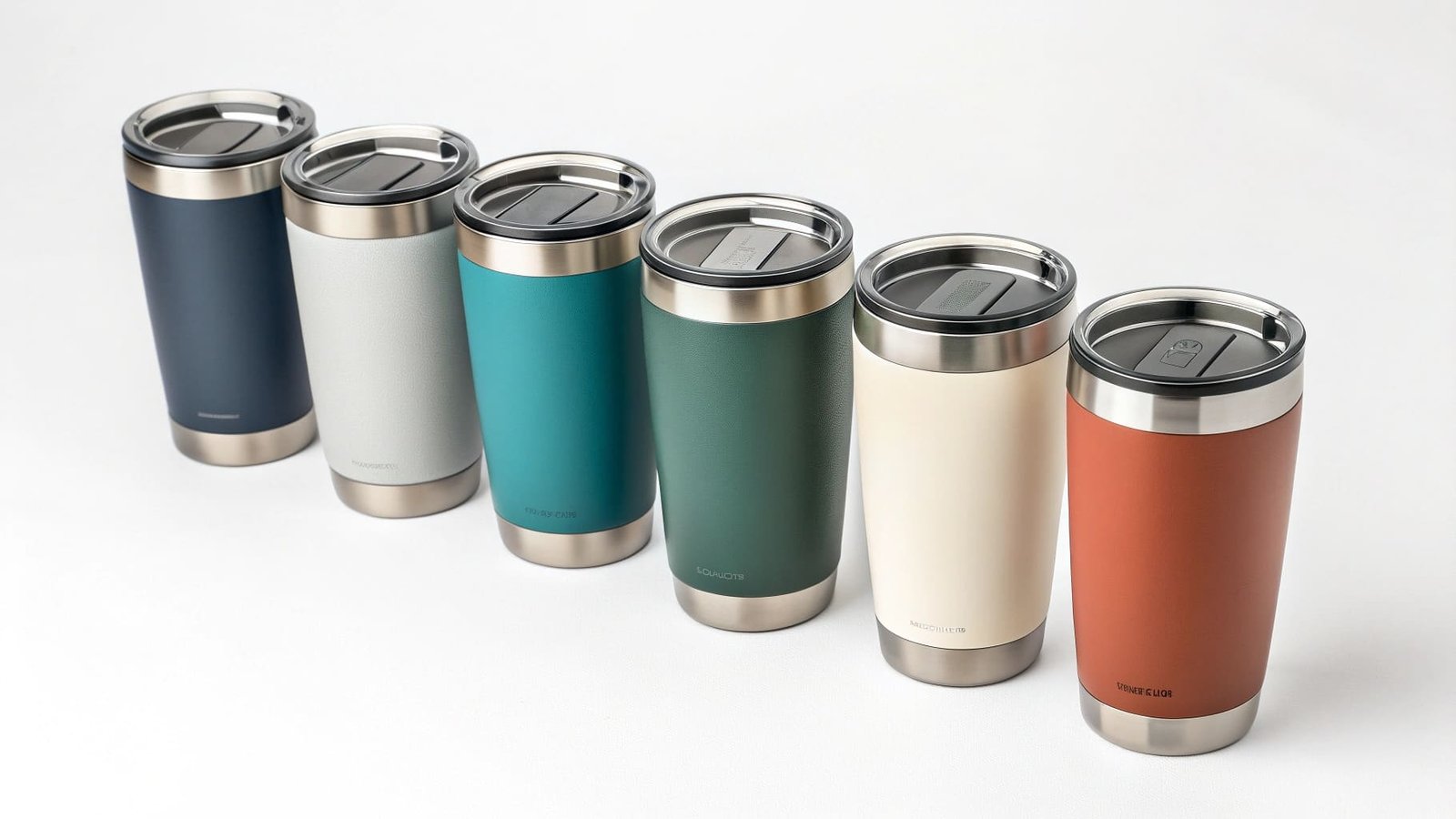
Understanding Skinny Tumbler Specifications
The "skinny" design isn't just about aesthetics. It affects shipping costs, protective gear requirements, and customer usage patterns.
Standard Measurement Breakdown
| Dimension | Measurement | Why It Matters |
|---|---|---|
| Total height | 8.25 inches | Affects box height and shelf space |
| Base diameter | 2.75 inches | Determines silicone boot size needed |
| Top diameter | 3.5 inches | Affects lid compatibility |
| Wall thickness | 0.04 inches | Impacts insulation performance |
| Weight (empty) | 10.5 oz | Influences shipping costs |
Why Silicone Bottoms Matter for These Dimensions
The narrow base creates a stability issue. When customers place these tumblers on smooth surfaces like glass tables or car cup holders, they can slide around. I've had customers tell me their tumblers fell off desks because the metal base was too slippery. A silicone boot adds grip and prevents these accidents.
The height-to-base ratio makes these tumblers top-heavy when full. This design means they tip over more easily than shorter, wider tumblers. The rubber bottom doesn't just protect the tumbler itself. It protects whatever surface the tumbler sits on from scratches and dents.
Packaging Implications
These specific dimensions mean you need boxes that are at least 9 inches tall and 3 inches wide internally. Most B2B buyers forget to account for the extra bulk that silicone bottoms add. A rubber boot adds about 0.25 inches to the base diameter. That small difference matters when you're packing 100 units in a carton. Your packaging supplier needs this information upfront to design efficient cartons.
What is the difference between a sublimation tumbler and a regular tumbler?
You're expanding your product line. A supplier offers both sublimation and regular tumblers at different prices. You need to understand what makes them different and which one your customers actually want.
Sublimation tumblers have a special polymer coating that bonds with sublimation ink under heat, allowing custom designs to be transferred onto the surface. Regular tumblers lack this coating, making them suitable only for vinyl decals or paint-based decoration methods.
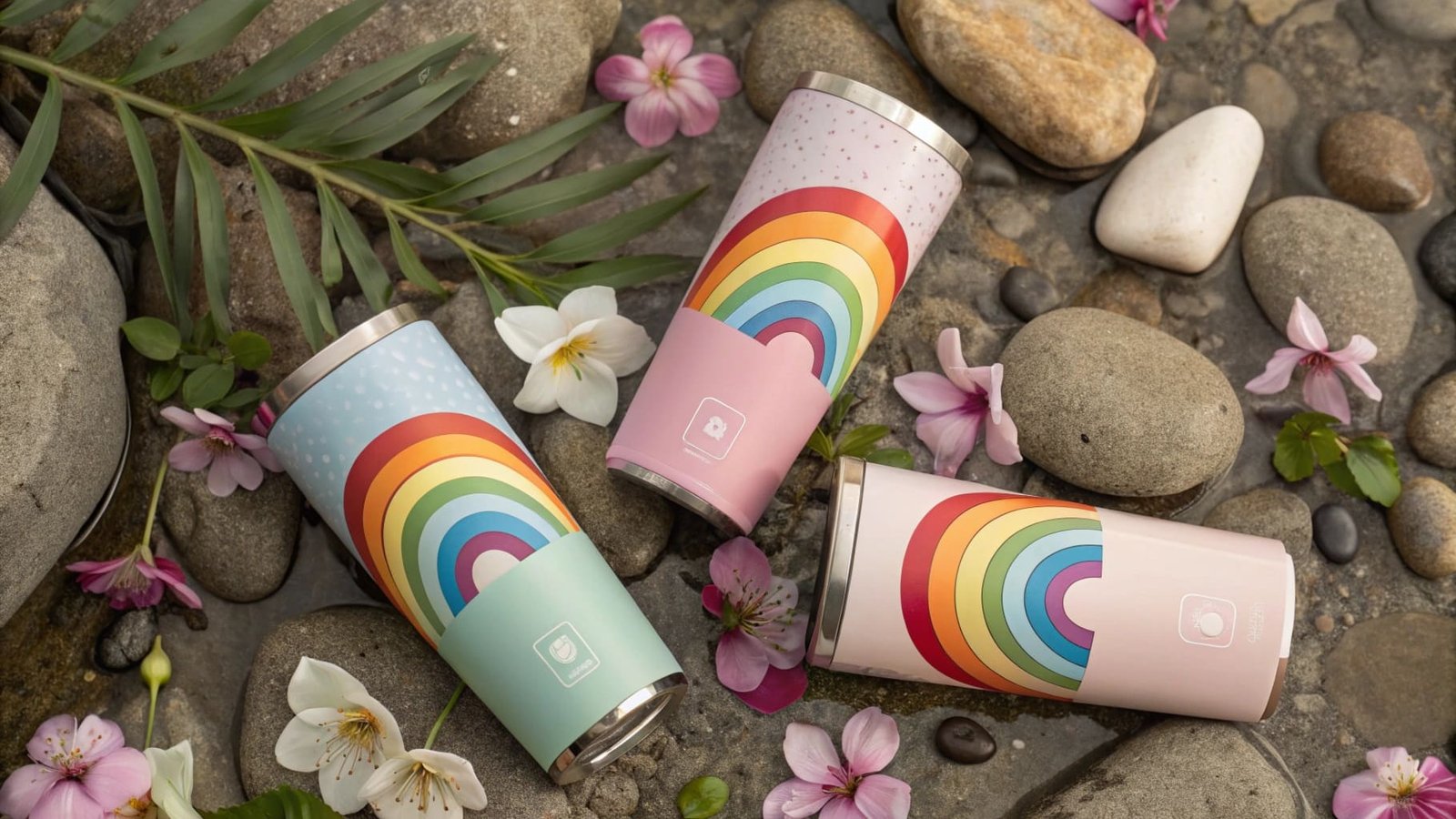
Technical Differences That Affect Your Business
The coating difference impacts more than just decoration options. It affects your storage requirements, handling procedures, and protection needs.
Coating Composition
| Tumbler Type | Surface Treatment | Decoration Methods | Durability Rating |
|---|---|---|---|
| Sublimation | Polymer coating | Heat transfer, dye sublimation | High (coating can chip) |
| Regular | Raw stainless or powder coat | Vinyl decals, laser engraving, painting | Very high (no coating to damage) |
| Ceramic-coated | Ceramic layer | Limited options | Medium (can crack) |
Why This Matters for Wholesale Buyers
The polymer coating on sublimation tumblers4 makes them more valuable but also more vulnerable during shipping. I remember a conversation with Mark last year. He bought 2,000 sublimation tumblers and stored them in a warehouse where temperatures reached 40°C in summer. The coating started showing stress marks. Regular tumblers would have been fine in those conditions.
Protection Requirements Differ
Sublimation tumblers need more care. The coating can scratch if tumblers rub against each other during transport. This is where silicone bottoms become essential rather than optional. They create a buffer zone that prevents direct metal-to-metal contact.
Regular tumblers are tougher. The stainless steel can handle more abuse. But even they benefit from rubber boots because customer expectations have changed. Buyers expect products to arrive perfect, and that means protecting every surface.
Market Demand Considerations
Sublimation tumblers dominate the personalization market. Crafters love them. Small businesses that do custom orders prefer them. The ability to print full-color photos and complex designs makes them worth the extra cost and fragility.
Regular tumblers work better for corporate bulk orders where decoration is minimal. A simple laser-engraved logo doesn't need the polymer coating. But these buyers often want premium presentation, which means including protective accessories like silicone boots to show attention to detail.
Conclusion
Including rubber bottoms in wholesale tumbler packages makes business sense. The small cost increase prevents damage, reduces complaints, and makes your offering more competitive in a market where convenience matters as much as price.
-
Explore how rubber bottoms enhance tumbler durability and customer satisfaction. ↩
-
Find out how silicone boots protect tumblers and enhance user experience. ↩
-
Explore the various factors that influence the complexity and cost of tumbler customization. ↩
-
Discover the unique features of sublimation tumblers and their market demand. ↩