Which Silicone Rubber Boot Trays Meet Commercial Floor Protection Standards?
Last month, I received three urgent emails from procurement officers. They all had the same problem. Each one thought they ordered floor protection, but they actually needed worker safety gear. This confusion costs companies thousands of dollars every year.
Silicone rubber boot trays that meet commercial floor protection standards must have load-bearing capacity1 above 200 pounds per square foot, resist cleaning chemicals, and maintain shape between minus 40 to 450 degrees Fahrenheit. These trays protect your floors from water, mud, and debris.
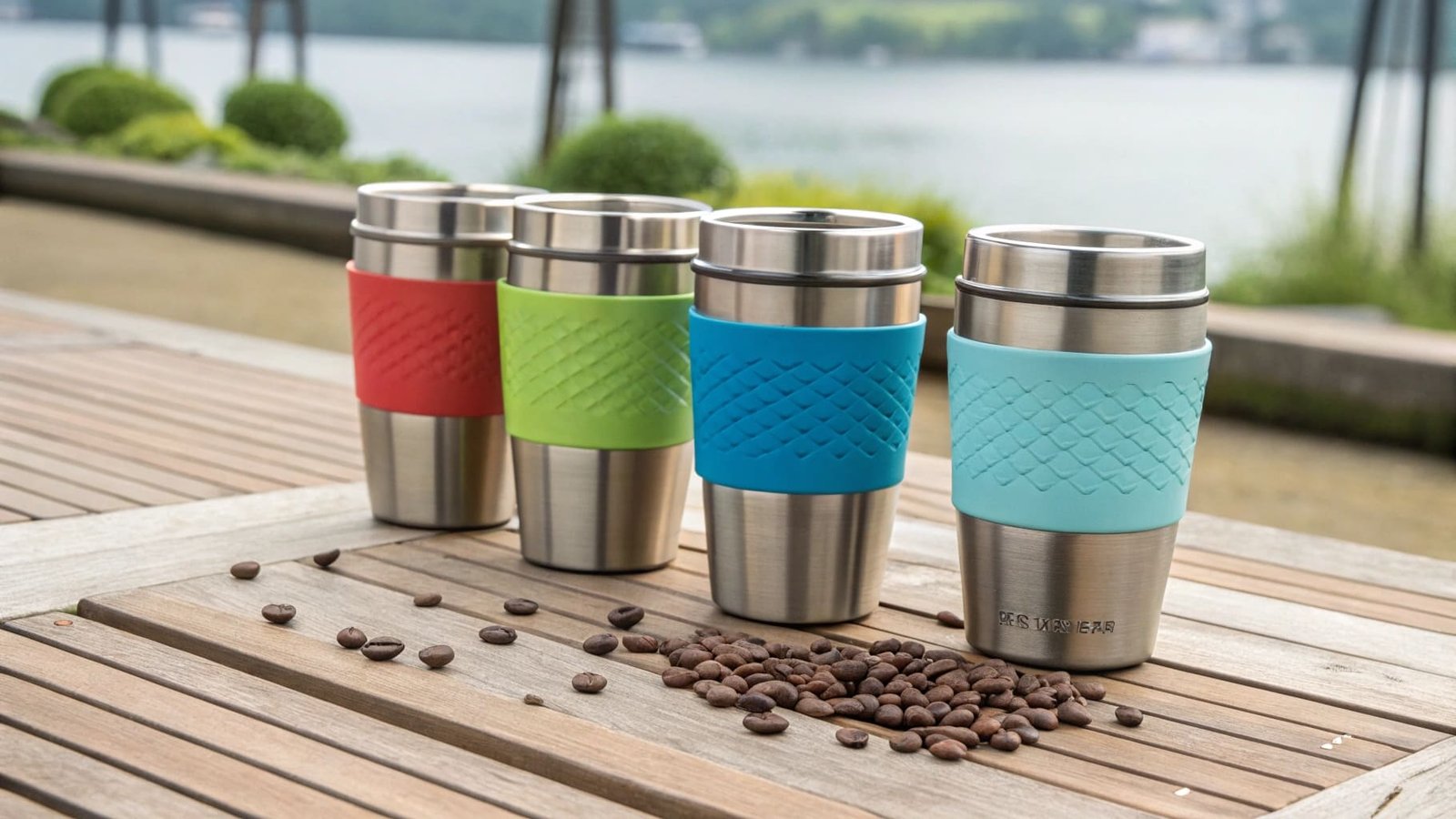
I have worked with over 200 B2B clients from North America and Europe. The most common mistake I see is mixing up two different products. One protects floors. The other protects people. Let me show you how to tell them apart and choose what you actually need.
What type of protective footwear may be required when transporting corrosive substances?
Your workers face serious danger if they wear the wrong boots around corrosive substances. I have seen accidents happen because companies bought the wrong protection. The consequences are severe and expensive.
Workers transporting corrosive substances need boots with nitrile rubber, PVC, or neoprene construction. These materials must meet ASTM F2413 or EN ISO 20345 safety standards. The boots should cover the entire foot and lower leg to prevent chemical contact.
Understanding Chemical Hazard Levels
I remember when Mark from Toronto called me. His warehouse team handled battery acids daily. He thought silicone boot trays would protect his workers. I had to explain that floor trays and safety boots serve different purposes.
When you transport corrosive substances, you need to match boot materials to specific chemicals. Acids require different protection than bases or solvents. The wrong choice means the chemical eats through the boot material2. This puts your workers at risk.
Here is a breakdown of protection requirements:
| Chemical Type | Boot Material | Coverage Required | Standard |
|---|---|---|---|
| Strong Acids | Nitrile Rubber | Full foot and leg | ASTM F2413 |
| Alkaline Solutions | PVC | Above ankle | EN ISO 20345 |
| Organic Solvents | Neoprene | Mid-calf minimum | ASTM F2413 |
| Mixed Chemicals | Butyl Rubber | Full coverage | Both standards |
The boot must also have steel or composite toe caps. This protects against impact if workers drop containers. Non-slip soles are essential because corrosive liquids make floors slippery. I always tell my clients to check if boots have penetration-resistant midsoles too.
What kind of boots are chemical resistant?
Many buyers ask me about chemical-resistant boots3 when they actually need floor protection. I understand why this confusion happens. The terminology overlaps, but the products serve completely different needs.
Chemical-resistant boots use materials like nitrile rubber, PVC, neoprene, or butyl rubber. These boots protect workers from direct chemical contact. They must pass permeation testing, which measures how long chemicals take to penetrate the material. Quality boots resist permeation for at least eight hours.
Key Features of Chemical-Resistant Boots
I worked with a Canadian distributor last year who sold safety equipment. He explained that most industrial accidents happen because companies skip proper boot specifications. They try to save money by buying general-purpose boots instead of chemical-specific ones.
The boot construction matters just as much as the material. Seams must be sealed completely. Any gap allows chemicals to seep inside. The sole needs to be directly molded to the upper part. This eliminates stitching that chemicals can attack.
Here are the main features you should check:
Material Selection
The boot material must resist your specific chemicals. Nitrile works well for oils and acids. PVC handles most general chemicals. Neoprene resists oxidation and weather. Butyl rubber provides the best protection against gases and vapors.
Boot Height
Ankle boots only work for minor splashes. Knee-high boots are necessary when workers wade through contaminated areas. Some operations need chest waders if the chemical exposure risk is severe.
Thickness Measurement
Thicker material does not always mean better protection. I have tested boots from three to eight millimeters thick. The chemical type determines ideal thickness. Some aggressive chemicals penetrate thick material faster than thin material made from the right compound.
Certification Requirements
Look for boots tested to recognized standards. European EN standards are common worldwide. American ASTM standards apply in North America. Chinese GB standards work for domestic operations. Never buy boots without valid test certificates.
What is the best material for a boot liner?
This question reveals another common confusion in procurement. Boot liners serve a different function than boot trays. I need to address both to help you make the right choice.
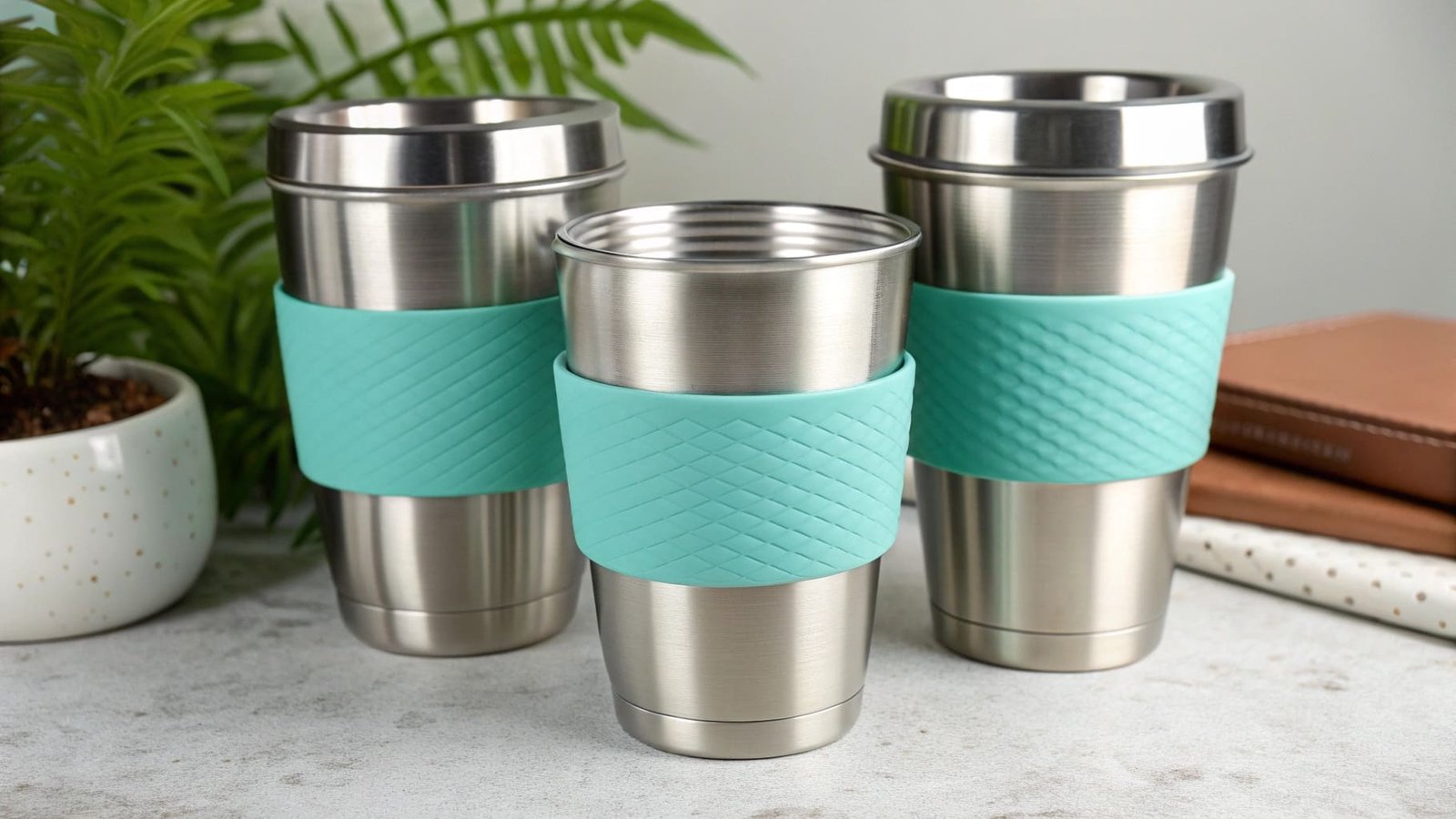
For boot liners inside footwear, materials like foam, felt, or textile composites provide comfort and insulation. For boot trays that collect debris, silicone rubber offers superior performance compared to traditional rubber, plastic, or metal alternatives in commercial settings.
Comparing Boot Tray Materials
I manufacture silicone products4, so I know the technical differences well. When Mark asked me about floor protection last month, I showed him why silicone outperforms other materials in commercial environments.
Traditional rubber trays crack in cold weather. They become sticky in heat. Plastic trays are lightweight but break easily under heavy use. Metal trays rust when exposed to water and salt. Silicone solves all these problems.
Here is what makes silicone the best choice for boot trays:
Temperature Stability
Silicone maintains flexibility from minus 40 degrees Fahrenheit to 450 degrees Fahrenheit. This range covers all normal commercial environments. Your trays work the same in winter and summer. Other materials become brittle in cold or melt in heat.
Chemical Resistance
Silicone resists most cleaning chemicals, salts, and pH extremes. You can use strong disinfectants without damaging the tray. This matters in food service, healthcare, or any industry with strict sanitation requirements.
Non-Slip Properties
The natural grip of silicone prevents trays from sliding on floors. It also gives traction to boots stepping on the tray surface. This dual non-slip feature reduces accidents in wet conditions.
Easy Maintenance
Silicone does not absorb water or odors. You can rinse trays with a hose. They dry quickly. Food-grade silicone even allows dishwasher cleaning for smaller trays. I have customers who use the same trays for five years with minimal wear.
Load Distribution
Quality silicone trays distribute weight evenly. They do not develop weak spots or permanent deformation. This matters when heavy work boots step on them repeatedly throughout the day.
The comparison table shows why I recommend silicone:
| Property | Silicone | Rubber | Plastic | Metal |
|---|---|---|---|---|
| Temperature Range | -40°F to 450°F | 0°F to 200°F | 10°F to 140°F | All ranges |
| Chemical Resistance | Excellent | Good | Poor | Varies |
| Durability | 5+ years | 2-3 years | 1-2 years | Rusts |
| Weight | Light | Medium | Very Light | Heavy |
| Maintenance | Easy | Moderate | Easy | High |
Conclusion
Choose silicone boot trays for floor protection and certified chemical-resistant boots for worker safety. These are two separate purchases that work together to create a safe, clean commercial environment.
-
Understand the importance of load-bearing capacity in selecting the right boot trays for your needs. ↩
-
Understand the best boot materials for chemical protection to keep your workers safe. ↩
-
Explore the best materials for chemical-resistant boots to ensure worker safety in hazardous environments. ↩
-
Learn about the advantages of silicone products and why they are preferred in commercial settings. ↩