Which Sublimation Tumbler Sleeve Fits Most Standard Sizes for Retailers?
Wrong sleeve size means wasted stock, unhappy customers, and returns. I have seen this cost retailers real money. Getting the right fit starts with knowing the numbers.
The most versatile sublimation tumbler sleeve for retailers measures 9.5" x 8.25".1 This size fits most standard tumblers from 20oz to 30oz. It is the closest thing to a universal fit in the market today, and stocking it reduces the number of SKUs you need to manage.
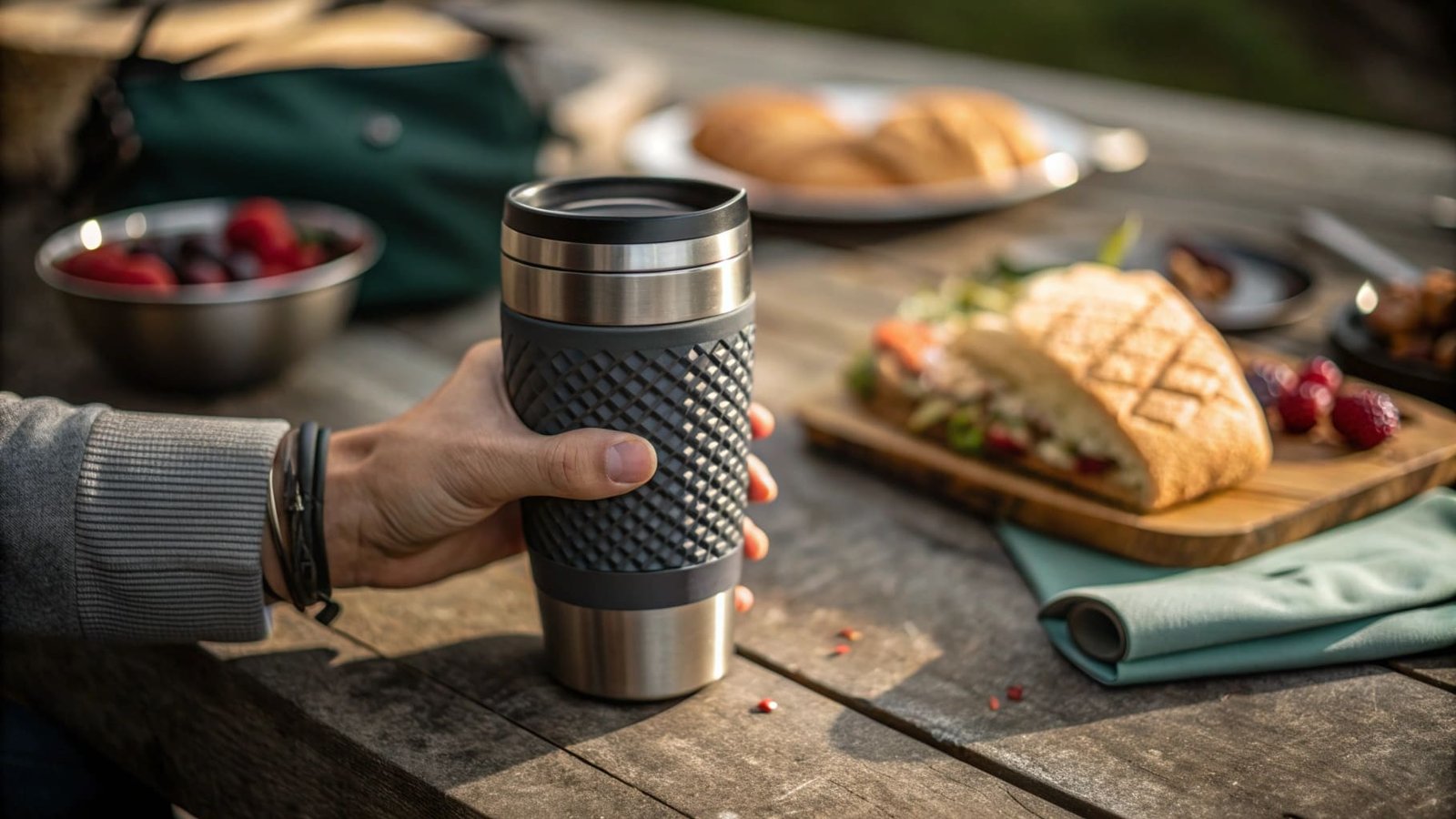
Stocking the wrong sleeve sizes is one of the fastest ways to drain cash from a retail operation. I want to walk you through the key sizing information I use when sourcing sublimation sleeves for wholesale customers. By the end, you will know exactly which sizes to prioritize and why.
What is the Size of a Sublimation Tumbler?
Tumbler sizes vary more than most buyers expect. Pick the wrong sleeve size, and the print will not come out right. Returns will follow.
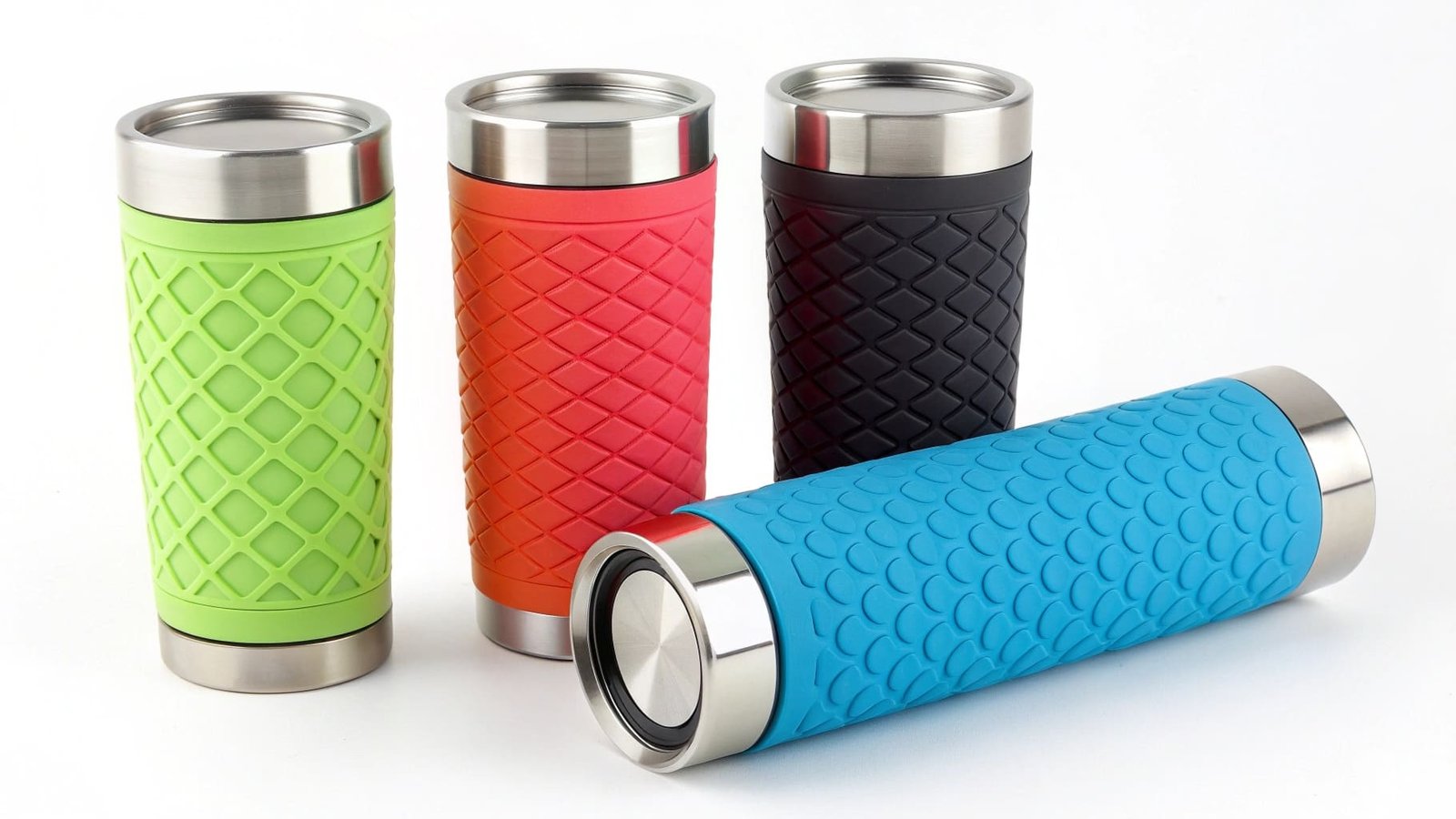
A standard sublimation tumbler ranges from 12oz to 40oz.2 The most common retail sizes are 12oz, 20oz, and 30oz. These three sizes cover roughly 85% of the market. Each size has a different height and diameter, which directly affects which sleeve will fit.
Why Tumbler Dimensions Matter for Sleeve Selection
When I talk to procurement buyers about tumbler sizing, the conversation always comes back to two measurements: height and diameter. These two numbers determine whether a sleeve will fit, stay in place, and transfer a print cleanly.
Here is a breakdown of the most common tumbler sizes and their typical dimensions:
| Tumbler Size | Height (approx.) | Base Diameter (approx.) | Top Diameter (approx.) |
|---|---|---|---|
| 12oz | 4.25" | 2.8" | 3.4" |
| 20oz | 6.9" | 2.8" | 3.5" |
| 30oz | 8.0" | 3.0" | 4.0" |
| 40oz | 11.0" | 3.2" | 4.1" |
The taper angle of a tumbler also plays a role. A steeper taper means the sleeve needs more stretch to sit flat. If a sleeve cannot stretch enough, it will bunch at the top or bottom. That creates air pockets during heat transfer, which ruins the print.3
Wall thickness is another factor. Thicker walls push the sleeve outward, which changes surface tension. This is why I always ask suppliers to provide dimensional tolerance data before placing a bulk order. I look for a tolerance within 2mm. Anything beyond that increases the risk of print defects and drives up return rates.
Silicone sleeves handle slight size variations better than neoprene.4 Silicone stretches more evenly and snaps back to shape after use. For retailers who carry multiple tumbler brands with slightly different specs, this matters a great deal.
What Are Sublimation Sleeves?
Many buyers confuse sublimation sleeves with standard insulated sleeves. They are not the same thing, and mixing them up leads to poor results and wasted print runs.
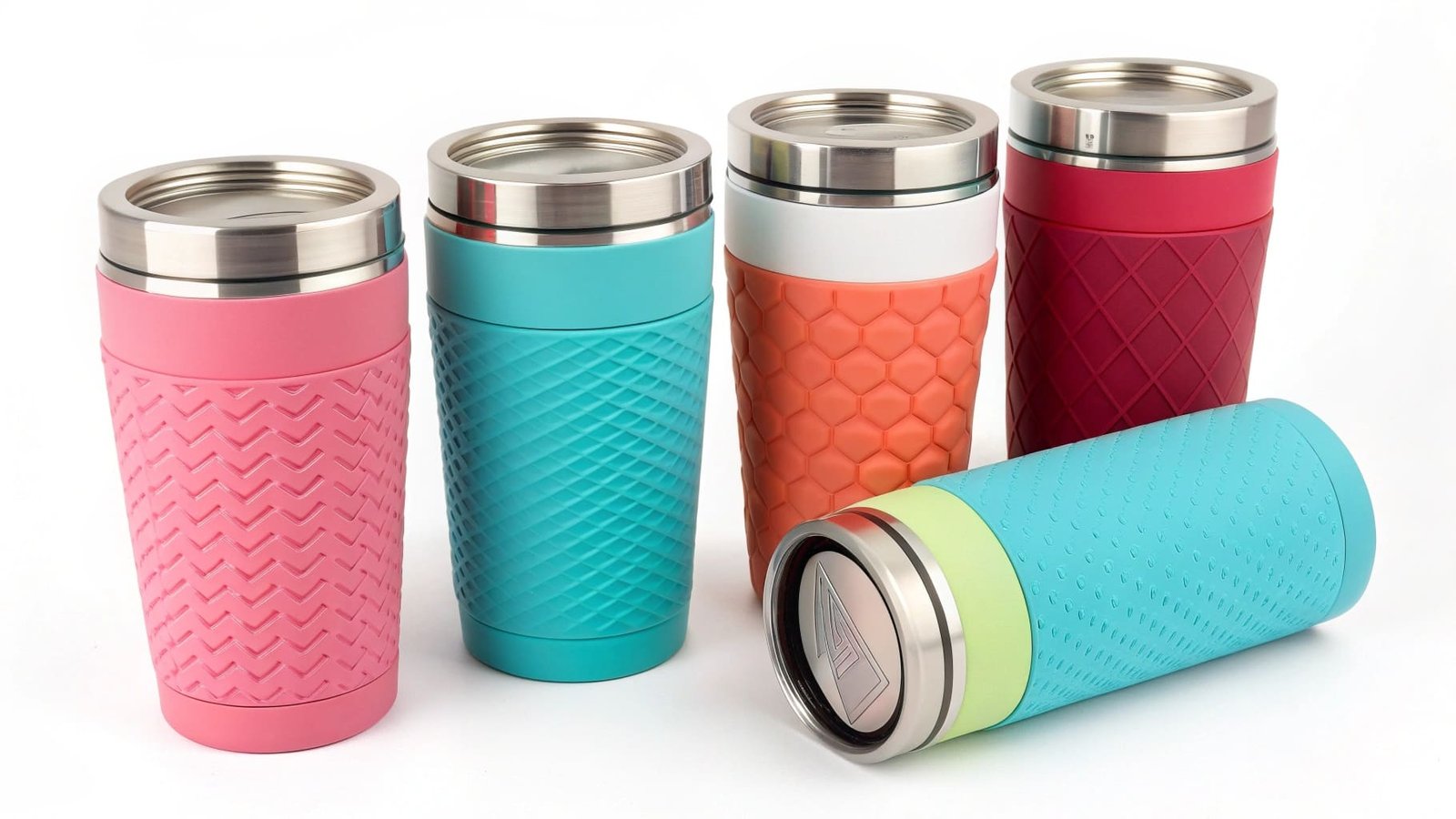
Sublimation sleeves are wraps made from neoprene or silicone that fit around a tumbler. They have a printable surface that accepts heat-transferred ink, which makes them ideal for custom branding and retail personalization products.
How Sublimation Sleeves Work and What to Look For
A sublimation sleeve works through heat transfer printing. A design is first printed onto transfer paper using sublimation ink. Then, the sleeve is pressed against the paper under heat. The ink turns into gas and bonds with the sleeve surface.5 The result is a full-color, durable print that does not peel or fade easily.6
Here is a comparison of the two main sleeve materials:
| Feature | Neoprene | Silicone |
|---|---|---|
| Print Quality | Good | Excellent |
| Durability | Moderate | High |
| Stretch | Limited | High |
| Food-Grade Options | Less common | Widely available |
| Environmental Profile | Lower | Higher |
| Cleaning Ease | Moderate | Easy |
From my experience sourcing these products, the market is shifting toward silicone. End consumers are asking more questions about materials. Retailers who carry food-grade silicone sleeves face fewer product complaints and returns over time.
For B2B buyers, material certification is not optional.7 I always ask suppliers for SGS or FDA-equivalent certification for any sleeve that will come into contact with food or beverages. I have seen suppliers provide fraudulent certificates, so I recommend requesting test reports directly from the testing lab when possible. A supplier who hesitates at this step is a supplier worth questioning.
The sublimation surface quality also differs between manufacturers. A smooth, even surface gives better print results. I check for surface consistency by requesting physical samples before committing to a large order. A confident supplier sends samples without hesitation.
What Size Wrap for 12oz Tumbler?
The 12oz tumbler is a popular size, but it catches many buyers off guard. Its smaller dimensions mean a standard large sleeve will simply not work.
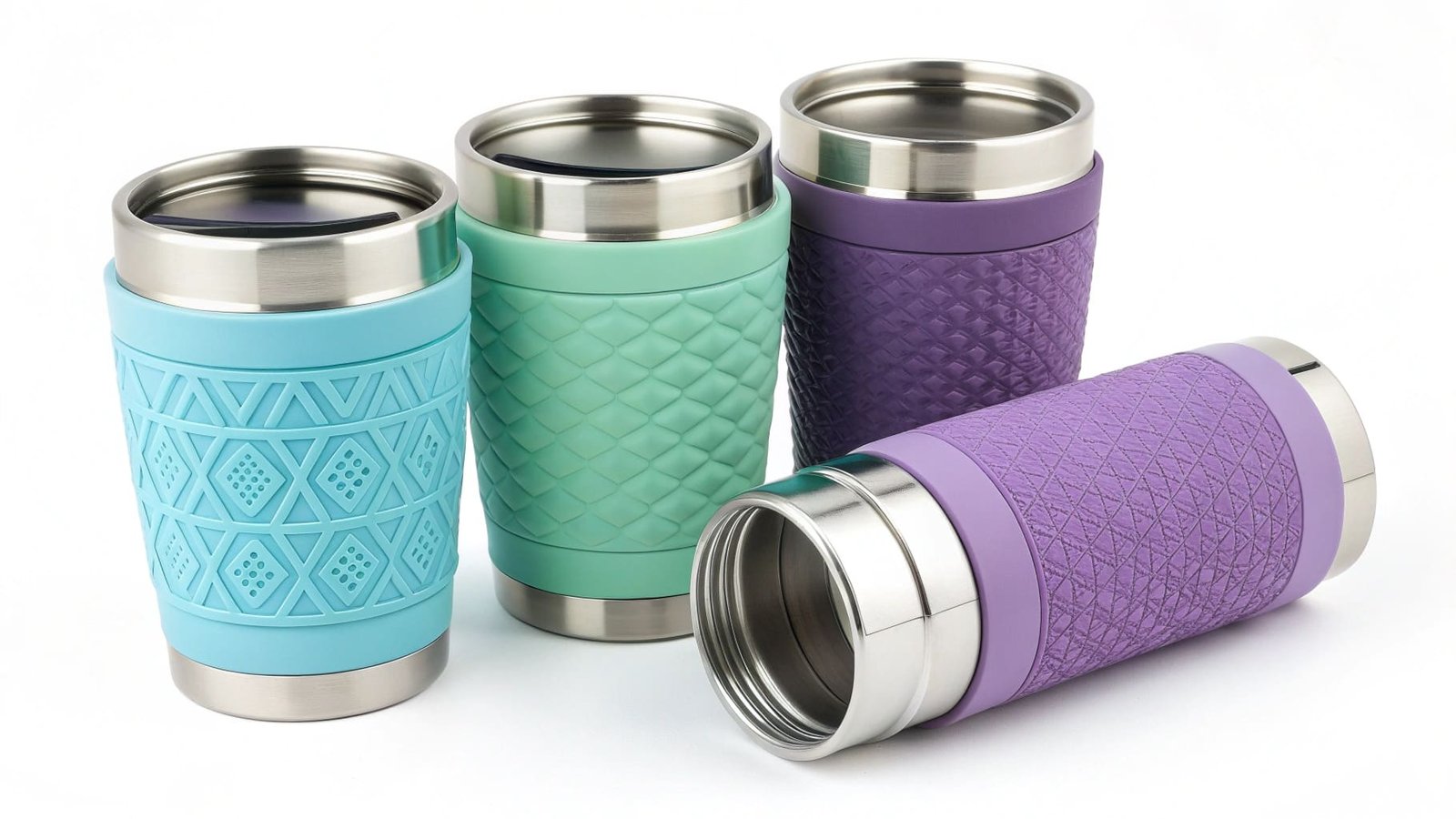
For a 12oz tumbler, the correct wrap size is 9" x 4.25". This covers the full printable area without excess material. Extra material causes wrinkles during heat transfer, which ruins print quality and increases rejection rates.
Sizing Down Without Losing Inventory Flexibility
The 12oz sleeve size is specific enough that most retailers need to stock it separately. It does not share sizing with the 20oz or 30oz sleeve. This is an important point for buyers who are trying to keep SKU count low and inventory simple.
Here is how I recommend structuring a core sleeve inventory for retail distribution:
| Sleeve Size | Fits Tumbler | Wrap Dimensions | Priority Level |
|---|---|---|---|
| Small | 12oz | 9" x 4.25" | Secondary |
| Medium | 20oz | 9.5" x 8.25" | Primary |
| Large | 30oz | 9.5" x 8.25" | Primary |
| Extra Large | 40oz | 9.5" x 11" | Optional |
The 20oz and 30oz sleeves share the same wrap dimensions in many cases, which is a real advantage.8 Retailers can sometimes run a single sleeve SKU that covers both sizes. This reduces minimum order quantities and simplifies stock rotation, which directly improves cash flow for distributors.
For the 12oz size, I recommend starting with a smaller test order. The 12oz tumbler market is more niche. It is popular for kids' drinkware and compact travel mugs, but it does not move at the same volume as 20oz or 30oz. Retailers should test sell-through rates before committing to large stock positions.
Variation between manufacturers is also more noticeable at smaller sizes. A 2mm tolerance difference affects a 12oz sleeve more than a 30oz sleeve in relative terms. I always request dimensional data sheets for 12oz sleeves before ordering. I look for suppliers who can hold tolerances consistently across production batches. Inconsistent dimensions lead to inconsistent prints. Inconsistent prints generate customer complaints. That chain of problems is entirely preventable with the right supplier checks in place.
Conclusion
Right sleeve sizing protects your inventory investment. Focus on the 9.5" x 8.25" universal fit for 20oz to 30oz, and stock the 9" x 4.25" separately for 12oz needs.
-
"How to print and cut a wrap for a 20oz tumbler? - Facebook", https://www.facebook.com/groups/1281587978954495/posts/1996892540757365/. Comparative sizing data for standard sublimation tumbler wraps identify 9.5 × 8.25 in. as a common dimension used for 20–30 oz formats, supporting its use as a broadly compatible retail stock size. Evidence role: general_support; source type: other. Supports: The source should show that 9.5" x 8.25" is commonly used as a wrap or sleeve dimension for standard 20oz and 30oz sublimation tumblers.. Scope note: This would support common use and compatibility, but not prove that it is objectively the single most versatile size in the entire market. ↩
-
"How to Make Sublimation 40 oz Tumblers - YouTube", https://www.youtube.com/watch?v=PCCvGXBsGdQ. Sublimation drinkware specification lists commonly include tumbler capacities from approximately 12 oz to 40 oz, supporting the article’s stated practical range for standard retail products. Evidence role: general_support; source type: other. Supports: The source should show that sublimation-ready tumblers are commonly sold in capacities from about 12oz through 40oz.. Scope note: The range describes common commercial availability and is not a formal industry standard. ↩
-
"20+ Reasons Your 3D Prints Look Terrible (SOLVED) - YouTube", https://www.youtube.com/watch?v=IVhVmARVgig. Technical studies of thermal and sublimation transfer processes describe uniform heat and contact as necessary for consistent image formation; air gaps interrupt this contact and can produce transfer defects. Evidence role: mechanism; source type: paper. Supports: The source should show that air gaps or poor contact reduce heat transfer uniformity and can cause incomplete or uneven image transfer.. Scope note: The evidence would support the physical mechanism rather than quantify defect rates for this specific sleeve product. ↩
-
"[PDF] MECHANICAL PROPERTIES OF RUBBER", https://ptacts.uspto.gov/ptacts/public-informations/petitions/1549568/download-documents?artifactId=3VpxoVnWA80Bh0UwI-AzTz53LOpYdckLgYuLisWom2zGDJj3Qytl-nM. Materials references generally describe silicone rubber as an elastomer with high flexibility and elastic recovery, while neoprene has different stiffness and elongation characteristics; these properties help explain why silicone may accommodate small dimensional variations more readily. Evidence role: mechanism; source type: education. Supports: The source should compare silicone rubber and neoprene properties such as elongation, elastic recovery, and flexibility.. Scope note: Material-property data support the mechanism but do not by themselves test finished tumbler sleeves from specific manufacturers. ↩
-
"Dye-sublimation printing - Wikipedia", https://en.wikipedia.org/wiki/Dye-sublimation_printing. Educational descriptions of dye-sublimation printing state that heat converts sublimation dyes into vapor, allowing the dye to diffuse into a compatible polymer coating or substrate. Evidence role: definition; source type: education. Supports: The source should explain the dye-sublimation process in which dyes vaporize under heat and diffuse into or bond with a receptive polymer surface.. Scope note: The source would describe the general printing process and may not address every sleeve material formulation. ↩
-
"Dye-sublimation printing - Wikipedia", https://en.wikipedia.org/wiki/Dye-sublimation_printing. Printing-technology literature explains that dye-sublimation images are formed by dye diffusion into a receptive substrate rather than by depositing a separate surface film, which accounts for their resistance to peeling and their potential durability. Evidence role: mechanism; source type: paper. Supports: The source should show that sublimation dyes become embedded in or diffuse into the substrate, which can improve resistance to peeling compared with surface-applied films or inks.. Scope note: Fade resistance depends on dye chemistry, substrate, washing, abrasion, and UV exposure, so the support is conditional rather than absolute. ↩
-
"Inventory of Food Contact Substances Listed in 21 CFR", https://hfpappexternal.fda.gov/scripts/fdcc/index.cfm?search=silicone&set=IndirectAdditives. Food-contact material regulations require that substances used in articles contacting food comply with applicable safety provisions, supporting the need for certification or test documentation in B2B sourcing. Evidence role: expert_consensus; source type: government. Supports: The source should document that materials intended for food or beverage contact are subject to regulatory compliance requirements and may require documentation or testing.. Scope note: Specific certification requirements vary by jurisdiction, material composition, and whether the sleeve directly contacts food or only the exterior of a container. ↩
-
"30 Oz Tumbler Template Size - Printable Art Activities", https://eset.desales.edu/viewer/30-oz-tumbler-template-size.html. Published sublimation tumbler template dimensions frequently list similar 9.5 × 8.25 in. wrap sizes for 20 oz and selected 30 oz formats, supporting the claim that one sleeve SKU can sometimes serve both capacities. Evidence role: case_reference; source type: other. Supports: The source should show multiple 20oz and 30oz tumbler templates or specifications listing the same or similar wrap dimensions.. Scope note: The evidence would support compatibility in many cases, not all 20 oz and 30 oz tumblers. ↩