Why Are Jar Lids Made in Two Parts for Industrial Packaging Standards?
You open your warehouse shipment of canned goods and notice the lids come separated. Your production line needs to run smoothly. One defective seal could cost you thousands in recalled products.
Jar lids use a two-part design because it allows the flat disk to create a permanent vacuum seal while the threaded band remains reusable. This split system reduces packaging costs and meets industrial safety standards. The disk contains a silicone or rubber gasket1 that seals during heat processing.
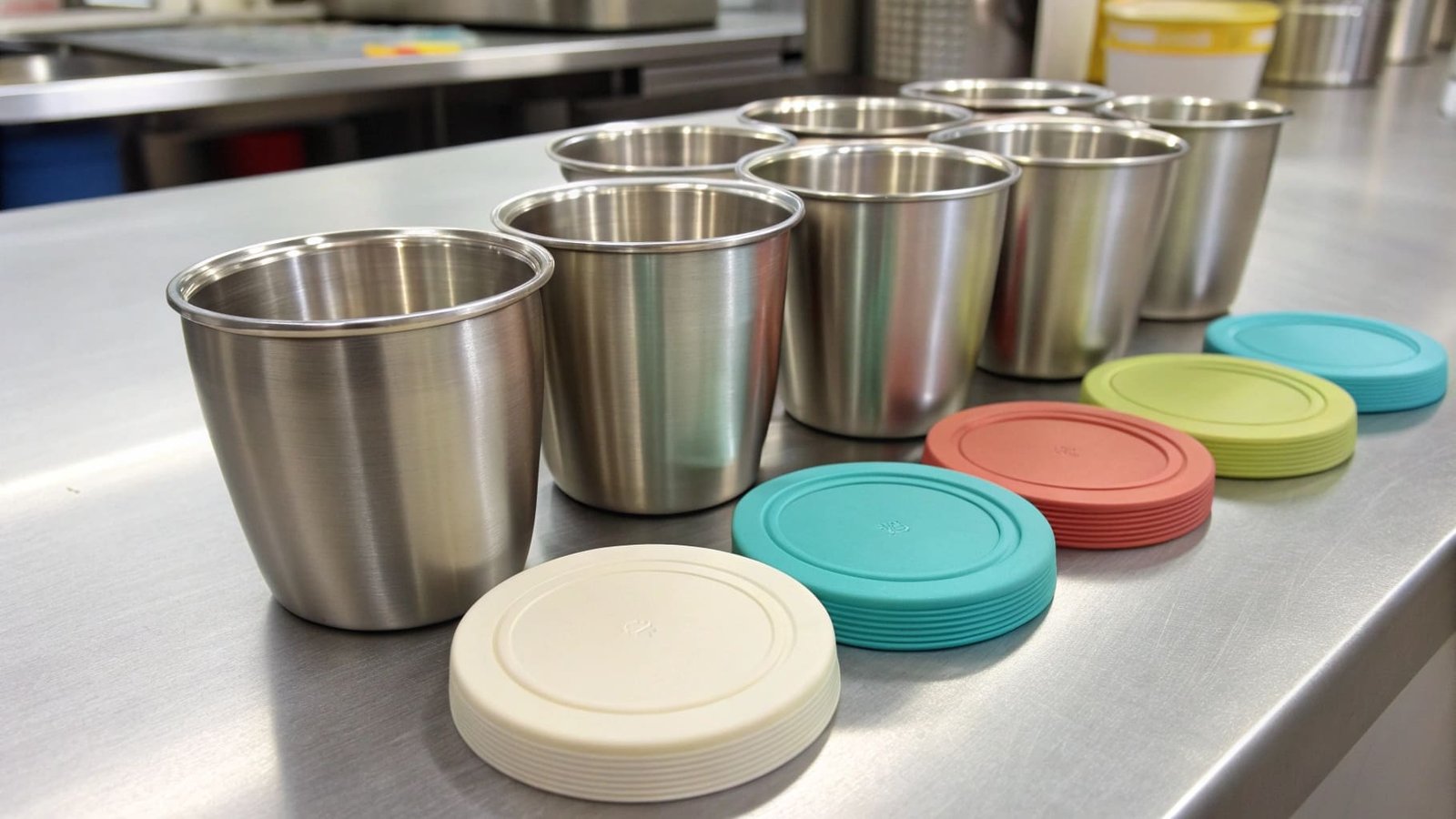
I work with procurement officers who order silicone sealing solutions for their packaging lines. They ask me about lid standards every week. The two-part lid system affects their entire operation. Let me show you what I learned from supplying silicone gaskets to packaging manufacturers2.
Why are canning lids in two pieces?
Your supplier ships you single-use disks and reusable bands separately. You wonder why they cannot combine them into one piece. The answer affects your bottom line more than you think.
Canning lids split into two pieces to separate the permanent sealing component from the reusable securing mechanism. The flat disk creates the vacuum seal and gets discarded after opening. The threaded band simply holds the disk in place during processing and can be used multiple times.

The economics of this design make sense when you run high-volume operations. I talked to a food manufacturer in California who processes 50,000 jars daily. He told me his team reuses the metal bands up to 12 times before they show wear. The disks get replaced every single time. This cuts his packaging costs by roughly 40% compared to one-piece lid systems.
The two-part system also solves a technical problem. During heat processing, the contents inside the jar expand. Air pushes out from under the disk. When the jar cools down, a vacuum forms. The silicone gasket on the disk creates an airtight seal. The band does not need to stay tight for this to work. I have seen people remove the band completely and the seal stays intact. That vacuum is what preserves the food.
Here is how the components work together:
| Component | Function | Lifespan | Cost Impact |
|---|---|---|---|
| Flat Disk | Creates vacuum seal | Single use | Higher per unit |
| Silicone Gasket | Forms airtight barrier | Single use | Material dependent |
| Metal Band | Holds disk during processing | 10-15 uses | Lower long-term cost |
I supply silicone gasket compounds to lid manufacturers. The quality of that gasket material determines whether the seal holds or fails. One of my clients in Europe rejected a batch because the silicone compound was too hard. The disks would not seal properly. They lost a week of production time. Material specifications matter in this industry.
What is a split type canning lid?
You see the term "split type" on supplier quotes. Your team needs to understand what makes this different from regular lids. The distinction affects your quality control process3.
A split type canning lid consists of a flat metal disk with an integrated sealing compound and a separate threaded metal ring. The disk contains a food-grade silicone4 or rubber gasket along its rim. The ring screws onto the jar to hold the disk in place during thermal processing.

I visited a canning facility in Ontario last year. The production manager showed me their lid assembly line. The workers place the flat disk on top of each filled jar. Then they screw the metal band over it. The band applies just enough pressure to keep the disk flat against the jar rim. It does not need to be extremely tight.
The split design allows for automation. Machines can feed disks and bands separately. This speeds up the packaging line. A continuous-piece lid would require different equipment. My Canadian distributor works with several food brands. He told me they prefer split-type lids because their existing machinery handles them better. Switching to one-piece lids would mean buying new equipment.
The split design also helps with inspection. Quality control teams can check the disk seal separately from the band. They look for defects in the silicone gasket. They check if the metal disk is flat and undamaged. The band gets inspected for threading quality. This two-stage inspection catches more defects before the lids reach the production line.
Here is what makes up a split type lid:
| Layer | Material | Purpose | Quality Factor |
|---|---|---|---|
| Metal Disk | Tinplate or aluminum | Structural support | Flatness tolerance |
| Sealing Compound | Silicone or rubber | Creates airtight seal | Shore hardness rating |
| Metal Band | Steel with coating | Secures disk | Thread pitch accuracy |
| Optional Coating | Food-safe lacquer | Prevents corrosion | Chemical resistance |
When I source silicone compounds for these disks, I test the Shore A hardness5. The measurement needs to fall between 40 and 60 for most applications. Too soft and the gasket deforms. Too hard and it will not compress enough to seal. I learned this after a supplier sent me material that tested at 75 Shore A. The lids failed seal tests. We had to remake the entire batch.
Are jar lids universal?
You plan to source jars from one country and lids from another. You assume the threading will match. This assumption could stop your entire production line.
Jar lids are not universal across all markets. North American mason jars follow relatively consistent threading standards, but European and Asian manufacturers use different thread pitches and neck finishes. The jar opening diameter and thread specifications must match between the jar and lid for proper sealing.
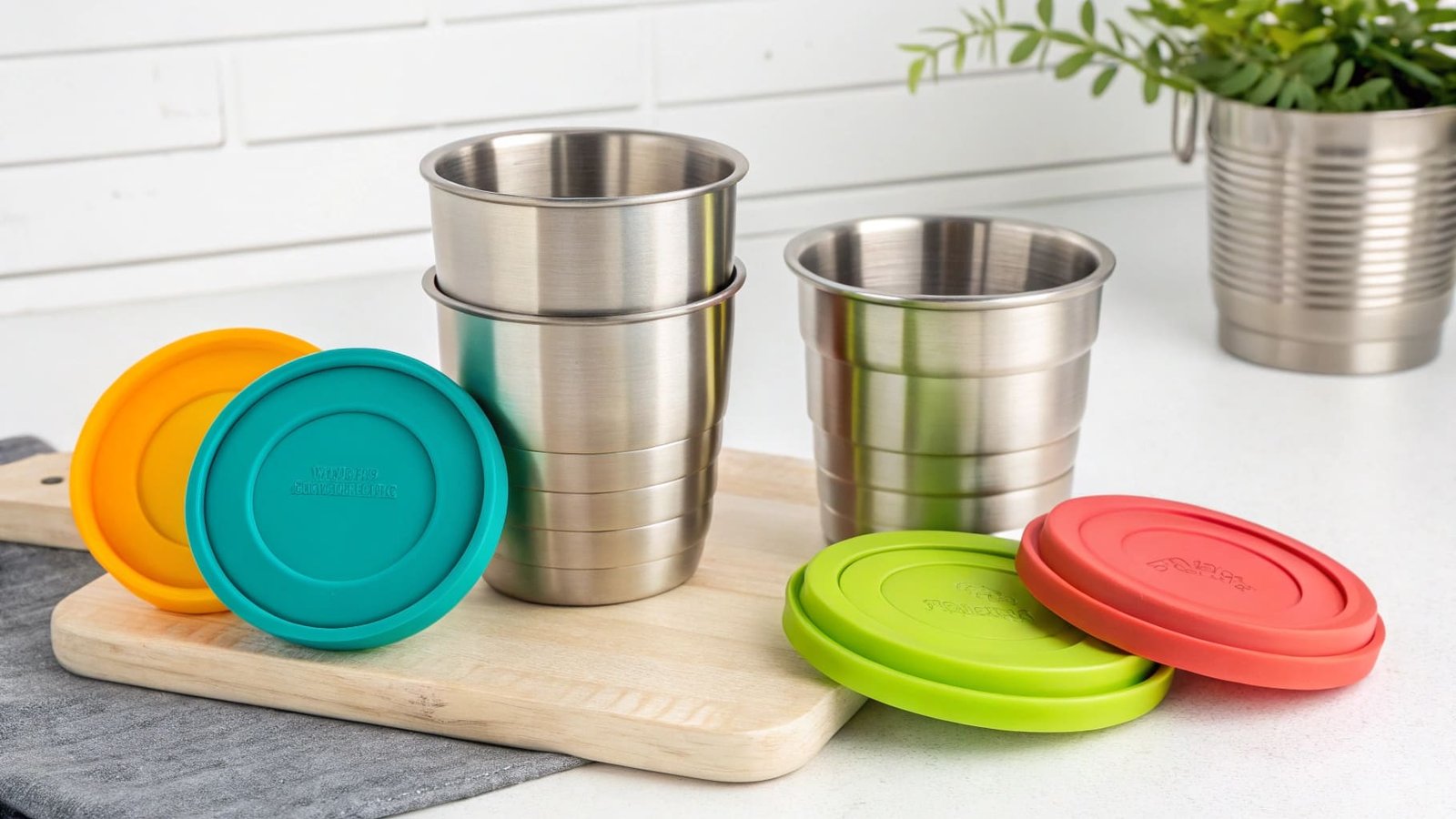
I deal with this problem constantly. A startup founder from Boston contacted me last month. He bought jars from a Chinese manufacturer and lids from a Canadian supplier. The lids would not screw on properly. The thread pitch was different. He had 10,000 jars he could not use. I helped him find a Chinese lid manufacturer who matched the jar threading.
The confusion comes from different industrial standards. North America uses measurements based on inches. The standard mason jar opening is roughly 70mm in diameter with a specific thread count per inch. European manufacturers work in metric and use different thread angles. Asian producers sometimes follow their own standards. No global authority enforces universal compatibility.
Here are the main differences between regions:
| Region | Standard Base | Common Diameter | Thread Pitch | Compatibility |
|---|---|---|---|---|
| North America | Imperial (inches) | 70mm, 86mm | 6-8 threads/inch | High within region |
| Europe | Metric | 63mm, 82mm | 2-3mm pitch | Medium within region |
| Asia | Mixed standards | Varies widely | Inconsistent | Low across brands |
| Australia | Metric | 70mm, 86mm | Similar to NA | Medium with NA |
My advice to B2B buyers is simple. Get samples of both the jars and lids before placing large orders. Test them together. Screw the band on and check if it sits flush. Fill a jar with water, seal it, and turn it upside down. If water leaks, the threading does not match properly.
I also recommend requesting technical drawings from suppliers. The drawings should show the thread specifications. Compare the jar neck finish to the lid inner threading. The measurements need to align within tight tolerances. A difference of even 0.5mm can prevent proper sealing.
One of my European clients imports mason jars from Vietnam for their preserves business. They learned this lesson the hard way. Their first container of jars arrived with slightly different threading than their standard lids. They had to order custom lids from Vietnam to match. The delay cost them their peak season sales window. Now they always order jars and lids from the same supplier to avoid compatibility issues.
Conclusion
The two-part lid system balances cost efficiency with reliable sealing for industrial packaging. Understanding these standards helps you avoid costly mistakes when sourcing packaging components across international supply chains.
-
Discover how gaskets contribute to airtight seals and food safety. ↩
-
Discover the key factors that influence lid design in manufacturing. ↩
-
Understand the steps involved in ensuring lid quality and safety. ↩
-
Explore the significance of using food-grade materials in packaging. ↩
-
Learn how Shore A hardness affects the performance of sealing gaskets. ↩