How to Design Silicone Lids and Soap Pumps for Hotel Supply Chains?
Last year, I shipped 50,000 silicone soap pump components to a hotel chain, only to receive a frantic call three weeks later. Half the pumps were jamming. The problem? Wrong material grade for their cleaning chemicals.
When designing silicone lids and soap pumps for hotels, you need specialized pump mechanisms for foaming soap, strategic placement for user convenience, and chemical-resistant materials1. The key is understanding high-frequency use demands and hygiene standards that differ from residential applications.
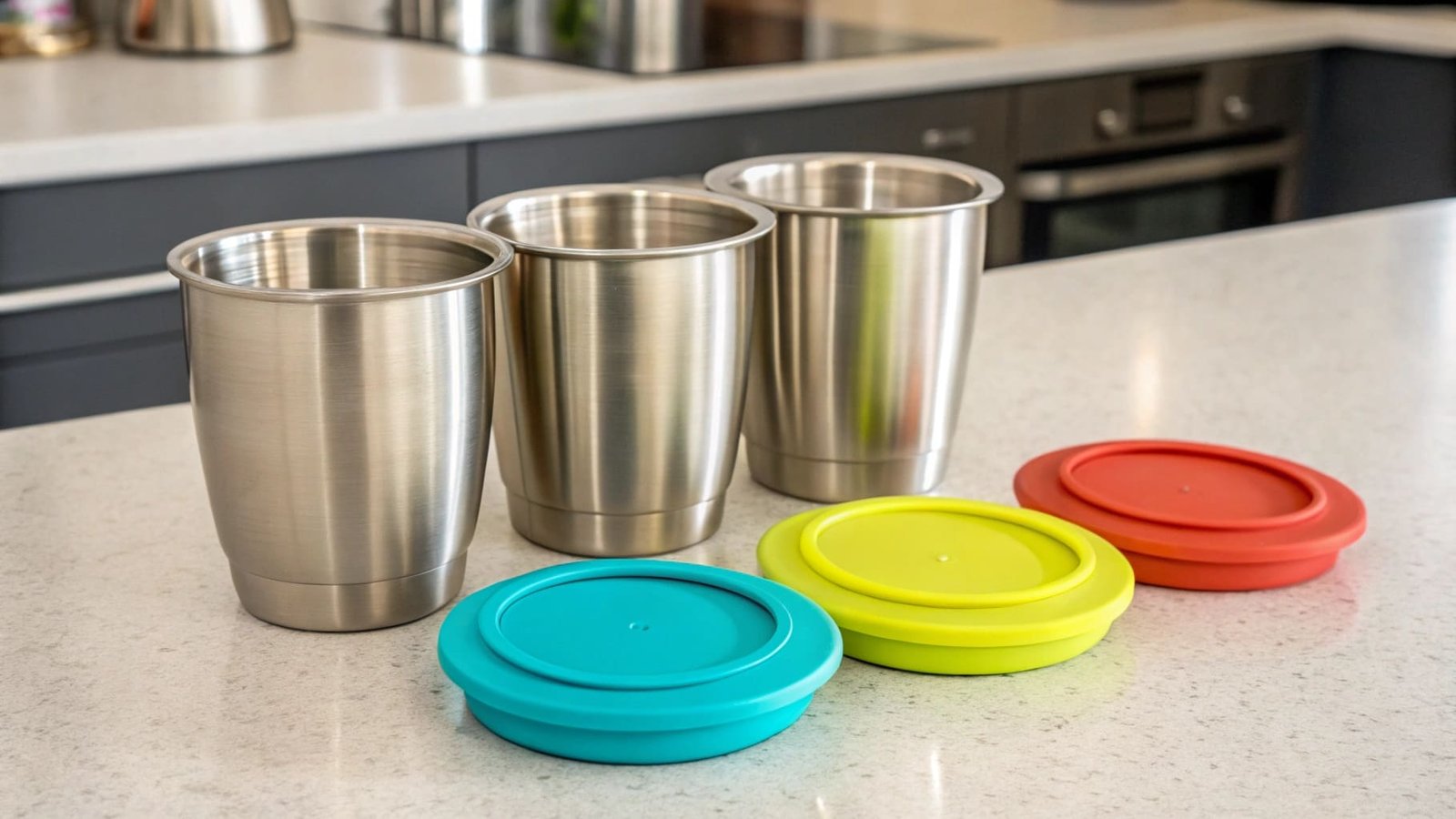
I learned this lesson the expensive way. Since then, I have worked with 23 hotel supply chains across North America and Europe. Each project taught me something new about what actually works in real hotel environments versus what looks good on paper.
Do You Need a Special Pump for Foaming Soap?
Your standard liquid soap pump will not create foam. I watched a hotel manager try to force regular soap through a foaming pump once. The result was a clogged mess and angry housekeeping staff.
Yes, foaming soap requires a specialized pump with an air-mixing chamber. The pump forces liquid soap through a mesh screen while drawing in air, creating the foam texture hotels prefer because it uses less product per wash.
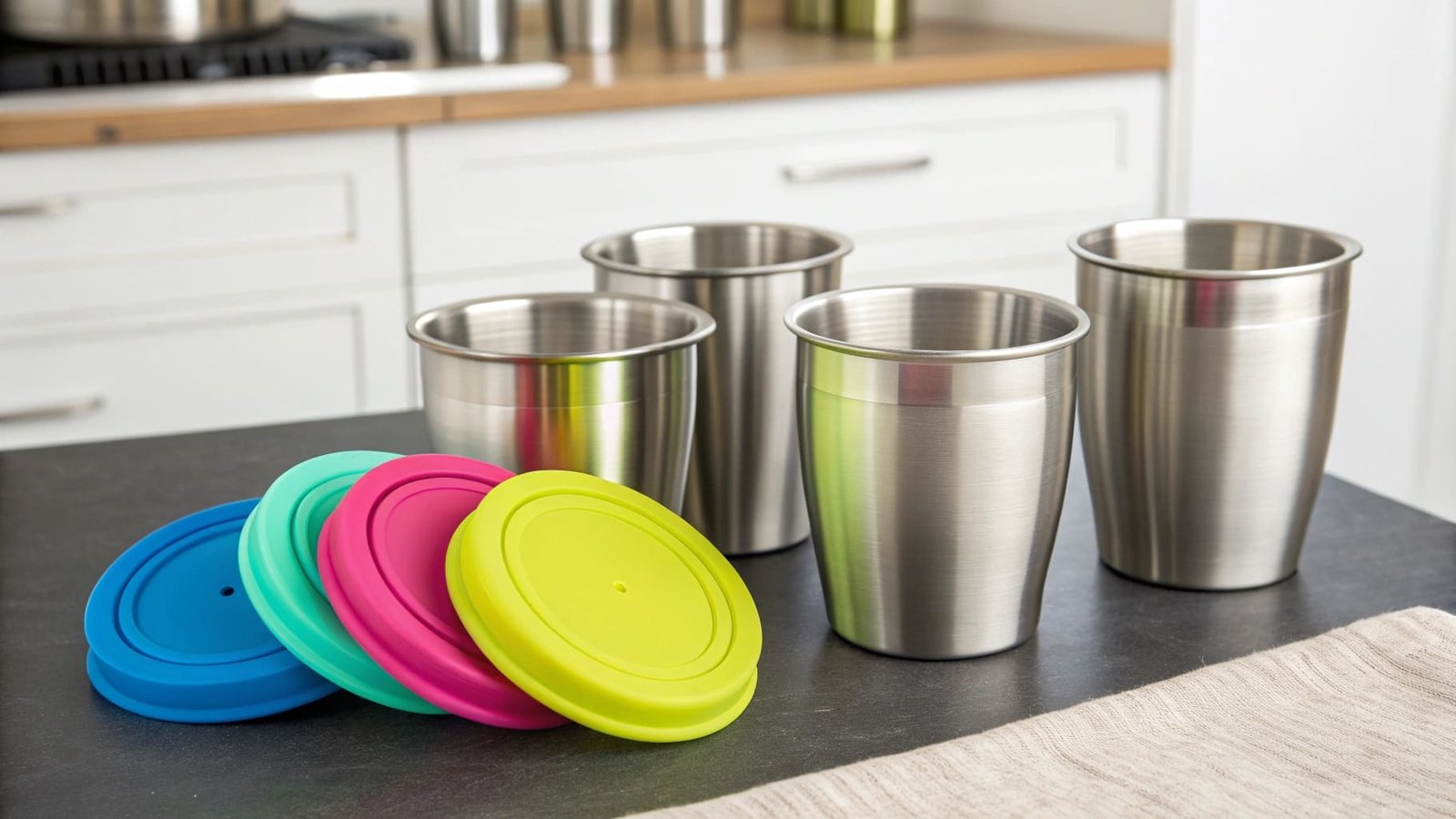
Why Foaming Pumps Are Different
The mechanics behind foaming pumps involve three critical components that work together. I have taken apart dozens of these pumps to understand what makes them reliable.
A foaming pump has a unique chamber design. When you press down, the pump draws liquid soap up through the dip tube. At the same time, it pulls air through small vents in the pump housing. The magic happens in the mixing chamber where liquid and air combine before passing through a fine mesh screen.
| Component | Function | Silicone Role |
|---|---|---|
| Mixing Chamber | Combines soap and air | Creates flexible seal |
| Mesh Screen | Breaks mixture into foam | N/A |
| Air Vents | Draws atmospheric air | Provides airtight gasket |
| Dip Tube | Pulls liquid up | Connects with flexible joint |
The silicone parts in this system need specific durometer ratings. Too soft and they collapse under pressure. Too hard and they will not create proper suction. I use 40-50 Shore A durometer for most hotel applications. This provides enough flexibility for thousands of pumps while maintaining structural integrity.
Hotels go through pumps fast. A single bathroom might see 200 uses per day. That is 73,000 pumps per year per dispenser. The silicone components must handle this without degrading or losing their sealing properties.
Which Side of the Sink Should the Soap Dispenser Go On?
I once designed a beautiful dispenser system for a boutique hotel. They mounted everything on the left side. Guest satisfaction scores dropped. Why? Because 90% of their guests were right-handed and had to reach across the sink.
Place soap dispensers on the right side of the sink for single-basin setups. This accommodates right-handed users who represent the majority. For double-basin configurations, center placement or one dispenser per sink works best.
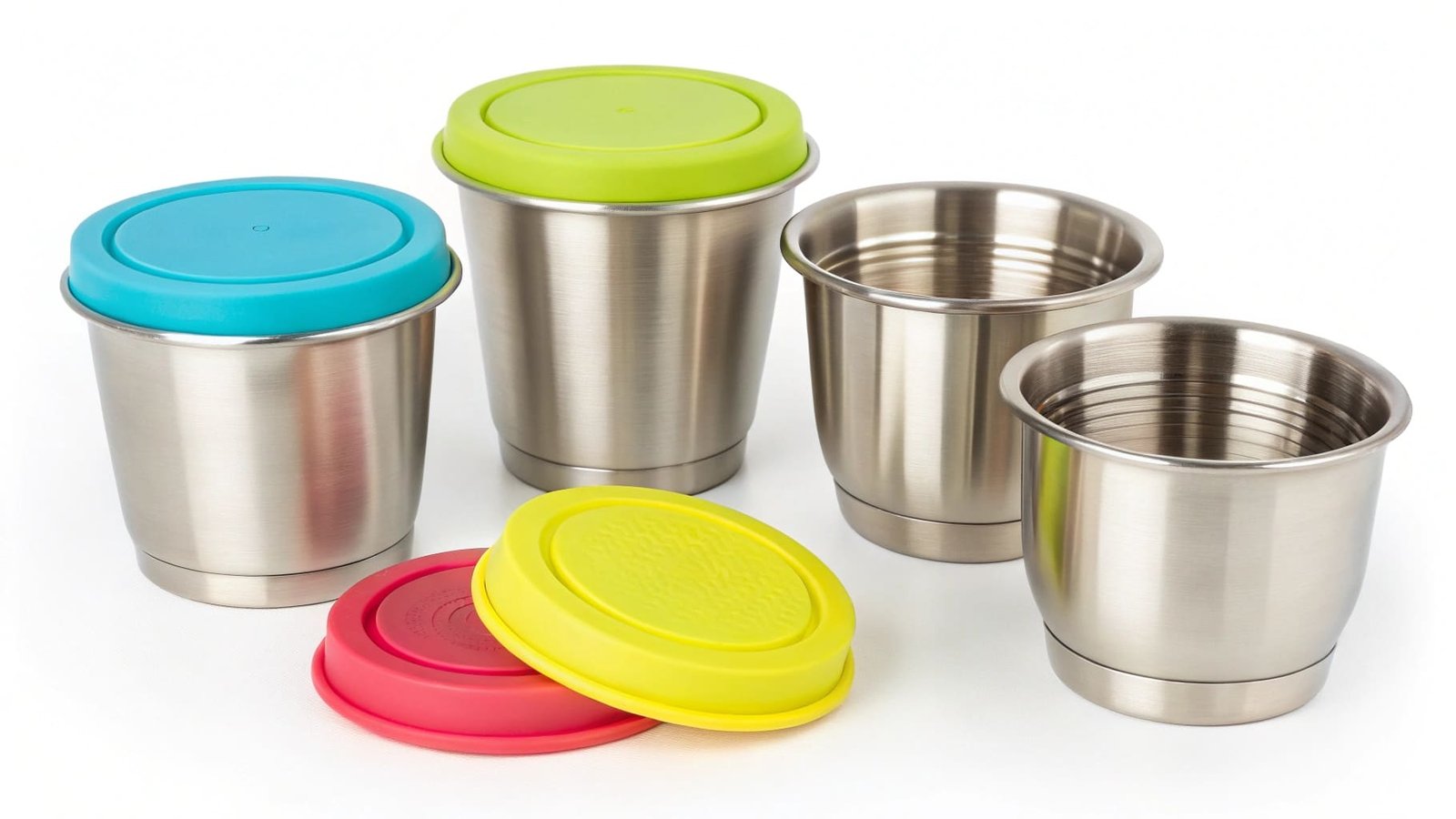
Placement Impact on Design
The dispenser location affects how I design the silicone components. This is not just about aesthetics. It is about functional geometry.
Right-side placement means the silicone lid must seal properly when mounted at a slight angle. Water splashes from the right hand washing tend to hit the dispenser housing. My lid designs now incorporate a subtle lip on the right edge to channel water away from the pump mechanism.
| Sink Type | Recommended Placement | Silicone Design Consideration |
|---|---|---|
| Single Basin | Right side (80% of installs) | Angled seal geometry |
| Double Basin | Center or per-sink | Symmetrical seal design |
| Trough Style | Multiple dispensers | Uniform mounting pattern |
| Wall-Mount | Above sink right | Drip-prevention features |
For hotels with international clientele, I sometimes recommend center placement. This eliminates any handedness bias. But it requires a different silicone seal design because water hits the dispenser from both sides.
The mounting orientation also affects the internal silicone gaskets. A right-side mounted pump experiences lateral stress when pushed. The gasket needs to maintain seal integrity under this angled force. I achieve this by adding a slight taper to the gasket edge that faces the pushing direction.
Temperature matters too. Dispensers near hot water taps experience thermal cycling. The silicone expands and contracts. My designs account for this with a floating seal mechanism that allows movement without breaking the water barrier.
What is the Best Material for a Soap Dispenser?
A major hotel chain switched from plastic dispensers to silicone components last year. Their maintenance calls dropped by 60%. The reason was simple. Silicone handles the harsh cleaning chemicals their housekeeping teams use daily.
Food-grade silicone is the best material for soap dispenser components. It resists chemicals, tolerates temperature extremes, prevents bacterial growth, and maintains flexibility over millions of cycles. This makes it superior to rigid plastics or ABS materials in hotel environments.
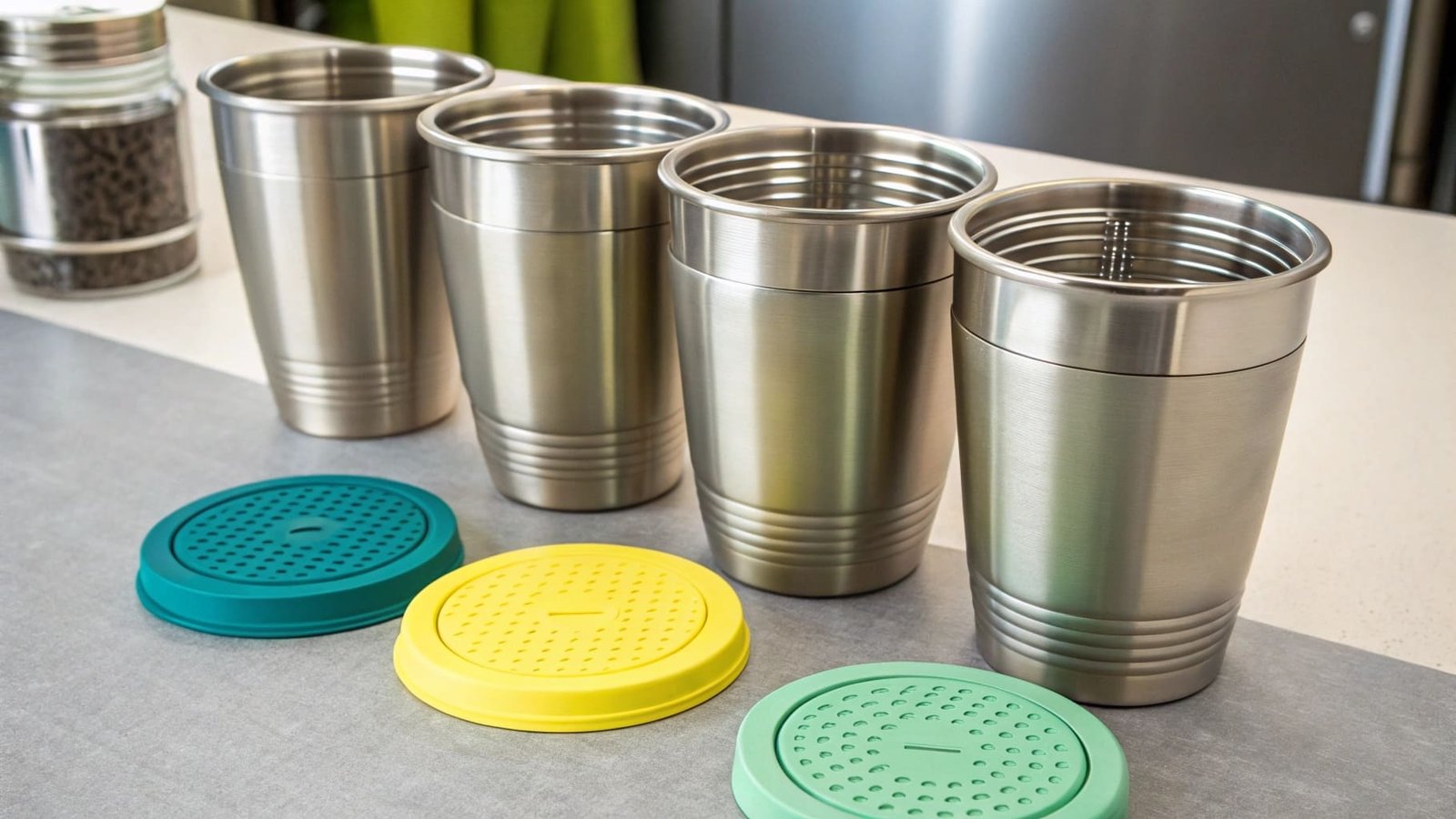
Why Silicone Outperforms Other Materials
I have tested dispensers made from six different materials in hotel conditions. Silicone won every time for components that need flexibility and durability.
The chemical resistance of food-grade silicone is remarkable. Hotels use chlorine-based cleaners, ammonia solutions, and alcohol sanitizers. These chemicals destroy standard plastics over time. They cause cracking, discoloration, and brittleness. Silicone remains stable.
| Material | Chemical Resistance | Temperature Range | Lifespan (Hotel Use) | Cost Factor |
|---|---|---|---|---|
| Food-Grade Silicone | Excellent | -40°C to 230°C | 5-7 years | 1.8x |
| ABS Plastic | Poor | -20°C to 80°C | 1-2 years | 1.0x |
| Polypropylene | Moderate | -10°C to 100°C | 2-3 years | 1.2x |
| Stainless Steel | Excellent | -40°C to 400°C | 10+ years | 3.5x |
The temperature tolerance gives silicone an edge. Hotels run their dispensers through high-temperature sanitizing cycles. Some use steam cleaning. Silicone handles 230°C without degrading. Plastic components warp or melt.
Bacterial growth is a constant concern in hotel bathrooms. Silicone has inherent antimicrobial properties. Bacteria struggle to colonize the smooth, non-porous surface. This is not true for many plastics which develop microscopic cracks where bacteria hide.
The flexibility factor cannot be overstated. A silicone lid flexes slightly when the pump is pressed. This distributes stress across the entire component rather than concentrating it at one point. Rigid plastic lids crack at stress points after repeated use.
I source my silicone from suppliers who provide FDA certification2 and LFGB compliance. Hotels increasingly ask for these certifications. They want assurance that the materials will not leach chemicals into the soap or the environment.
The initial cost of silicone components runs about 80% higher than plastic alternatives. But when I factor in replacement frequency and maintenance calls, silicone costs less over a three-year period. The math works in favor of silicone for any hotel with occupancy above 60%.
Conclusion
Designing silicone components for hotel soap systems requires understanding pump mechanics, user behavior, and material performance. The investment in proper design pays back through reduced maintenance and improved guest experience.