Why Do Asian-Pacific Wholesalers Require GB 4806.11 Compliance for Silicone Products?
When I first entered the silicone business, a Canadian buyer rejected my entire shipment because I missed one certification. That lesson cost me $15,000 and taught me why GB 4806.11 matters.
Asian-Pacific wholesalers require GB 4806.11 compliance because it opens access to China's massive market, meets regional trade requirements, and provides verifiable safety documentation that protects them from liability and product recalls.
I remember sitting in my factory office, staring at that rejection email. Mark, my Canadian client, was furious. He explained that his distributor in Singapore refused the shipment without proper Chinese certification. That moment changed how I approach compliance. Today, I want to share why this standard has become non-negotiable across the Asia-Pacific region and what it means for your purchasing decisions.
What is the food contact regulation system in China?
You might think China's regulations are confusing. You want to enter this market but fear the paperwork. You worry about missing something critical that could derail your entire shipment.
China operates a comprehensive food contact material framework under GB 4806 series standards. GB 4806.11 specifically addresses silicone materials1, setting strict limits on what can migrate from the product into food.
Understanding the GB 4806 Framework
I learned this system the hard way. China's National Food Safety Standards for Food Contact Materials divide into multiple parts. Each part covers different materials. GB 4806.1 sets general requirements. GB 4806.11 focuses specifically on silicone rubber products.
The system works differently from European or American standards. China requires manufacturers to prove safety through extensive testing before products can legally contact food. The tests measure volatile organic compounds, heavy metals, and specific migration limits2 under various conditions.
Here's what GB 4806.11 specifically tests:
| Test Category | What It Measures | Why It Matters |
|---|---|---|
| Overall Migration | Total substances moving to food | Ensures material stability |
| Volatile Content | Residual processing chemicals | Indicates manufacturing quality |
| Heavy Metals | Lead, arsenic, antimony levels | Prevents toxic exposure |
| Specific Migration | Platinum catalyst residues | Controls known risk factors |
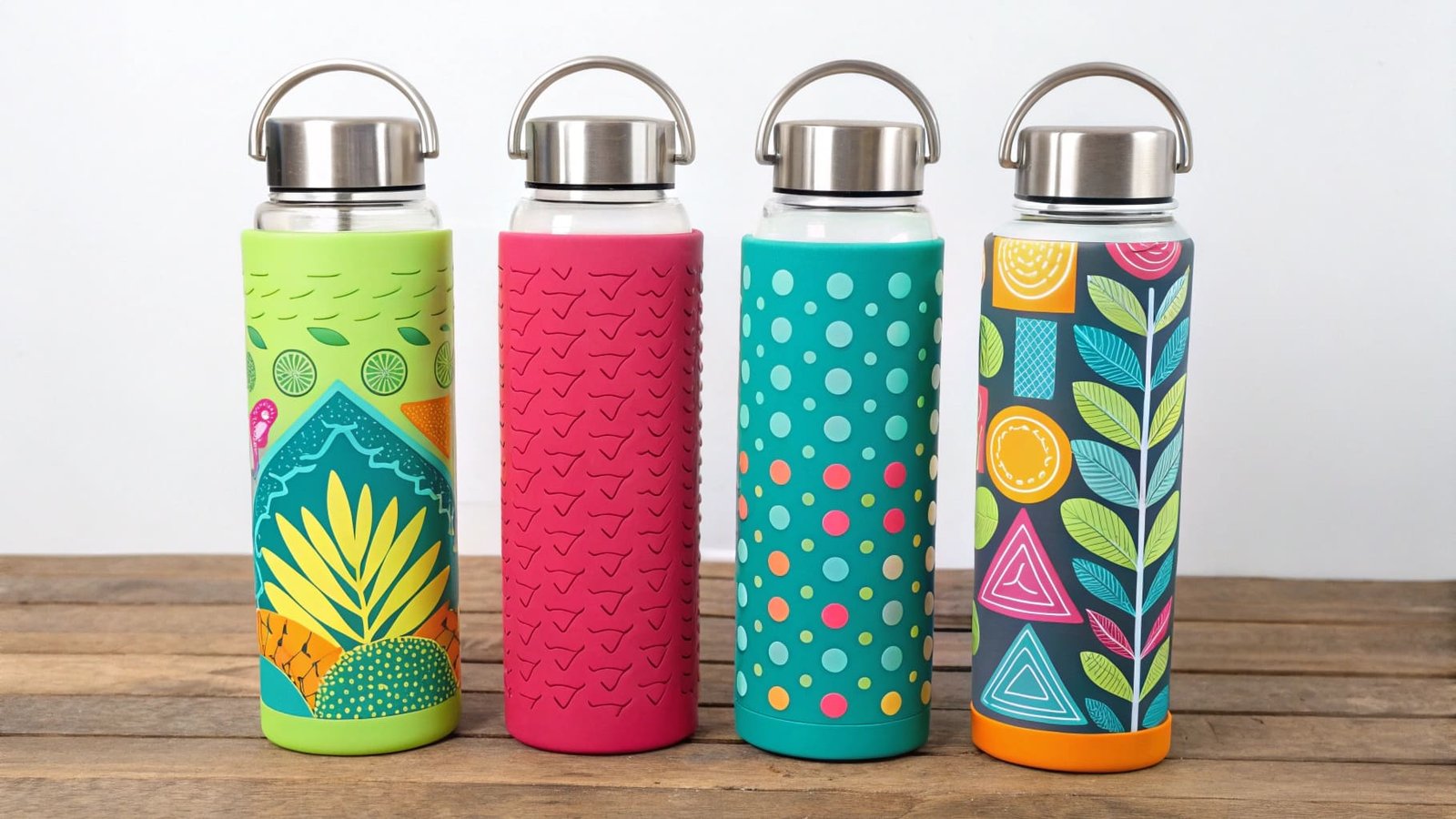
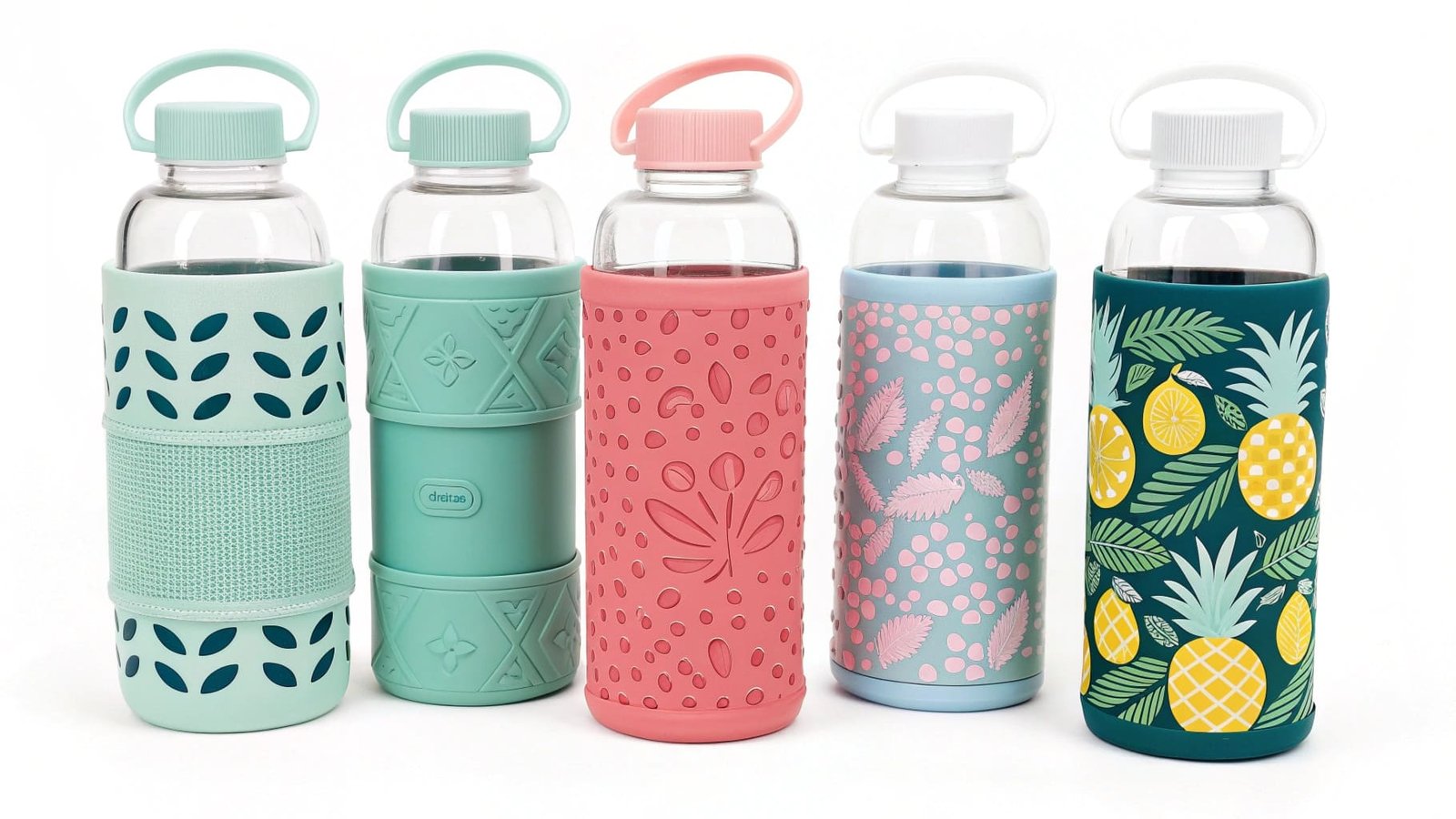
I test every batch at my factory. The Chinese market demands this level of documentation. When Mark orders silicone tumbler boots from me now, I provide complete test reports showing compliance with each parameter. This transparency builds trust.
The regulatory system also requires Chinese language labeling and specific compliance statements on packaging. Many wholesalers I work with distribute across multiple Asian markets. They need this certification as their baseline proof of safety.
Is food grade silicone really safe?
Safety concerns keep you up at night. You've heard horror stories about toxic products. You need absolute certainty before committing to large orders.
Food-grade silicone is fundamentally safe when properly manufactured and certified. The polydimethylsiloxane structure creates an inert material that does not leach harmful chemicals like plastics do.
The Science Behind Silicone Safety
I spent months researching this after my initial failure. Silicone differs completely from plastic at the molecular level. The silicon-oxygen backbone creates extraordinary stability. This structure cannot break down easily under normal use conditions.
The safety concern isn't about silicone itself. The risk comes from manufacturing shortcuts. Some factories add cheap fillers or use contaminated raw materials. Others skip the curing process or leave residual catalysts in the finished product. GB 4806.11 compliance forces manufacturers to avoid these shortcuts.
Here's what happens during proper silicone production:
Manufacturing Steps That Ensure Safety
Raw material selection starts everything. I only source platinum-cured silicone3 from verified suppliers. Platinum curing costs more than peroxide curing but produces purer results. The platinum catalyst breaks down completely during curing, leaving only trace amounts that GB 4806.11 testing verifies as safe.
Temperature control during curing determines final product safety. My factory maintains precise temperature ranges throughout the curing cycle. This ensures complete crosslinking of silicone polymers. Incomplete curing leaves unstable molecules that can migrate into food.
Post-curing procedures remove any remaining volatile compounds. I run all products through extended baking cycles after initial curing. This extra step eliminates residual processing chemicals that could affect food contact safety.
Testing verification provides the final safety confirmation. Every production batch goes through migration testing. I send samples to accredited laboratories that simulate worst-case contact scenarios. Only batches that pass these tests ship to customers.
Mark learned to ask specific questions about my manufacturing process. He knows that generic "food-grade" claims mean nothing without verification. GB 4806.11 compliance gives him documented proof that my products meet safety thresholds.
Is food grade silicone an endocrine disruptor?
Endocrine disruption creates serious health concerns. You've read about hormone-mimicking chemicals in plastics. You need to know if silicone poses similar risks to your customers.
Food-grade silicone does not act as an endocrine disruptor. The silicon-oxygen polymer structure cannot mimic estrogen or interfere with hormonal pathways like plastic compounds such as BPA or phthalates.
Why Silicone Structure Prevents Hormone Disruption
I researched this extensively when Mark's health-conscious customers started asking questions. The molecular structure of silicone makes hormone disruption impossible. Endocrine disruptors work by mimicking the shape of natural hormones. They fit into hormone receptor sites in the body, blocking or triggering false responses.
Silicone molecules are too large and have the wrong shape to fit hormone receptors. The repeating silicon-oxygen backbone creates a structure completely unlike organic hormone molecules. This fundamental difference means silicone cannot interfere with endocrine system function.
Plastics cause endocrine disruption through specific additives. BPA in polycarbonate plastics mimics estrogen. Phthalates in flexible plastics interfere with testosterone. These compounds can leach from plastic products into food and beverages, especially when heated.
GB 4806.11 testing specifically addresses migration concerns. The standard requires testing under conditions that simulate actual use. Products must pass tests at high temperatures and with acidic or fatty food simulants. These conditions would reveal any compounds capable of migrating from the silicone into food.
Comparison with Plastic Materials
| Material Type | Known Endocrine Disruptors | Migration Risk | GB 4806.11 Testing |
|---|---|---|---|
| Silicone | None identified | Minimal | Required for Chinese market |
| Polycarbonate | BPA | High when heated | Different standard |
| PVC | Phthalates | Moderate to high | Different standard |
| Polyethylene | Generally none | Low | Different standard |
I maintain detailed records of all testing results. When Mark requests certification documentation, I provide complete migration test data. This data shows that even under extreme conditions, my silicone products release only trace amounts of authorized substances. All measurements fall well below safety thresholds.
The Japanese and Korean markets Mark serves are particularly sensitive to endocrine disruption concerns. Consumers in these markets actively avoid products containing BPA4 or phthalates. GB 4806.11 compliance helps Mark differentiate his products in these competitive markets.
I've noticed a shift in buyer behavior over the past three years. Sophisticated buyers like Mark no longer accept simple material declarations. They demand third-party test reports showing compliance with specific migration limits. This verification provides legal protection and marketing advantages.
The certification also signals manufacturing maturity. Factories capable of meeting GB 4806.11 standards typically maintain quality management systems5. These systems ensure batch consistency and traceability. Mark has experienced fewer defect issues since switching to GB 4806.11 certified suppliers like my factory.
Conclusion
GB 4806.11 compliance protects your business, opens Asian markets, and proves your products meet the world's strictest safety standards for silicone materials.
-
Discover the specific regulations governing silicone materials in food safety. ↩
-
Understand the significance of migration limits in ensuring food safety. ↩
-
Discover why platinum-cured silicone is favored for its purity and safety in food contact. ↩
-
Understand the risks associated with BPA in food packaging and its alternatives. ↩
-
Discover how quality management systems enhance product safety and consistency. ↩