What Container Loading Configurations Optimize Freight Costs for Bulk Silicone Gasket Orders?
Every month, I see clients lose thousands of dollars on shipping. They order silicone gaskets1 in bulk but never think about how those containers get packed. The result is wasted space and inflated freight costs.
Smart container loading cuts your freight costs by up to 40%. The key is matching your product dimensions to container space, using proper stacking methods, and following weight distribution rules. I optimize every shipment at Silijoy by calculating load plans before production starts.
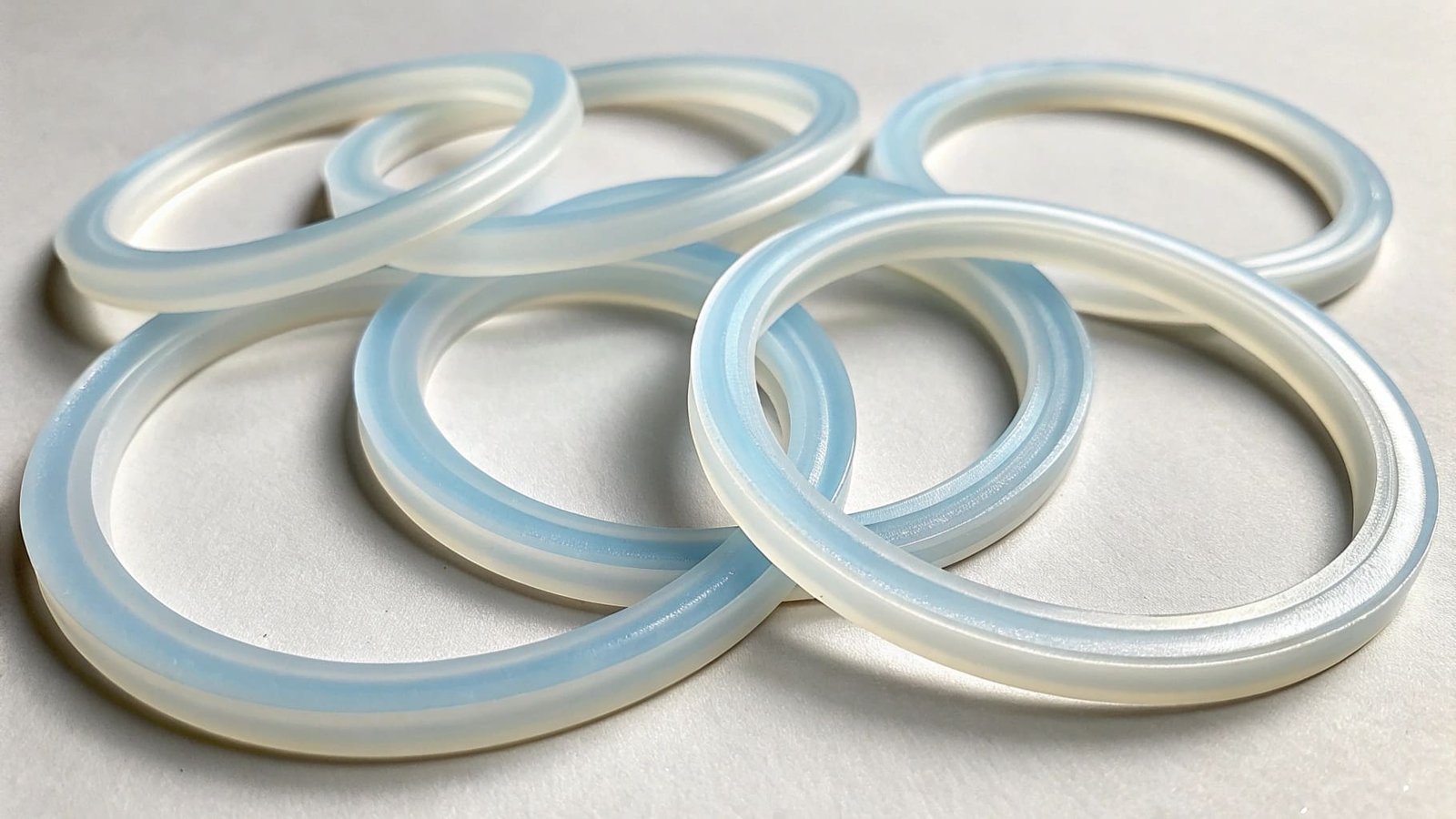
I learned this lesson the hard way three years ago. A Canadian client ordered 50,000 silicone tumbler boots. We packed them poorly and needed two 40ft containers instead of one. That mistake cost him $3,200 extra. Since then, I plan every container load before we start packing.
How to Maximize Container Loading?
Most suppliers fill containers randomly. They stack boxes until no more fit, then close the doors. This wastes 20-30% of your container space and directly increases your cost per unit.
Calculate your product's cubic volume and match it to container dimensions2. Use stackable packaging and distribute weight evenly across the container floor. Plan vertical and horizontal arrangements to eliminate empty spaces and maximize every cubic meter.
Planning Your Load Before Packing
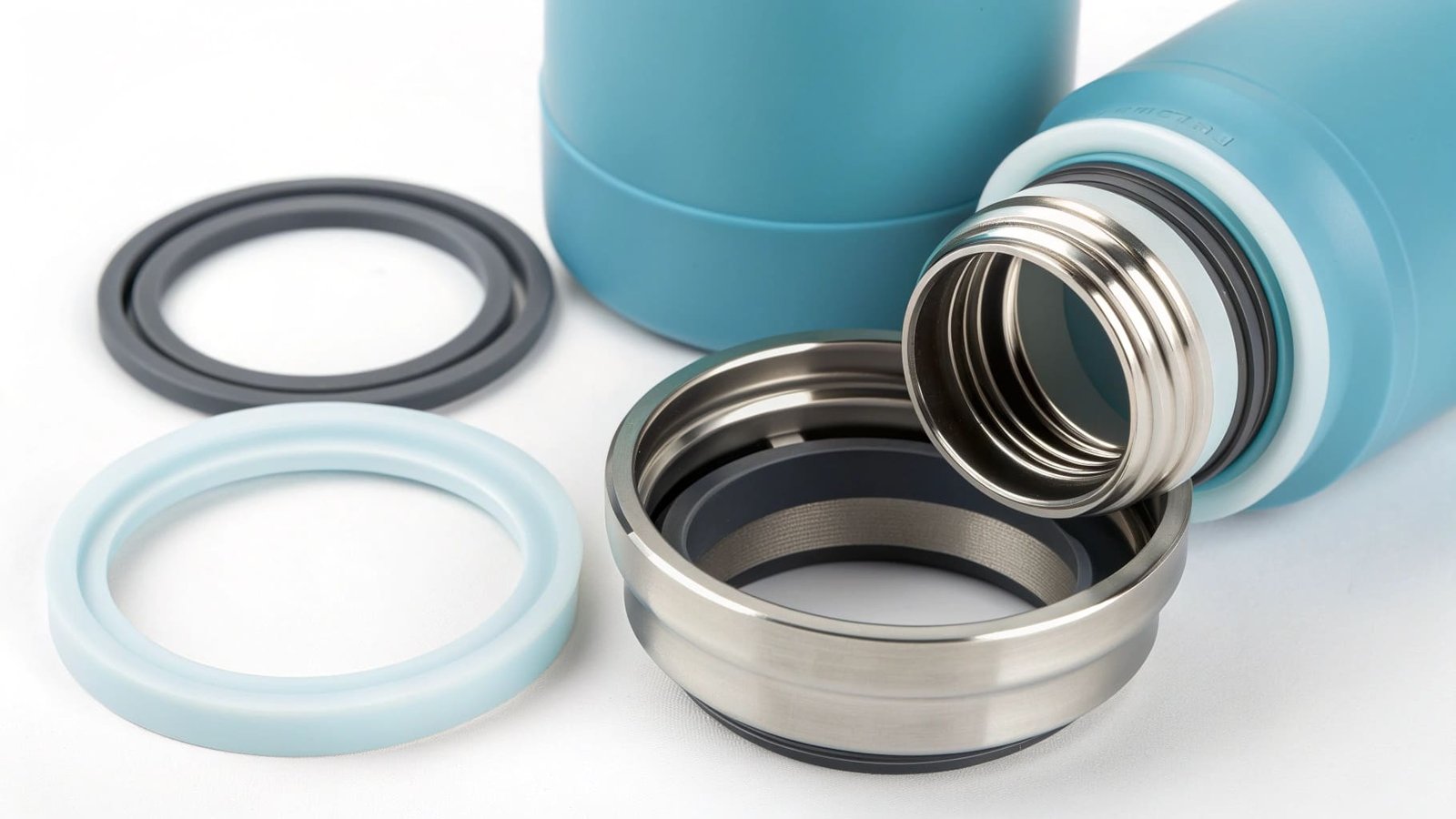
I start by measuring the actual product dimensions. Many clients tell me their silicone gaskets are "small" or "medium-sized." These vague descriptions mean nothing when I need to fit them into a 40ft container.
I measure three things: the gasket itself, the inner packaging, and the outer carton. Each measurement matters because small differences add up. A carton that is 2cm too tall means I lose one layer of stacking across the entire container.
| Container Type | Internal Length | Internal Width | Internal Height | Total Volume |
|---|---|---|---|---|
| 20ft Standard | 5.90m | 2.35m | 2.39m | 33.2m³ |
| 40ft Standard | 12.03m | 2.35m | 2.39m | 67.7m³ |
| 40ft High Cube | 12.03m | 2.35m | 2.69m | 76.3m³ |
Next, I calculate how many cartons fit in each direction. I place them lengthwise, widthwise, and test different orientations. Sometimes rotating boxes 90 degrees gives me space for three more layers.
Weight distribution is critical. I never put all heavy items on one side. The container needs balance or the trucking company refuses to load it. I spread heavy cartons across the floor and place lighter items on top.
Stacking Methods That Protect Your Products
Silicone gaskets compress under weight. I see damaged products every time a supplier stacks too high without proper support. The bottom layers get crushed and customers reject the entire shipment.
I use cardboard dividers between layers. These cost $0.15 per sheet but prevent thousands of dollars in damaged goods. For delicate gaskets like our silicone bite valves, I limit stacking to four cartons high even when the container has more vertical space.
Air circulation also matters. Silicone products travel through different climate zones during ocean transport. Condensation builds up in sealed containers. I leave small gaps between carton stacks to allow air movement and prevent moisture damage.
What Method Was Used to Load Unload Ships Before Containerisation?
Old shipping methods3 required armies of dock workers. Ships sat in port for weeks while workers manually moved each piece of cargo. Your costs included labor, storage, and inevitable theft or damage.
Before containers existed, cargo was loaded as break bulk. Workers carried individual boxes, crates, and barrels onto ships. They stacked items in the ship's hold using ropes, pulleys, and human strength. This process was slow, expensive, and unreliable for international trade.
The Reality of Break Bulk Shipping
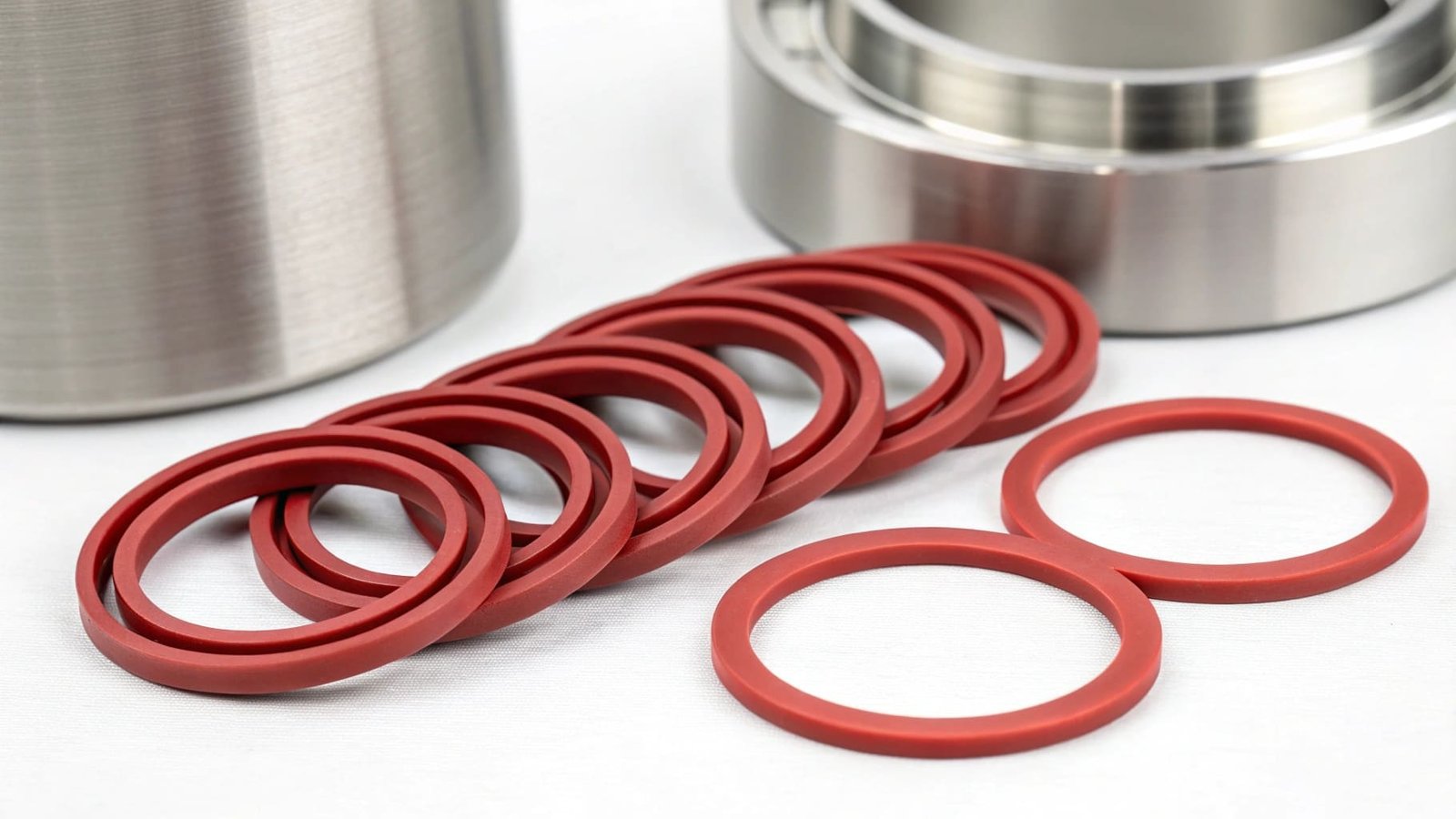
I talk to older procurement officers who remember these days. One client told me he once waited three months for a shipment of rubber gaskets from Asia. The cargo sat at the dock because there were not enough workers to load it.
Break bulk shipping meant every port handled cargo differently. Some used cranes, others used conveyor systems, and many relied purely on manual labor. Your shipping costs varied wildly depending on which ports your cargo passed through.
Theft was common. When cargo sits exposed on docks for weeks, items disappear. Workers had easy access to everything. Insurance costs were high because everyone knew 5-10% of shipments would experience losses.
Weather damage happened frequently. Rain, salt water, and humidity destroyed products before they even left the port. There was no sealed protection like modern containers provide.
How Do Standardized Containers Improve Shipping?
Standard containers transformed my business model. I can quote freight costs accurately because every shipping line uses the same container sizes. This predictability helps my clients plan their budgets and reduces unexpected expenses.
Standardized containers provide three major benefits: consistent pricing, faster handling, and better protection. Shipping lines know exactly how much space each container occupies on their vessels. Ports use automated systems4 to move containers quickly. Your products stay sealed from origin to destination.
Cost Predictability in Modern Shipping
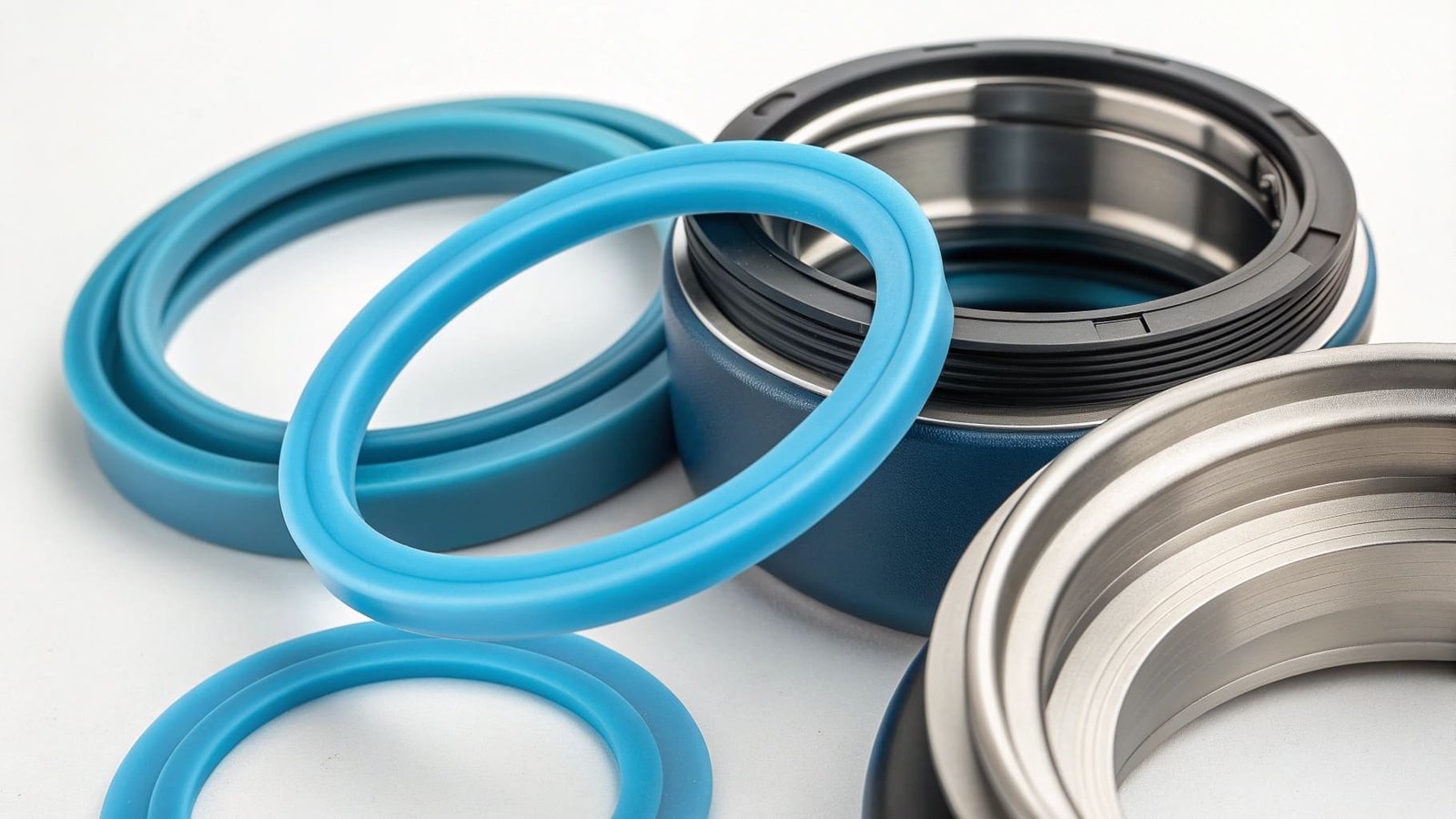
I quote container freight rates months in advance. A 40ft High Cube from Shenzhen to Vancouver costs between $2,800-$4,500 depending on season. This price covers the entire container regardless of what is inside, as long as weight stays under 28,000kg.
Compare this to LCL shipping where I pay by cubic meter. LCL rates for the same route run $80-$120 per cubic meter. For bulk orders filling more than 15 cubic meters, FCL becomes cheaper. My clients save 40-60% on freight costs by ordering enough to fill a container.
| Shipping Method | Volume Needed | Cost Range | Loading Time | Damage Risk |
|---|---|---|---|---|
| LCL | 1-15m³ | $80-120/m³ | 2-3 days | Medium |
| 20ft FCL | 15-33m³ | $1,800-3,200 | 4-6 hours | Low |
| 40ft FCL | 33-67m³ | $2,400-4,200 | 6-8 hours | Low |
| 40ft HC FCL | 67-76m³ | $2,800-4,500 | 6-8 hours | Low |
Faster Port Handling Reduces Total Transit Time
Containers move through ports in hours, not weeks. Automated cranes lift containers directly from ships to trucks or trains. Your cargo does not sit exposed on docks waiting for manual handling.
I track every shipment from my factory to the client's warehouse. Container shipments consistently take 18-25 days from Shenzhen to North American ports. The predictability helps my clients plan inventory and meet their sales deadlines.
Port efficiency also reduces demurrage fees. When cargo moves quickly through ports, clients avoid expensive storage charges. These fees add up fast—most ports charge $100-200 per day after the free period expires.
Protection Throughout the Journey
Sealed containers protect silicone gaskets from contamination and weather. Once I load a container and apply the seal, nobody opens it until it reaches the destination. This security prevents theft and unauthorized access.
Temperature fluctuations still happen, but containers shield products from direct sun and rain. I add desiccant bags inside containers heading to humid climates. These absorb moisture and prevent mold growth during the 3-4 week ocean voyage.
Container standardization also enables better insurance coverage. Insurance companies offer lower premiums for containerized cargo because damage rates are significantly lower than break bulk shipping.
Conclusion
Plan your container loads carefully, choose the right container size for your order volume, and use standardized shipping to cut freight costs by 40% or more on bulk silicone gasket orders.
-
Learn about the advantages of silicone gaskets and how they can enhance product performance. ↩
-
Knowing standard container dimensions helps in planning shipments effectively. ↩
-
Explore various shipping methods to find the most cost-effective option for your needs. ↩
-
Discover how automation in shipping can enhance efficiency and reduce handling times. ↩