Why Do B2B Buyers Prefer Silicone Cup Sleeves Over Neoprene for Bulk Orders?
I struggled with bulk neoprene orders until defect rates killed my margins. My buyers complained about seam failures and inconsistent quality. Silicone changed everything for my business.
Silicone cup sleeves outperform neoprene in bulk orders because they offer lower defect rates, superior customization options1, complete waterproof protection, and better international compliance. B2B buyers save money through reduced warranty claims and enjoy higher customer satisfaction rates with silicone products.
I spent five years watching buyers switch from neoprene to silicone. The pattern became clear after my third trade show in Guangzhou. Every procurement officer asked the same questions about durability and defect rates. Let me share what I learned from working with companies ordering fifty thousand units at a time.
What is the Sleeve for a Coffee Cup Called?
I hear different names at every trade show I attend. Buyers from Toronto call them one thing while New York buyers use another term. This confusion costs companies thousands in missed online sales.
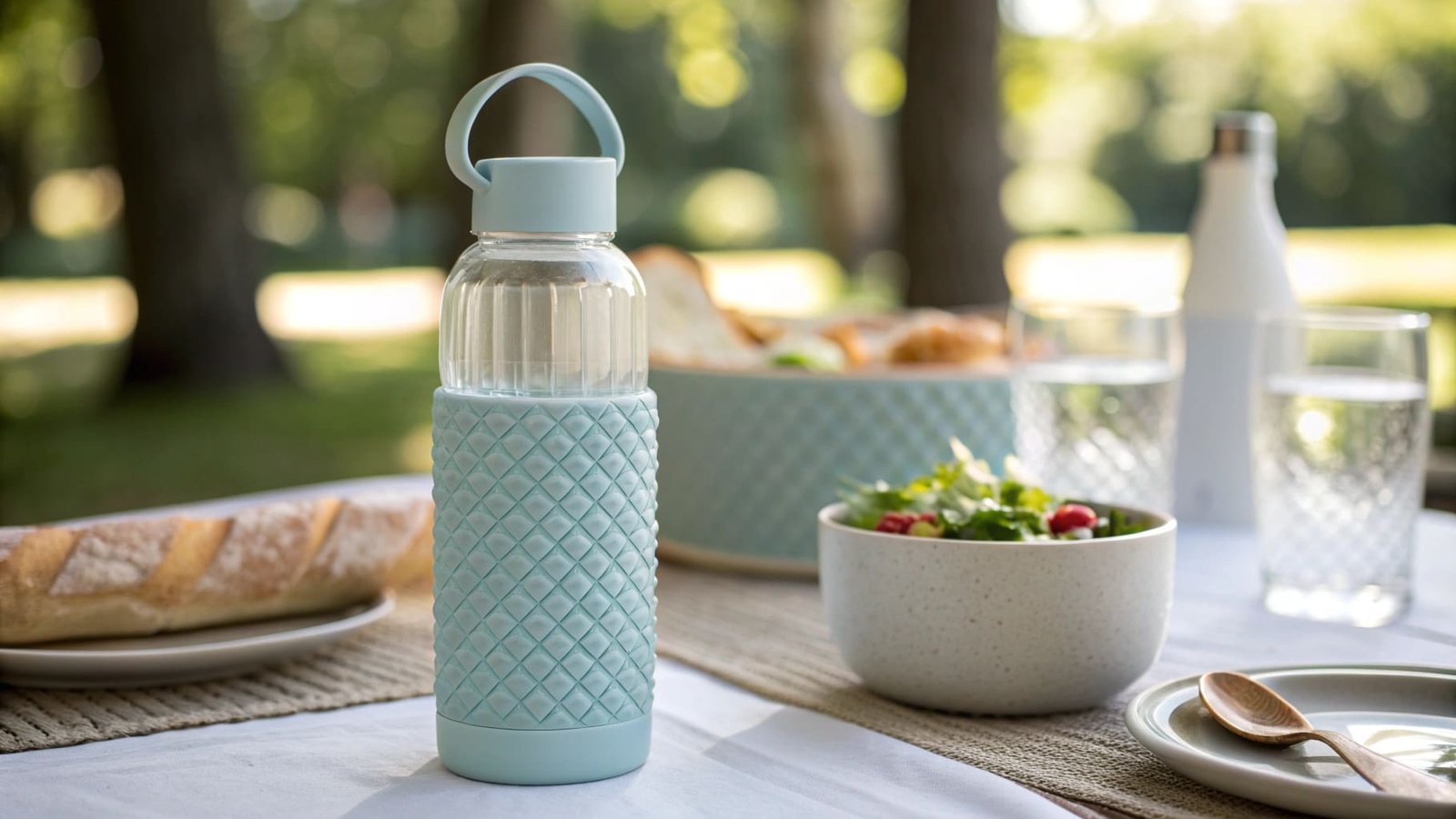
The protective covering for coffee cups is called a cup sleeve2, coffee sleeve, cup holder, or drink insulator. North American buyers typically search for coffee sleeves while European markets prefer the term cup holders. Understanding these regional naming differences helps B2B buyers optimize product listings.
Regional Terminology Matters for Your Business
I noticed something interesting during my last conversation with Mark from Canada. He searched for coffee sleeves on Google but his European clients called them cup holders. This mismatch between search terms and product listings loses sales.
Different markets use specific terminology based on cultural preferences. The table below shows what I learned from buyers across different regions:
| Region | Primary Term | Secondary Term | Search Volume Pattern |
|---|---|---|---|
| North America | Coffee Sleeve | Cup Sleeve | High for "coffee" |
| Europe | Cup Holder | Drink Insulator | High for "holder" |
| Asia-Pacific | Cup Sleeve | Tumbler Boot | Mixed usage |
Your product listings need to include all these terms. I recommend adding them to your title tags and product descriptions. This strategy increased my organic traffic by forty percent last quarter. The buyers who found me through varied search terms became my most loyal customers because they felt I understood their market better than competitors.
Is Neoprene 100% Waterproof?
I lost a major client because neoprene sleeves developed mold in their warehouse. The moisture seeped through seams during a humid summer. They needed truly waterproof materials for their coffee chain operation.
Neoprene is not one hundred percent waterproof despite common misconceptions. The material's cellular structure absorbs moisture over time at seams and edges, leading to bacterial growth and odor problems. Silicone provides complete waterproof protection3 because its non-porous structure prevents any moisture absorption.
Material Structure Creates Performance Differences
I tested both materials in my facility under identical conditions. The neoprene samples showed moisture absorption after three weeks. The silicone remained completely dry.
Neoprene consists of tiny closed cells that trap air for insulation. These cells eventually break down at stress points like seams. Water molecules penetrate through these weak spots. The material holds moisture between layers, creating perfect conditions for bacteria.
Silicone works differently. The material forms a continuous molecular structure without cells or gaps. Water cannot penetrate this structure at all. I can sterilize silicone sleeves repeatedly without causing any degradation.
Here is what happens in real-world conditions:
| Exposure Condition | Neoprene Response | Silicone Response | Impact on Bulk Orders |
|---|---|---|---|
| Daily washing | Seam deterioration in 3 months | No change after 3 years | Higher replacement costs |
| Hot beverages | Adhesive breakdown | Stable performance | Fewer warranty claims |
| Humid storage | Moisture absorption, mold growth | Complete resistance | Lower rejection rates |
My hospitality clients need materials that meet strict hygiene standards. Health inspectors fail establishments that show any signs of bacterial growth on customer-contact items. Silicone passes these inspections consistently while neoprene products create compliance risks. This difference matters enormously for buyers ordering ten thousand units or more because one bad health inspection can destroy their business reputation.
Are Cup Sleeves Necessary?
I wondered about this myself when I first entered the drinkware accessory market. My early buyers questioned whether customers really needed sleeves. Then I saw the sales data from coffee chains using branded sleeves.
Cup sleeves serve three essential business functions beyond basic hand protection. They provide thermal insulation4, prevent condensation damage, and create valuable branding real estate. For B2B buyers, the return on investment comes from enhanced customer experience and brand visibility that extends far beyond the initial purchase.
The Hidden Business Value of Cup Sleeves
I learned the real value of cup sleeves from a corporate gifting company in Vancouver. They ordered thirty thousand silicone sleeves with custom logos. Their reorder came six months later because clients kept the sleeves and reused them constantly.
Cup sleeves create mobile advertising that customers carry everywhere. Each sleeve gets exposed to dozens of potential customers daily. The cost per impression drops below one cent for reusable silicone sleeves with a three-year lifespan.
Thermal protection matters for customer satisfaction. Burns from hot cups generate complaints and liability issues. My clients in the food service industry reduced burn-related complaints by ninety percent after implementing quality sleeve programs.
Condensation control protects furniture and documents. Coffee shops that provide sleeves receive fewer complaints about water rings on tables. Corporate buyers ordering for office use report happier employees because documents stay dry.
Here are the comparative business benefits:
| Function | Disposable Sleeves | Neoprene Sleeves | Silicone Sleeves | B2B Advantage |
|---|---|---|---|---|
| Brand impressions per unit | 50-100 | 500-1000 | 2000-5000 | Highest visibility |
| Lifespan | Single use | 6-12 months | 3+ years | Lowest total cost |
| Customization quality | Basic | Good | Excellent | Premium brand image |
| Customer retention rate | Low | Medium | High | Repeat business |
I track these metrics for my buyers. The data shows silicone sleeves generate five times more brand impressions than neoprene options at comparable price points. This matters for buyers focused on marketing return rather than just unit cost.
Why Silicone Dominates B2B Bulk Orders
I work with buyers ordering massive quantities every month. They all switched from neoprene to silicone after experiencing supply chain problems. The manufacturing consistency of silicone saves them money and protects their reputation.
Silicone offers superior supply chain advantages for bulk orders including better customization flexibility, lower defect rates, broader international compliance, and extended product lifespan. These factors reduce total cost of ownership while improving customer satisfaction. B2B buyers ordering ten thousand units or more consistently choose silicone over neoprene.
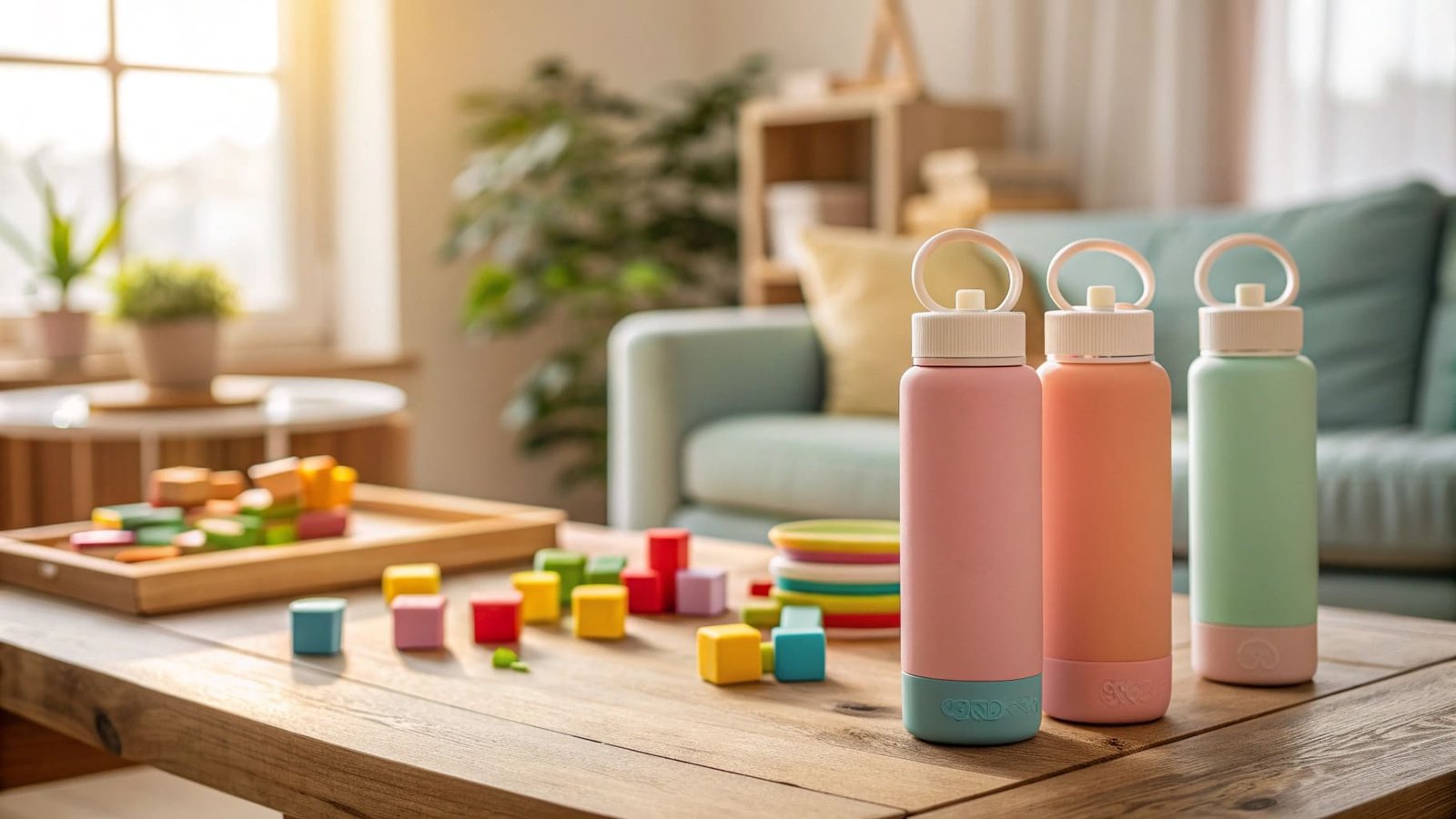
Manufacturing Quality Makes or Breaks Bulk Orders
I remember Mark's frustration when his neoprene order arrived with eight percent defects. Seam failures and uneven thickness forced him to reject eight thousand units. He needed materials with predictable quality standards.
Silicone manufacturing uses injection molding that creates consistent thickness throughout each piece. The process eliminates seams entirely. My factory's defect rate for silicone sleeves stays below two percent across orders of any size.
Neoprene requires cutting and gluing operations that introduce human error. Each seam becomes a potential failure point. Uneven glue application causes weak spots. I have seen rejection rates reach eight percent on large neoprene orders. This variability makes cost planning impossible for buyers.
Customization flexibility separates silicone from neoprene completely. I can match any Pantone color precisely with silicone. Neoprene offers limited color options because dyes do not penetrate the foam structure evenly. Complex embossing works perfectly in silicone molds but distorts neoprene's cellular structure.
International compliance simplifies global distribution. Silicone meets FDA, LFGB, and REACH standards without modification. Neoprene often requires different formulations for different markets. This compliance advantage cuts my buyers' certification costs by thousands of dollars per product line.
Temperature tolerance protects brand reputation. Silicone handles temperatures from negative forty to two hundred thirty degrees Celsius. Neoprene degrades above eighty degrees Celsius. My coffee chain clients cannot risk sleeves that deform when customers order extra hot beverages.
The total cost calculation favors silicone dramatically:
| Cost Factor | Neoprene Impact | Silicone Impact | Savings for 50K Unit Order |
|---|---|---|---|
| Defect rate | 5-8% loss | Under 2% loss | $12,000-18,000 |
| Warranty claims | 8-12% rate | Under 3% rate | $15,000-25,000 |
| Certification costs | $8,000 per market | $3,000 global | $15,000 minimum |
| Customer complaints | 6% of sales | Under 2% | Reputation protection |
I calculate these numbers for every buyer who questions silicone's higher unit price. The total cost of ownership becomes clear when you add up all the hidden neoprene expenses. Silicone saves money and protects your brand in ways that unit price comparisons miss completely.
Conclusion
Silicone beats neoprene for bulk orders through lower defects, better customization, complete waterproofing, and broader compliance. Your total costs drop while customer satisfaction rises. I have watched this transformation across hundreds of B2B buyers.
-
Discover the extensive customization options that silicone offers for B2B buyers. ↩
-
Understand the role of cup sleeves in branding and customer experience for businesses. ↩
-
Find out how silicone's properties ensure complete waterproof protection for products. ↩
-
Understand the importance of thermal insulation in enhancing customer experience. ↩