Which Hydration Bladder Connector Materials Resist UV Degradation in Outdoor Applications?
I watched a customer's hydration pack fail during a three-day mountain trek last summer. The connector cracked, leaked water everywhere, and ruined his entire trip. This happens when materials cannot handle sun exposure.
Medical-grade silicone and UV-stabilized polymers1 offer the best UV resistance for hydration bladder connectors. These materials maintain flexibility and seal integrity after prolonged sun exposure, preventing brittleness and cracking that commonly affect standard plastics in outdoor environments.
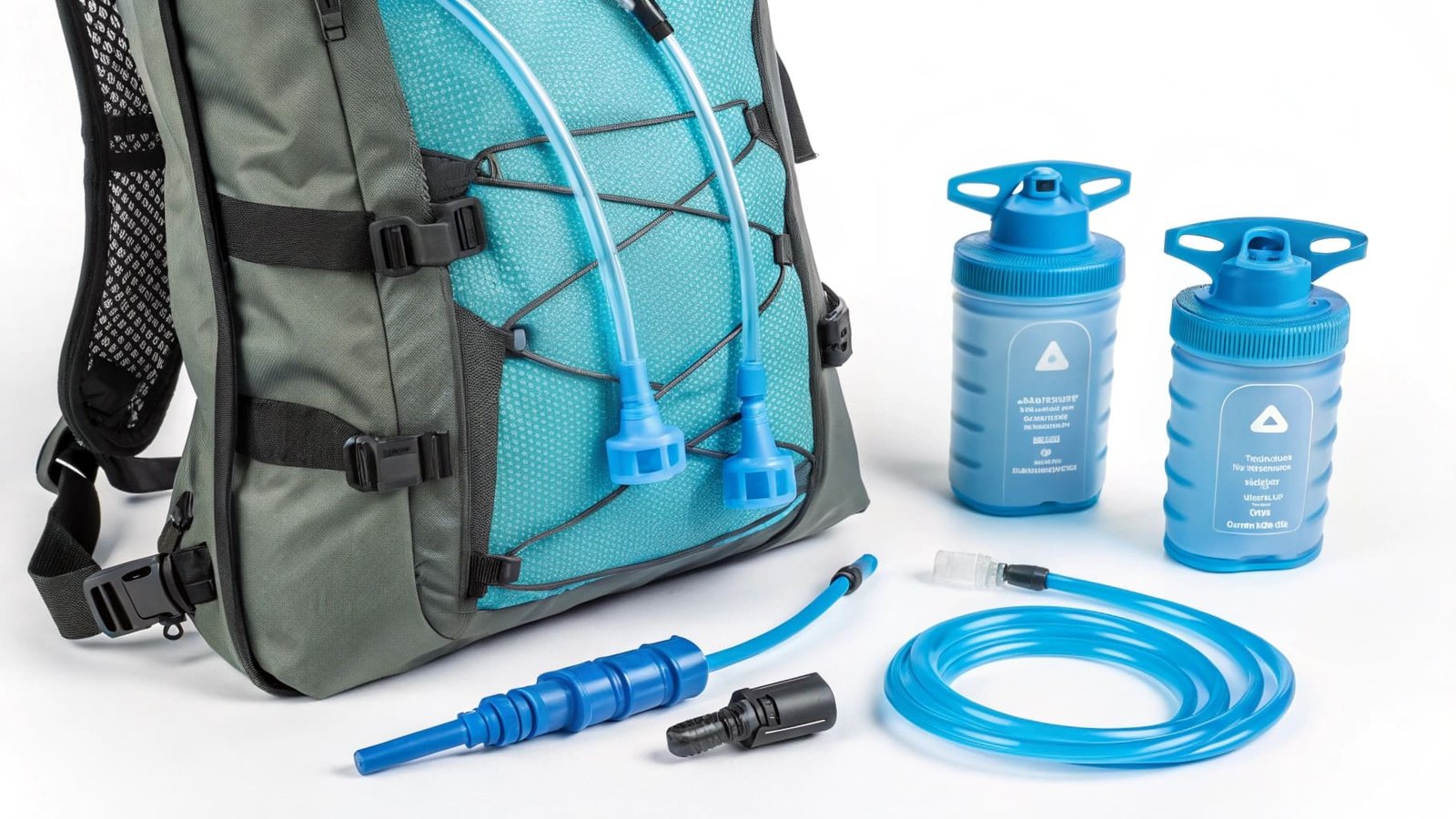
I started supplying hydration bladder components five years ago. Back then, most buyers focused only on price. They did not ask about UV resistance. Now customers return products less frequently because I switched to better materials. My profit margins improved too.
What Material Are Hydration Bladders Made Of?
Standard hydration bladders use polyurethane or thermoplastic polyurethane. These materials feel flexible when new. The problem shows up after six months of regular outdoor use. The plastic becomes stiff and cracks appear.
Common materials for bladders include TPU, polyethylene, and medical-grade silicone. TPU dominates the market due to its lower cost, but silicone components show superior longevity in outdoor conditions where UV exposure remains constant throughout the product lifespan.
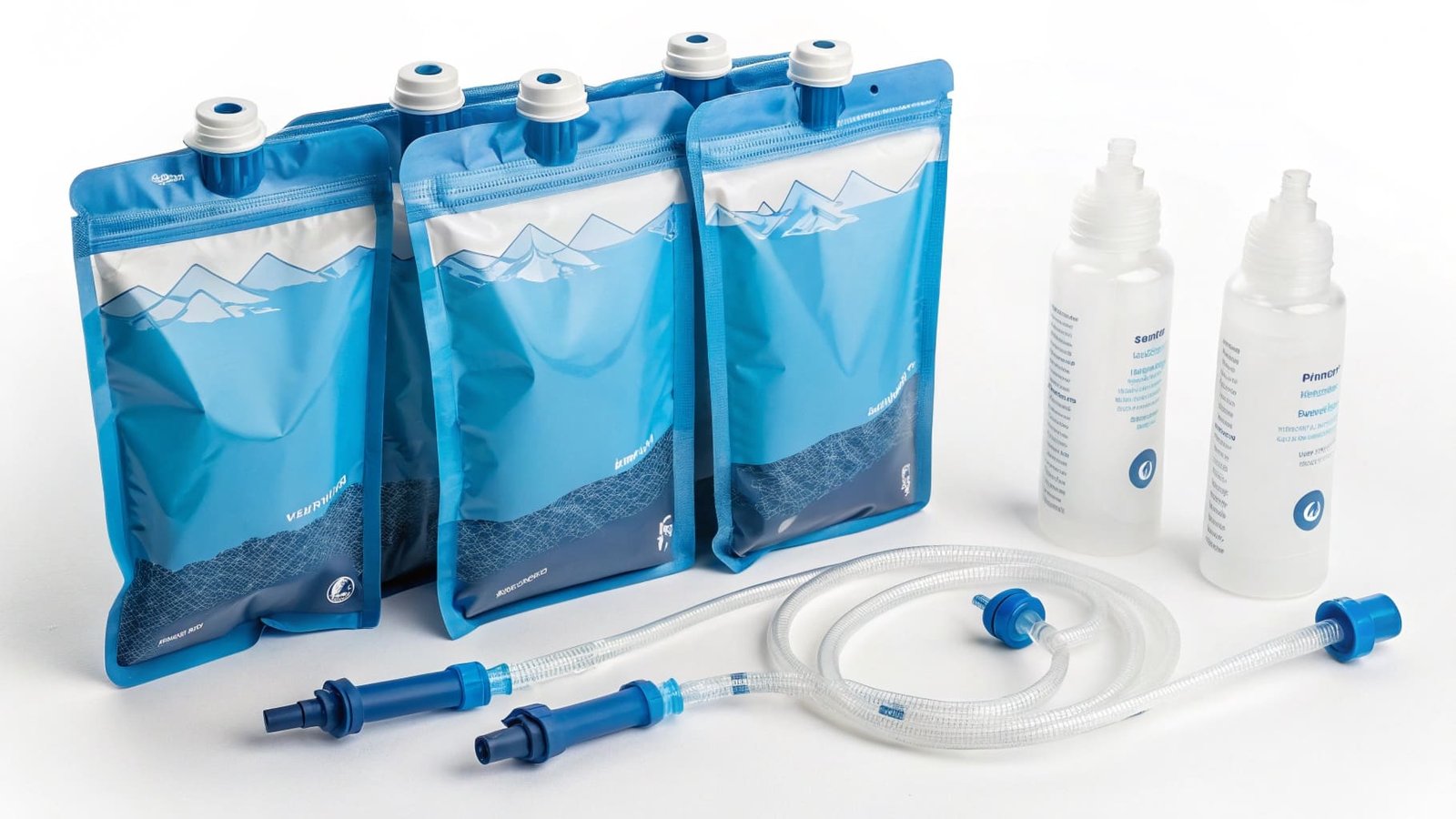
Understanding Material Composition in Hydration Systems
I test every material batch before production starts. The lab sends me UV exposure reports. These reports show how materials perform after 1000 hours under UV light. Standard TPU loses 40% of its tensile strength. Medical-grade silicone2 loses only 5%.
The bladder itself usually comes from one material. The connectors need different properties. Bladders must hold volume. Connectors must seal tight and resist pulling forces. This means I source multiple materials for one complete system.
| Material Type | UV Resistance | Flexibility After 1 Year | Cost Factor |
|---|---|---|---|
| Standard TPU | Poor | Reduced 40% | 1x |
| Medical Silicone | Excellent | Reduced 5% | 3x |
| UV-Stabilized Polymer | Good | Reduced 15% | 2x |
| Standard Polyethylene | Fair | Reduced 30% | 0.8x |
Food-grade certification matters more than most buyers realize. I learned this after a large order got rejected at customs. The certification proves no harmful chemicals leach into water. Standard plastic contains plasticizers that break down under UV light. These chemicals enter the water supply inside the bladder.
What Is the Best Hydration Pack for Wirecutter?
Wirecutter tests focus on overall pack performance. They evaluate comfort, capacity, and durability. The connector quality often determines the durability score. A pack fails when the bite valve cracks or the tube disconnects during use.
Premium hydration packs feature platinum-cured silicone3 connectors and UV-resistant tubing. Top-rated models use reinforced connection points with metal inserts, combining material durability with mechanical strength to prevent the common failure points that affect cheaper alternatives.
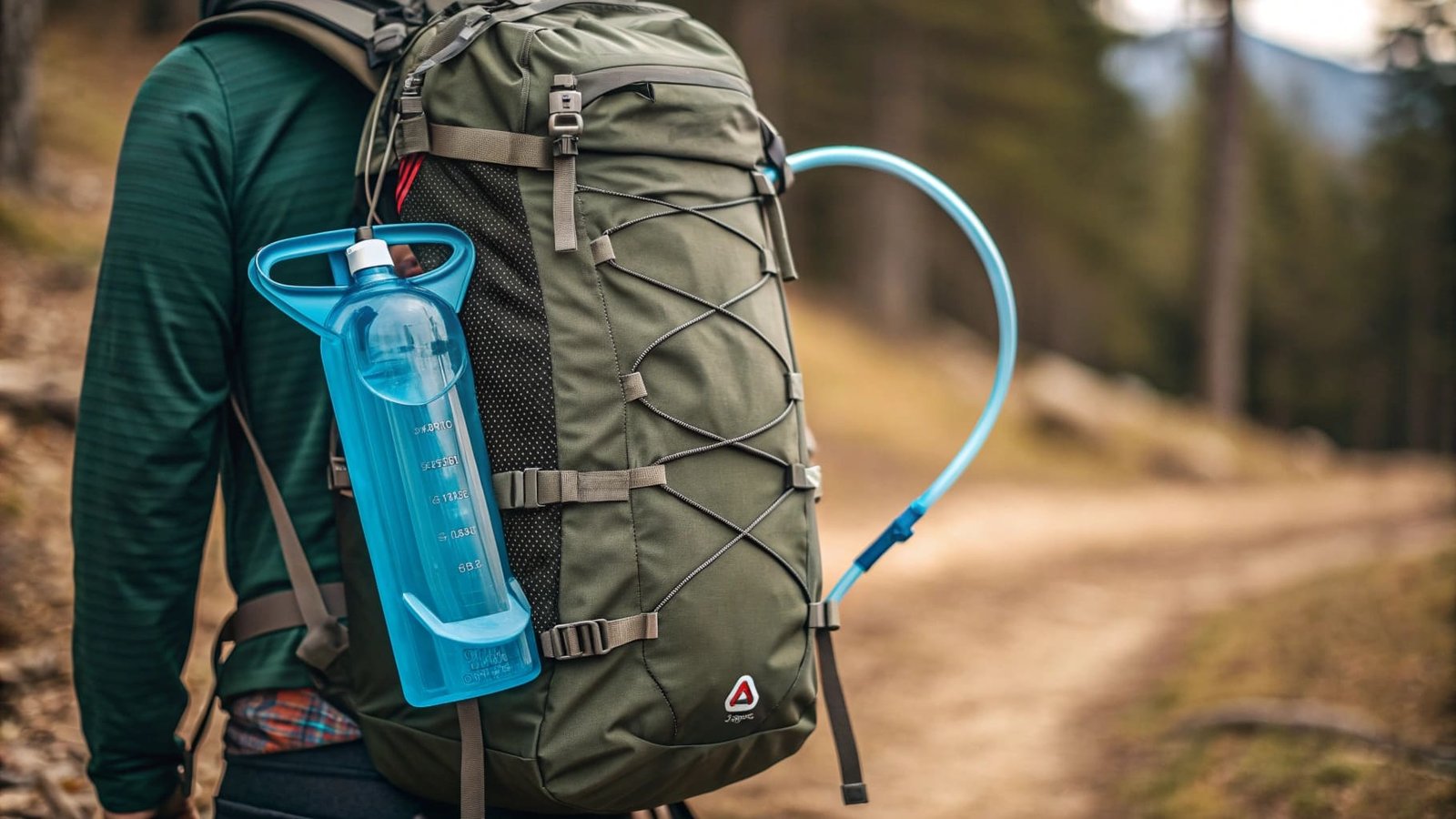
Breaking Down Performance Standards
I visit trade shows every year. The Wirecutter-recommended packs all share one thing. They use silicone for every connector component. The bite valve, tube connections, and bladder port all use the same material. This consistency prevents weak points in the system.
Testing protocols reveal why certain packs perform better. The good packs survive drop tests from two meters. The tubes do not disconnect when pulled with 50 pounds of force. The bite valves keep sealing after 10,000 open-close cycles.
I replicate these tests in my facility. My silicone connectors pass the same standards. This allows my B2B customers to compete with major brands. They pay less for components but deliver similar performance to end users.
Temperature cycling adds another challenge. Packs sit in hot cars, then get used in cold mountains. Standard plastic connectors crack during these transitions. Silicone maintains flexibility from minus 40 to plus 200 degrees Celsius.
Brand reputation builds on connector reliability. One failed connector generates negative reviews. Those reviews cost brands thousands in lost sales. My customers understand this connection between material quality and brand value.
Do Water Bladders Leach Plastic?
Standard plastic bladders release chemicals into water when exposed to heat and UV light. BPA-free4 labels do not guarantee safety. Many replacement chemicals show similar concerns in laboratory testing. This creates real health risks for outdoor users.
Medical-grade silicone and properly certified thermoplastics minimize leaching risks. These materials undergo rigorous testing for chemical migration into water, with certification standards requiring no detectable plasticizer release even under accelerated aging conditions that simulate years of UV exposure.
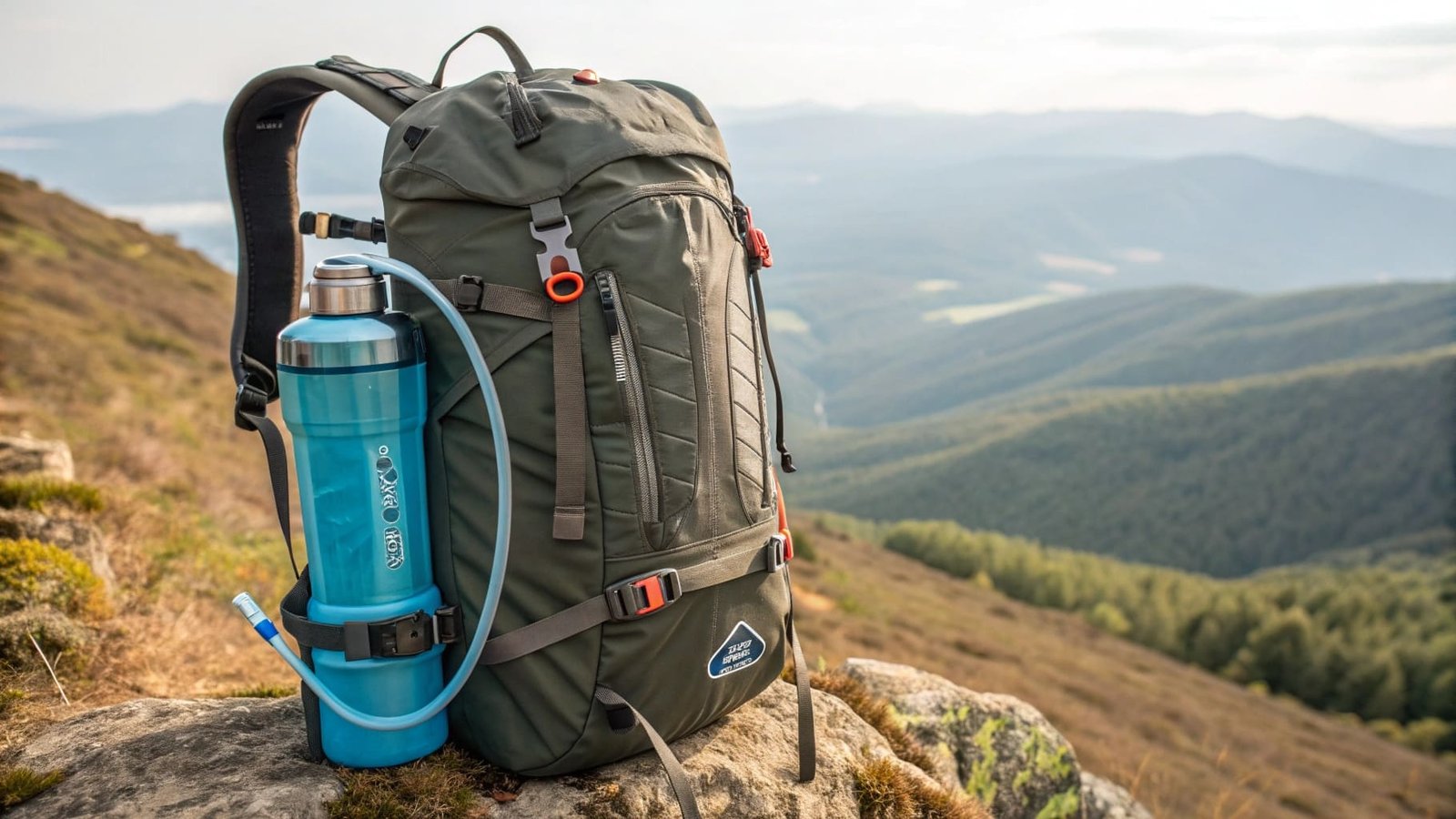
Chemical Safety in Long-Term Use
I saw the test results from a competitor's product last year. Their TPU bladders showed measurable plastic compounds in water samples. The concentration increased after UV exposure. My silicone samples showed zero detectable compounds in the same test conditions.
The leaching process accelerates with temperature. Water sitting in a bladder inside a hot car reaches 60 degrees Celsius. At this temperature, plastic molecules move faster. They migrate into the water more readily than at room temperature.
UV light breaks chemical bonds in plastic. This degradation releases small molecules into the liquid. These molecules taste bad. More concerning, some show hormone disruption effects in animal studies. I cannot sell products that might harm end users.
Platinum-cured silicone uses a different manufacturing process. No peroxide or other catalysts remain in the finished product. This means nothing exists in the material to leach out later. The curing process creates stable silicon-oxygen bonds that resist both UV and temperature stress.
Third-party testing provides the only reliable verification. I pay for independent lab analysis every quarter. The reports show my silicone connectors meet FDA standards for food contact. This documentation helps my customers pass their own quality audits.
Some buyers ask why silicone costs more than plastic. I explain the testing expenses, the raw material costs, and the manufacturing precision required. Then I show them the warranty claim data. Products with silicone connectors generate 80% fewer returns than products with standard plastic components.
The market shifts toward safer materials every year. Consumers read labels now. They research products before buying. Brands that still use questionable plastics face growing backlash. My B2B customers who switched to silicone components report better customer satisfaction scores.
Conclusion
UV-resistant materials determine hydration system longevity in outdoor applications. Medical-grade silicone outperforms standard plastics in UV stability, chemical safety, and long-term reliability for connector components.
-
Learn about the advantages of UV-stabilized polymers in outdoor gear, providing better resistance to sun exposure. ↩
-
Explore how Medical-grade silicone enhances durability and safety in hydration systems, ensuring a reliable outdoor experience. ↩
-
Discover the advantages of platinum-cured silicone in hydration packs for enhanced performance. ↩
-
Find out what BPA-free means and its implications for safety in hydration products. ↩