Why Do Hydration Bladders Need Bite Valve Sheath Replacements in Bulk?
You stock hydration bladders. Your customers start complaining about leaks and bad taste. The bladder is fine. The bite valve sheath is the problem.
A hydration bladder bite valve sheath needs bulk replacement because it faces three simultaneous stresses: constant mechanical biting, saliva enzyme exposure, and temperature shifts. These stresses break down even premium silicone within 6 to 12 months. Bulk replacement prevents customer complaints before they happen.
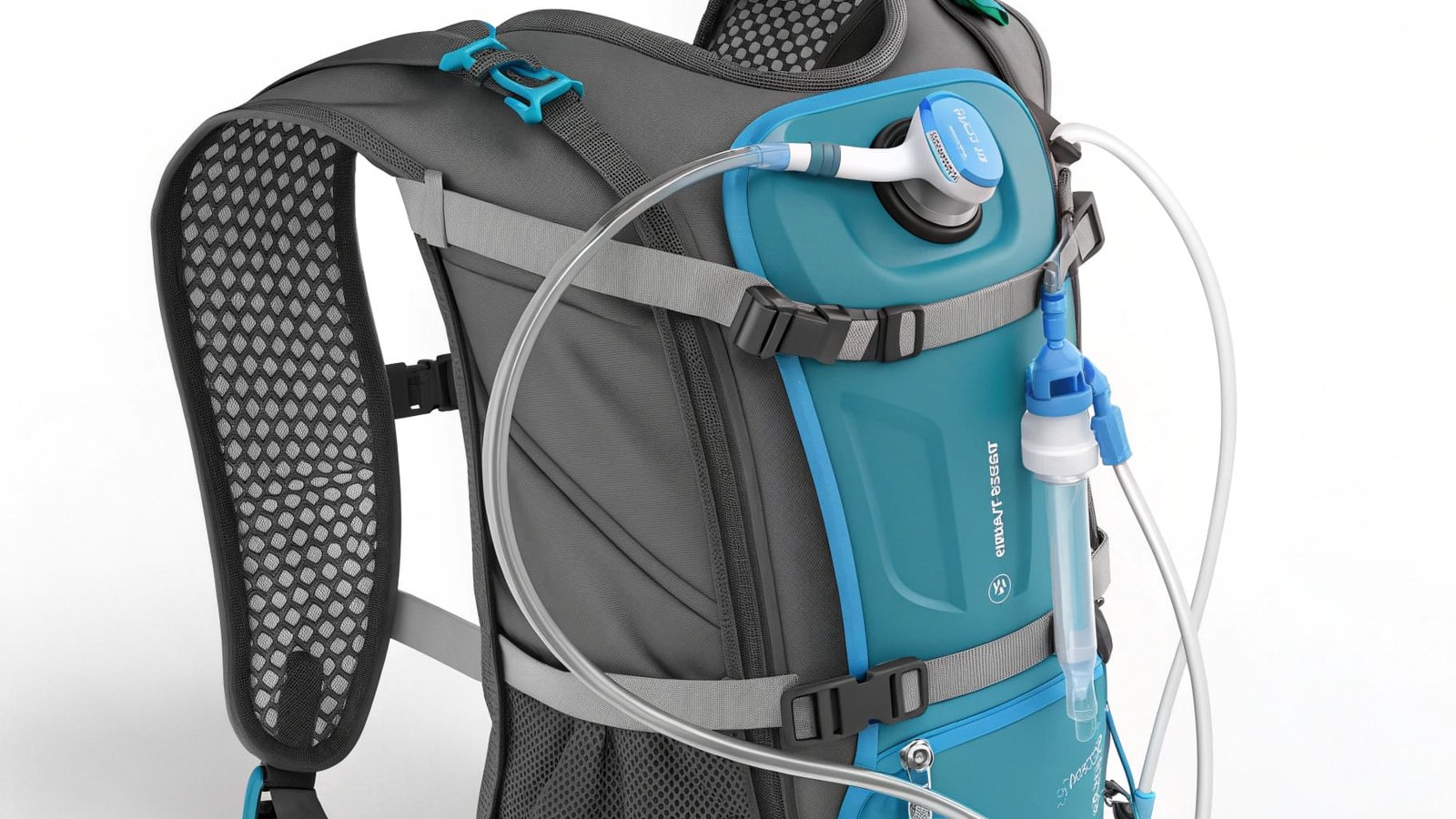
I have spoken to dozens of procurement teams who treat bite valve sheaths as an afterthought. They focus their budgets on the bladder itself, the hose, and the reservoir seal. Then the returns start coming in. The sheath is small. The sheath is cheap. But the sheath is the part that fails first, and when it fails, the customer does not blame the sheath. The customer blames the brand. That is the real cost. That is why understanding this component matters more than most buyers expect.
How Long Can Water Stay in a Hydration Bladder?
You fill your bladder in the morning. You forget it in your pack for two days. When you drink from it, something tastes wrong. That feeling is not imagination.
Water can safely stay in a hydration bladder for 24 to 48 hours under normal conditions.1 After that, bacteria growth becomes a real risk. A damaged or worn bite valve sheath shortens this window because micro-cracks trap residue that cleaning cannot fully remove2.
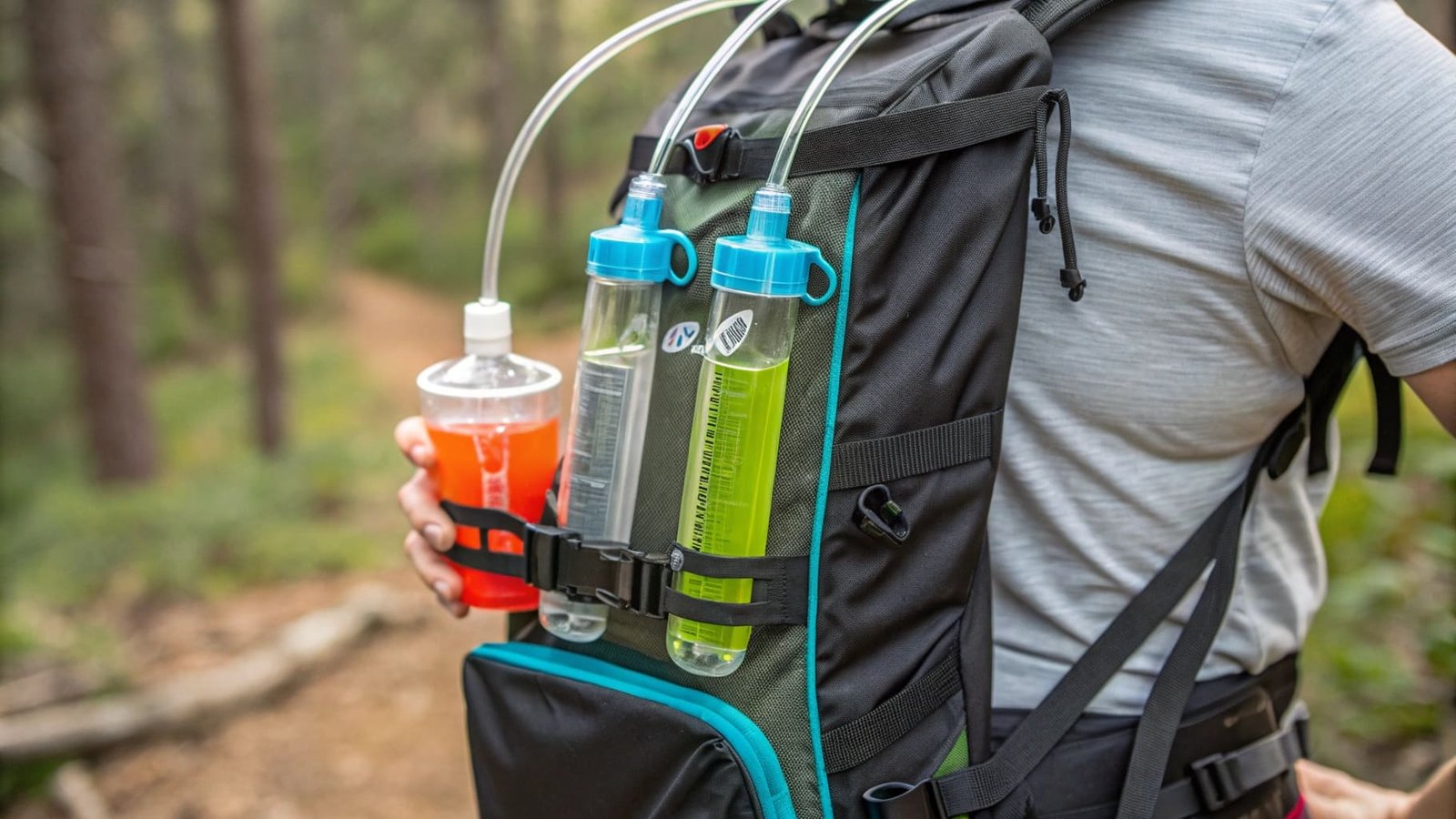
The 24 to 48 hour guideline applies to a clean, intact system. The moment the bite valve sheath develops micro-cracks or surface degradation, that guideline no longer applies. Here is why this matters for bulk buyers and fleet operators.
Why the Bite Valve Sheath Changes the Safe Storage Window
The bite valve sheath sits at the end of the drinking tube. It is the last point of contact before water enters the mouth. It is also the most exposed part of the entire system.
Saliva travels backward into the valve during normal use. This is unavoidable. Saliva contains enzymes and bacteria. These do not wash out completely with a quick rinse. Over time, they build up inside the internal geometry of the sheath.
When the sheath is new and smooth, this buildup is minimal. Cleaning protocols can handle it. When the sheath ages and develops surface texture from repeated biting, the buildup accelerates.3 Standard cleaning tools cannot reach every crevice.
The table below shows how the safe water storage window changes depending on sheath condition.
| Sheath Condition | Surface State | Safe Water Storage Window |
|---|---|---|
| New (0 to 3 months) | Smooth, intact | Up to 48 hours |
| Mid-life (3 to 6 months) | Minor surface wear | 24 to 36 hours |
| Aging (6 to 12 months) | Visible micro-texture | 12 to 24 hours |
| End-of-life (12+ months) | Cracked or discolored | Not recommended |
For procurement officers supplying military units, hiking guide companies, or adventure tourism operators, this table has direct liability implications. A soldier or a paying customer who gets sick from contaminated water does not check the replacement schedule of a bite valve sheath. They file a complaint, or worse, a claim. Bulk replacement on a fixed schedule removes that risk entirely. The cost of a replacement sheath is a small fraction of the cost of a single liability event.
I keep this table on hand when I talk to customers who push back on replacement frequency. The numbers do the convincing.
How Do You Clean a Camelbak Bite Valve?
You follow the instructions. You use the brush. You use the cleaning tablets. The valve still smells off after six months. The problem is not your cleaning method.
Cleaning a Camelbak bite valve involves removing the sheath, rinsing it under warm water, using a small brush to scrub the interior, and soaking in a diluted cleaning tablet solution. However, this process only works fully when the sheath surface is still smooth and intact.
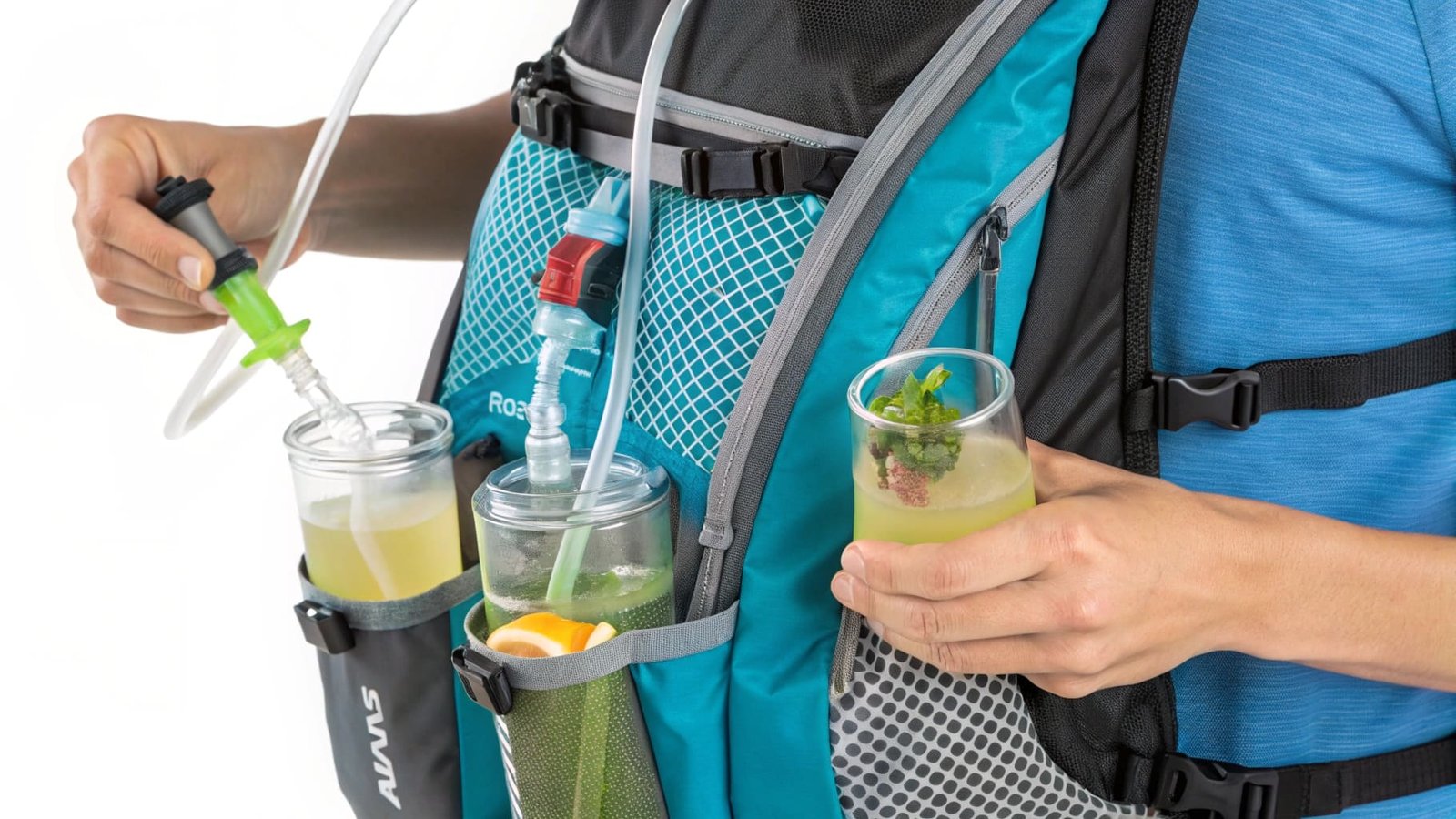
Camelbak provides clear cleaning guidance. The steps are not complicated. The issue is not the instructions. The issue is that silicone changes over time, and cleaning protocols are designed for new or near-new silicone surfaces.
What Cleaning Can and Cannot Do
A cleaning brush removes visible residue. A cleaning tablet kills bacteria on contact surfaces.4 Both tools work well on smooth silicone. Neither tool can fully sanitize silicone that has developed micro-surface texture from aging.5
Here is a practical breakdown of what each cleaning method addresses.
| Cleaning Method | What It Removes | What It Cannot Remove |
|---|---|---|
| Warm water rinse | Loose particles, surface saliva | Biofilm inside crevices |
| Small brush scrub | Visible deposits on accessible surfaces | Residue inside internal geometry |
| Cleaning tablet soak | Surface bacteria on smooth silicone | Bacteria embedded in micro-cracks |
| Drying and air circulation | Moisture that feeds bacterial growth | Pre-existing biofilm colonies |
The internal geometry of the Camelbak bite valve sheath includes a small flap mechanism that controls water flow. This flap creates a space that brushes cannot reach. Cleaning tablets can penetrate this space, but only if the silicone surface is still smooth enough to allow full contact. An aged sheath with micro-surface texture holds bacteria between cleaning cycles.
For individual users, this means replacing the sheath every 6 to 12 months regardless of appearance. For bulk buyers supplying outdoor retailers, this means understanding that your customers will need replacement sheaths on a regular cycle. Stocking these replacements, or supplying them as part of a maintenance kit, creates a repeat revenue stream and builds customer trust.
I find that buyers who understand this dynamic stop thinking about bite valve sheaths as a low-margin afterthought. They start treating them as a predictable, recurring product line.
How Do You Clean an Osprey Bite Valve?
The Osprey bite valve looks different from a Camelbak valve. The cleaning question comes up constantly. The answer shares more in common than most users expect.
Cleaning an Osprey bite valve follows the same core steps as other hydration systems. Remove the sheath, rinse with warm water, scrub with a small brush, and soak in a cleaning solution. Osprey recommends full disassembly to ensure all components are cleaned separately.6
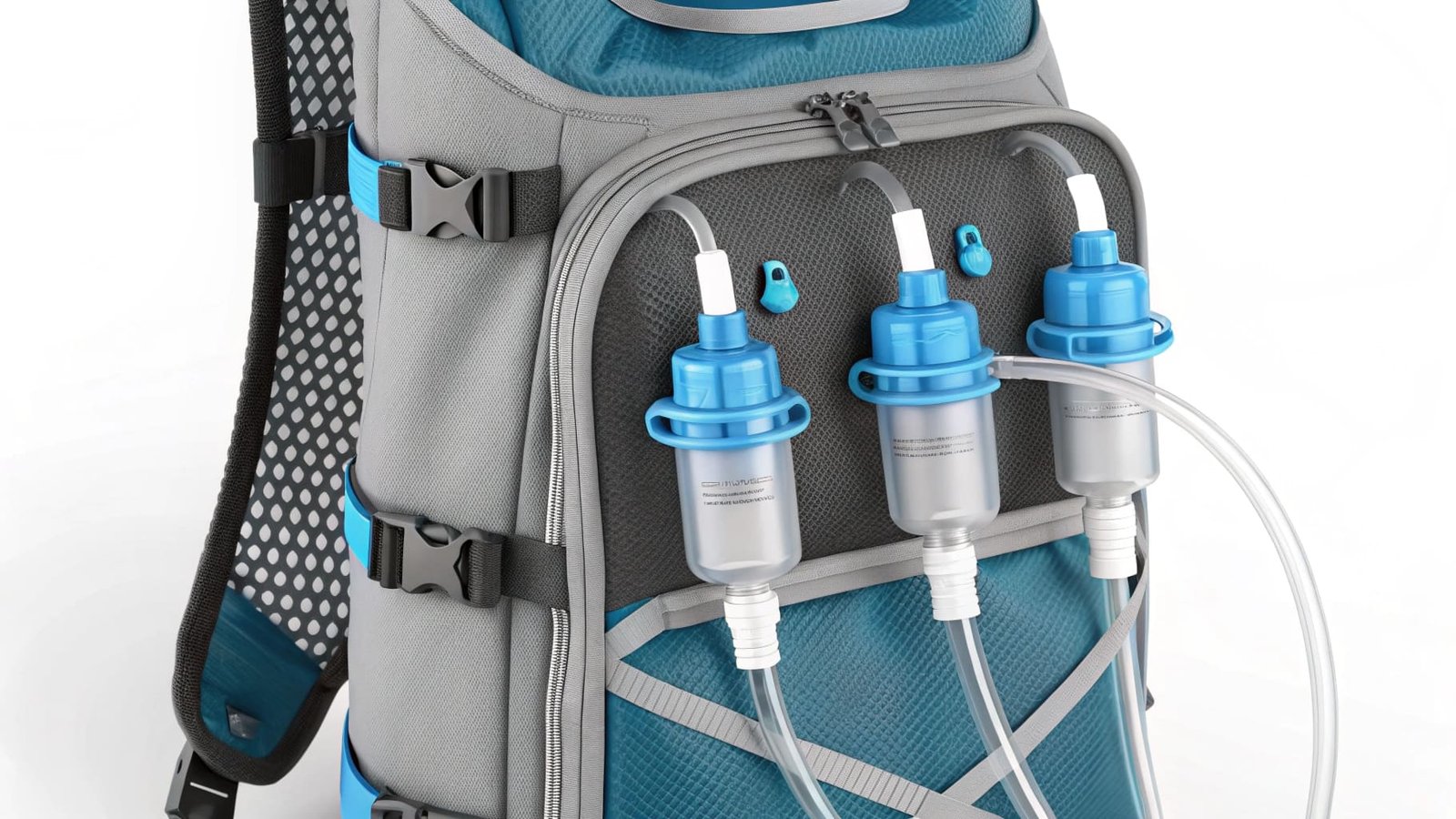
Osprey and Camelbak dominate the hydration bladder market.7 Procurement teams often stock accessories for both brands. Understanding how cleaning limitations apply to both systems helps those teams make better purchasing and replacement decisions.
Osprey vs. Camelbak: Cleaning and Replacement Compared
The two brands use different valve designs. Osprey uses a wider, softer sheath that some users find easier to compress. Camelbak uses a firmer sheath with a slightly different internal mechanism. Both are made from food-grade silicone. Both face the same aging process.
| Feature | Osprey Bite Valve | Camelbak Bite Valve |
|---|---|---|
| Sheath Material | Food-grade silicone | Food-grade silicone |
| Internal Mechanism | Slit-style flow control | Flap-style flow control |
| Cleaning Brush Fit | Standard hydration brush | Standard hydration brush |
| Recommended Replacement | Every 6 to 12 months | Every 6 to 12 months |
| Cleaning Limitation | Internal slit traps biofilm | Internal flap traps biofilm |
The slit-style mechanism on Osprey valves traps biofilm in a different way than the Camelbak flap. The cleaning challenge is the same. The residue location is slightly different.
For bulk buyers, this design difference has a practical implication. Replacement sheaths for Osprey and Camelbak are not interchangeable. A procurement team supplying retailers who stock both brands needs to maintain separate inventory for each. Building a replacement program that covers both SKUs is straightforward, but it requires knowing the distinction upfront.
I work with buyers who initially try to simplify their inventory by stocking only one type of replacement sheath. That approach creates gaps when their customers use the other brand. A small investment in dual-brand inventory coverage removes that gap entirely.
The aging timeline is also the same across both brands. A six-month-old sheath from either manufacturer faces the same micro-crack and biofilm risk. Bulk replacement schedules apply equally to both.
Conclusion
Bite valve sheaths fail on a predictable timeline. Cleaning has limits. Bulk replacement removes risk, reduces complaints, and creates a reliable repeat revenue opportunity.
-
"Safe Water Storage | Global Water, Sanitation, and Hygiene (WASH)", https://www.cdc.gov/global-water-sanitation-hygiene/about/about-safe-water-storage.html. Public-health guidance on drinking-water storage emphasizes using clean, covered containers and limiting contamination during storage, supporting the article’s caution that water left in a portable reservoir should not be treated as indefinitely safe. Evidence role: expert_consensus; source type: government. Supports: Public-health guidance on stored drinking water should support that clean water must be stored in clean, closed containers and that microbial risk increases with time and handling.. Scope note: Most public-health sources address household emergency water storage rather than hydration bladders, so they support the general safety principle rather than the exact 24- to 48-hour cutoff. ↩
-
"Implication of Surface Properties, Bacterial Motility, and ... - PMC - NIH", https://pmc.ncbi.nlm.nih.gov/articles/PMC7907602/. Biofilm and surface-hygiene research shows that rough or damaged polymer surfaces provide niches where organic residue and microorganisms can persist despite routine cleaning. Evidence role: mechanism; source type: paper. Supports: Cracks, crevices, and roughened polymer surfaces can retain organic residue and shelter microorganisms from cleaning.. Scope note: This supports the mechanism by analogy to polymer and food-contact surfaces, not necessarily to a tested hydration bite valve sheath. ↩
-
"Influence of Surface Roughness, Nanostructure, and Wetting ... - PMC", https://pmc.ncbi.nlm.nih.gov/articles/PMC10848269/. Research on bacterial adhesion reports that rougher surfaces can increase microbial attachment and biofilm formation, supporting the article’s claim that worn bite valve surfaces are more prone to buildup. Evidence role: mechanism; source type: paper. Supports: Greater surface roughness can increase bacterial adhesion and biofilm formation on polymer or food-contact surfaces.. Scope note: The relationship can vary by organism, material, and cleaning protocol, so the evidence supports the general mechanism rather than a fixed buildup rate. ↩
-
"When and How to Clean and Disinfect a Facility - CDC", https://www.cdc.gov/hygiene/about/when-and-how-to-clean-and-disinfect-a-facility.html. Disinfection guidance from public-health agencies explains that antimicrobial agents reduce bacteria only on surfaces reached for the required contact time, supporting the article’s distinction between contacted surfaces and protected crevices. Evidence role: mechanism; source type: government. Supports: Chemical disinfectants require direct contact and adequate contact time to reduce bacteria on surfaces.. Scope note: General disinfection guidance does not verify the efficacy of every hydration-cleaning tablet formulation. ↩
-
"Impact of surface roughness on the effectiveness of commercial ...", https://pubmed.ncbi.nlm.nih.gov/41129390/?utm_source=FeedFetcher&utm_medium=rss&utm_campaign=None&utm_content=0zUuv88Yr5uwTpA11QwVSP_WidbtxMa2CmFTetgUFVI&fc=None&ff=20251023191035&v=2.18.0.post22+67771e2. Biofilm literature shows that microbial communities embedded in surface irregularities can resist mechanical removal and chemical disinfection, supporting the article’s warning that aged silicone may not be fully sanitized by routine cleaning. Evidence role: expert_consensus; source type: paper. Supports: Biofilms and microorganisms in roughened or damaged surfaces can be more resistant to removal and disinfection than organisms on smooth surfaces.. Scope note: The evidence supports a general microbial-control principle and may not directly test consumer hydration bite valves. ↩
-
"Osprey Packs | Hydraulics™ Reservoir Product Tour", https://www.youtube.com/watch?v=j8pZruB9-MA. Osprey’s official hydration-reservoir care guidance instructs users to clean components separately and dry them thoroughly, supporting the article’s statement about full disassembly for cleaning. Evidence role: case_reference; source type: institution. Supports: Osprey’s official care guidance instructs users to separate or disassemble hydration components for cleaning and drying.. Scope note: The manufacturer source documents the recommended care process, not independent evidence that disassembly eliminates all microbial risk. ↩
-
"The Best Hydration Packs | Tested & Ranked - Outdoor Gear Lab", https://www.outdoorgearlab.com/topics/camping-and-hiking/best-hydration-pack. Industry market analyses identify CamelBak and Osprey among the prominent brands in hydration packs and reservoirs, providing context for treating both systems as important procurement categories. Evidence role: statistic; source type: other. Supports: Independent market analysis should identify CamelBak and Osprey as major participants in the hydration pack or hydration reservoir market.. Scope note: Many market reports are commercial and may not publish transparent market-share methods, so the citation would support prominence rather than prove exact dominance. ↩