Where to Find Black Cord Locks for Wholesale Drawstring Bag Production?
You need black cord locks in bulk. You search online, find dozens of suppliers, and still can't tell who will deliver quality on time. That problem is real.
Black cord locks are small fastening devices that hold drawstrings in place on bags, apparel, and gear. For wholesale production, the best sources are direct silicone or plastic component manufacturers in China, verified through Google search or trade shows, who offer material certifications and sample testing before bulk orders.
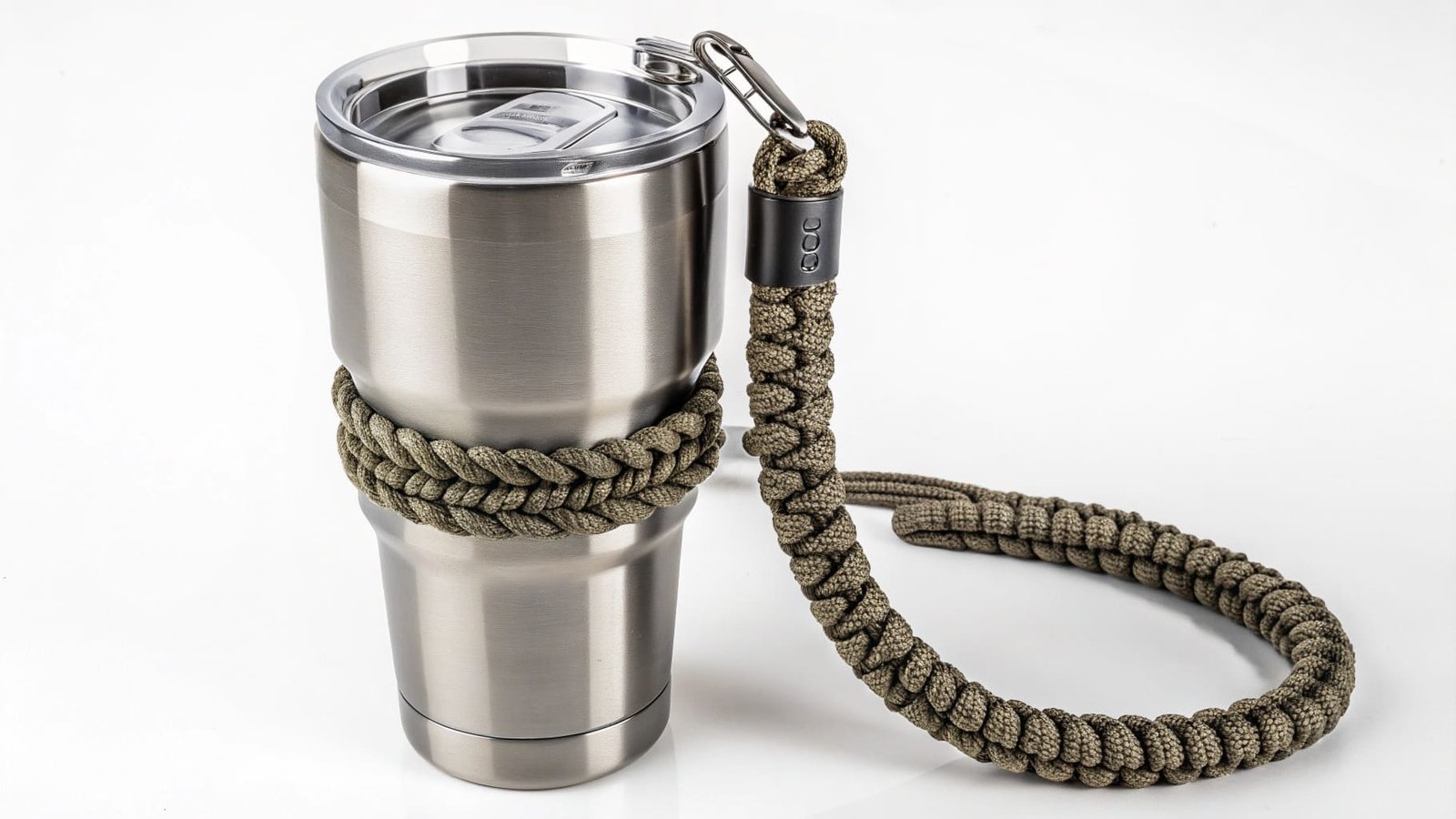
Finding the right supplier for cord locks sounds simple. It rarely is. The wrong choice means delays, failed inspections, and unhappy downstream buyers. Keep reading to understand exactly what to look for before you place a single order.
What Is a Cord Lock?
You've seen cord locks on every drawstring bag you've ever owned. But when you're sourcing them for production, not knowing the details will cost you money and time.
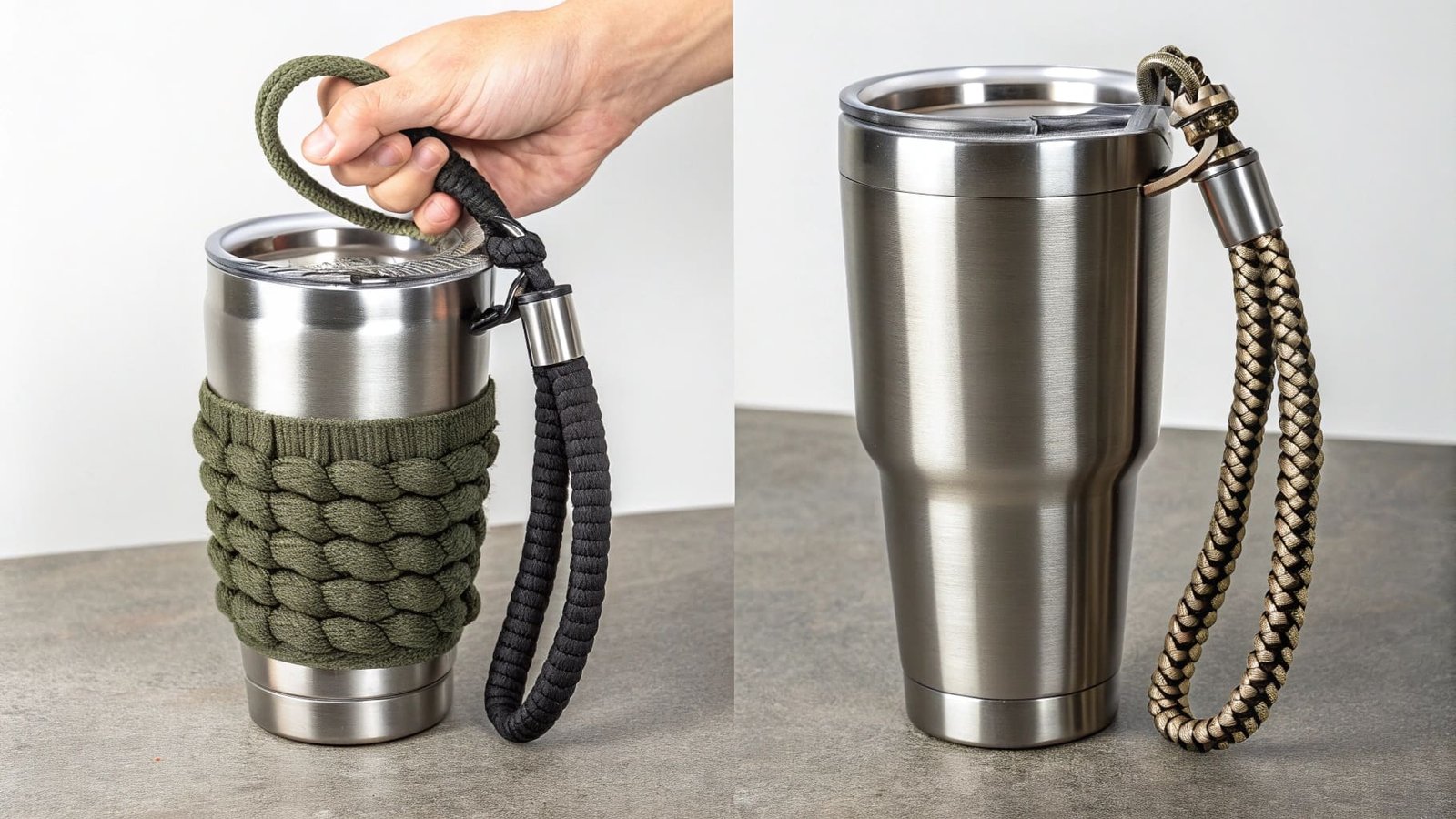
A cord lock is a small fastening device used to secure and adjust the drawstring on a bag, jacket, or piece of gear.1 It holds the cord in place through a spring-loaded pin or friction grip. For wholesale bag production, it controls how the bag opens and closes.
Why Material Choice Changes Everything
I've spoken with many buyers who treat cord locks as an afterthought. They focus on the bag fabric, the print quality, the zipper — and then order the cheapest cord locks available. This is where things go wrong.
The two most common materials are plastic and silicone. Here is how they compare directly:
| Feature | Plastic Cord Lock | Silicone Cord Lock |
|---|---|---|
| Grip Strength | Moderate | High |
| Durability | Breaks under repeated stress | Maintains tension over time |
| Touch Feel | Hard and rigid | Soft and smooth |
| Environmental Standards | Basic compliance | Meets REACH, CPSIA standards |
| Suitability for Premium Markets | Limited | Strong |
| Temperature Tolerance | Low to moderate | High |
Plastic cord locks, usually made from polyethylene or nylon, are cheaper and work fine for low-cost promotional bags. But if your buyers are in North America or Europe, they often expect stricter material compliance. Silicone cord locks meet REACH and CPSIA standards. This matters especially when the end product is used by children or sold in regulated retail environments2.
Beyond certifications, silicone cord locks also perform better on production lines. They don't crack during assembly, and they stay flexible in cold warehouses or humid shipping containers. I've seen plastic cord locks arrive brittle after sitting in a container through a winter shipment. That kind of failure hits your brand, not the supplier.
When sourcing in bulk, always request a material data sheet. Ask specifically about UV resistance and load-bearing capacity. These two factors determine how the cord lock performs after the bag leaves your hands.
How to Replace a Cord Lock?
Your customer's bag cord lock breaks six months after purchase. They contact your team. What happens next depends on a decision you made during the sourcing stage.
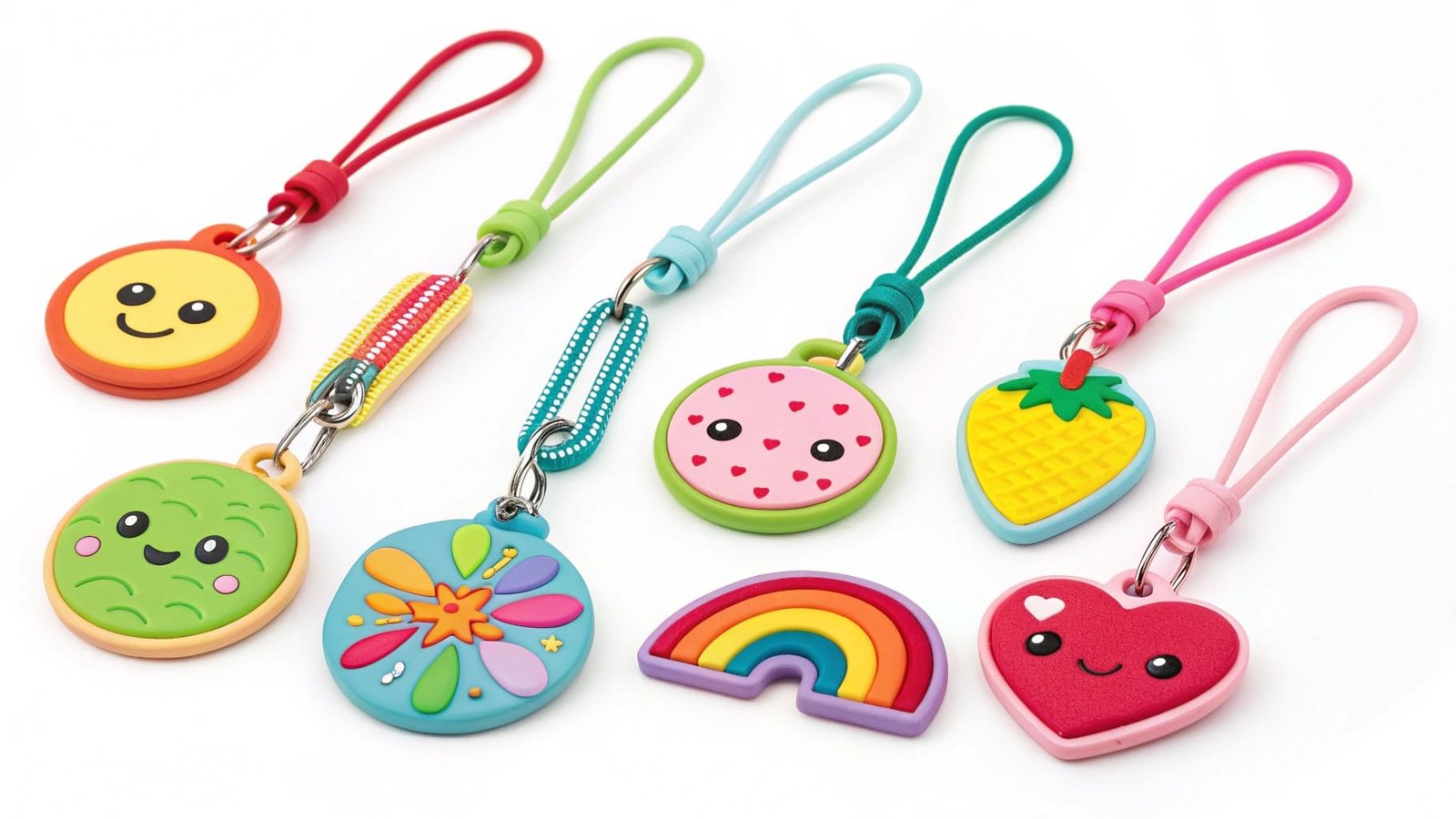
To replace a cord lock, you thread the drawstring through the lock's channels and use the spring pin or friction mechanism to hold it in place. Most cord locks can be swapped out in under a minute without tools.
Why Replaceability Is a B2B Selling Point
Most brand owners never think about cord lock replacement until a complaint comes in. I think about it at the sourcing stage. Here is why.
Bags designed with replaceable cord locks last longer. A customer who can fix a broken lock instead of throwing the bag away gets more value from your product. In European markets especially, this aligns with circular economy expectations. Retailers and procurement officers in those markets are actively evaluating products based on repairability and waste reduction.3
Here is what to test before committing to a cord lock supplier:
| Test Scenario | What to Check |
|---|---|
| Remove and reinsert the lock | Does the cord stay undamaged? |
| Replace after 10 cycles | Does the lock still grip with the same tension? |
| Test on different cord diameters | Is the lock compatible with your production specs? |
| Test on bag fabric | Does removal leave marks or damage the material? |
Silicone cord locks consistently outperform plastic in repeated replacement tests.4 The silicone body flexes instead of snapping. The grip channel stays intact. Plastic locks, especially lower-grade ones, develop cracks at the hinge point after a few replacement cycles.
From a production perspective, ease of assembly also matters. A cord lock that takes extra steps to thread slows down your line. Ask your supplier for a sample and run it through your assembly process before placing a large order. A few hours of testing at this stage will save you weeks of rework later.
Are Cable Locks Easy to Cut?
You're evaluating cord locks for a client in the events or hospitality sector. They ask about tamper resistance. You don't have a clear answer. That is a gap in your product knowledge that this section will close.
Standard cord locks used on drawstring bags are not security devices. They can be cut with scissors. But the real question for B2B buyers is about durability under normal use, not theft prevention.
Durability vs. Security: What B2B Buyers Actually Need
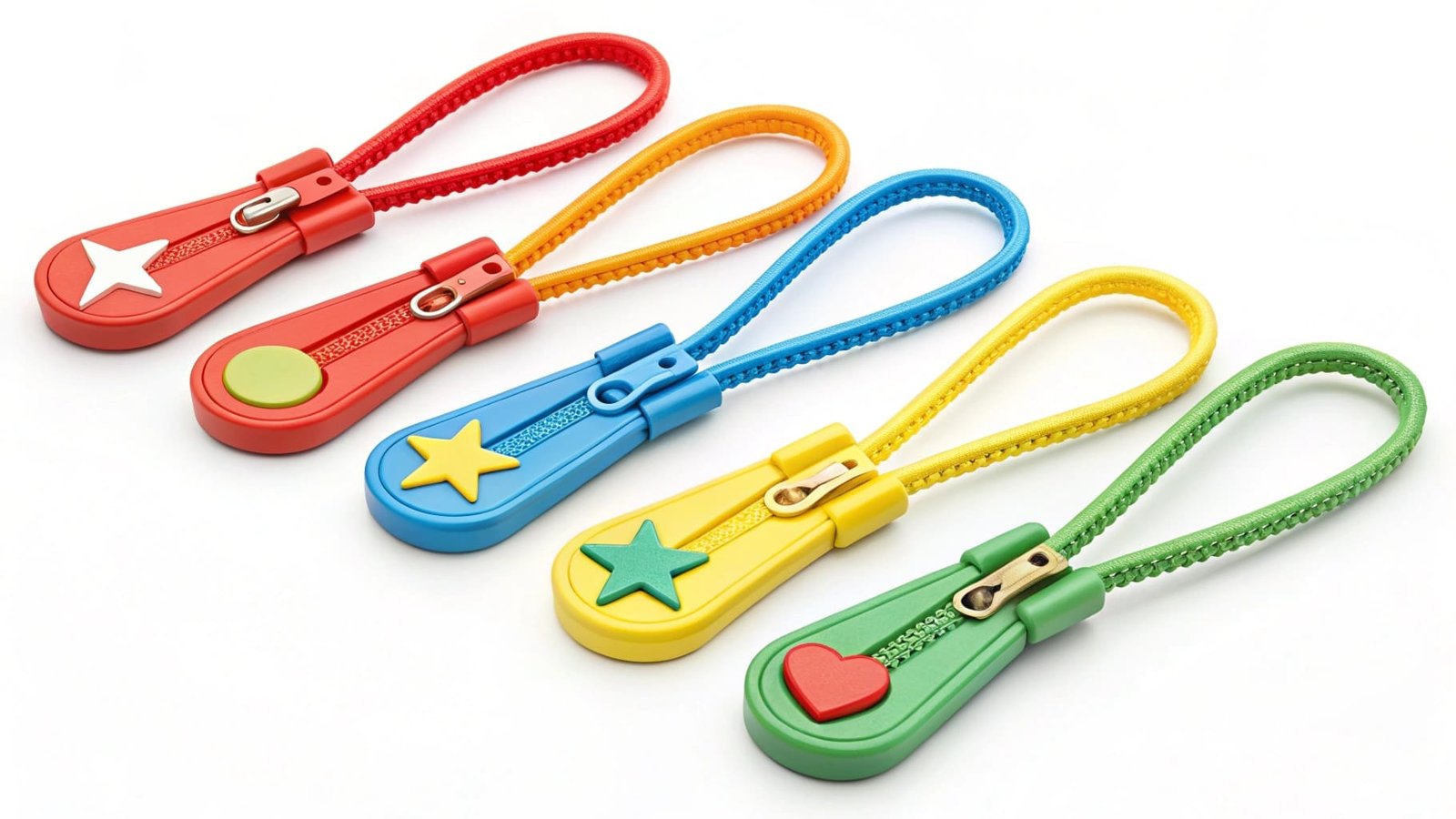
The terms "cord lock" and "cable lock" often get confused. A cable lock is a security device used for bikes or equipment.5 A cord lock is a functional component on a bag. They serve very different purposes, and mixing them up in a supplier conversation creates confusion.
That said, the concern behind the question is valid. Buyers want to know how long the cord lock will last before it fails.
Here is a direct comparison of how different cord lock materials perform under common stress conditions:
| Stress Condition | Cheap Plastic | Standard Nylon | Silicone |
|---|---|---|---|
| UV Exposure (Outdoor Use) | Becomes brittle | Moderate resistance | High resistance |
| Cold Temperature | Cracks | Some cracking | Stays flexible |
| Repeated Cord Pull | Spring weakens | Moderate wear | Maintains tension |
| Cut Resistance | Easy to cut | Easy to cut | Easy to cut |
| Chemical Exposure | Degrades | Moderate | High resistance |
No standard cord lock material is cut-resistant. If a client's application genuinely requires tamper-evidence, the cord lock alone is not the right solution. A secondary closure, such as a zip-tie loop or a snap buckle, should be added to the design.
For most wholesale buyers, the real priority is consistent quality across large production runs. I always tell buyers to define their specifications clearly before contacting a supplier. UV resistance level, operating temperature range, and cord diameter compatibility should all be written into the purchase order. Suppliers who cannot provide data for these specifications are not ready for serious B2B production relationships. This transparency protects your brand when your downstream buyers run their own quality inspections.
Conclusion
Cord locks are small parts with a big impact on bag quality. Choose the right material, test replaceability, and define your specs clearly before sourcing at scale.
-
"Cord lock", https://en.wikipedia.org/wiki/Cord_lock. A general reference on cord locks defines them as devices used to fasten or adjust drawstrings, supporting the article's description of their function in bags and apparel. Evidence role: definition; source type: encyclopedia. Supports: A neutral source should define cord locks as drawstring fastening devices used to hold cords in place.. Scope note: The source may define the component generally rather than specifically for wholesale bag production. ↩
-
"The Consumer Product Safety Improvement Act (CPSIA)", https://www.cpsc.gov/Regulations-Laws--Standards/Statutes/The-Consumer-Product-Safety-Improvement-Act. The U.S. Consumer Product Safety Commission states that children’s products are subject to CPSIA limits and certification requirements, supporting the article's emphasis on compliance when bag components are used in products for children. Evidence role: expert_consensus; source type: government. Supports: A government source should show that children’s products face specific chemical safety and certification requirements.. Scope note: The applicability depends on whether the finished bag legally qualifies as a children's product in the target market. ↩
-
"Green public procurement: Government at a Glance 2025 | OECD", https://www.oecd.org/en/publications/2025/06/government-at-a-glance-2025_70e14c6c/full-report/green-public-procurement_5dbf73a9.html. European green public procurement guidance includes durability, reparability, and waste-reduction considerations among sustainability criteria, supporting the article's broader claim that European buyers may evaluate products on these attributes. Evidence role: general_support; source type: institution. Supports: A procurement-policy source should show that repairability, durability, and waste reduction are recognized criteria in sustainable procurement.. Scope note: This supports public and institutional procurement trends and may not directly describe every private retailer's purchasing criteria. ↩
-
"Rubber Fatigue Revisited: A State-of-the-Art Review Expanding on ...", https://pmc.ncbi.nlm.nih.gov/articles/PMC11991106/. Studies of silicone elastomers report high flexibility and fatigue resistance under cyclic deformation, which provides a materials-based explanation for why silicone cord-lock bodies may tolerate repeated replacement better than rigid plastic alternatives. Evidence role: mechanism; source type: paper. Supports: A peer-reviewed materials source should support silicone elastomers' resistance to repeated flexing or fatigue compared with rigid plastics.. Scope note: This is contextual support; it does not replace supplier-specific replacement-cycle testing of the exact cord-lock model. ↩
-
"Bicycle lock - Wikipedia", https://en.wikipedia.org/wiki/Bicycle_lock. Reference descriptions of bicycle and cable locks identify them as security devices for securing bicycles or equipment, supporting the article's distinction between cable locks and non-security drawstring cord locks. Evidence role: definition; source type: encyclopedia. Supports: A neutral reference should define cable locks or bicycle cable locks as security devices used to secure bicycles or equipment.. Scope note: The source may focus on bicycle locks specifically rather than all equipment cable locks. ↩