Why Do Neoprene Rubber Sheet Gaskets Outperform Standard Rubber in OEM?
Gasket failure is expensive. It triggers downtime, warranty claims, and customer complaints. Yet many OEM buyers still pick the cheapest rubber option without thinking twice.
Neoprene rubber sheet gaskets outperform standard rubber in OEM because they resist oils, chemicals, UV exposure, and wide temperature swings better. This longer service life reduces total cost over time1, even though the upfront price is higher.
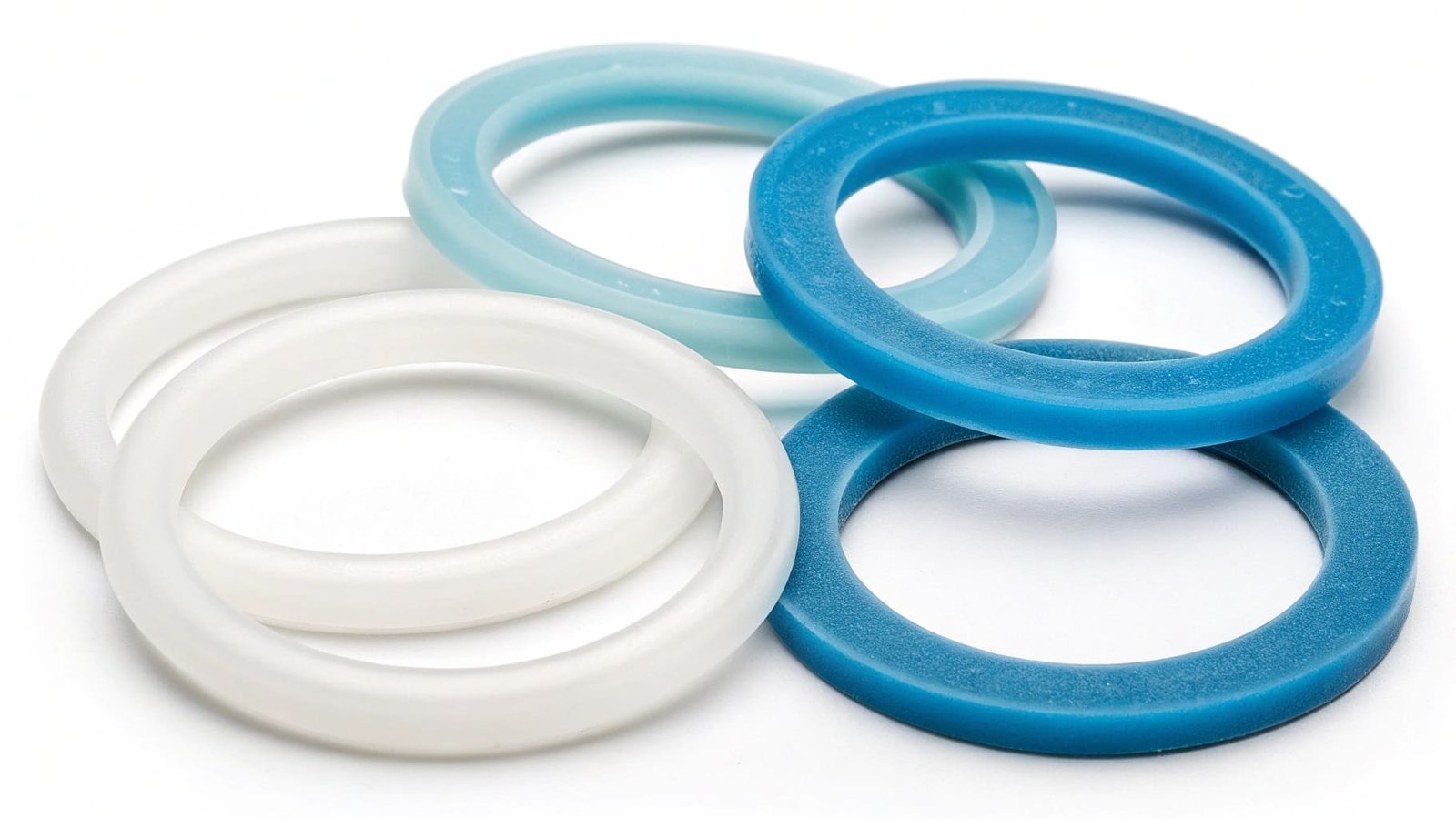
Most buyers look at the price tag first. That is a natural instinct. But in OEM manufacturing, the real question is not how much a gasket costs to buy. The real question is how much it costs when it fails.
Is Neoprene Gasket Better Than Rubber Gasket?
Standard rubber gaskets seem like a safe choice. They are familiar, widely available, and cheaper. But that comfort can hide a real problem that shows up later.
Neoprene gaskets perform better than standard rubber gaskets in most industrial applications.2 They hold their shape longer, resist more types of chemicals, and stay flexible across a wider temperature range. For OEM buyers, this means fewer replacements and fewer complaints.
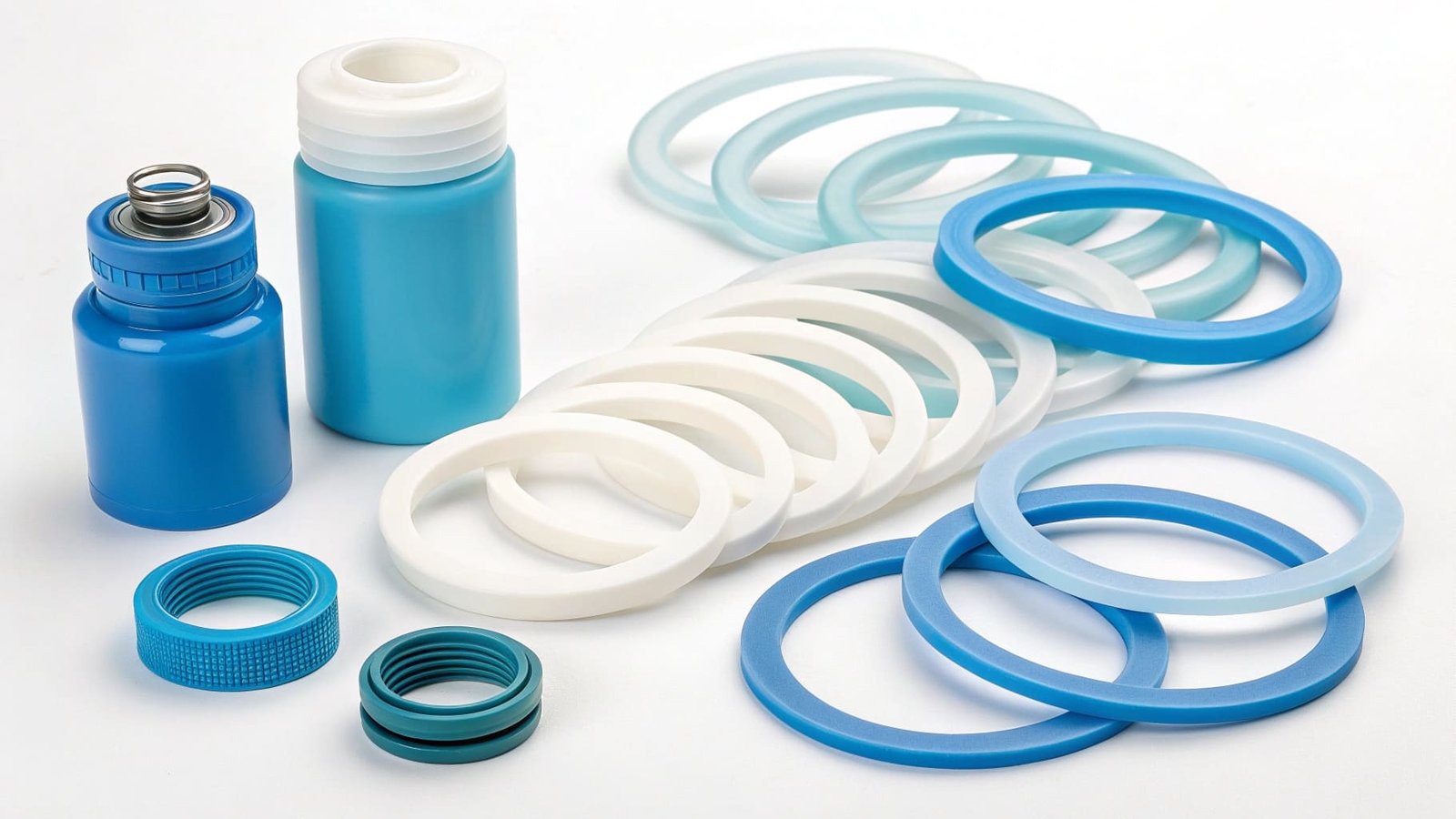
The difference is not just about materials. It is about what happens to those materials under real working conditions.
Standard natural rubber breaks down when it meets oil, ozone, or UV light.3 In an indoor lab, it performs fine. But in an automotive assembly, a marine environment, or an HVAC system, it starts to fail much sooner than expected. Neoprene was engineered to handle exactly these stresses.4
I have talked with many procurement officers who switched from natural rubber to neoprene after one bad batch caused a product recall. The upfront cost difference felt significant at first. After the recall, it felt small.
Here is a direct comparison to make this clearer:
| Factor | Standard Rubber | Neoprene Rubber |
|---|---|---|
| Oil Resistance | Poor | Good |
| Chemical Resistance | Low | Medium to High |
| UV/Ozone Resistance | Poor | Good |
| Typical Service Life (outdoor) | 12–18 months | 3–5 years |
| Temperature Range | Narrow | -40°C to 120°C |
| Upfront Cost | Lower | 20–30% higher |
| Total Cost of Ownership | Higher (more replacements) | Lower (longer service life) |
The table above shows the gap clearly. For any OEM product that faces environmental stress, neoprene is the more responsible choice. It is not just better for performance. It is better for your brand's reputation over time.
Is Neoprene Rubber Better Than Solid Rubber?
"Solid rubber" sounds durable. The name alone gives a sense of strength and reliability. But solid does not always mean better for every application.
Neoprene rubber is better than standard solid rubber when the application involves chemical exposure, outdoor conditions, or temperature changes. Solid natural rubber is adequate for basic indoor sealing. Once you add environmental stress, neoprene pulls ahead.
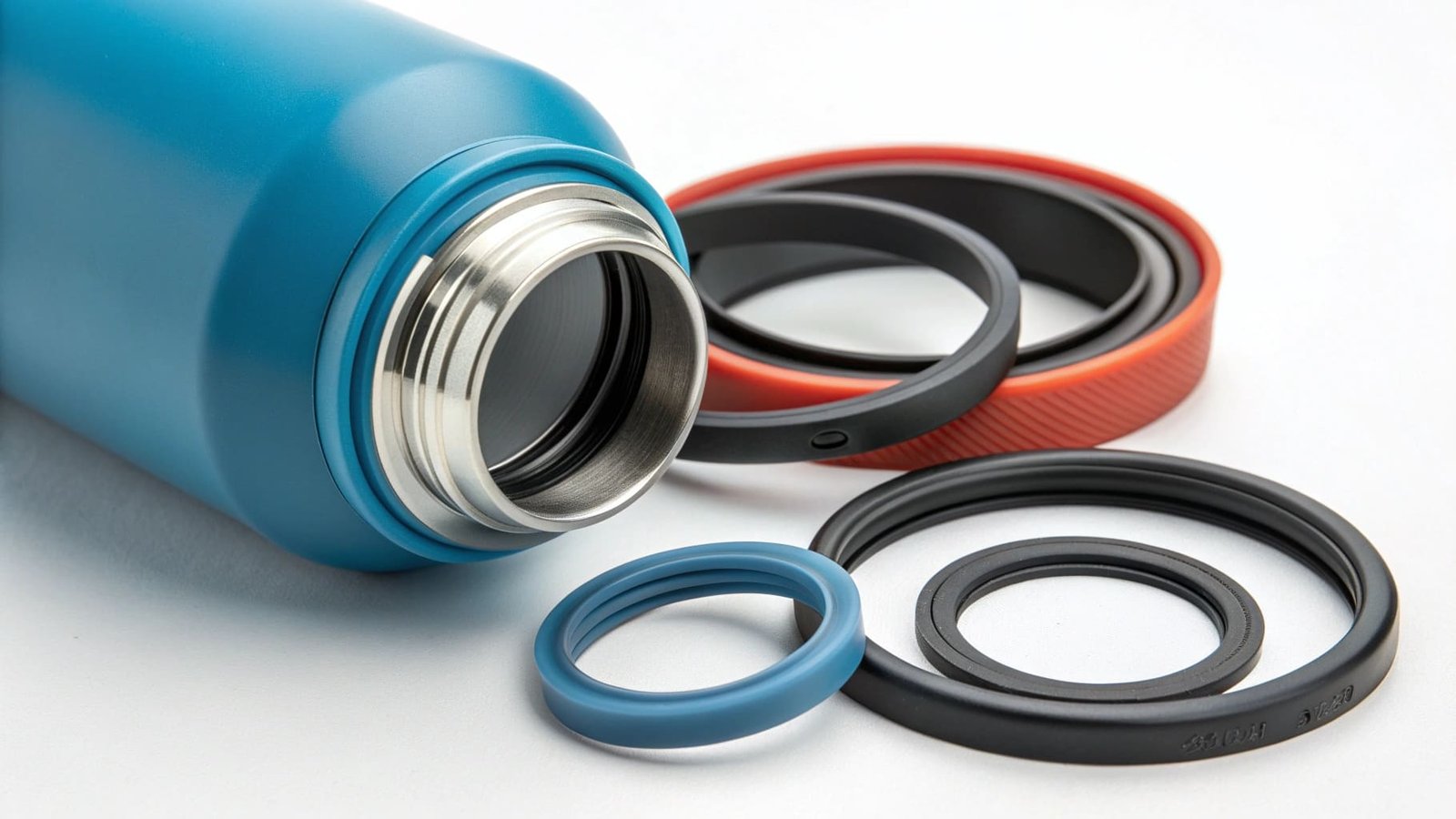
This is where buyers without a technical background can get misled. The term "solid rubber" describes a form factor, not a performance level.5 You can have a solid rubber sheet that fails in six months. You can have a neoprene sheet that lasts five years. The form is the same. The performance is not.
Let me break this down by application type.
Indoor, low-stress applications — Standard solid rubber works fine here. Low chemical contact, stable temperatures, no UV exposure. A warehouse door seal or a basic pipe joint gasket does not need neoprene. Standard rubber is enough and saves cost.
Outdoor or variable-climate applications — This is where neoprene wins clearly. Temperature swings cause standard rubber to harden and crack. Neoprene stays flexible.6 This matters for any product sold across multiple countries with different climates. As someone shipping to North America and Europe, I always think about what happens to a product in a Canadian winter versus a Southern European summer. Neoprene handles both.
Chemical contact applications — Automotive fluids, cleaning agents, hydraulic oils. Standard rubber swells, softens, or degrades. Neoprene resists these fluids far better. For any OEM product in automotive, marine, or industrial equipment, this resistance is not optional. It is a requirement.
| Application Type | Recommended Material | Reason |
|---|---|---|
| Basic indoor sealing | Standard Solid Rubber | Cost-effective, low stress |
| Outdoor environments | Neoprene | UV and ozone resistance |
| Variable temperature range | Neoprene | Stable from -40°C to 120°C |
| Chemical/oil exposure | Neoprene | Better fluid resistance |
| Marine/HVAC systems | Neoprene | Moisture and weathering resistance |
The rule I follow is simple. If the gasket will face any one of these stresses — heat, cold, UV, oil, or chemicals — I choose neoprene. If none of these apply, standard solid rubber is fine.
What Are the Benefits of Neoprene Rubber?
Neoprene sounds like a technical material that only engineers care about. But every benefit it offers has a direct business impact that procurement officers should understand.
Neoprene rubber offers better resistance to oils, chemicals, UV light, ozone, and temperature extremes. It maintains compression set longer, meaning it keeps sealing even after repeated use.7 These properties reduce replacement frequency, warranty claims, and customer dissatisfaction.
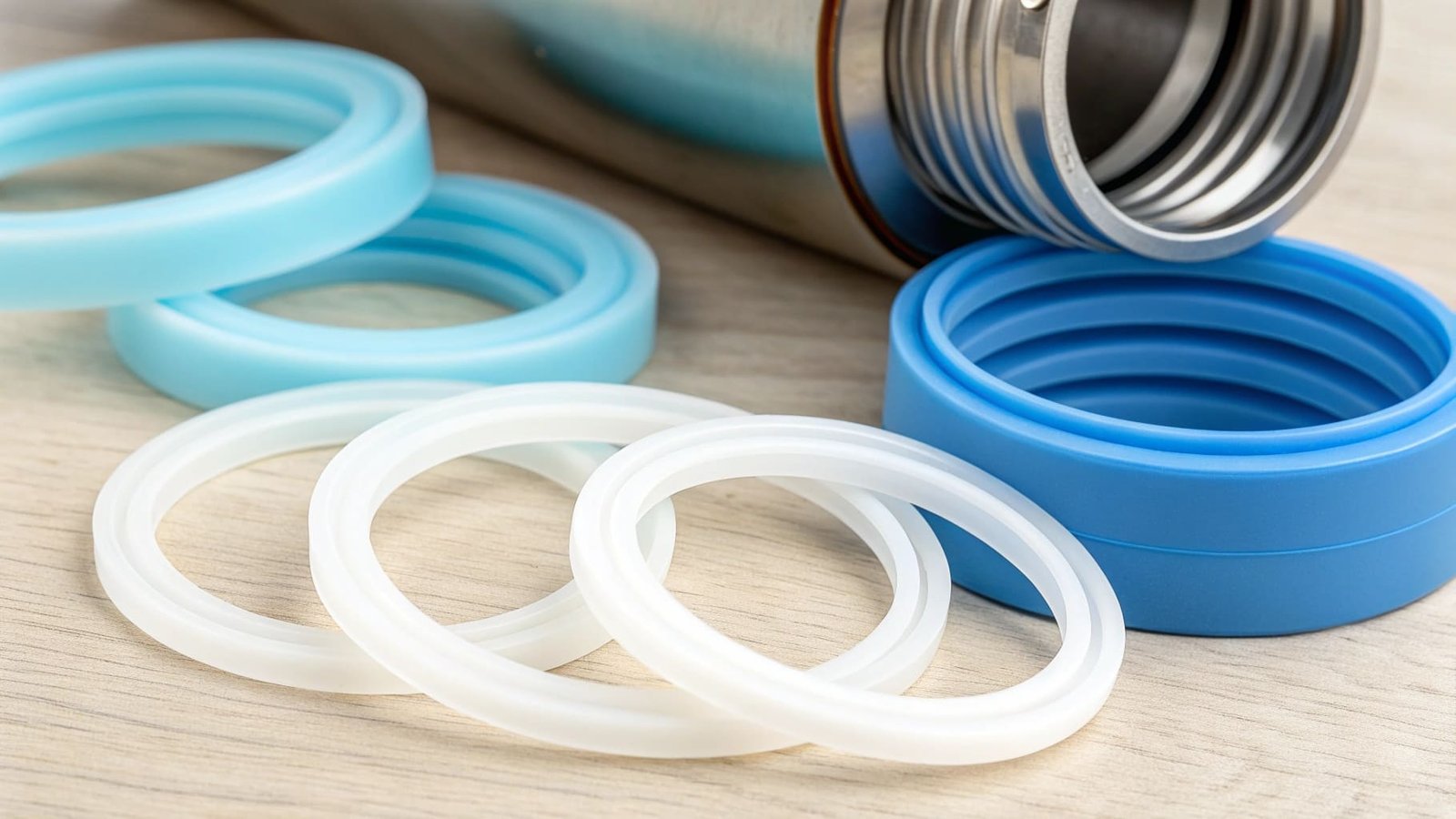
Let me go through the key benefits one by one and explain why each one matters in a B2B and OEM context.
Oil and Chemical Resistance
Neoprene does not swell or soften when it contacts petroleum-based fluids or common industrial chemicals. This is critical for automotive and industrial OEM products. A gasket that swells loses its sealing ability. A failed seal means fluid leaks. Fluid leaks mean warranty claims.
Ozone and UV Resistance
Standard rubber cracks when exposed to ozone or sunlight over time. This is a well-known failure mode. Neoprene resists both. For outdoor products, or products stored in warehouses with fluorescent lighting, this matters more than most buyers realize. I have seen buyers lose confidence in a supplier after cracked gaskets showed up in customer complaints. Ozone cracking is preventable. Choosing neoprene is how you prevent it.
Wide Temperature Stability
Neoprene stays flexible from -40°C to around 120°C. Natural rubber becomes brittle in cold conditions and softens in high heat. For OEM manufacturers selling globally, this means neoprene can serve all markets with one specification. You do not need to order cold-climate versions and warm-climate versions separately. That simplification saves supply chain cost and reduces inventory risk.
Long Service Life
Neoprene gaskets in outdoor or chemically exposed environments last 3–5 years on average. Standard rubber in the same conditions may fail within 12–18 months. This is a significant difference when you calculate total cost over the product's lifespan.
| Benefit | Business Impact |
|---|---|
| Oil resistance | Fewer warranty claims in automotive/industrial use |
| UV/ozone resistance | Fewer product failures in outdoor applications |
| Wide temperature range | One SKU for global markets |
| Long service life | Lower total cost of ownership |
| Compression set retention | Reliable sealing over repeated use cycles |
These benefits compound over time. A product that rarely fails builds a reputation. A reputation for reliability is one of the strongest competitive advantages an OEM brand can have in a crowded market.
Conclusion
Neoprene gaskets cost more upfront but last longer, fail less, and protect your brand better. For any serious OEM application, they are the smarter investment.
-
"Life Cycle Cost (LCC) | www.waru.edu", https://www.waru.edu/acquipedia-article/life-cycle-cost-lcc. Life-cycle cost guidance treats acquisition price as only one component of ownership cost and includes maintenance, replacement, and downtime costs, which contextualizes the claim that longer gasket service life can reduce total cost. Evidence role: mechanism; source type: government. Supports: A source should explain that life-cycle cost includes acquisition, maintenance, replacement, downtime, and disposal costs, so longer service intervals can offset higher initial cost.. Scope note: This would support the cost mechanism, not provide a neoprene-specific cost calculation for the article's exact OEM use cases. ↩
-
"Rubber Gasket Materials Selection Guide", https://dobsongasket.com/news/47-rubber-gasket-materials-selection-guide?trk=public_post-text. Technical material-selection references commonly distinguish neoprene from natural rubber by its improved resistance to oil, ozone, and weathering, supporting its use in many industrial gasket applications. Evidence role: expert_consensus; source type: education. Supports: A technical or educational source should support that neoprene is commonly selected over natural rubber where oil, ozone, weathering, or moderate chemical resistance is required.. Scope note: The source would not establish that neoprene is superior in all industrial applications, especially where other elastomers or low-stress natural rubber may be more appropriate. ↩
-
"Effect of Ozone on Nonwoven Polylactide/Natural Rubber Fibers", https://pmc.ncbi.nlm.nih.gov/articles/PMC12349087/. Polymer-aging literature reports that natural rubber is susceptible to ozone cracking and photo-oxidative degradation and generally has poor resistance to petroleum oils, supporting the article's warning about these exposure conditions. Evidence role: mechanism; source type: paper. Supports: A source should document natural rubber's vulnerability to ozone cracking, photo-oxidative aging, and swelling or degradation in petroleum oils.. Scope note: The severity of degradation depends on compounding, protective additives, exposure intensity, and service environment. ↩
-
"Neoprene - Wikipedia", https://en.wikipedia.org/wiki/Neoprene. Historical accounts of chloroprene rubber identify neoprene as an early synthetic rubber developed as an alternative to natural rubber and valued for resistance to oils, weathering, and aging, giving context for its use under harsher service conditions. Evidence role: historical_context; source type: encyclopedia. Supports: A source should describe neoprene/chloroprene rubber as an early synthetic rubber developed to address limitations of natural rubber and valued for oil, weathering, and aging resistance.. Scope note: The historical source would contextualize the material's development, not verify performance in each modern OEM gasket application. ↩
-
"Research Progress of Elastomer Materials and Application of ... - PMC", https://pmc.ncbi.nlm.nih.gov/articles/PMC9959665/. Educational materials on elastomers distinguish product form, such as sheet or solid rubber, from polymer chemistry, such as natural rubber or chloroprene rubber, supporting the article's clarification. Evidence role: definition; source type: education. Supports: A source should explain that rubber products can be supplied as sheets or solid forms across different elastomer chemistries, including natural rubber and neoprene.. Scope note: This supports the terminology distinction rather than any specific performance ranking. ↩
-
"An Interval Prediction of Chloroprene Rubber Crack Propagation ...", https://pmc.ncbi.nlm.nih.gov/articles/PMC10255112/. Elastomer-aging studies describe how thermal cycling and oxidation can increase hardness and cracking in rubber materials, while chloroprene rubber formulations are often selected for better weathering and flexibility retention across variable temperatures. Evidence role: mechanism; source type: paper. Supports: A source should explain thermal aging, embrittlement, and flexibility retention in elastomers, including comparison between natural rubber and neoprene where possible.. Scope note: The degree of flexibility retention depends on compound formulation, plasticizers, fillers, and the actual temperature cycle. ↩
-
"Compression Set in Elastomers | Canyon Components", https://www.canyoncomponents.com/post/compression-set-in-elastomers-how-it-happens-and-how-to-prevent-it. Compression set standards and elastomer references define the property as residual deformation after compression, making it a relevant indicator of whether a gasket can recover and maintain sealing force after service. Evidence role: mechanism; source type: institution. Supports: A source should define compression set testing and explain that lower compression set indicates better recovery after compression, which is relevant to sealing performance.. Scope note: Compression set is an indicator of sealing performance, but actual leakage also depends on flange design, surface finish, load, temperature, and media exposure. ↩