What Are Weatherproof Box Gaskets Used for in Electrical Supply Chains?
Buying electrical components without understanding gaskets is a costly mistake. A missing or wrong gasket causes short circuits, corrosion, and downtime. Here is what you need to know.
Weatherproof box gaskets create a tight seal between an outdoor electrical box and its cover.1 They block moisture, dust, and debris from reaching electrical connections. Without a proper gasket, even a high-rated enclosure will fail in the field.2
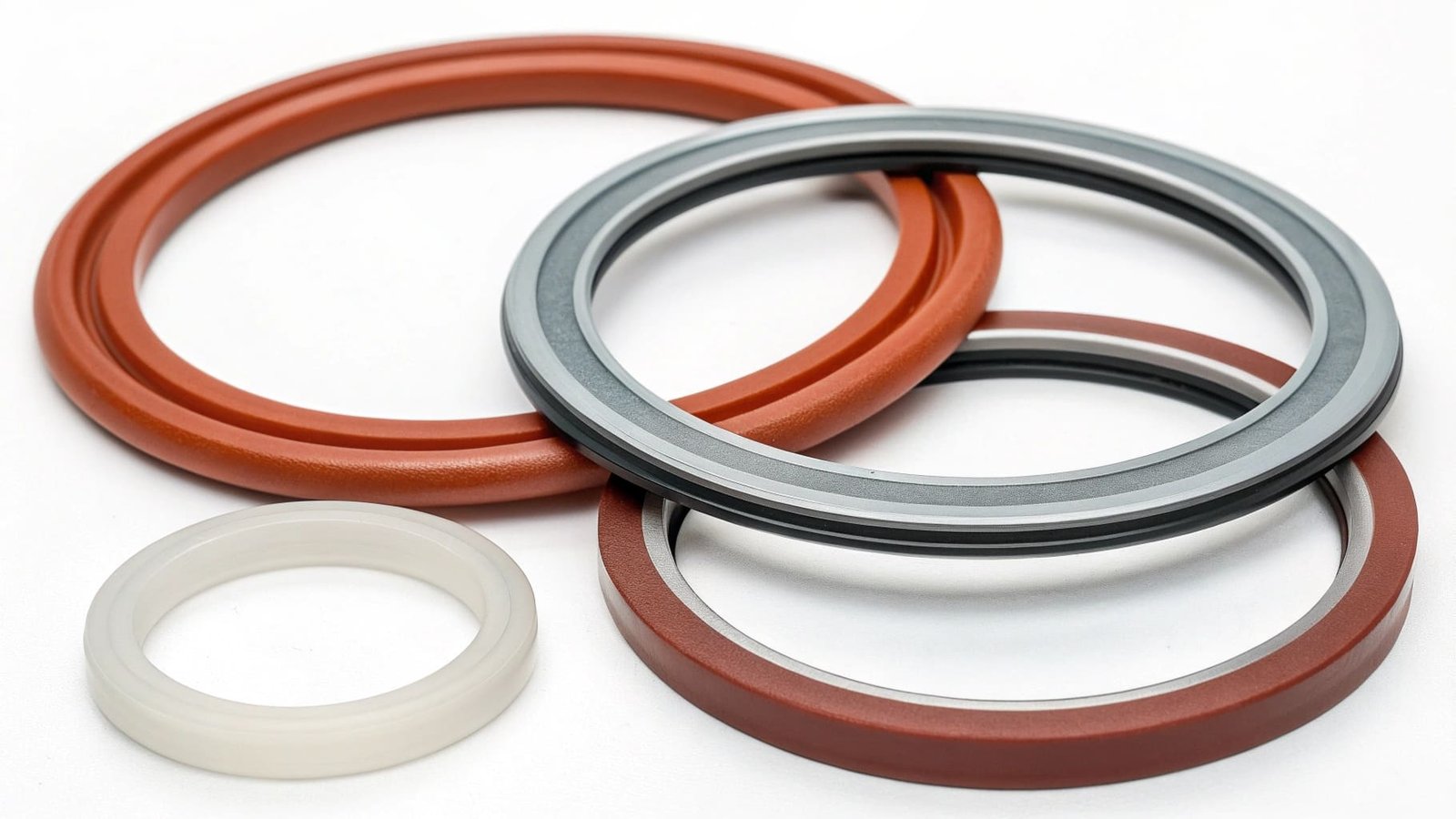
Most buyers focus on the box itself. They check the ratings, the material, and the price. But the gasket is the part that actually keeps water out. I have seen procurement teams spend months sourcing quality enclosures and then overlook the gasket spec entirely. That one oversight ends up in warranty claims and damaged shipments. The gasket is small, but it carries the whole job.
What Is a Weatherproof Box?
You have probably seen outdoor electrical enclosures fail within a year of installation. Water gets in, connections corrode, and the whole system shuts down. That failure almost always starts with the seal.
A weatherproof box is an enclosure designed to protect electrical connections from outdoor conditions. It is built to resist rain, humidity, dust, and temperature changes. These boxes are rated by NEMA or IP standards, which tell buyers exactly what level of protection the box provides.3
What Makes a Box "Weatherproof" in Practice?
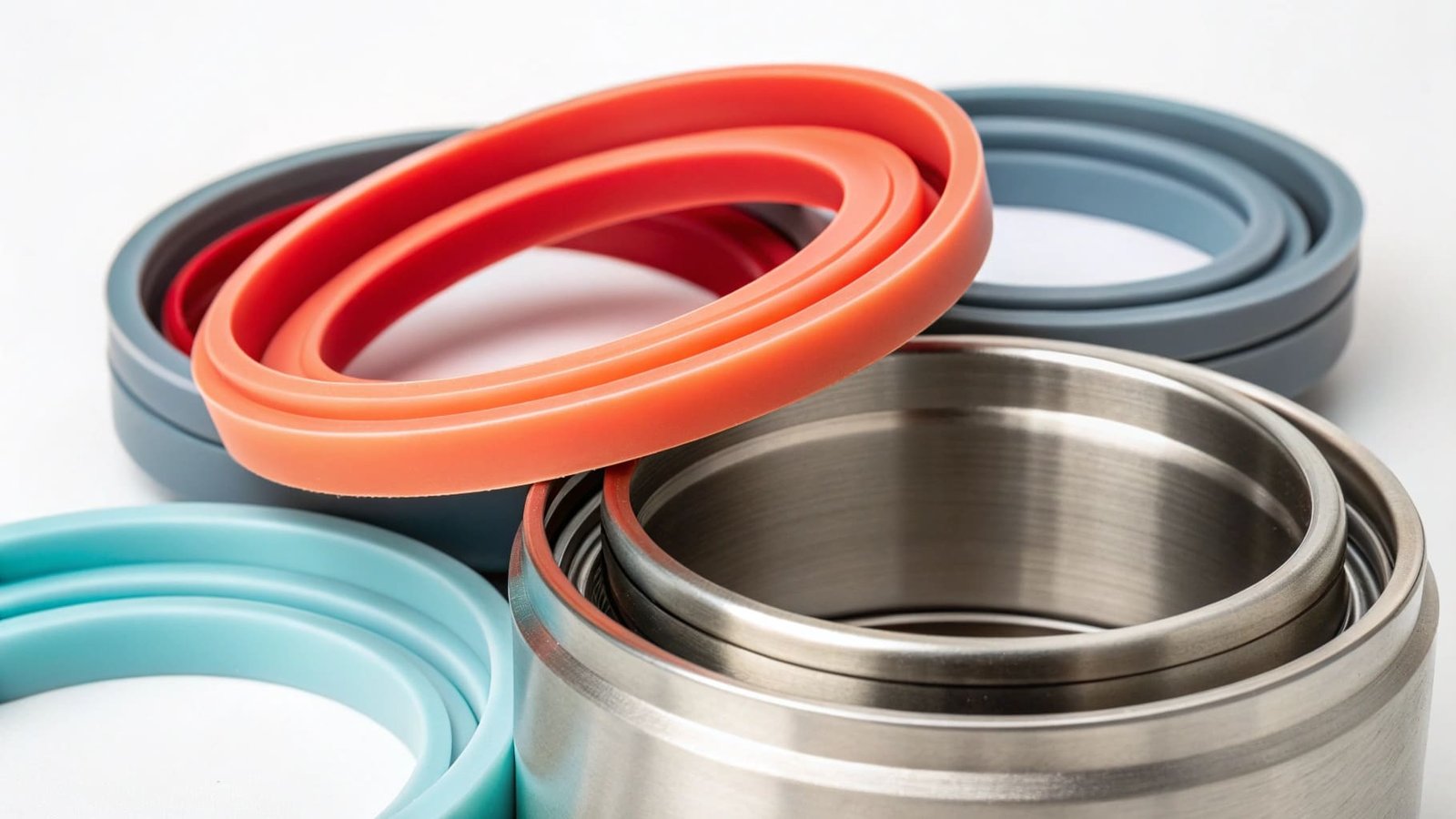
The box material handles the structural protection. The gasket handles the seal. These two parts must work together.
A NEMA 3R box, for example, protects against rain and sleet. A NEMA 4X box protects against corrosion and water jets. But neither box delivers on that promise if the gasket is wrong.
Here is how the NEMA and IP ratings map to real-world use cases:
| Rating | Protection Level | Typical Use Case |
|---|---|---|
| NEMA 3R | Rain, ice, sleet | Residential outdoor panels |
| NEMA 4 | Watertight, dustproof | Industrial outdoor equipment |
| NEMA 4X | Corrosion-resistant, watertight | Coastal or chemical environments |
| IP65 | Dust-tight, water jet resistant | Commercial outdoor installations |
| IP67 | Dust-tight, temporary submersion | Underground or flood-prone areas |
For B2B procurement teams, this matters because the gasket specification must match the box rating. If the box is rated IP65 but the gasket compresses unevenly or degrades in heat, the IP65 rating means nothing. The box fails in the field, and the buyer takes the blame.
I work with buyers across North America and Europe who source outdoor electrical components for large projects. The most common issue I see is a mismatch between the box rating and the gasket material. The buyer assumes the gasket is included and already correct. That assumption causes real problems. Verifying the gasket spec before placing a bulk order is one of the simplest ways to protect your supply chain.
What Material Is Used for Electrical Boxes?
Material selection feels straightforward until a shipment fails quality inspection at the destination port. Then every spec on the purchase order gets reviewed. Material is where most problems start.
Electrical boxes are made from metal or plastic. The most common metals are aluminum and stainless steel. The most common plastics are PVC and fiberglass-reinforced polyester.4 Each material has a different strength, weight, and corrosion resistance.
Why Silicone Is the Right Choice for Weatherproof Box Gaskets
The box material handles structure. The gasket material handles sealing. These are different engineering problems, and they require different materials.
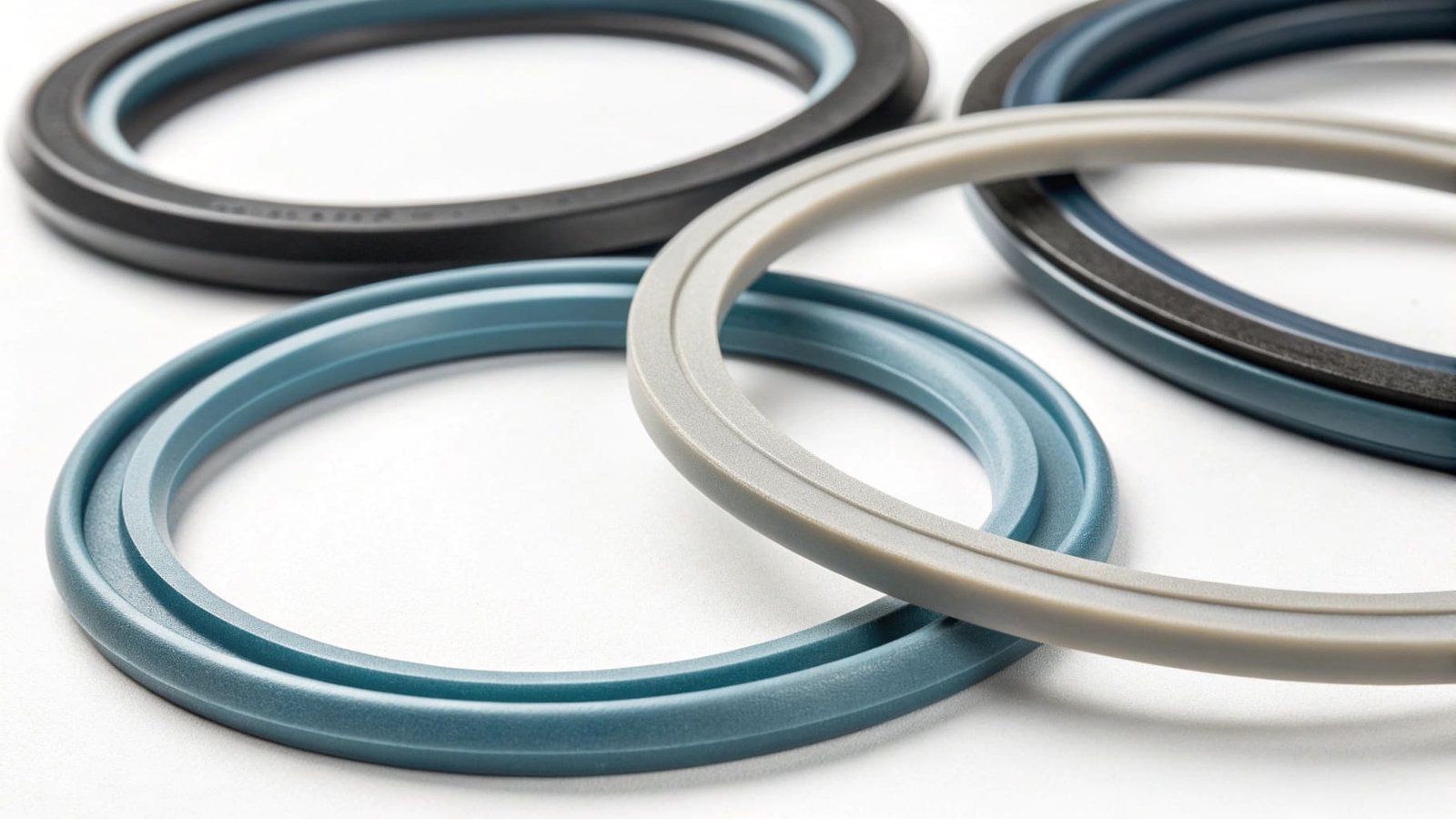
Silicone rubber has become the standard for weatherproof box gaskets in international supply chains. The reason is straightforward. Silicone works across a wider temperature range than any other common gasket material.5 It stays flexible in freezing conditions. It does not harden or crack in high heat. It holds its shape under long-term compression.
Here is a direct comparison of the most common gasket materials:
| Material | Temp Range | UV Resistance | Compression Set | Best Use Case |
|---|---|---|---|---|
| Silicone | -60°C to 230°C | Excellent | Low | All outdoor environments |
| EPDM | -40°C to 120°C | Good | Medium | Mild outdoor conditions |
| Neoprene | -30°C to 100°C | Fair | Medium-High | Indoor or sheltered use |
| PVC Foam | -20°C to 70°C | Poor | High | Low-cost, short-term use |
EPDM and neoprene cost less. For indoor or sheltered applications, they work fine. But for outdoor installations in places like desert climates, northern Canada winters, or coastal industrial sites, silicone is the only material that holds up across the full range of conditions.
At Silijoy, we produce silicone gaskets specifically for weatherproof enclosures. Our buyers come from procurement teams in the US and Europe who distribute to end users across different climate zones. They need one gasket that works everywhere. Silicone is how we deliver that.
One thing I tell every new buyer: do not let your supplier swap the gasket material without telling you. A cheaper gasket material in the same size looks identical in a product photo. It will fail faster in the field. Always confirm the material in writing before production.
What Are the Four Types of Electrical Boxes?
Sourcing the wrong gasket for the wrong box type leads to returns, complaints, and lost accounts. Most buyers learn this the hard way. Here is how to get it right before the order ships.
There are four main types of electrical boxes used in construction and industrial projects.6 Each type has a different shape, a different mounting method, and a different gasket requirement. Treating all four the same is where procurement errors start.
How Each Box Type Drives a Different Gasket Specification
The four box types are junction boxes, outlet and switch boxes, ceiling boxes, and weatherproof outdoor boxes. Each one creates a different sealing challenge.
Junction Boxes are large and rectangular. They house wire connections for multiple circuits. Their gaskets must compress evenly across a long perimeter. An uneven gasket on a junction box creates gaps at the corners where water enters first.
Outlet and Switch Boxes have cutouts for device mounting. The gasket must fit precisely around those cutouts. An oversized or undersized gasket leaves exposed edges where moisture gets under the cover plate.
Ceiling Boxes support fixtures from above. When the gasket is compressed in an inverted position, gravity pulls the cover away from the box face. The gasket must have enough compression force to maintain the seal without hardware over-tightening.
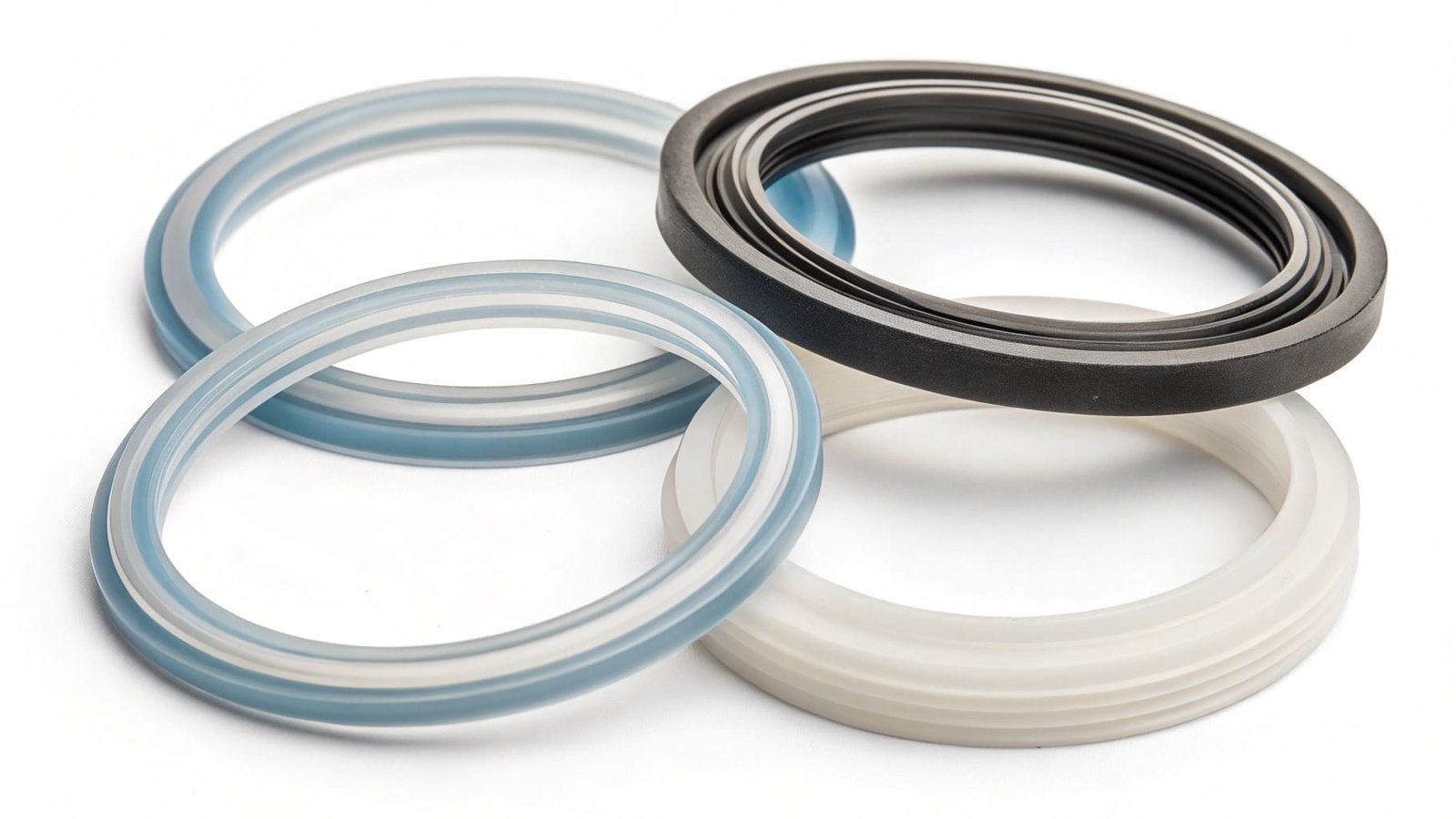
Weatherproof Outdoor Boxes carry the highest sealing requirements. They are installed in fully exposed locations. Their gaskets must meet IP65 or higher. These gaskets are usually thicker, with tighter dimensional tolerances, because any gap translates directly to a certification failure.
Here is a summary of gasket requirements by box type:
| Box Type | Key Gasket Challenge | Minimum Rating | Recommended Material |
|---|---|---|---|
| Junction Box | Even compression across long perimeter | IP54 | Silicone |
| Outlet / Switch Box | Precision cutouts for device openings | IP44 | Silicone or EPDM |
| Ceiling Box | Seal integrity in inverted position | IP44 | Silicone |
| Weatherproof Outdoor Box | Full environmental exposure | IP65 or above | Silicone |
For procurement teams, the key step is to confirm the box type before specifying the gasket. Then confirm the installation environment. Then confirm the material. A gasket that works perfectly for an indoor outlet box will not work for a coastal outdoor junction box. These are different products, even if they look similar in a catalog.
I always recommend that buyers send us the box dimensions and the installation environment before requesting a quote. That way, we can confirm the gasket profile, material, and compression thickness before production starts. It takes one extra email. It saves weeks of rework.
Conclusion
Weatherproof box gaskets protect electrical connections from moisture and failure. Matching the right material and spec to the right box type is how supply chain problems get prevented.
-
"Electrical Enclosure Gaskets, NEMA Enclosure Gaskets", https://www.stockwell.com/enclosure-gaskets/. A standards or enclosure-design source describes gaskets as sealing elements used at enclosure joints, including cover interfaces, to help maintain environmental protection. Evidence role: definition; source type: institution. Supports: A technical or standards source should support that enclosure gaskets seal the interface between a cover and an electrical box or enclosure.. Scope note: This supports the general function of gaskets, not the performance of any specific gasket design. ↩
-
"Enclosure Seal and Gasket Standards Made Easy", https://www.rogerscorp.com/blog/2025/enclosure-seal-and-gasket-standards-made-easy. Ingress-protection and enclosure-rating standards evaluate the assembled enclosure, so the integrity of cover seals and gaskets is part of the conditions under which the rating is maintained. Evidence role: mechanism; source type: institution. Supports: A standards or testing source should show that ingress-protection ratings apply to the assembled enclosure and depend on seals and closures.. Scope note: This supports the mechanism by which a bad gasket can compromise protection, but it does not prove that every high-rated enclosure will fail in field service. ↩
-
"NEMA enclosure types - Wikipedia", https://en.wikipedia.org/wiki/NEMA_enclosure_types. NEMA enclosure types and IEC IP codes classify enclosures according to specified degrees of protection against environmental hazards such as water, dust, and other external conditions. Evidence role: definition; source type: institution. Supports: A standards body or recognized technical source should define NEMA enclosure types and IEC IP codes as protection classifications for enclosures.. ↩
-
"Electrical Enclosure Material Selection Guide: Steel, Stainless ...", https://www.lianjer.com/electrical-enclosure-material-selection-guide/. Electrical-construction and enclosure-design references commonly identify metal enclosures, including aluminum and stainless steel, and nonmetallic enclosures, including PVC and fiberglass-reinforced plastics, as standard material categories. Evidence role: general_support; source type: education. Supports: A neutral engineering or electrical-construction source should support the listed categories of metal and nonmetallic enclosure materials.. Scope note: This supports the materials as common categories, not their relative market share in every region or application. ↩
-
"EPDM vs Silicone Rubber | The Difference", https://silicone.co.uk/news/silicone-rubber-vs-epdm/. Polymer-engineering literature describes silicone elastomers as having a broad service-temperature range relative to many conventional organic rubbers, supporting their use where both low- and high-temperature performance are required. Evidence role: general_support; source type: paper. Supports: A polymer-science or engineering source should support that silicone elastomers generally retain useful properties over a broad temperature range compared with many organic rubbers.. Scope note: The comparison is formulation-dependent and does not establish that every silicone gasket outperforms every alternative elastomer. ↩
-
"5 Types of Electrical Boxes - The Home Depot", https://www.homedepot.com/c/ab/types-of-electrical-boxes/9ba683603be9fa5395fab904b6306a7. Electrical-construction references commonly distinguish junction boxes, device boxes for outlets and switches, ceiling boxes for fixtures, and weatherproof boxes for exposed locations as practical categories of electrical boxes. Evidence role: definition; source type: education. Supports: An electrical-construction educational source should support that these box categories are commonly recognized in building wiring practice.. Scope note: This supports the classification as a common teaching and trade framework, not as an exhaustive or universally standardized taxonomy. ↩