Why Do OEM Buyers Choose Wholesale Neoprene Cup Sleeve Over Other Materials?
You ordered 10,000 cup sleeves. Within six months, customers call them cheap. The wrong material choice just cost you a reorder, a client, and your reputation.
OEM buyers choose wholesale neoprene cup sleeves because neoprene balances thermal insulation, durability, and production cost better than any alternative. It resists permanent compression, accepts custom branding, and meets FDA and LFGB safety standards. This makes it the default choice for corporate promotional programs and retail drinkware lines.
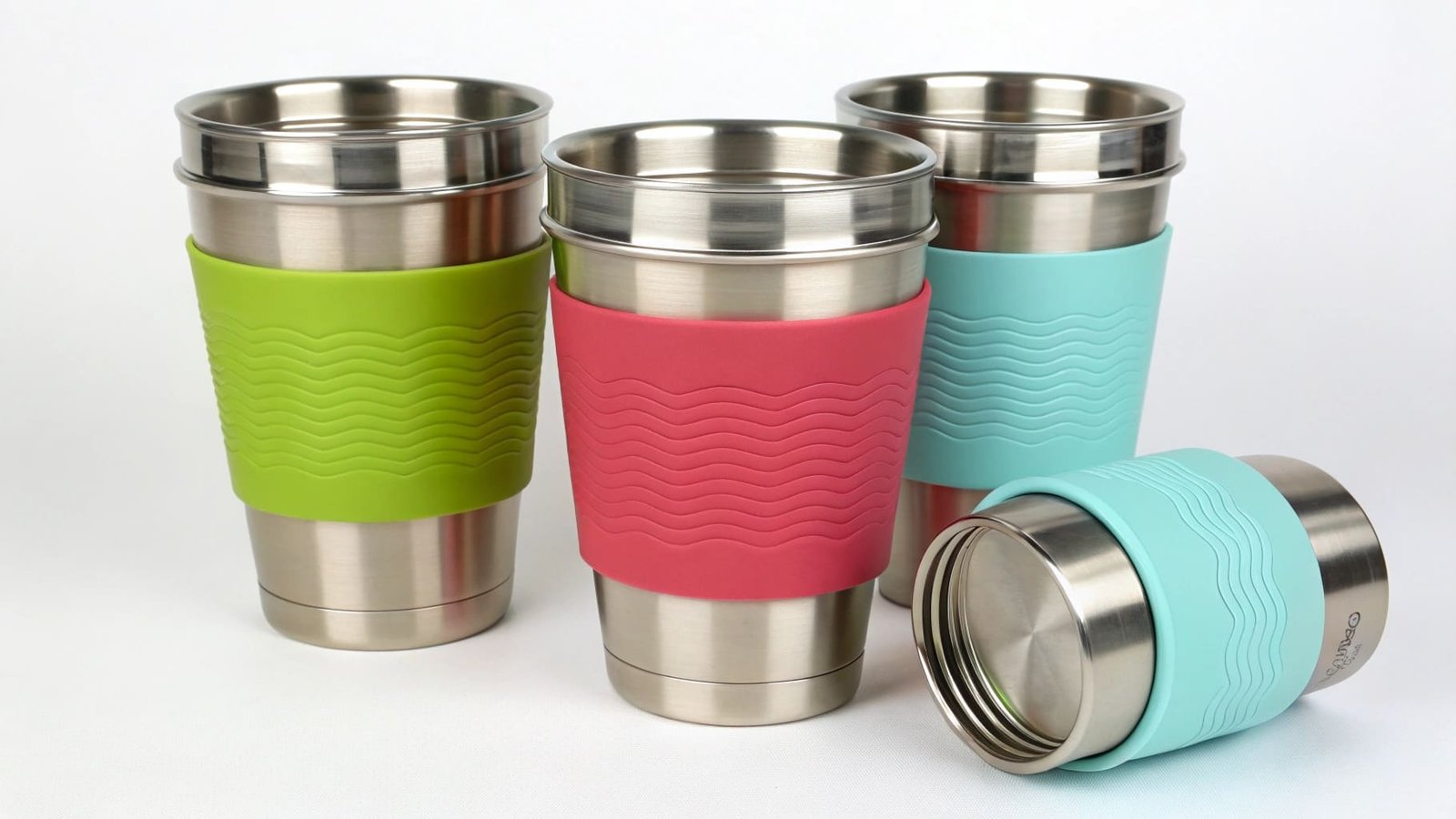
I have worked with many B2B buyers sourcing drinkware accessories. The question I hear most often is not "which material looks best" — it is "which material will not create problems after delivery." Neoprene keeps coming back as the answer, and the reasons go deeper than most buyers realize. Let me walk you through exactly what makes this material worth the attention.
What Is the Purpose of a Neoprene Sleeve?
A cup sleeve that only protects your hand from heat is doing the minimum. OEM buyers need sleeves that also protect their brand investment every single day.
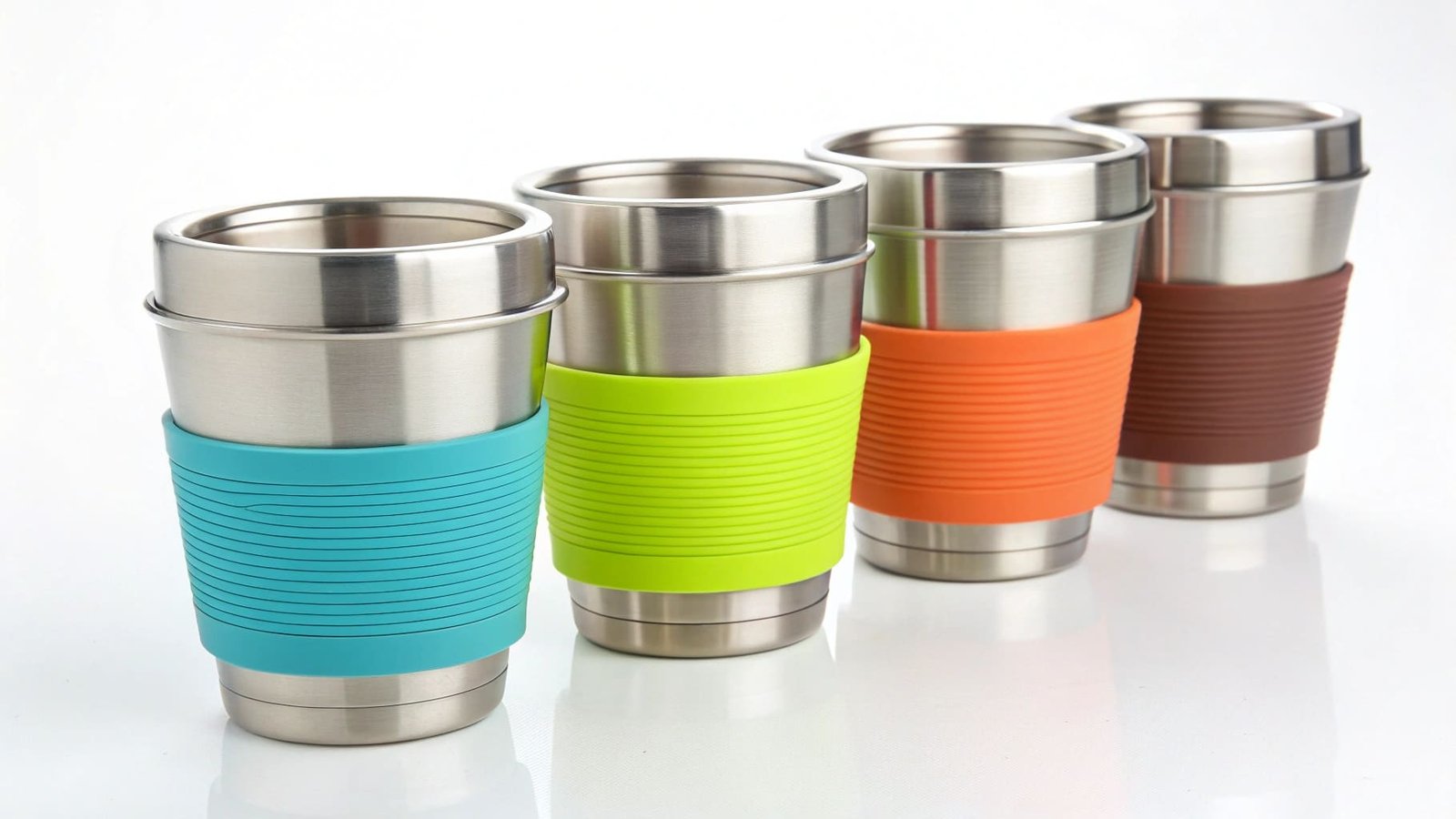
A neoprene sleeve protects hands from hot and cold surfaces, prevents condensation from dripping, and improves grip on smooth tumbler bodies. For OEM buyers, it also acts as a brand display surface. Neoprene holds printed logos and full-color designs without fading or cracking under daily commercial use.1
More Than Just Insulation
Most buyers think of cup sleeves as a simple add-on. In a B2B context, that thinking leads to missed opportunities and product returns. A neoprene sleeve does several jobs at once, and understanding each one helps you spec the right product from the start.
I once worked with a buyer sourcing sleeves for a chain of corporate cafes. They chose a foam alternative to save $0.08 per unit. After four months of daily use, the sleeves had flattened and the printed logos were peeling. The replacement order cost three times the original savings.
Neoprene avoids this outcome because of its closed-cell structure. Air pockets inside the material do not collapse under pressure the way open-cell foam does. This is why the sleeve holds its shape and its grip after thousands of uses.
Here is a breakdown of the functional roles a neoprene sleeve fills in a commercial setting:
| Function | How Neoprene Delivers | Why It Matters for OEM Buyers |
|---|---|---|
| Thermal insulation | Closed-cell structure traps air | Keeps beverages at target temperature longer |
| Condensation control | Resists moisture absorption | Prevents drips on desks and meeting tables |
| Grip stability | Textured surface adds friction | Reduces drop risk and lowers product liability exposure |
| Brand display | Accepts sublimation and screen print | Logos stay sharp through daily wash cycles |
| Structural durability | Resists permanent compression | Extends product lifespan to 18–24 months under daily use |
Each of these functions adds value that a buyer can communicate directly to their end customer or retail partner. That is the business case for neoprene beyond the material spec sheet.
What Is the Most Non-Toxic Tumbler?
Your customer asks if the tumbler is safe. You are not sure. That gap in your product knowledge is a liability waiting to become a problem.
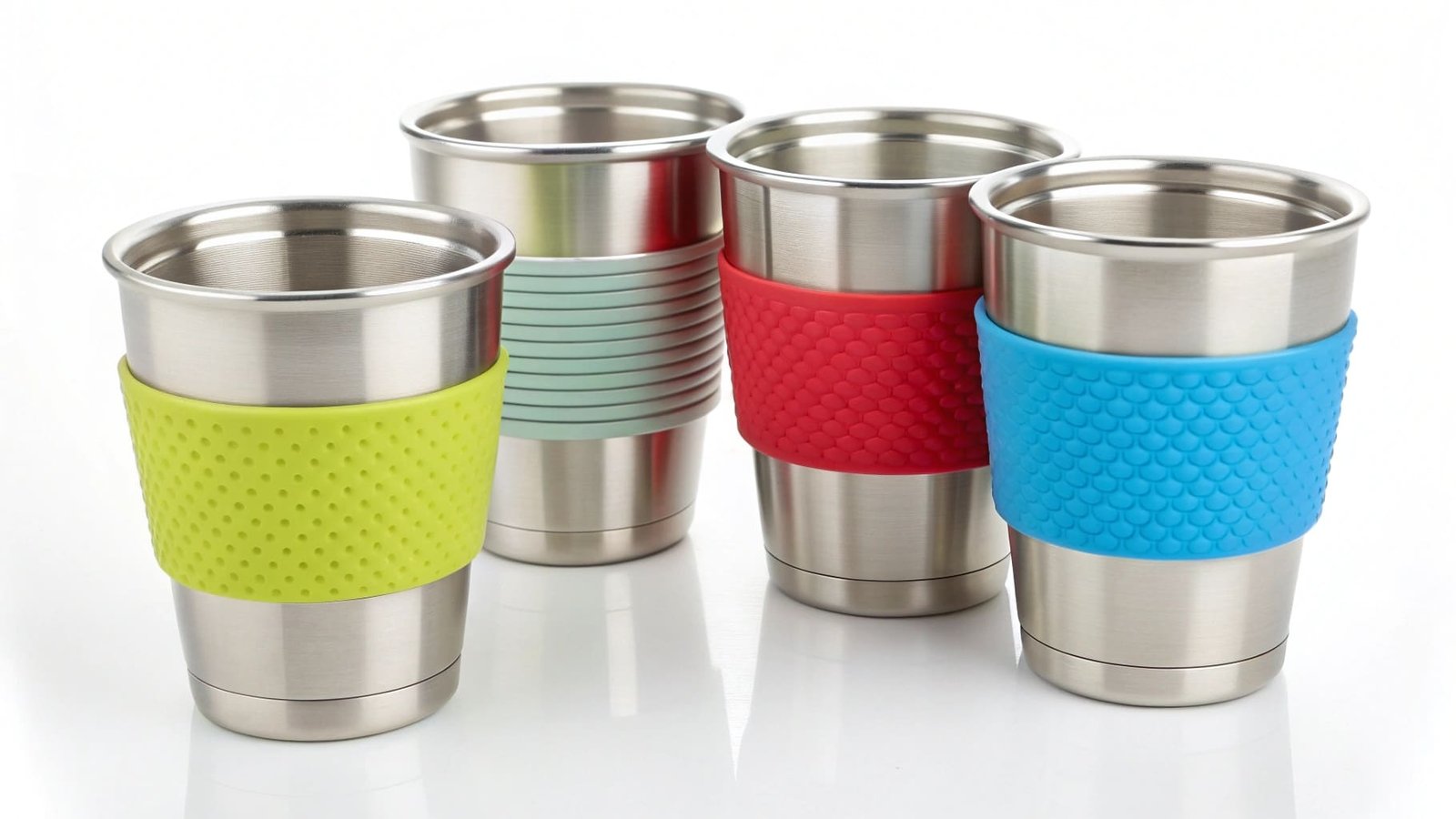
The most non-toxic tumbler combines a food-grade stainless steel body with accessories made from BPA-free, phthalate-free materials such as silicone or neoprene2. Look for FDA or LFGB certification on all components. Avoid drinkware with PVC parts or unverified coatings, especially for products sold in North American and European markets.
How to Evaluate Safety Across Every Component
Tumbler safety is not a single question. It is a series of questions, each pointing at a different component. A stainless steel body can be food-grade while the lid gasket contains plasticizers that do not meet current standards. This is why component-level verification matters more than a single product certificate.
I always tell buyers: request a full component list from your supplier before you ask for any certificate. Once you have the list, match each component to the relevant standard.
Here is the framework I use when reviewing a tumbler for safety compliance:
| Component | Material to Specify | Certification to Request |
|---|---|---|
| Tumbler body | 304 or 316 food-grade stainless steel | FDA, LFGB |
| Lid | BPA-free PP or Tritan | FDA, LFGB |
| Lid gasket or seal ring | Food-grade silicone | FDA, LFGB |
| Cup sleeve | Neoprene or silicone, no PVC | California Prop 65, REACH |
| Straw | Food-grade silicone or stainless steel | FDA, LFGB |
| Printing or coating | Water-based ink, no heavy metals | California Prop 65 |
The markets that apply the strictest scrutiny to these standards are the United States, Germany, and the United Kingdom.3 If your product can pass the requirements for these three markets, it will pass almost everywhere else you sell.
One more thing worth noting: neoprene sleeves themselves are not a toxicity risk when manufactured to the correct standard. The safety concern with neoprene comes from low-grade production that uses PVC-based substitutes sold under the neoprene name. Always request a material composition report, not just a finished product certificate. A trustworthy supplier will provide this without hesitation.
How to Tell If a Mug Has Lead?
You source a ceramic mug with a printed logo. Three months later, a customer sends you a lab report. The glaze contains lead. Your brand is now attached to a health hazard.
The most reliable way to detect lead in a mug is XRF testing4, which stands for X-ray fluorescence analysis. This is a non-destructive test that scans the surface of ceramic glazes and printed decorations for heavy metals including lead and cadmium. Results are available within minutes and do not require the mug to be destroyed.
A Practical Guide to Lead Risk in Drinkware
Lead contamination in mugs does not come from the ceramic body itself in most cases. It comes from the glaze applied to the surface and from decorative transfers or printed designs fired onto the mug at lower temperatures. This distinction matters because it tells you where to focus your inspection effort.
I have seen buyers request material safety data sheets for the ceramic clay and feel reassured, when the actual risk was sitting in the colored decoration on the outside of the mug. The clay report told them nothing about the glaze or the print.
Here is where lead risk concentrates in a typical ceramic mug and what you can do about each point:
| Risk Area | Why It Matters | What to Do |
|---|---|---|
| Interior glaze | Direct contact with beverages | Request XRF test results for the interior surface |
| Exterior decorative print | Can chip and migrate to hands or mouth | Confirm ink is fired above 800°C or is lead-free cold transfer |
| Rim area glaze | Highest contact zone during drinking | Specify a clear, undecorated rim band of at least 20mm |
| Colored underglazes | Some pigments historically used lead compounds | Request a third-party SGS or Intertek report covering heavy metals |
| Promotional decals added after firing | Low-temperature application increases migration risk | Avoid post-fire decals for any food-contact drinkware |
For buyers sourcing ceramic mugs alongside neoprene sleeves in a bundled product package, this table gives you a clear checklist to send directly to your supplier. Asking for XRF test results and a California Prop 65 compliance declaration before placing a deposit is standard practice in responsible procurement. Any supplier who pushes back on this request is a supplier worth reconsidering.
It is also worth noting that neoprene sleeves are fully separate from the lead risk question. Lead contamination applies to glazed ceramic and some enameled metal surfaces. A properly manufactured neoprene sleeve contains no ceramic compounds, no heavy-metal pigments, and no glaze layers. The safety review for a neoprene sleeve focuses on polymer composition and printing ink compliance, not heavy metal content.
Conclusion
Neoprene wins in OEM drinkware because it balances insulation, durability, branding, and safety compliance better than any competing material at a comparable price point.
-
"Optimizing Sublimation Transfer Printing - Clemson OPEN", https://open.clemson.edu/all_theses/4414/. Textile-printing research and colorfastness standards support that print durability on synthetic laminated fabrics depends on ink selection, curing, and wash or abrasion resistance testing, providing context for claims about neoprene logo durability. Evidence role: general_support; source type: paper. Supports: A textile or polymer printing source should support that suitable printing methods can produce durable graphics on neoprene or neoprene-laminated textiles.. Scope note: The source would not prove durability for a specific supplier's sleeve without product-specific colorfastness or abrasion results. ↩
-
"An insight into bisphenol A, food exposure and its adverse effects on ...", https://pmc.ncbi.nlm.nih.gov/articles/PMC9671506/. Regulatory and public-health assessments identify bisphenol A and several phthalates as chemicals requiring exposure limits or restrictions in consumer products and food-contact contexts, supporting the use of verified BPA-free and phthalate-free components. Evidence role: expert_consensus; source type: government. Supports: Public health or regulatory sources should support that BPA and certain phthalates are chemicals of concern in consumer and food-contact materials.. Scope note: This supports chemical-risk screening generally; it does not establish that all silicone or neoprene formulations are automatically compliant. ↩
-
"Food Packaging & Other Substances that Come in Contact with Food", https://www.fda.gov/food/food-ingredients-packaging/food-packaging-other-substances-come-contact-food-information-consumers. Comparative regulatory sources describe the United States, Germany, and the United Kingdom as jurisdictions with formal food-contact material rules, testing expectations, and enforcement mechanisms relevant to drinkware imports. Evidence role: historical_context; source type: institution. Supports: An institutional or regulatory-comparison source should describe the food-contact compliance frameworks in the United States, Germany, and the United Kingdom.. Scope note: Such sources can show that these markets are highly regulated, but a definitive ranking as the 'strictest' would require a formal comparative analysis. ↩
-
"Lead in Paint", https://www.cpsc.gov/FAQ/Lead-in-Paint. Government testing guidance recognizes X-ray fluorescence as a rapid, non-destructive analytical method for detecting lead in surfaces and consumer products, supporting its use as a screening tool for ceramic mugs. Evidence role: mechanism; source type: government. Supports: A government or standards source should support that XRF is a non-destructive method used to identify lead in surfaces or consumer products.. Scope note: XRF identifies elemental presence at or near the surface; it does not by itself measure lead migration into food or drink. ↩