How to Customize Neoprene Tumbler Sleeves for B2B Branding Requirements?
You placed a bulk order. The sleeves arrived looking nothing like your mockup. The colors are off, the logo is crooked, and your launch deadline is tomorrow.
Customizing neoprene tumbler sleeves for B2B branding requires clear steps: understand how sleeves are made, choose the right printing method, and pick a design that fits your brand goals and end-user needs. Getting these three things right protects your order and your reputation.
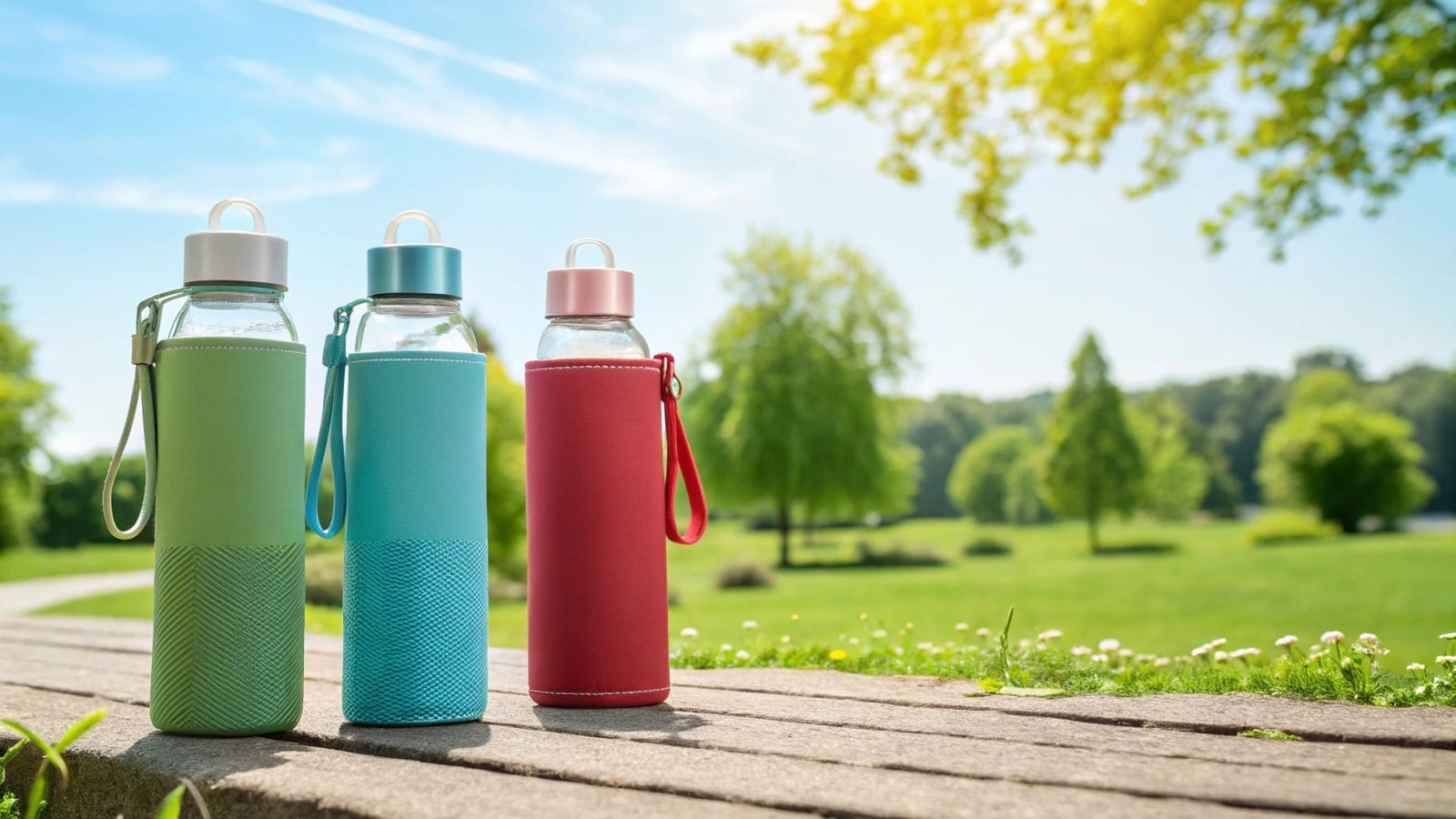
Most B2B buyers I talk to come in focused on price. They skip the process questions entirely. That is where problems start. When you understand what goes into making a neoprene sleeve, how printing works on the material, and what design choices actually hold up in real use, you stop guessing. You start buying with confidence. Let me walk you through each part.
How Are Cup Sleeves Made?
You assumed the sleeve would fit perfectly. It didn't. The edges frayed after three washes, and the logo placement was off by half an inch.
Neoprene tumbler sleeves go through four main production stages: raw sheet sourcing, cutting, edge finishing, and customization. Understanding this process helps you ask better questions before you commit to a supplier.
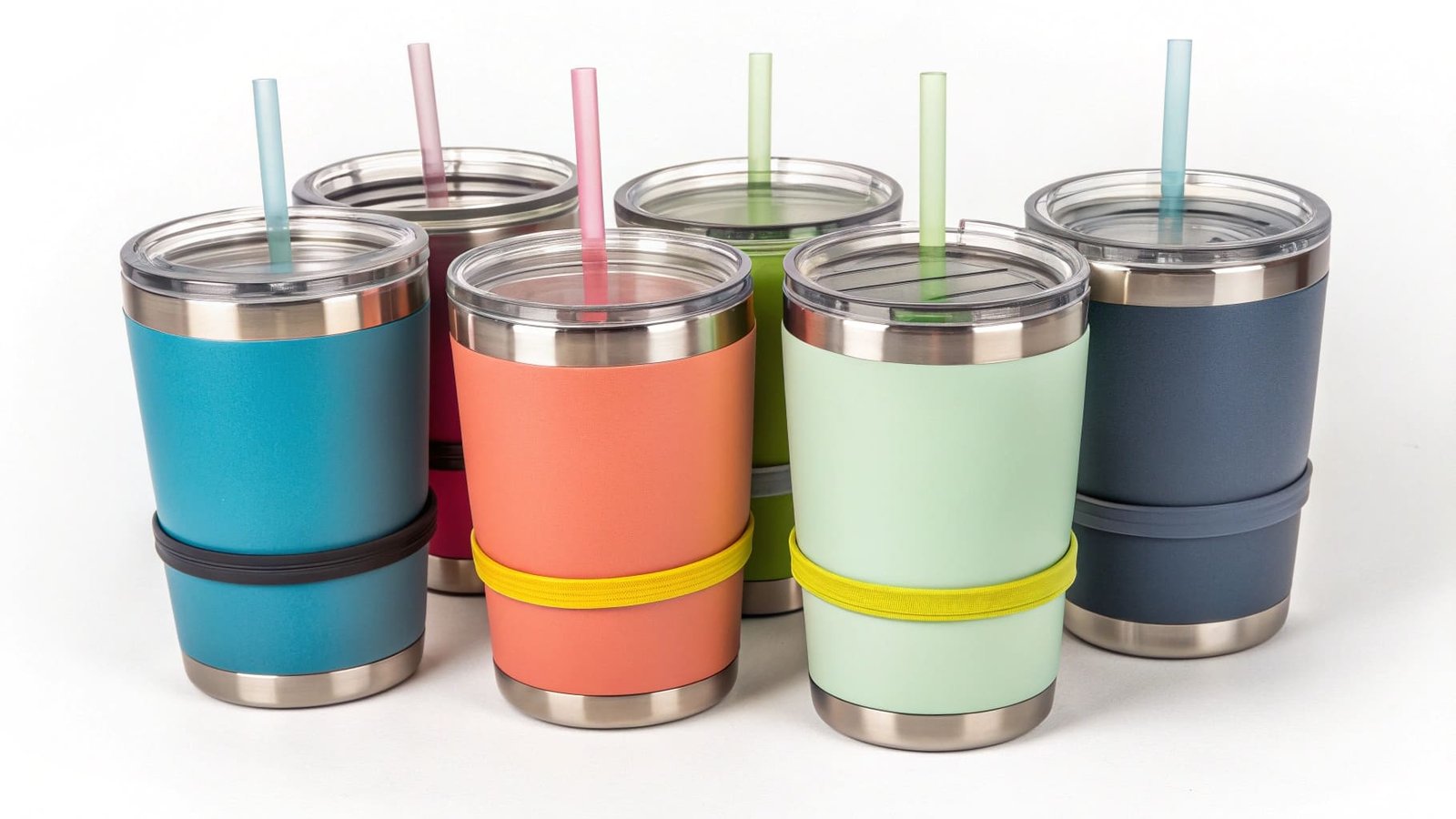
The process starts with raw neoprene sheets. These sheets come in different thicknesses, usually between 2mm and 5mm. The thicker the sheet, the better the insulation. Your choice here depends on what your end users need.
Next, the sheets are cut into patterns that wrap around a specific tumbler size. Suppliers use two main cutting methods: die-cutting and laser-cutting.1 Die-cutting works well for high-volume standard shapes. Laser-cutting is more precise and better for complex or custom shapes.2
After cutting, the edges are finished. Most quality sleeves use overlocking or fabric tape binding along the edges. This step matters more than most buyers realize. Poor edge finishing leads to fraying, and fraying leads to customer returns.
The last stage is customization. This is where your logo and design go onto the sleeve. The three most common methods are screen printing, heat transfer, and sublimation printing. Each one suits different design types and order sizes, which I will cover in the next section.
Here is a simple breakdown of how each production stage affects your order:
| Production Stage | What Happens | Why It Matters to You |
|---|---|---|
| Raw Material Sourcing | Neoprene sheets selected by thickness | Affects insulation performance |
| Cutting | Die-cut or laser-cut into sleeve patterns | Affects fit accuracy |
| Edge Finishing | Overlock stitching or tape binding applied | Affects durability and wash life |
| Customization | Logo or design printed or pressed onto surface | Affects brand consistency |
For B2B orders, suppliers often create custom dies for unique tumbler sizes. This requires a minimum order quantity, but it gives you a perfect fit for your specific product line. Lead times after design approval are usually between 15 and 30 days. Rush orders are possible, but they cost more. Always ask for a pre-production sample before the full run starts. This lets you check dimensions, material quality, and print accuracy before thousands of units are made.
Can You Heat Press onto Neoprene?
You sent your design file to the supplier. They came back with a print that cracked after two weeks of use. Now you are dealing with refund requests and a damaged brand image.
Yes, you can heat press onto neoprene. The material handles temperatures between 300°F and 350°F for 10 to 15 seconds.3 But the method only works well when the supplier uses the right pressure settings and the right neoprene type.
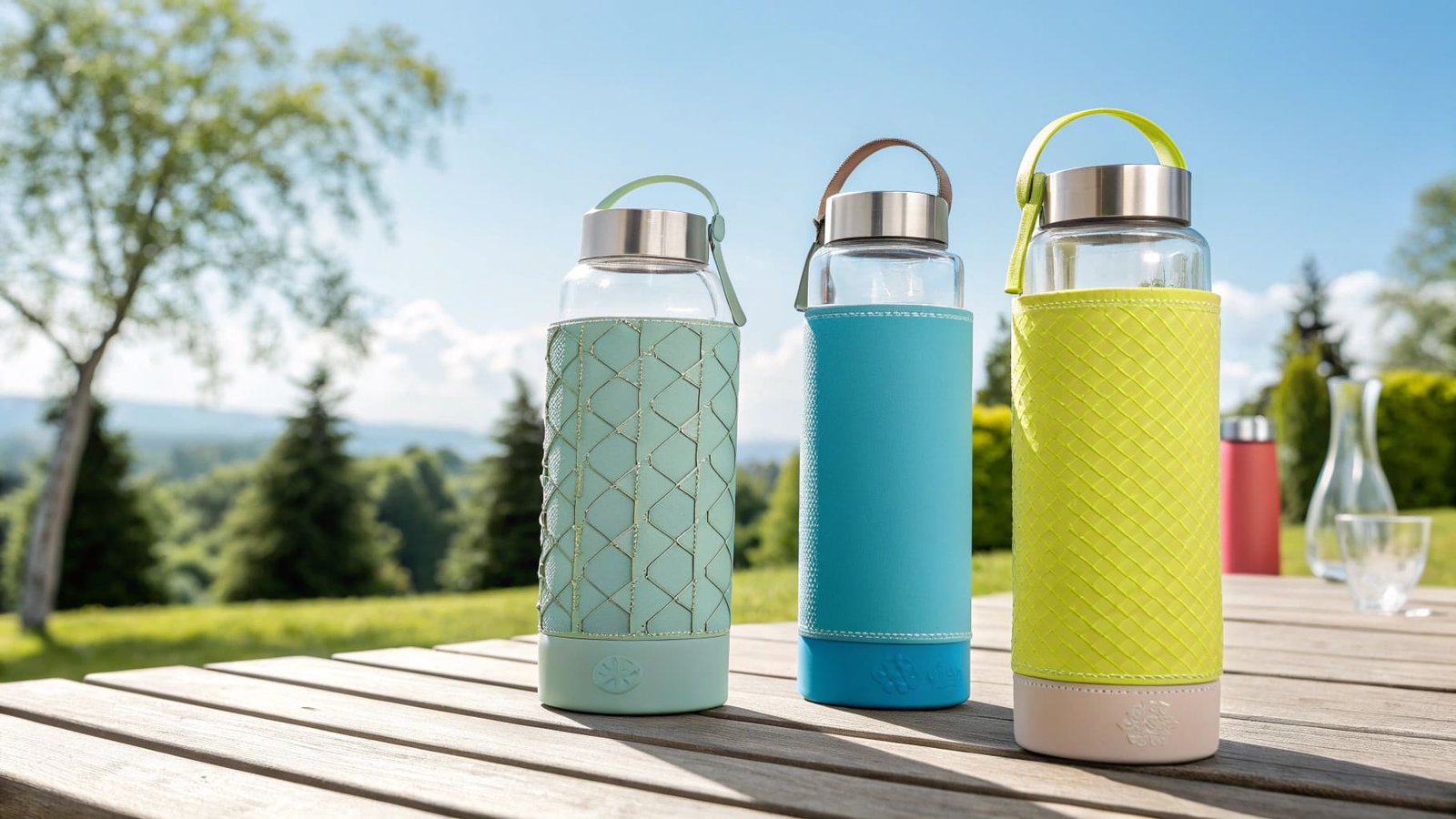
Heat pressing on neoprene is not as simple as heat pressing on a flat cotton surface. The foam structure inside neoprene compresses under high pressure. If a supplier uses too much pressure, the insulation layer gets damaged. The sleeve still looks fine, but it no longer performs the way it should.
There are three main printing methods used on neoprene sleeves. Each one works better under specific conditions:
| Method | Best For | Surface Requirement | Durability |
|---|---|---|---|
| Heat Transfer Vinyl | Simple logos, bold single colors | Any color base | Good |
| Sublimation Printing | Full-color or photo-quality designs | White or light-colored neoprene only | Excellent |
| Screen Printing | Dark backgrounds, large order runs | Any color base | Very Good |
Sublimation printing gives the most vibrant results. The colors become part of the material itself, so they do not crack or peel over time. But sublimation only works on polyester-coated neoprene with a white or light base.4 If your brand uses dark colors like black or navy, sublimation is not the right choice. Screen printing or heat transfer vinyl will work better.
When I evaluate a new supplier, I always ask two questions about their heat pressing setup. First, do they use industrial heat presses with even pressure distribution across the full surface? Uneven pressure causes inconsistent prints across a large batch. Second, can they provide wash test results showing how the print holds up after 25 to 50 wash cycles5? For retail products that consumers clean regularly, this test result is not optional. It is a basic quality checkpoint.
Some brands also ask about embroidery or laser engraving. Both methods give a premium feel and last longer than any printing method. The trade-off is cost. Per-unit prices for embroidery and laser engraving are higher than printing, so these methods make more sense for high-end product lines or corporate gift orders where the buyer expects to pay more.
How to Choose a Sleeve Design?
You approved a design that looked great on your laptop screen. When the physical samples arrived, the colors looked dull and the logo disappeared against the background.
Design selection for neoprene tumbler sleeves comes down to three things: your target market, the material color you choose, and the shape and coverage of the sleeve. Getting these right means your product looks as good in real life as it does in your brief.
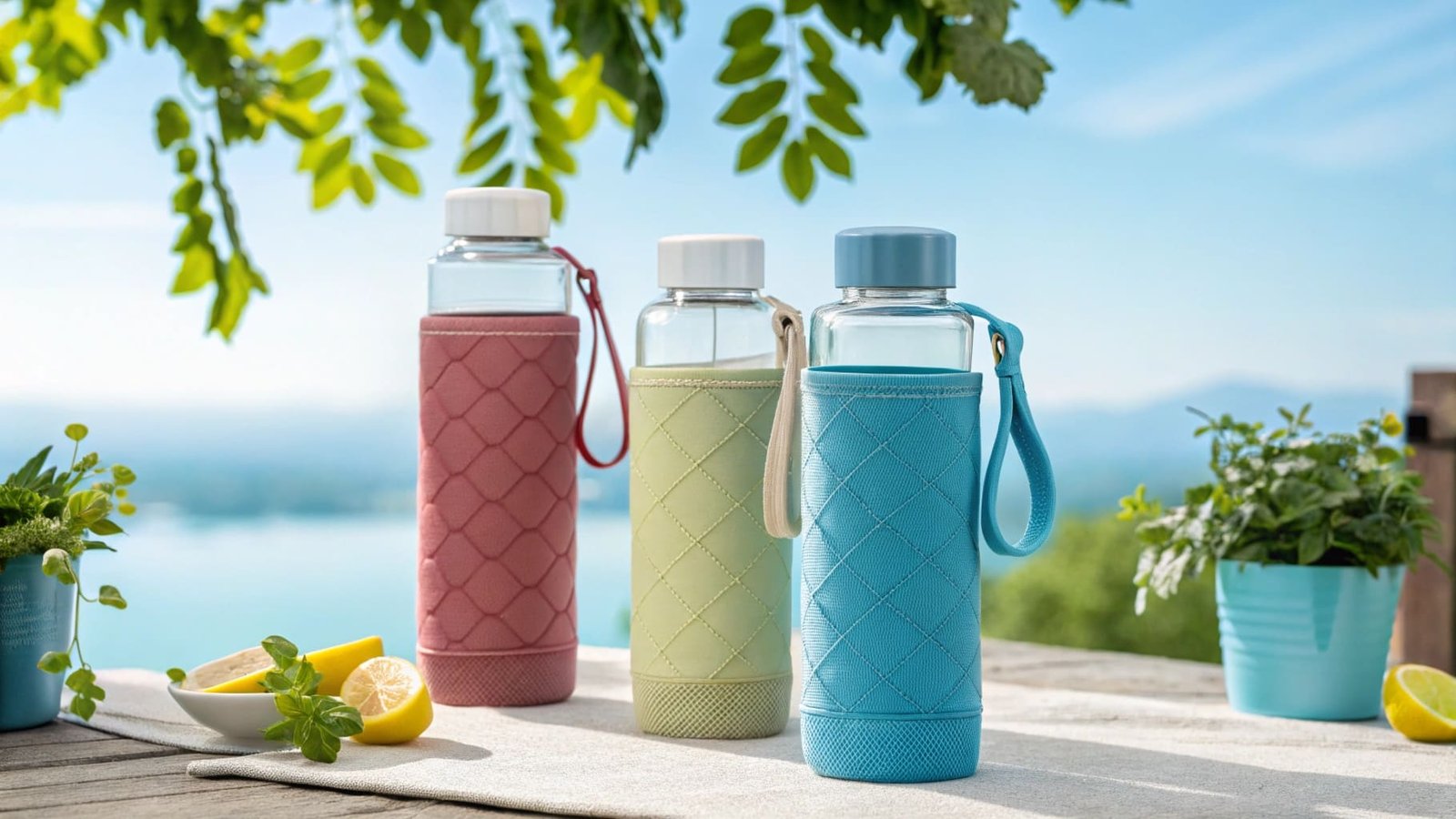
Start with your target market. Different buyers respond to different design approaches. Corporate gift buyers and procurement officers tend to prefer simple, clean designs with a bold logo and minimal text. The logo needs to stay visible when someone holds the cup in their hand. Retail buyers, on the other hand, respond better to lifestyle patterns, seasonal themes, or bold color combinations that stand out on a shelf and drive impulse purchases.
Material color is a decision that affects both function and shelf life of the product. Here is how the main color options compare:
| Color Category | Stain Visibility | Shelf Presence | Wear Over Time |
|---|---|---|---|
| Dark colors (black, navy) | Low — hides stains well | Moderate | Ages better |
| Bright colors (red, yellow) | High — stains visible | High | Shows wear faster |
| Patterns or prints | Variable | Very high | Depends on print method |
Coverage area is another factor that affects both cost and branding space. Full-wrap sleeves cover the entire tumbler body. They give you the most surface area for your design, but they use more material and cost more to produce. Partial sleeves, such as bottom-only or handle-only designs, use less material and cost less, but they give you a smaller area to work with.
Adding practical features to your sleeve design increases the perceived value of the product.6 Features worth considering include built-in coaster bottoms, reinforced stitching at stress points, and elastic straps that make the sleeve easy to remove. These small details make the product more useful for the end consumer and give your brand a reason to charge a higher price point.
For orders over 1,000 units, think about custom packaging as part of the design process. A window box or hang tab that shows the sleeve design clearly can make a real difference in retail sell-through rates.
Always test your design on the actual tumbler before approving production. What looks balanced on a flat mockup often shifts when the sleeve wraps around a curved surface. Neoprene colors can also vary slightly between batches, so request physical samples in your chosen colors before committing to a full production run.
Conclusion
Know how sleeves are made. Choose the right print method. Pick a design that fits your market. These three steps protect every bulk order you place.
-
"Neoprene Die Cutting & Laser Cutting | Custom Rubber Parts", https://www.americanmicroinc.com/electrical-insulator-materials/neoprene/. Manufacturing references describe die cutting and laser cutting as established processes for shaping flexible sheet materials, supporting their relevance to neoprene sleeve production. Evidence role: general_support; source type: education. Supports: A manufacturing or materials-processing source should show that die cutting and laser cutting are established methods for cutting flexible rubber, foam, or textile-laminated materials.. Scope note: This would support the general manufacturing context rather than prove that these are the only or universally dominant methods in the tumbler-sleeve industry. ↩
-
"Digital Fabrication Lab", https://woodbury.edu/digital-fabrication-lab-la/. Manufacturing-process literature notes that laser cutting can produce computer-controlled contours and detailed geometries without dedicated tooling, supporting its use for precise custom shapes. Evidence role: mechanism; source type: education. Supports: A manufacturing-process source should explain that computer-controlled laser cutting can produce detailed geometries without a physical die.. Scope note: This supports the general capability of laser cutting, while actual accuracy depends on machine settings, material thickness, and operator control. ↩
-
"What heat press settings for vinyl on neoprene? - Facebook", https://www.facebook.com/groups/cricutfamilysouthafrica/posts/1153652742302742/. Heat-transfer technical guidance for neoprene or neoprene-laminated substrates gives application temperatures and dwell times in the approximate range discussed here, supporting the feasibility of heat pressing under controlled conditions. Evidence role: general_support; source type: other. Supports: A technical heat-transfer or material-processing source should show recommended heat-press ranges for neoprene or neoprene-laminated blanks.. Scope note: This support is application-specific; safe settings vary by neoprene formulation, surface fabric, transfer film, press pressure, and equipment calibration. ↩
-
"Dye Sublimation | Media Commons", https://mediacommons.psu.edu/project/dye-sublimation/. Textile-printing guidance explains that dye sublimation depends on polyester-compatible substrates and that the transparent dye image is most visible on white or light-colored bases, supporting the stated limitation for neoprene sleeves. Evidence role: mechanism; source type: education. Supports: A textile-printing source should explain that sublimation dyes bond to polyester and are transparent enough that dark substrates reduce color visibility.. Scope note: This is contextual support; specialty coatings or hybrid processes may expand options beyond standard sublimation. ↩
-
"[PDF] Durability of Water-Repellent Finishes to Accelerated Laundering", https://digitalcommons.uri.edu/cgi/viewcontent.cgi?article=1788&context=theses. Textile-testing standards such as ISO 6330 and AATCC laundering methods provide controlled procedures for repeated washing, supporting the use of wash-cycle testing to evaluate print durability. Evidence role: expert_consensus; source type: institution. Supports: A textile-testing standard should establish that repeated laundering procedures are used to assess changes in textile materials and printed finishes.. Scope note: These standards support the testing approach but may not prescribe a universal 25-to-50-cycle threshold for neoprene tumbler sleeves. ↩
-
"Research on the mechanism of perceived value of cultural ... - PMC", https://pmc.ncbi.nlm.nih.gov/articles/PMC12965538/. Consumer-behavior research links functional product attributes with perceived value, supporting the claim that practical sleeve features can raise perceived usefulness and value. Evidence role: general_support; source type: paper. Supports: A consumer-behavior or product-design study should show that functional attributes contribute to perceived value.. Scope note: This supports the general relationship between function and perceived value, not the value impact of any specific tumbler-sleeve feature. ↩