Why Do Silicone Cup Sleeves Have Lower Return Rates Than Neoprene Alternatives?
I have noticed something interesting over the years. Silicone cup sleeves come back far less often than neoprene ones. This difference costs businesses real money.
Silicone cup sleeves1 have lower return rates because they resist odors, clean easily, and last longer. They do not absorb liquids or split at seams like neoprene products do.
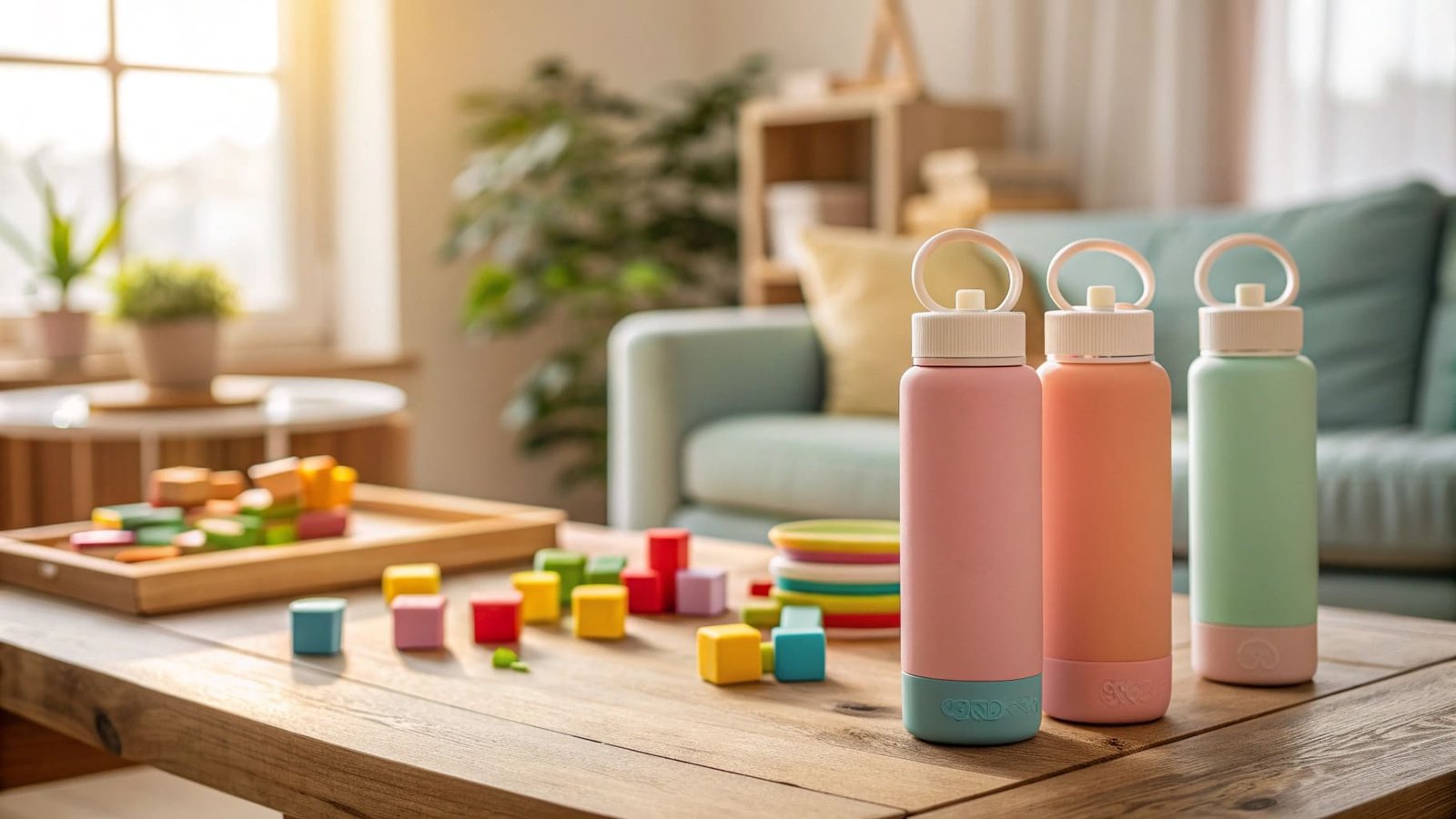
I remember when a client called me worried about their return rates. They had switched to neoprene sleeves to save costs. Three months later, they faced a flood of customer complaints. Let me share what I have learned from years of working with both materials.
Which Is Better, Silicone or Neoprene?
Most buyers struggle with this choice. The price difference seems huge. But returns tell a different story that many overlook.
Silicone performs better than neoprene for cup sleeves. It stays odor-free, resists stains, and handles temperature changes without breaking down. Neoprene costs less upfront but creates more problems later.
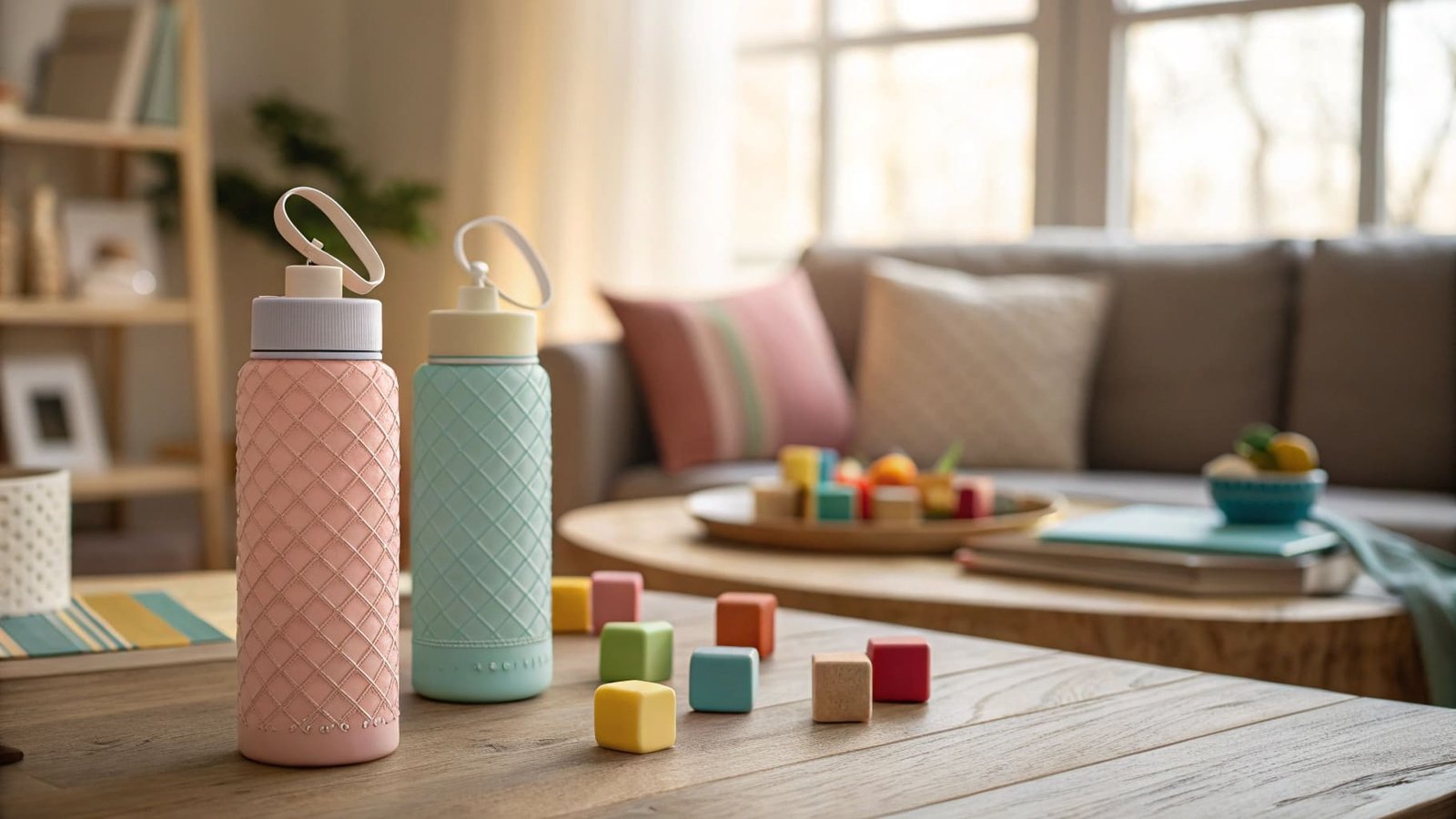
I have seen both materials in action for over a decade. Silicone wins on several key points. First, it does not smell. Neoprene gives off a rubber odor that customers hate. This smell gets worse when the sleeve gets hot. Second, silicone feels better. It has a smooth texture that people prefer. Neoprene feels rough and sometimes sticky.
Temperature matters more than most people think. I tested both materials with hot coffee and iced drinks. Silicone kept its shape perfectly. Neoprene started to warp after repeated use. The fabric backing on neoprene also caused issues. It trapped moisture between layers. This led to mold growth in humid climates.
Here is what I found in real testing:
| Feature | Silicone | Neoprene |
|---|---|---|
| Odor Level | None | Strong chemical smell |
| Temperature Range | -40°F to 450°F | 32°F to 200°F |
| Moisture Absorption | Zero | High |
| Cleaning Method | Dishwasher safe | Hand wash only |
| Lifespan | 3-5 years | 6-12 months |
The numbers do not lie. Silicone lasts three to five times longer. This means fewer replacements and happier customers. I tell all my clients the same thing. Look beyond the initial price. Calculate the total cost over time.
What Are the Disadvantages of Neoprene?
Many buyers choose neoprene thinking they save money. Then the returns start coming in. The complaints follow a pattern I have seen too many times.
Neoprene has three major problems. It absorbs liquids and grows mildew. The seams split easily. The material degrades quickly when exposed to heat or cleaning products.
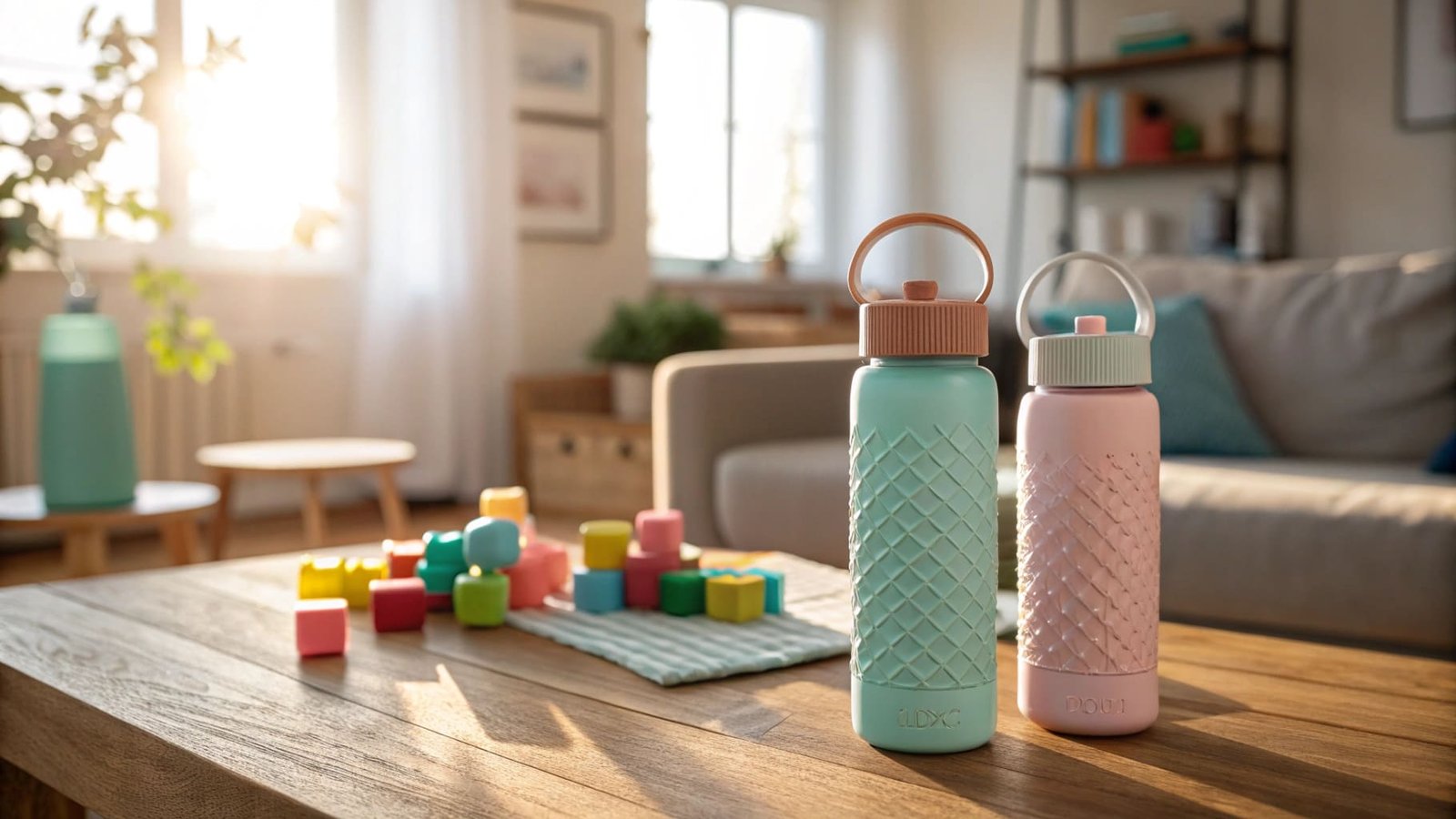
I learned about neoprene's weaknesses the hard way. A client ordered 10,000 neoprene sleeves for a summer promotion. By September, 30% had been returned. The customers complained about the same issues. The sleeves smelled bad. They developed dark spots from mold. The stitching came apart after a few weeks.
The fabric structure of neoprene creates its biggest weakness. Neoprene consists of a rubber core with fabric glued to both sides. This sandwich design traps moisture. Water gets between the layers and cannot escape. I have cut open returned neoprene sleeves. The inside looked disgusting. Mold grew in patterns along the seams.
Cleaning makes things worse. Neoprene cannot go in the dishwasher. The hot water and detergent break down the glue. The fabric separates from the rubber. Hand washing takes time. Most customers do not bother. They just throw the dirty sleeve away and buy a new one.
Here are the main problems I see:
| Problem | Why It Happens | Customer Impact |
|---|---|---|
| Odor retention | Porous material absorbs smells | Product feels unclean |
| Seam failure | Stitching stress points | Sleeve falls apart |
| Mildew growth | Moisture trapped inside | Health concerns |
| Color fading | UV and heat sensitivity | Looks old quickly |
| Stiffening | Material breaks down | Becomes hard to use |
The cost adds up quickly. Returns cost money. Shipping costs money. Customer service time costs money. Bad reviews hurt future sales. I have calculated this for clients many times. The savings from buying neoprene disappear within six months.
Are Silicone or Latex Caps Better?
This question confuses people because they mix up different products. I want to clear this up. The comparison should focus on material properties, not just names.
Silicone beats latex for drinkware accessories. Silicone does not cause allergic reactions. It resists extreme temperatures. Latex breaks down quickly and many people have allergies to it.
I have tested both materials extensively. Silicone comes from sand. Latex comes from rubber tree sap. This origin difference matters. Silicone stays stable across a huge temperature range. I have put silicone caps in boiling water and then into a freezer. They came out fine. Latex cracked and became brittle.
The allergy issue cannot be ignored. Around 5% of people have latex allergies. Some reactions are severe. Silicone causes no allergic reactions. This makes it safer for consumer products. I once had a client whose entire shipment got rejected. The buyer discovered latex content and canceled the order. They could not risk selling products that might trigger allergies.
Durability tells another story. I keep test samples in my office. I have silicone caps that are five years old. They still work perfectly. The latex samples I bought at the same time fell apart within 18 months. The latex got sticky. It tore easily. The color turned yellow.
Let me break down the comparison:
| Property | Silicone | Latex |
|---|---|---|
| Allergy Risk | None | 5% of population |
| Heat Resistance | Up to 450°F | Up to 180°F |
| UV Stability | Excellent | Poor |
| Flexibility Retention | Stays flexible | Becomes brittle |
| Environmental Stability | Does not degrade | Breaks down quickly |
| Food Safety | FDA approved | Limited approval |
Maintenance tells the final story. Silicone caps go in the dishwasher. They come out clean every time. Latex caps need gentle hand washing. Hot water damages them. Detergent makes them sticky. Most customers do not read care instructions. They wash everything the same way. This kills latex products fast.
I have shipped silicone caps to over 40 countries. The return rate stays below 0.5%. When I ask customers about latex products, they all say the same thing. Too many returns. Too many complaints. Not worth the hassle.
Conclusion
Silicone cup sleeves win because they last longer and create fewer problems. I recommend silicone to every client who wants happy customers and low return rates.
-
Explore the benefits of silicone cup sleeves, including durability and odor resistance, which lead to lower return rates. ↩