Why Do Wholesale Importers Prefer Shore A 50 Hardness for Tumbler Seal Rings?
I spent three hours last week explaining to a new buyer why his seal rings kept failing. He ordered Shore A 70 instead of Shore A 50. His customers complained the lids were too hard to close. That single mistake cost him $8,000 in returns.
Shore A 50 hardness creates the perfect balance for tumbler seal rings1. The material stays firm enough to hold its shape but soft enough to compress and seal properly. This middle-ground specification works reliably across different lid materials and manufacturing tolerances.
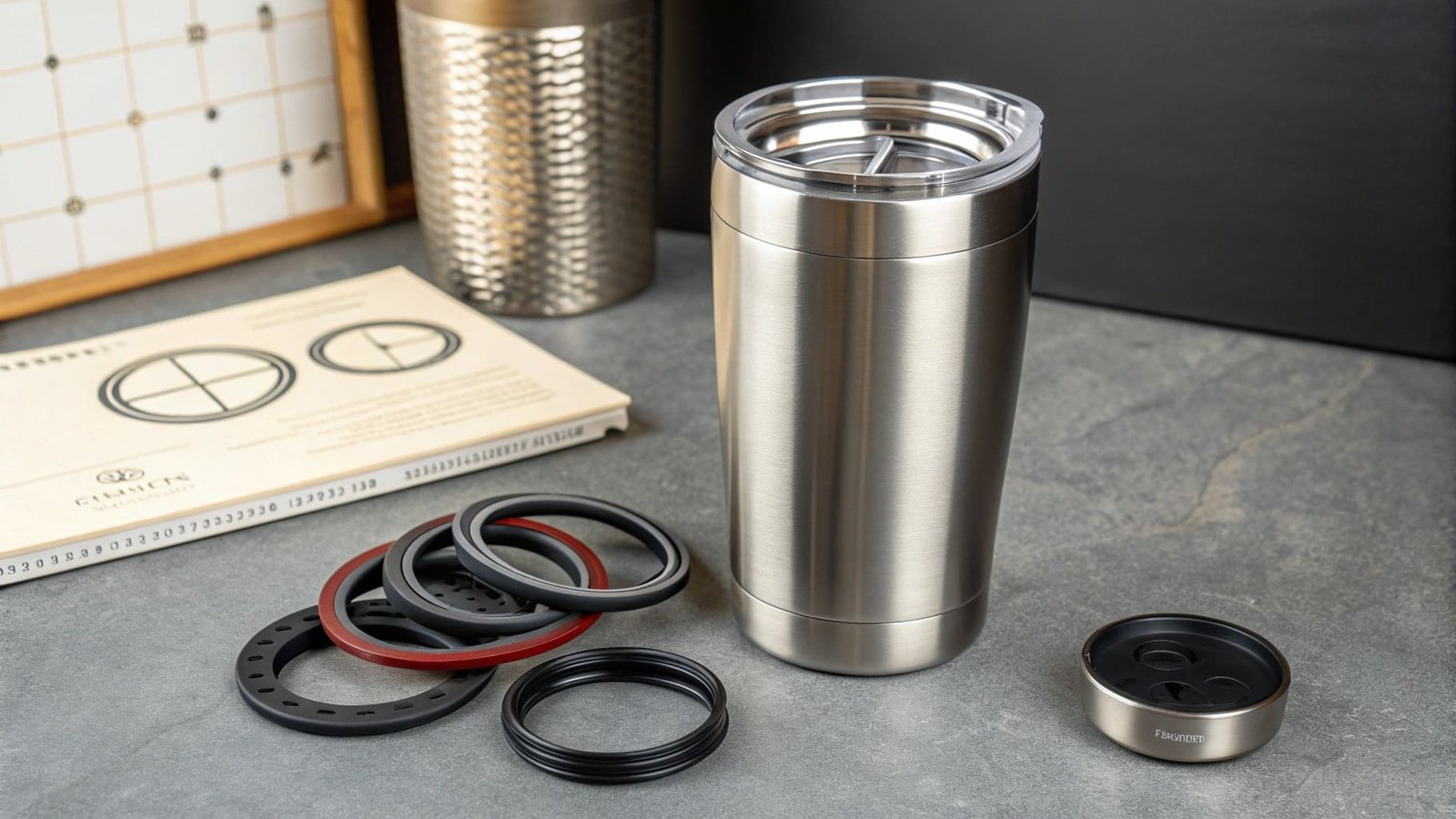
Most wholesale buyers I work with learn this specification the hard way. I want to share what I learned over years of quality complaints and successful shipments. This information can save you from costly mistakes.
What is the Hardness of Shore A 50?
Shore A 50 sits right in the middle of the softness scale. Many buyers ask me what this number actually means. I tell them to think about a pencil eraser. That familiar feeling helps them understand immediately.
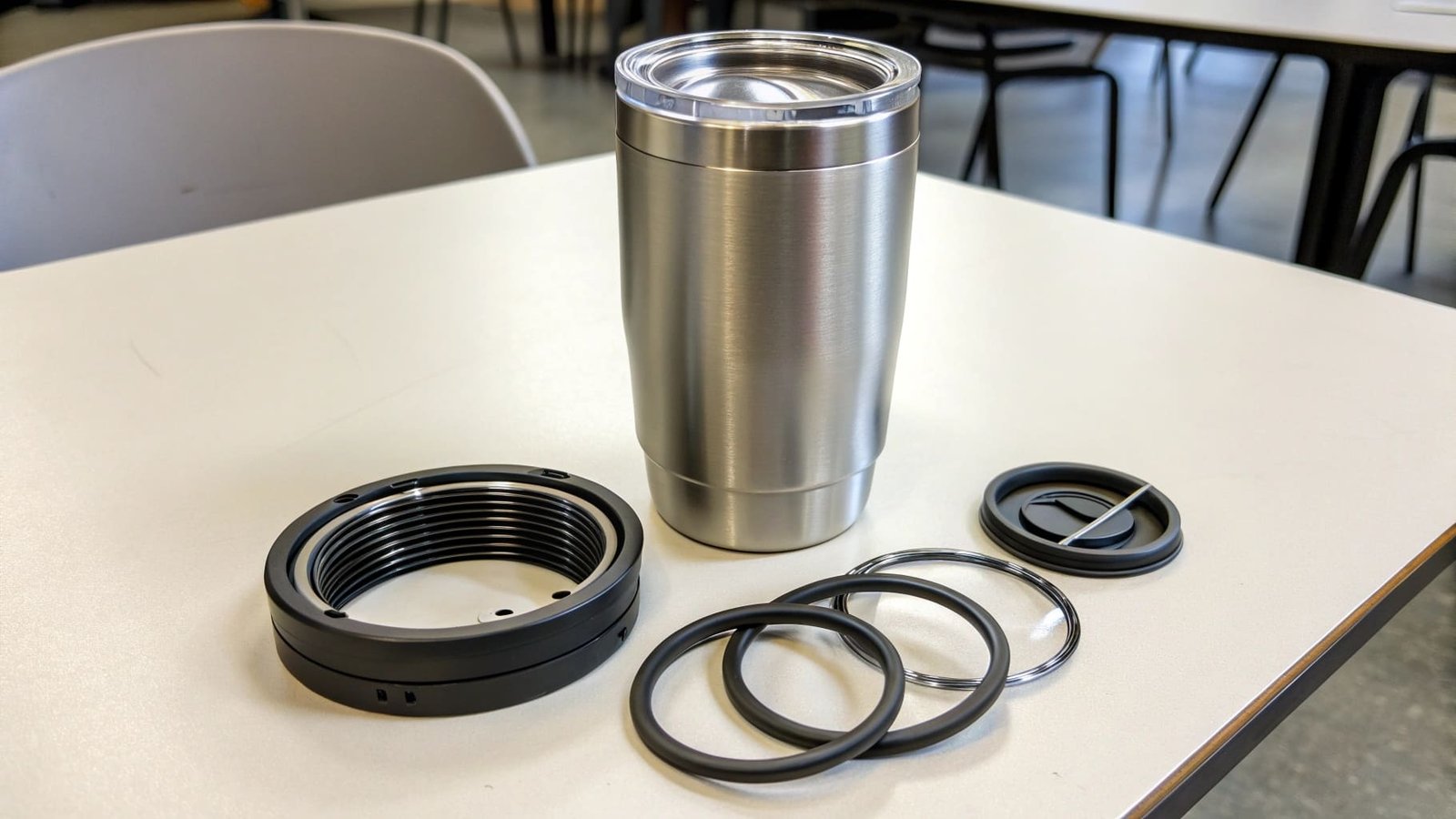
Shore A 50 means your seal ring will compress about 15-25% when you close the lid. The material springs back to its original shape within seconds after you open the lid. This recovery speed matters more than most buyers realize.
Understanding Shore A 50 Through Real Testing
The Shore A scale runs from 0 to 100. Zero feels like liquid gel. One hundred feels almost like hard plastic. Shore A 50 falls exactly in the middle. I keep samples of Shore A 30, Shore A 50, and Shore A 70 in my office. New buyers squeeze them and immediately understand the differences.
Testing requires specific conditions. We use a Type A durometer with 1 kilogram of force. The probe stays pressed against the material for 15 seconds. Temperature affects readings significantly. A room that is 10 degrees warmer or cooler changes the reading by 3 to 5 points. I always check the lab temperature before accepting test results.
One client shipped me samples that tested Shore A 55 in his factory. My lab showed Shore A 48. We discovered his testing room had no air conditioning. Summer heat threw off all his readings. He installed climate control and his consistency improved immediately.
| Test Condition | Required Standard | Why It Matters |
|---|---|---|
| Temperature | 23°C | Each 10°C change shifts reading 3-5 points |
| Applied Force | 1 kg | Too much force gives false high readings |
| Hold Time | 15 seconds | Quick tests miss material settling behavior |
| Sample Thickness | Minimum 6mm | Thin samples compress against the table |
Shore A 50 feels like car tire tread. Your quality control2 team can learn this feel in one training session. They can spot problems during incoming inspection before running formal tests. This quick hand-check catches obvious errors before you commit containers to production.
What is the Shore Hardness Scale for O-Rings?
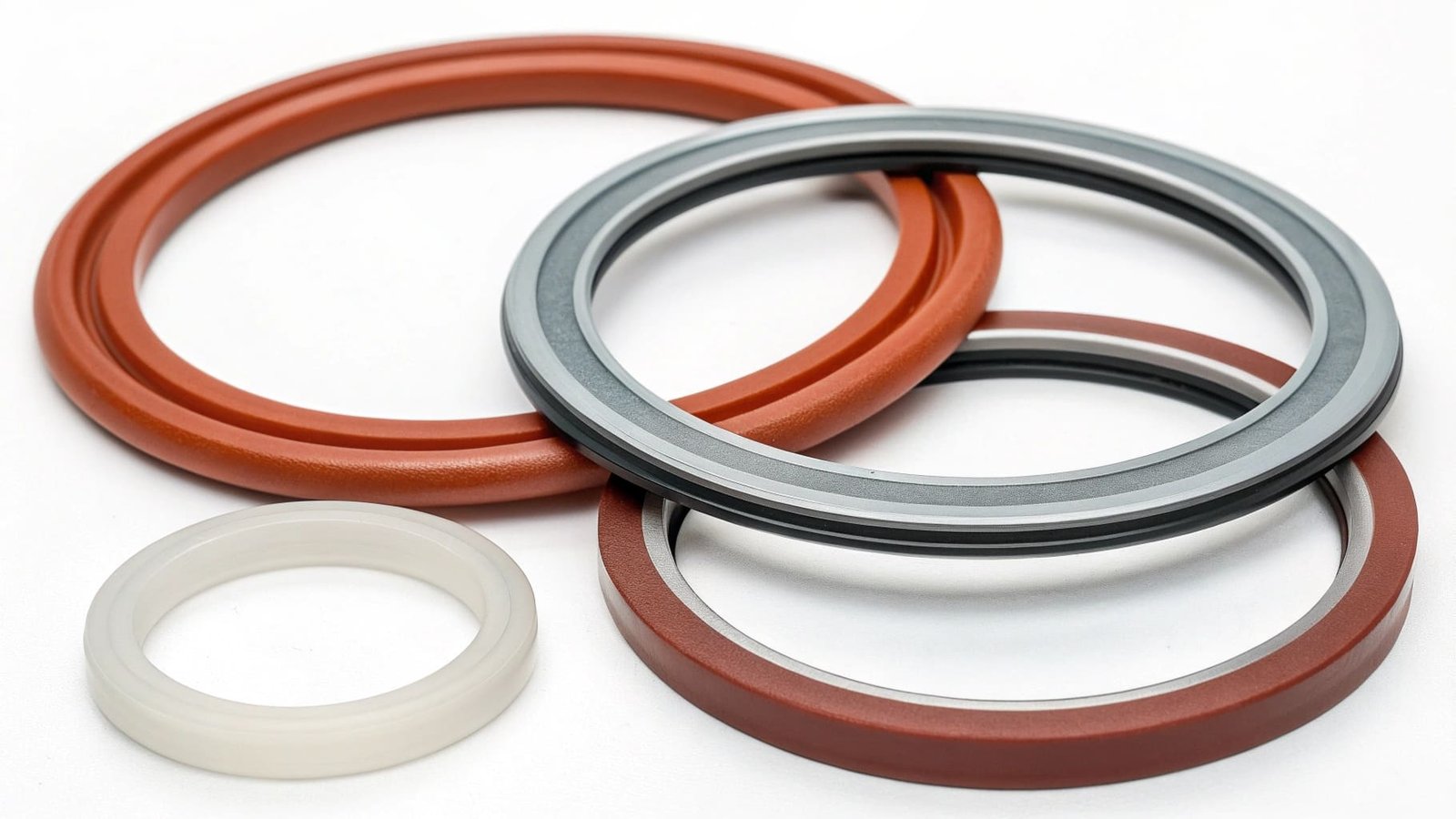
O-rings and seal rings use the Shore A 30 to Shore A 90 range. Tumbler lid seals work best between Shore A 40 and Shore A 60. I learned this range after analyzing five years of warranty returns.
Shore A 50 handles normal manufacturing variations in lid design. Mass production creates small differences in lid rim diameter. Good seals must accommodate these variations without leaking. This flexibility explains why Shore A 50 dominates the market.
Choosing the Right Hardness for Different Applications
Static seals in tumbler lids need different hardness than dynamic seals. Dynamic seals move during use. Static seals stay in one position. Tumbler lid seals are static seals. They compress when you close the lid and stay compressed until you open it again.
Below Shore A 40, your seals become too soft. Customers tear them during installation. Dishwasher cycles deform them permanently. I stopped accepting Shore A 35 samples after three clients reported high return rates. The cost savings disappeared in warranty claims.
Above Shore A 70, the material resists compression too much. Customers need excessive force to close lids. Children cannot use the tumblers. Elderly users complain about hand pain. One retailer returned an entire shipment because customers left negative reviews about difficult lid closure.
Shore A 50 accommodates typical manufacturing tolerances. Most tumbler lids show plus or minus 0.3 millimeters variation in rim diameter. Shore A 50 seals compress enough to fill these gaps without leaking. Harder materials leave gaps. Softer materials deform and fail.
| Hardness Range | Application Suitability | Common Problems |
|---|---|---|
| Shore A 30-40 | Too soft for lids | Tears during installation, poor shape retention |
| Shore A 40-50 | Good for light-duty use | Works well if tolerances are tight |
| Shore A 50-60 | Ideal for general use | Best balance of sealing and durability |
| Shore A 60-80 | Acceptable for premium products | Requires more closing force |
| Shore A 80-90 | Too hard for consumer products | Users complain about difficulty closing |
Food contact requirements push buyers toward Shore A 50. This hardness provides enough flexibility to seal properly while maintaining FDA compliance3. The material stays stable through repeated washing cycles. Most importantly, Shore A 50 performs consistently across different supplier molds and production batches.
What are the Limitations of Shore Hardness?
Shore hardness testing shows only surface resistance at one moment. I learned this lesson when two suppliers both passed Shore A 50 testing but one product failed after 100 dishwasher cycles. The other lasted 500 cycles. Same hardness reading. Completely different performance.
Shore testing cannot predict long-term behavior. The test measures immediate surface response. It reveals nothing about compression set resistance, tear strength, or temperature stability. These factors determine actual product lifespan in customer hands.
Why Shore Readings Alone Create Risk
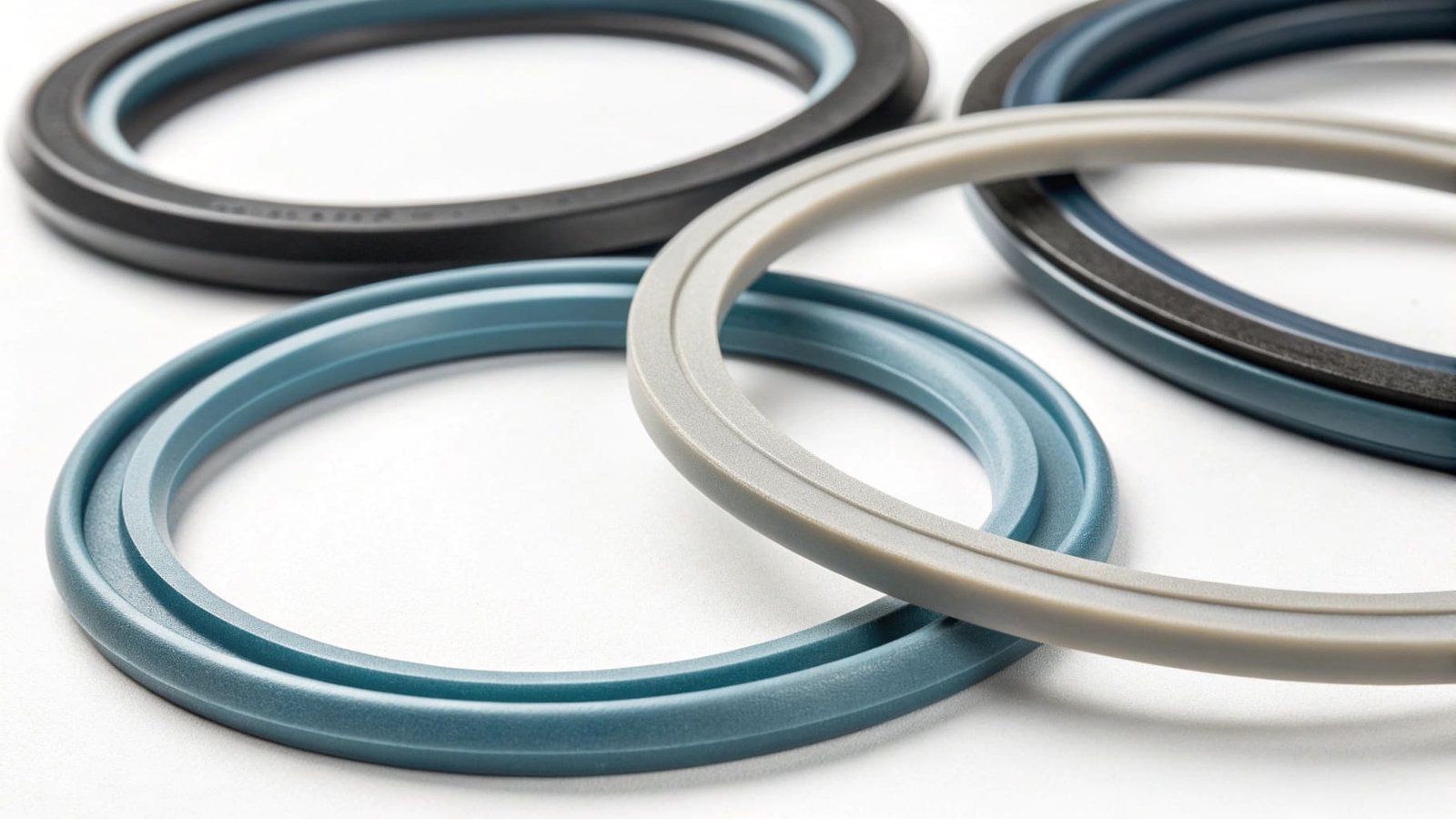
A seal ring measuring Shore A 50 can fail in multiple ways. The silicone formulation quality4 matters enormously. Cheap fillers pass Shore testing but break down under heat. Incomplete curing gives correct hardness readings but causes delayed deformation. Poor polymer chain structure tests fine initially but fails under stress.
I started requiring additional tests after expensive quality failures. One shipment measured perfect Shore A 50 but the seals turned brittle after three months. The silicone had incomplete curing. Shore testing missed this completely because the surface felt correct.
Compression set testing reveals long-term performance. We compress samples at 70°C for 22 hours then measure recovery. Good silicone recovers to within 20% of original thickness. Poor silicone stays permanently compressed. This test costs more but prevents catastrophic failures.
Tear resistance measurement catches weak formulations. We use ASTM D624 Die C testing. Good tumbler seals should resist at least 25 N/mm tearing force. Shore A 50 materials can show tear resistance ranging from 15 N/mm to 45 N/mm. The hardness reading tells you nothing about this critical difference.
| Test Method | What It Measures | Why You Need It |
|---|---|---|
| Shore A Hardness | Surface resistance | Basic specification only |
| Compression Set | Long-term deformation | Predicts seal lifespan |
| Tear Resistance | Material toughness | Prevents installation damage |
| Hot Water Immersion | Chemical stability | Simulates dishwasher cycles |
| Acidic Beverage Test | Food contact safety | Prevents swelling or degradation |
Accelerated aging protocols test real-world conditions. We immerse samples in hot water at 90°C for 168 hours. Good seals maintain Shore A 50 plus or minus 3 points. Poor seals shift to Shore A 65 or higher. They become hard and lose sealing ability.
Smart importers use Shore hardness as a starting point. You need it for basic supplier qualification. But you must add performance testing for production acceptance. I run hot water immersion tests on every production batch. This extra step catches formulation changes that Shore testing misses.
One client skipped compression set testing to save $200 per shipment. He lost $15,000 when his entire inventory failed after 90 days in warehouse storage. The seals hardened and stopped sealing properly. Shore testing showed no change but the seals were worthless. He now runs full testing protocols on every container.
Conclusion
Shore A 50 works because it balances firmness and flexibility. Add compression testing and tear resistance measurement to protect your investment. Your customers will never complain about seal performance again.
-
Explore the best materials for seal rings to enhance durability and performance in various applications. ↩
-
Learn best practices for quality control to ensure consistent performance and reduce returns. ↩
-
Understanding FDA compliance is essential for ensuring safety and quality in food contact applications. ↩
-
Learn how silicone formulation quality impacts the longevity and effectiveness of seal rings. ↩