Where Can OEM Manufacturers Find BPA-Free Silicone Cup Sleeves for Private Labeling?
You need reliable suppliers for BPA-free silicone cup sleeves1. The market floods with questionable products. I will show you where to source quality sleeves that meet safety standards.
You can find BPA-free silicone cup sleeves through verified B2B platforms, direct manufacturer contacts in China, and trade shows. Focus on suppliers who provide FDA or LFGB certifications2 and can demonstrate third-party testing results.
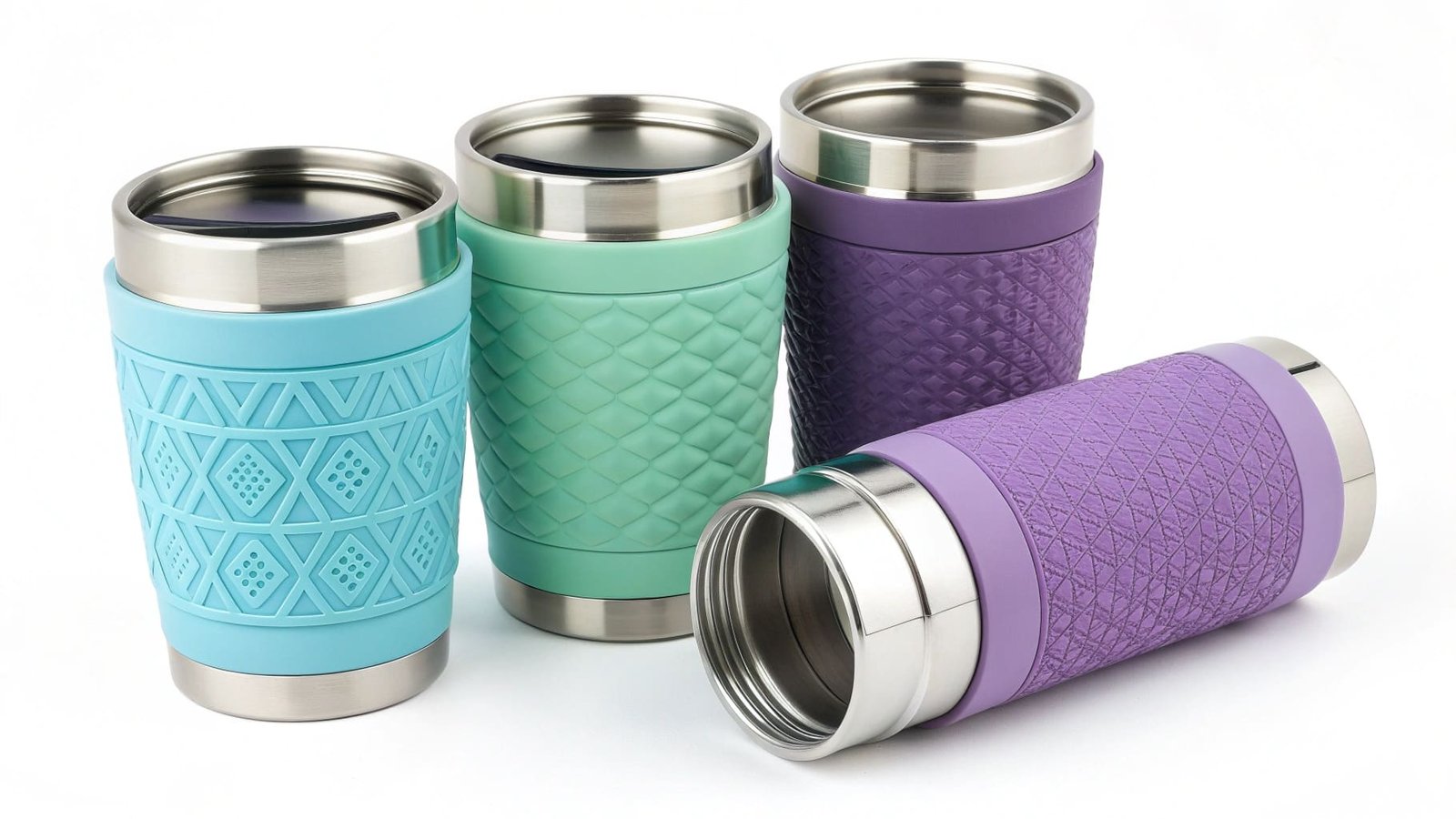
I have worked with dozens of procurement officers who struggled with this exact challenge. They wasted months dealing with suppliers who promised quality but delivered substandard products. The key is knowing what to look for before you place that first order.
Is silicone BPA free?
You worry about BPA contamination in your products. Your customers ask about chemical safety. I will explain why silicone differs from plastic.
Silicone is naturally BPA-free because it comes from silicon, not petroleum-based plastics. The molecular structure of silicone contains no bisphenol-A compounds, making it a safe choice for food contact applications.
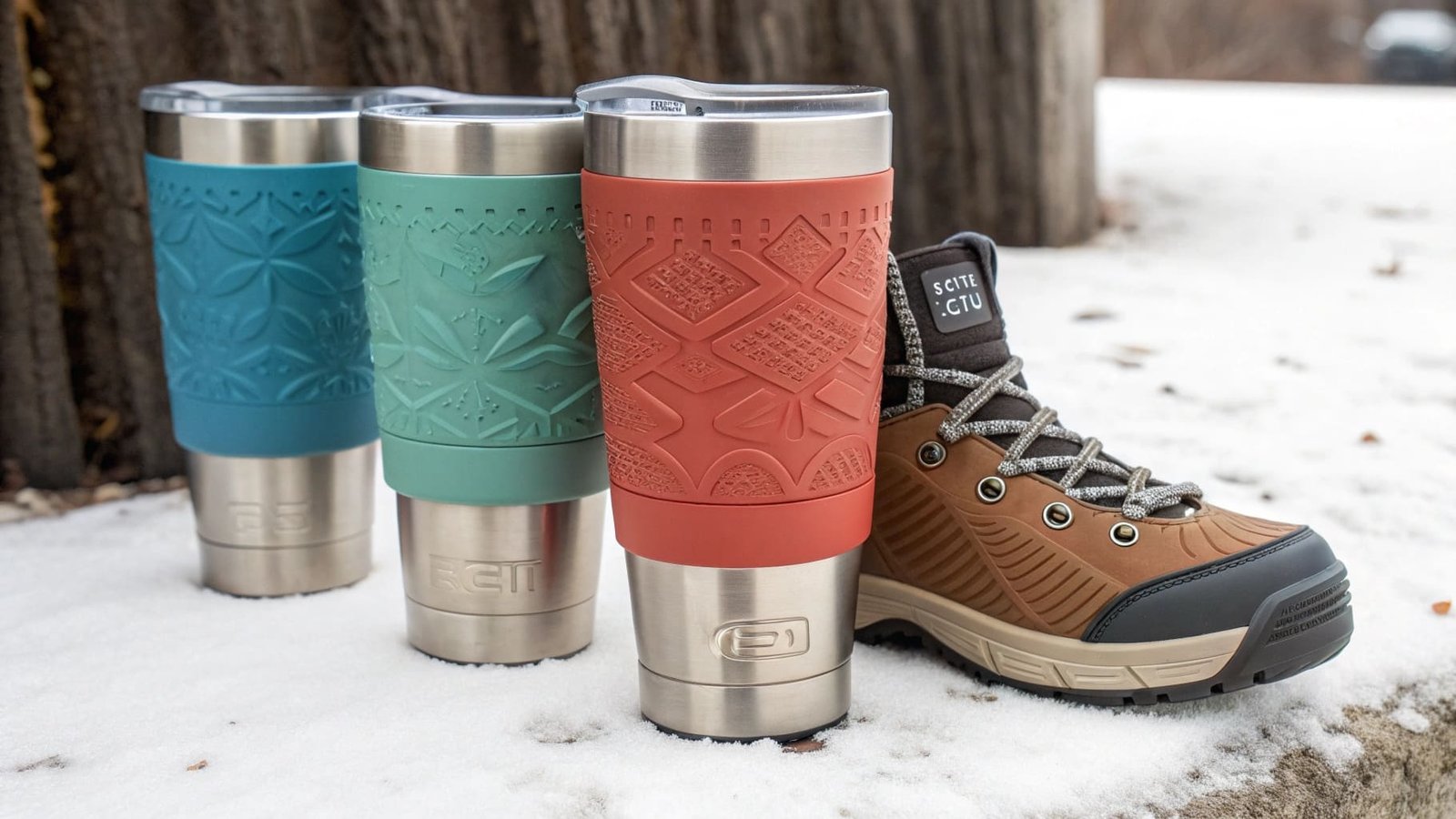
I need to break this down for you. Silicone starts as silica, which we extract from sand. We process this silica with carbon at high temperatures. This creates silicon. We then combine silicon with oxygen to form siloxane polymers. This is silicone. The entire process never involves BPA or similar plasticizers. Traditional plastics like polycarbonate require BPA as a building block. Silicone does not.
The confusion often comes from people mixing up "silicone" and "silicon." Silicon is the raw element. Silicone is the flexible polymer we use for cup sleeves. Neither contains BPA. When I source silicone cup sleeves from manufacturers in China, I always verify the material composition through independent lab tests. This protects both my brand and my customers.
Here is what you should know about silicone composition:
| Component | Source | BPA Content |
|---|---|---|
| Silicon | Sand (silica) | Zero |
| Oxygen | Air | Zero |
| Carbon | Organic compounds | Zero |
| Hydrogen | Water/Hydrocarbons | Zero |
The certification matters more than verbal promises. I ask suppliers for documentation that proves their silicone meets FDA CFR 177.2600 standards. This regulation specifically addresses silicone rubber for food contact. LFGB certification from European testing labs provides another layer of assurance. Both certifications test for BPA migration. They also check for other harmful substances.
Some suppliers try to cut costs by using fillers in their silicone. These fillers might introduce contaminants. Pure food-grade silicone costs more but eliminates this risk. I learned this the hard way when a shipment failed inspection at Canadian customs. The supplier had added calcium carbonate without disclosure. It compromised the BPA-free claim.
What are coffee sleeves made of?
You see various coffee sleeves in the market. Each material has different properties. I will compare the options available to you.
Coffee sleeves are made from corrugated cardboard, foam plastic, fabric, or silicone. Cardboard dominates disposable applications while silicone serves the reusable market with superior heat resistance and durability.
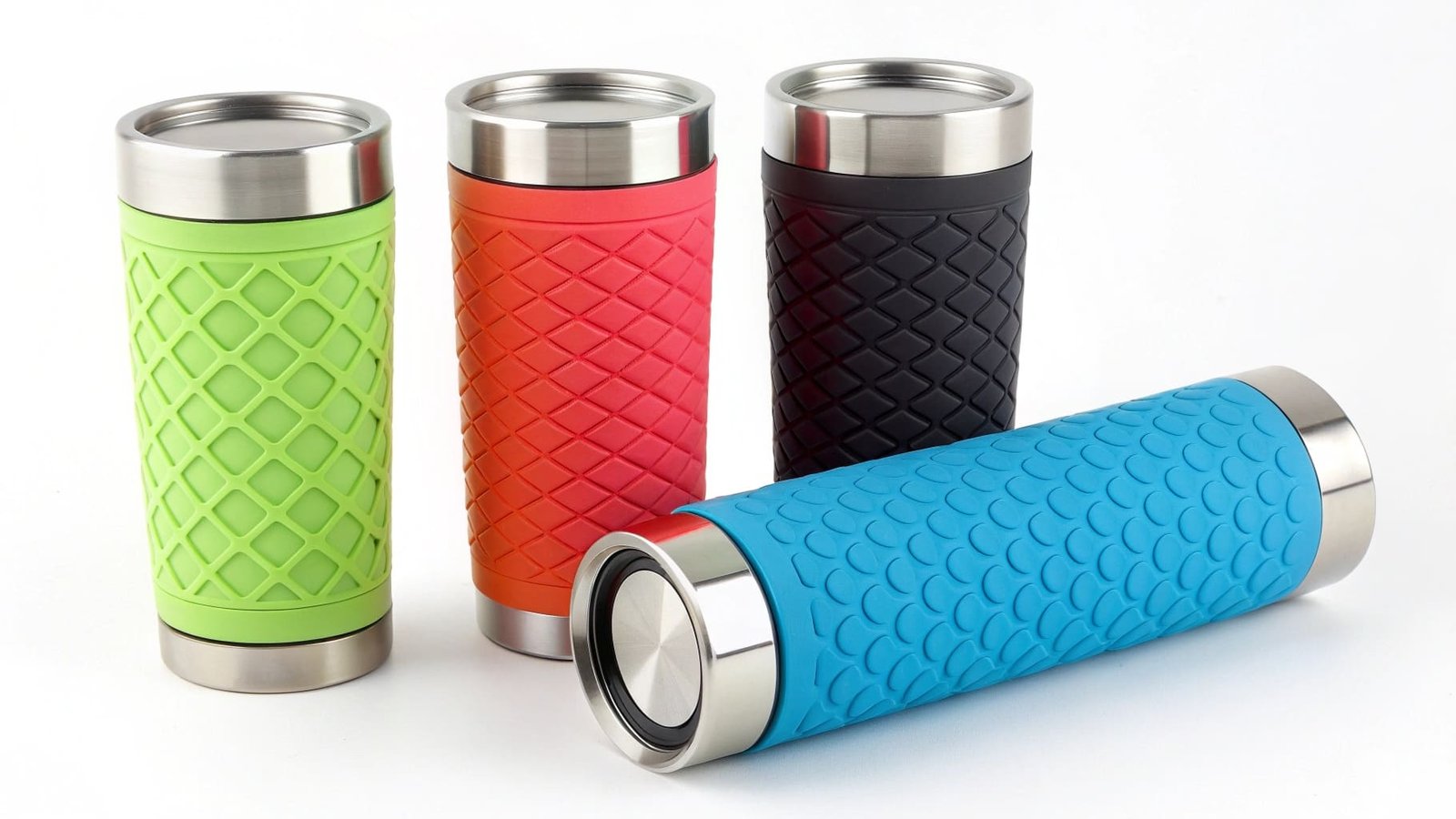
Let me walk you through each material type. Traditional coffee shops use corrugated cardboard sleeves. These cost pennies per unit. They insulate moderately well. The problem is single-use waste. Many cardboard sleeves also have plastic linings for moisture resistance. This makes them difficult to recycle. Your customers increasingly reject this option.
Foam plastic sleeves, usually made from polystyrene, offer better insulation. They fit snugly on cups. But they face the same disposal issues as cardboard. Some regions now ban polystyrene food packaging. This limits your market reach. I stopped considering foam sleeves three years ago when several North American cities implemented restrictions.
Fabric sleeves gained popularity in specialty coffee markets. They look artisanal. They provide good grip. However, fabric absorbs liquids and requires washing. This creates hygiene concerns for commercial applications. I see fabric sleeves3 working for small boutique brands but not for volume OEM production.
Silicone cup sleeves represent the modern solution. They handle temperatures from -40°C to 230°C. This range covers everything from iced beverages to fresh espresso. The material does not absorb odors or stains. Users can wash silicone sleeves in dishwashers repeatedly without degradation. I have test samples that survived over 1,000 wash cycles.
Here is a comparison table for your reference:
| Material | Cost per Unit | Lifespan | Temperature Range | Recyclability |
|---|---|---|---|---|
| Cardboard | Low | Single use | 0°C to 100°C | Limited |
| Foam Plastic | Low | Single use | 0°C to 80°C | Poor |
| Fabric | Medium | Months | 0°C to 100°C | Good |
| Silicone | High | Years | -40°C to 230°C | Excellent |
The customization options differ significantly. Cardboard allows cheap printing. Silicone requires molding but offers embossed logos, color mixing, and debossed text. These options create premium branding opportunities. I worked with a Canadian startup that built their entire brand identity around custom silicone sleeves. They competed successfully against established brands by emphasizing sustainability and design.
Manufacturing location affects quality dramatically. Chinese manufacturers excel at silicone production due to established supply chains and technical expertise. Vietnam is emerging but still developing capabilities. I source exclusively from China for silicone products because the quality control4 infrastructure is more mature.
Do you get microplastics from food grade silicone?
You read headlines about microplastic contamination. Your customers express concerns about particle shedding. I will clarify the science behind silicone stability.
Food-grade silicone does not produce microplastics because it maintains structural integrity through crosslinked polymer bonds. Unlike conventional plastics that break into particles, properly cured silicone resists degradation and does not shed material fragments.
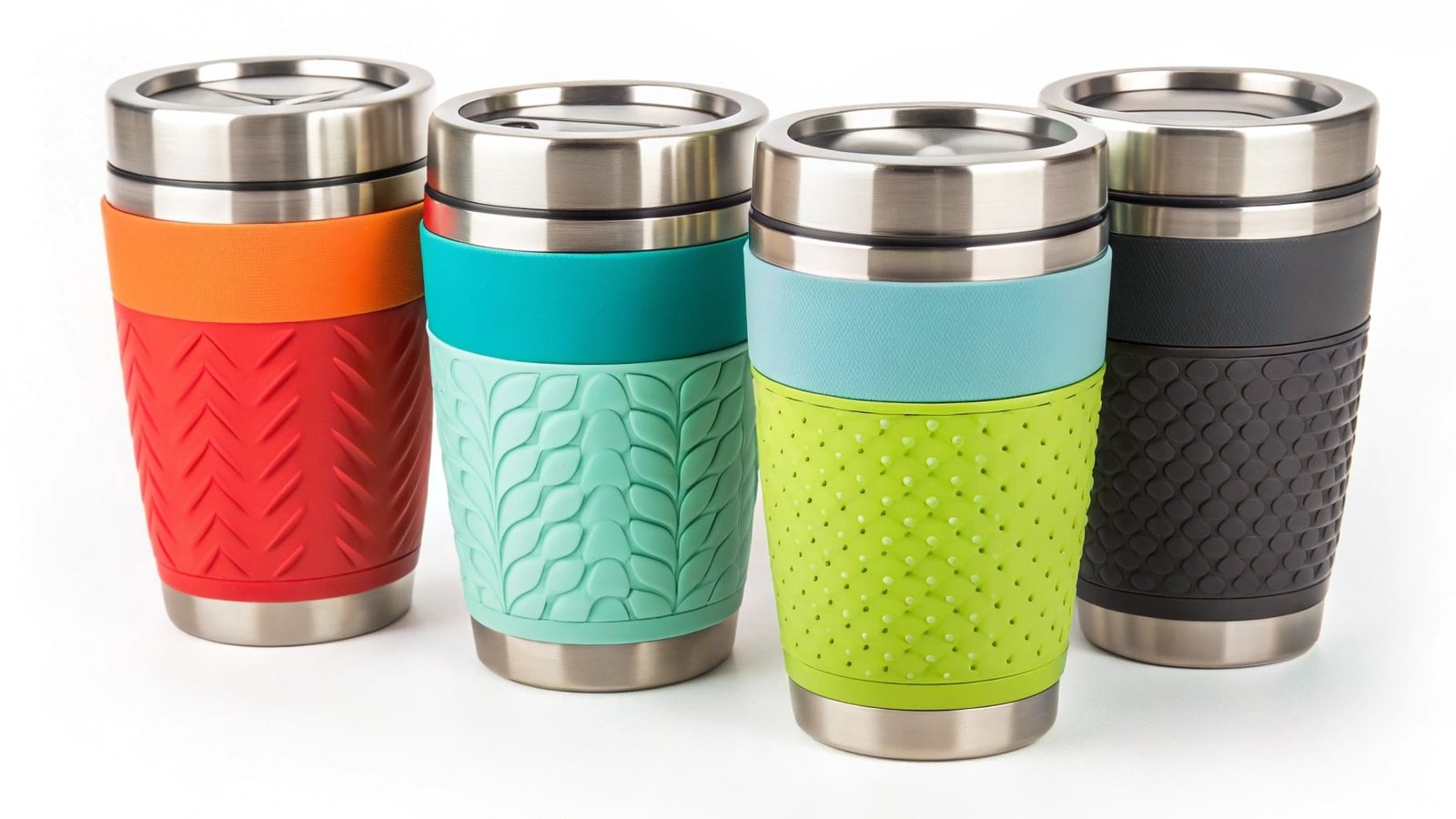
The chemistry here is crucial. Microplastics come from polymers that break down through mechanical stress, UV exposure, or chemical reactions. Polyethylene, polypropylene, and polystyrene all suffer from this weakness. Their linear molecular chains snap easily. Silicone has a different structure. The silicon-oxygen backbone creates a three-dimensional network. This network holds together even under stress.
I need to distinguish between platinum-cured and peroxide-cured silicone. Platinum curing creates tighter crosslinks. It eliminates volatile organic compounds during production. The final product is more stable. Peroxide curing costs less but leaves some unreacted molecules in the matrix. These molecules can migrate out over time. They do not form microplastics but they do affect food safety.
When I evaluate suppliers, I specifically request platinum-cured silicone5 for cup sleeves. The price difference is about 15-20% higher. This investment protects against regulatory issues and customer complaints. I once toured a factory in Guangdong Province that used peroxide curing for cost savings. Their products passed initial tests but showed material migration after prolonged heat exposure. I did not place orders with them.
Here is what affects silicone stability:
| Factor | Impact on Stability | Prevention Method |
|---|---|---|
| Curing method | High | Specify platinum-curing |
| Shore hardness | Medium | Match to application |
| Filler content | High | Require 100% pure silicone |
| Manufacturing temperature | Medium | Verify process controls |
Testing protocols matter enormously. I ask suppliers for migration test results. These tests soak silicone samples in various solvents at elevated temperatures. They measure what comes out of the material. Proper food-grade silicone releases virtually nothing. The test should follow FDA guidelines for extraction testing. European LFGB standards provide even stricter requirements.
The durometer hardness also affects performance. Shore A 40-50 works well for cup sleeves. This range provides good grip without feeling too soft. Softer silicone might tear more easily. Harder silicone reduces comfort. I learned to specify this parameter after receiving samples that felt wrong in hand. The supplier had used Shore A 60 to save on material costs. The sleeves functioned but felt cheap.
Real-world durability testing beats lab results. I run my own tests before approving suppliers. I put sleeves through 100 dishwasher cycles. I freeze them and heat them repeatedly. I stretch them beyond normal use. Quality silicone returns to its original shape. It shows no cracks or tears. It does not release any visible particles. This practical testing saved me from approving a supplier whose lab reports looked perfect but whose products failed under actual use conditions.
The environmental angle strengthens your market position. Silicone does not contribute to ocean microplastic pollution. It does not break down into particles that animals ingest. While silicone is not biodegradable, it is recyclable through specialized programs. This message resonates with environmentally conscious consumers in North America and Europe. I feature this prominently in private label marketing materials.
Conclusion
Finding reliable BPA-free silicone cup sleeve suppliers requires verifying certifications, understanding material science, and testing products thoroughly. Source from experienced manufacturers who demonstrate quality control and technical expertise.
-
Explore this link to discover trusted suppliers that meet safety standards for BPA-free silicone products. ↩
-
Learn about these essential certifications to ensure the safety and quality of silicone products. ↩
-
Discover the unique features of fabric sleeves and their suitability for different markets. ↩
-
Understand the importance of quality control in ensuring silicone product safety. ↩
-
Learn why platinum-cured silicone is a superior choice for food safety. ↩