Can GYZR Bite Valve Sheaths Be Bulk Ordered for Hydration Pack Wholesalers?
You need reliable components. Your clients demand quality. But finding a supplier who can deliver bite valve sheaths in bulk — on time, with the right certifications — feels almost impossible.
Yes, bite valve sheaths can be bulk ordered for hydration pack wholesalers. Most reliable silicone component suppliers accept minimum order quantities starting from 500 to 1,000 units for accessories like bite valve sheaths.1 Certified suppliers with FDA or LFGB compliance are available2, and customization is possible at this scale.
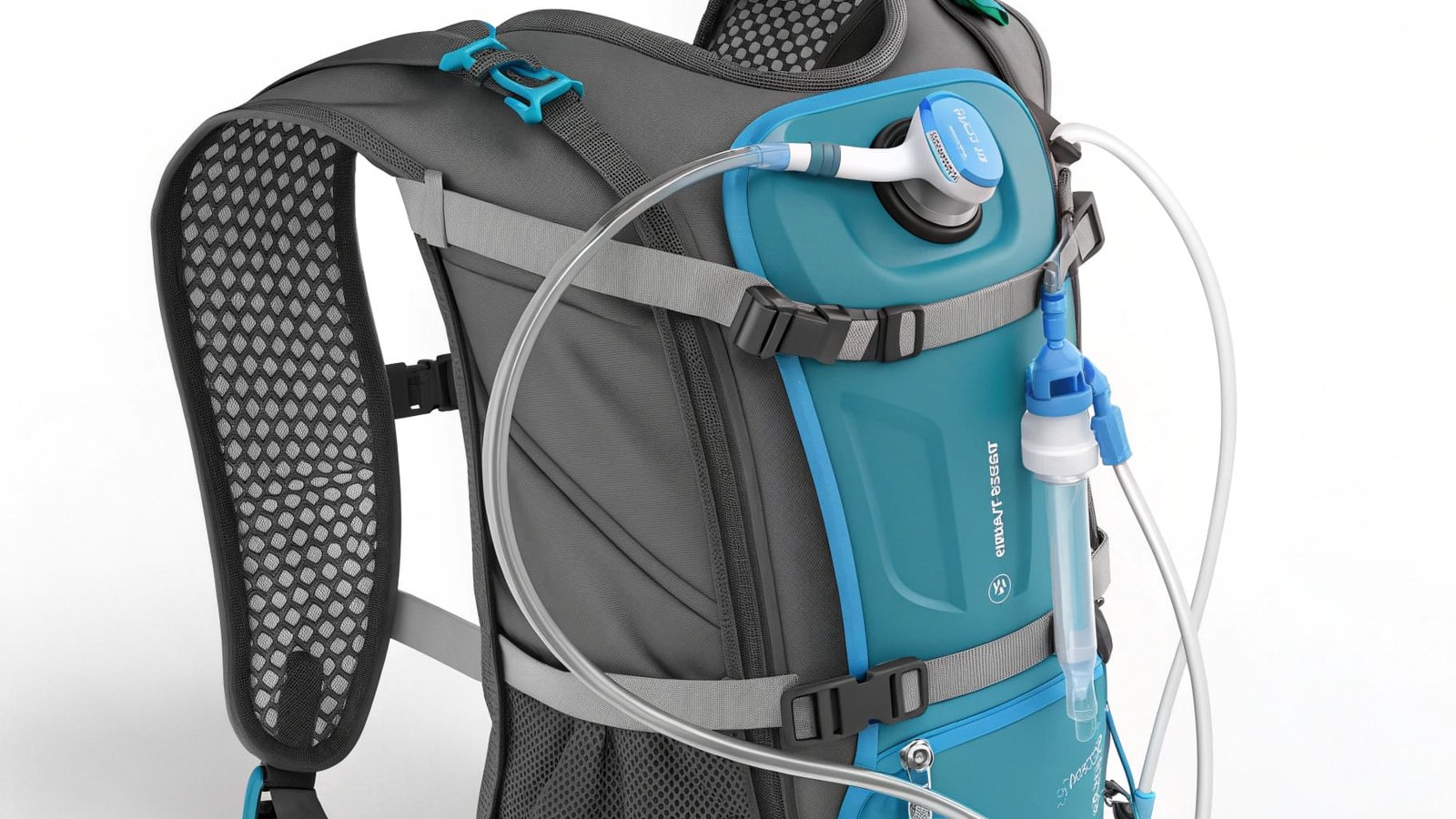
The hydration pack market has changed. Brands no longer compete only on pack design. They compete on every component — including the bite valve sheath a user puts in their mouth. If you wholesale hydration packs, the components you choose define your brand's reputation. This article breaks down the key questions you and your clients are probably already asking.
Where Are CamelBak Hydration Packs Made?
You see "CamelBak" on shelves everywhere. You wonder where they actually come from — and whether you can source at the same level.
CamelBak hydration packs are primarily manufactured in Asia, with production centered in China and Vietnam.3 These locations allow large brands to balance cost control with acceptable quality standards. Most major hydration pack components, including bite valves and sheaths, are made in Chinese factories.4
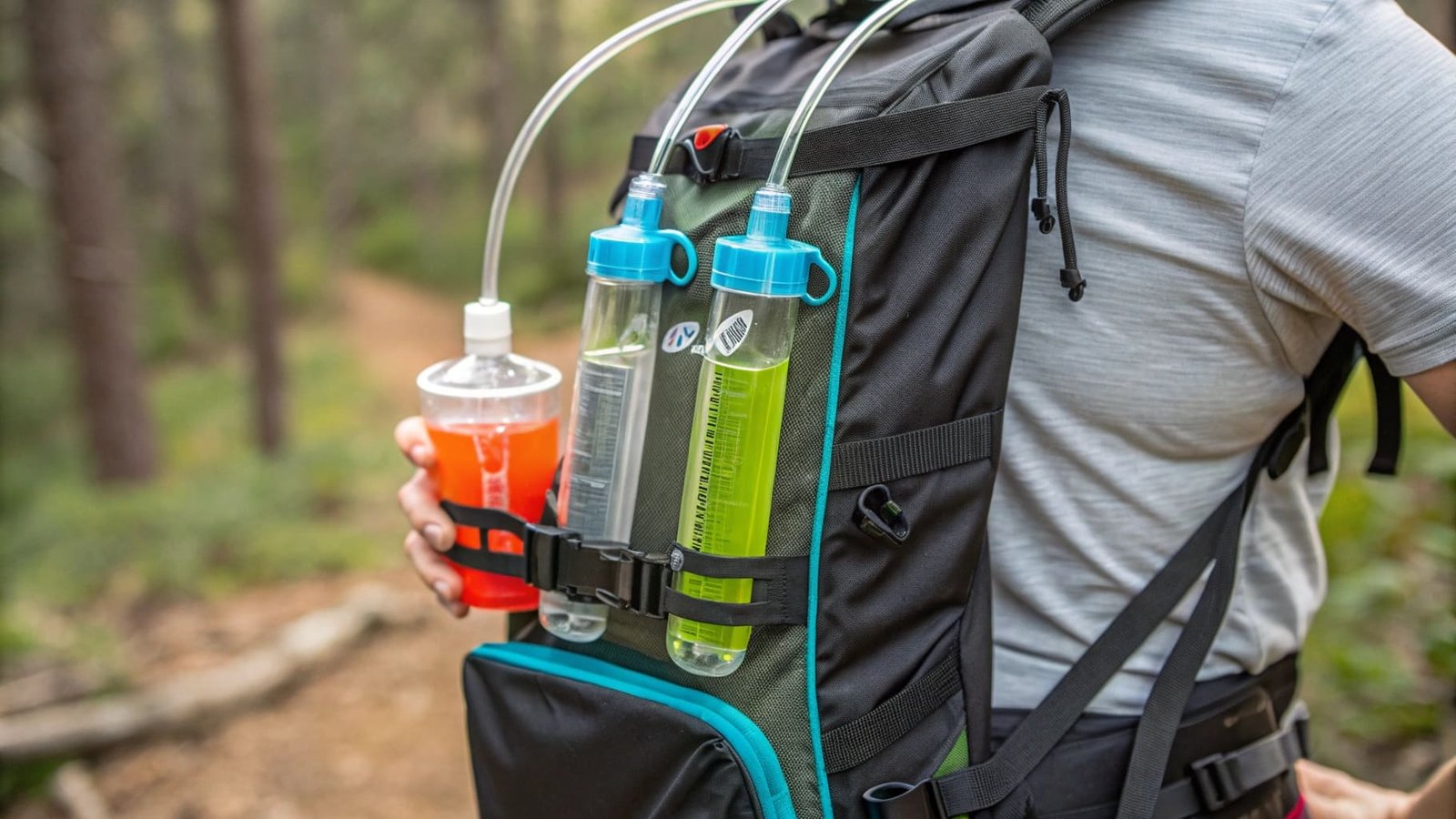
This matters to you as a wholesaler. CamelBak did not build its supply chain overnight. It took years of factory audits, supplier relationships, and quality testing. But the factories CamelBak works with are not exclusive to CamelBak. Many of them supply smaller brands and wholesalers too.
Why Does Manufacturing Location Matter for Component Sourcing?
When you know where the industry's biggest players source their components, you can target the same supply ecosystem.
China remains the dominant manufacturing base for silicone hydration components. The infrastructure, tooling capability, and material expertise in regions like Guangdong and Zhejiang are unmatched at this price point.5
| Factor | China | Vietnam | Domestic (North America) |
|---|---|---|---|
| Unit Cost | Low | Low to Medium | High |
| Tooling Capability | Very High | Medium | High |
| Certification Availability | FDA, LFGB, RoHS | Limited | FDA |
| MOQ Flexibility | High | Medium | Low |
| Lead Time | 30–60 days | 45–75 days | 15–30 days |
The table above shows why most wholesalers — including many Canadian distributors I work with — still choose Chinese suppliers for bite valve components. The combination of cost, tooling, and certification availability is hard to match elsewhere. Vietnam is growing fast, but it still lacks the silicone processing depth that Chinese manufacturers have built over decades.6 If you are sourcing bite valve sheaths in bulk, China gives you the most options at the most competitive price points while still meeting the certification requirements your clients expect.
How Long Will Water Stay Fresh in a Hydration Pack?
You hand a hydration pack to a customer. They ask how long the water inside stays clean to drink. You need a real answer — not a guess.
Water in a hydration pack stays fresh for 24 to 48 hours when the system is properly cleaned and stored correctly.7 The key variable is the material quality of the internal components, especially the bite valve and reservoir. Low-grade materials allow bacteria to grow faster and transfer taste to the water.8
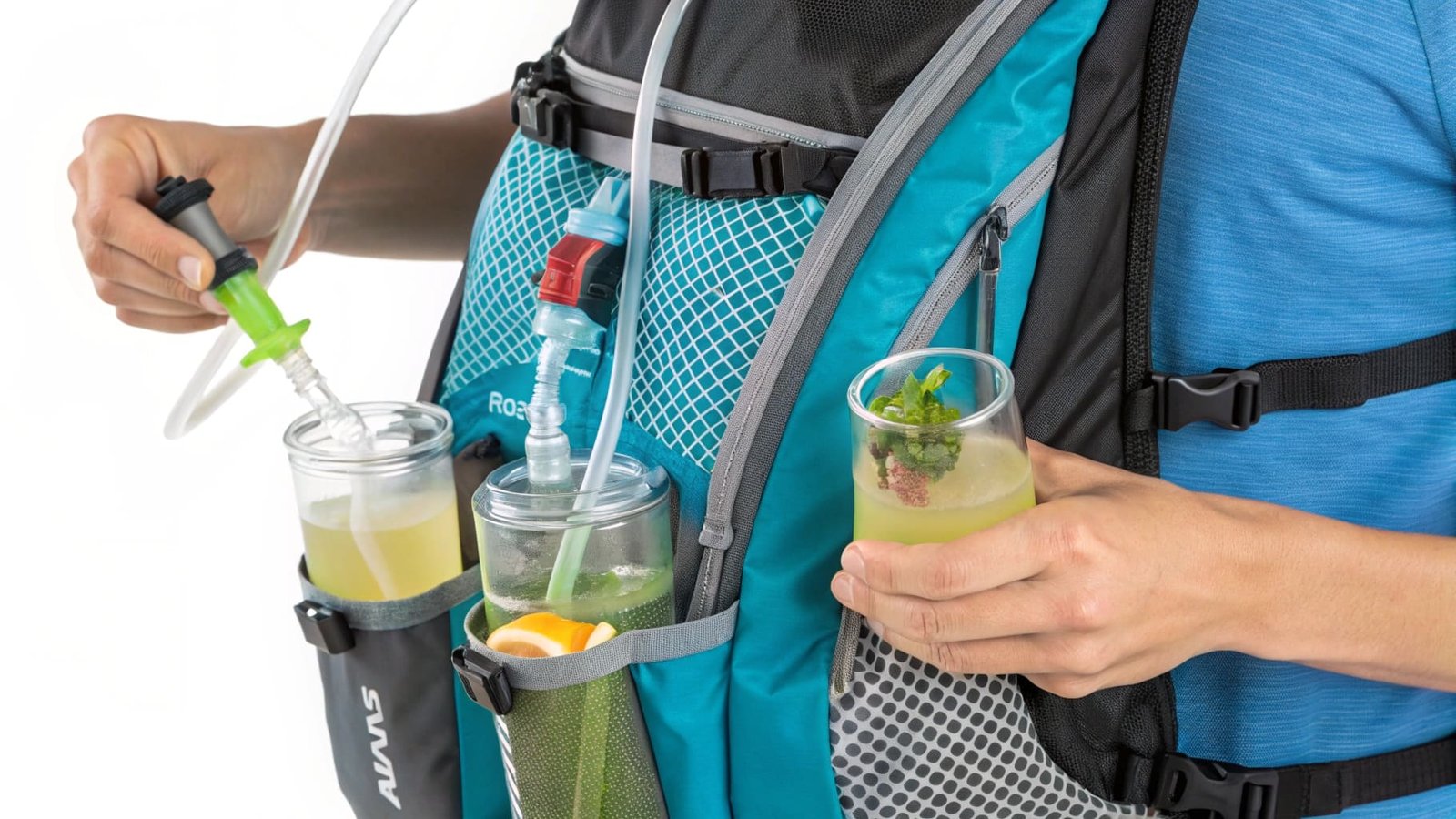
This is not just a product care question. It is a material science question. And the answer directly affects which bite valve sheaths you should be sourcing.
How Do Silicone Bite Valve Sheaths Affect Water Freshness?
The bite valve sheath is the first point of contact between the user's mouth and the water system. It is also one of the most likely places for bacteria to grow if the material is wrong.
Food-grade silicone resists bacteria growth better than most alternative materials.9 It does not absorb odors. It does not leach chemicals into the water. When the silicone carries FDA or LFGB certification, you have documented proof that the material is safe for food and beverage contact. That proof matters to your clients — especially procurement officers at large companies who need to justify their sourcing decisions to legal and compliance teams.
| Material Property | Food-Grade Silicone | Standard Rubber | Plastic TPE |
|---|---|---|---|
| Bacteria Resistance | High | Low | Medium |
| Taste Neutral | Yes | No | Sometimes |
| FDA Certifiable | Yes | Rarely | Sometimes |
| Durability | High | Medium | Medium |
| Odor Absorption | None | High | Low |
I have seen wholesalers lose repeat business because they chose cheaper bite valve sheaths without checking the material certification. The client's end users complained about a rubbery taste in their water after 12 hours. The complaint went back through the chain and landed on the wholesaler's desk. Certified food-grade silicone would have prevented that entirely. When you source bite valve sheaths in bulk, certification is not a bonus feature. It is a basic requirement.
What Is the Best Water Pack to Buy?
Your clients ask you this question directly. They want a recommendation. But the honest answer is more useful than a single product name.
There is no single "best" water pack for every buyer. The best pack depends on the end user's activity, the brand's quality requirements, and the wholesaler's ability to source consistent components across bulk orders. The right supply chain partner matters more than any one product name.
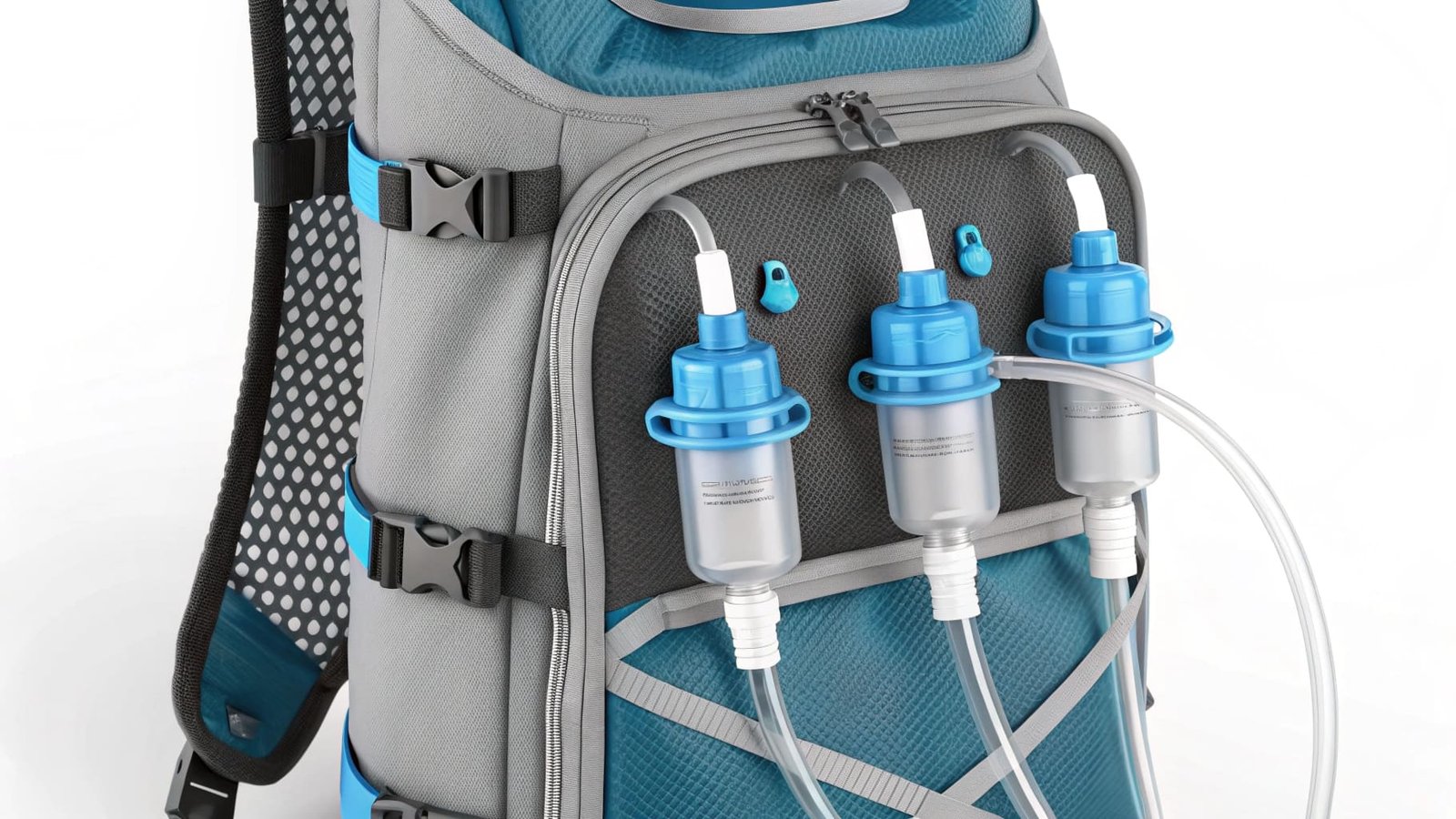
When I talk to wholesalers who are building private label hydration brands, they usually start with this question too. By the end of our conversation, the question changes. It becomes: "Who can give me reliable components at the right MOQ so I can build a consistent product?"
What Makes a Hydration Pack Worth Buying at Wholesale Scale?
The answer to "best water pack" is really about supply chain flexibility and component quality working together.
A hydration pack is only as good as its weakest component. For most packs, that weak point is the bite valve system — the sheath, the mouthpiece, and the seal between the tubing and the reservoir. When one of these fails, the whole pack is returned or reviewed negatively. Wholesalers who understand this build their sourcing strategy around component quality first, and outer pack design second.
| Component | Common Failure | Solution |
|---|---|---|
| Bite Valve Sheath | Taste contamination, cracking | Food-grade silicone, certified |
| Reservoir Seal Ring | Leaking under pressure | Precision-molded silicone gasket |
| Tubing Connector | Disconnection during use | Reinforced silicone connector |
| Lid Gasket | Slow drip leaks | Custom-fit silicone gasket |
Successful distributors I know test components at small MOQs — often 500 to 1,000 units — before moving to container-level orders. This gives them real-world data on failure rates before they commit to large inventory. It also lets them test custom branding on the sheath itself, which is a growing request from brands targeting corporate wellness programs and outdoor retail. The best water pack for your business is the one built from components you have already tested and trust. That starts with finding a component supplier who can support both small test orders and large bulk orders from the same production line, with the same quality standards applied to both.
Conclusion
Bulk ordering bite valve sheaths is possible. The right supplier, certified materials, and tested MOQs are what separate a strong wholesale operation from a fragile one.
-
"How to find smaller manufacturing contacts for custom plastic and ...", https://www.facebook.com/groups/UtahEntrepreneurs/posts/7411067328975112/. A manufacturing sourcing reference supports that custom molded silicone parts are often ordered with supplier-defined minimum quantities, sometimes in the hundreds or low thousands of units. Evidence role: general_support; source type: other. Supports: A manufacturing or sourcing reference should show typical MOQ ranges for custom silicone or molded rubber accessories.. Scope note: This would contextualize the stated MOQ range for silicone components generally, not prove that all bite valve sheath suppliers use the same thresholds. ↩
-
"21 CFR 177.2600 -- Rubber articles intended for repeated use. - eCFR", https://www.ecfr.gov/current/title-21/chapter-I/subchapter-B/part-177/subpart-C/section-177.2600. FDA and German food-contact materials rules provide compliance frameworks for rubber and silicone articles intended for repeated contact with food or beverages. Evidence role: definition; source type: government. Supports: An official regulatory source should define the FDA or LFGB framework applicable to rubber or silicone articles intended for repeated food contact.. Scope note: Such sources establish the regulatory framework but do not verify that any particular supplier is certified. ↩
-
"CamelBak", https://en.wikipedia.org/wiki/CamelBak. Country-of-origin records or import data can support the statement that some CamelBak hydration products have been manufactured in Asian countries such as China or Vietnam. Evidence role: case_reference; source type: other. Supports: A source should document country-of-origin labels, import records, or supply-chain information for CamelBak hydration packs.. Scope note: This would support observed production locations for specific products or shipments, not necessarily CamelBak's entire current manufacturing footprint. ↩
-
"Heading 4016 - Other articles of vulcanised rubber other than hard…", https://www.taricsupport.com/nomenclature/en/4016000000.html. International trade data indicate that China is a leading exporter of rubber and plastic articles, which provides contextual support for its role in supplying hydration-pack components. Evidence role: general_support; source type: institution. Supports: Trade or industry data should show China's large role in manufacturing and exporting rubber, plastic, or silicone components relevant to hydration systems.. Scope note: Trade classifications are broader than bite valve sheaths and may not isolate hydration-pack components specifically. ↩
-
"Made in China 2025: Evaluating China's Performance", https://www.uscc.gov/research/made-china-2025-evaluating-chinas-performance. Research on Chinese manufacturing clusters documents strong tooling and plastics-related industrial capacity in provinces such as Guangdong and Zhejiang. Evidence role: general_support; source type: research. Supports: A regional industrial-cluster study should document Guangdong and Zhejiang's concentration of tooling, plastics, rubber, or component manufacturing capabilities.. Scope note: Such evidence supports regional capability but may not directly prove that these regions are unmatched on price for hydration components. ↩
-
"[PDF] Labor Productivity Growth Comparison Vietnam, China, and South ...", https://digitalcommons.denison.edu/cgi/viewcontent.cgi?article=1129&context=studentscholarship. Institutional analyses of Asian manufacturing supply chains support the view that Vietnam's manufacturing sector has grown rapidly while China retains a larger and more mature industrial ecosystem. Evidence role: historical_context; source type: institution. Supports: An institutional report should describe Vietnam's manufacturing growth while comparing its industrial depth with China's larger and more established manufacturing base.. Scope note: This would provide macro-level supply-chain context and may not directly measure silicone bite valve production capacity. ↩
-
"Daily Use Water Bottles as a Hub for Microbial Population - PMC", https://pmc.ncbi.nlm.nih.gov/articles/PMC11174293/. Studies of reusable drinking containers show that bacterial contamination can occur and increase with use, supporting conservative guidance to consume stored water promptly and clean the container regularly. Evidence role: general_support; source type: paper. Supports: A study should show that microbial counts can increase in reusable drinking containers over time, especially after mouth contact or inadequate cleaning.. Scope note: The evidence may address reusable bottles or storage containers generally rather than hydration packs specifically, and may not establish an exact 24- to 48-hour threshold. ↩
-
"Bacterial Adhesion to Natural and Synthetic Fibre-Forming Polymers", https://pmc.ncbi.nlm.nih.gov/articles/PMC11397841/. Research on drinking-water materials shows that polymer surface properties and extractable compounds can influence microbial adhesion, biofilm formation, and taste or odor effects in water. Evidence role: mechanism; source type: paper. Supports: Peer-reviewed research should explain how polymer or elastomer material properties influence bacterial adhesion, biofilm formation, or taste and odor migration.. Scope note: This supports the mechanism generally and may not classify any specific commercial bite valve sheath as low-grade. ↩
-
"Bacterial adherence and biofilm formation on latex and ...", https://pubmed.ncbi.nlm.nih.gov/8726310/. Comparative studies of microbial adhesion on polymeric materials can support the claim that silicone may show lower bacterial adhesion than some alternative elastomers under certain conditions. Evidence role: mechanism; source type: paper. Supports: A comparative materials study should evaluate bacterial adhesion or biofilm formation on silicone versus other polymers or elastomers.. Scope note: Material performance depends on formulation, surface finish, cleaning, and test conditions, so the evidence should not be treated as proof for every food-grade silicone product. ↩