How to Evaluate Compression Set Resistance for Long-Term Silicone Stretch Lid Performance?
I learned the hard way that ignoring compression set data costs money. My first batch of stretch lids failed after three months. Customers complained about loose seals and I had to issue refunds.
Compression set resistance measures how well silicone returns to its original shape after being compressed. For stretch lids, you need compression set values below 25% at 175°C for 22 hours. This ensures your lids seal containers properly even after thousands of uses.
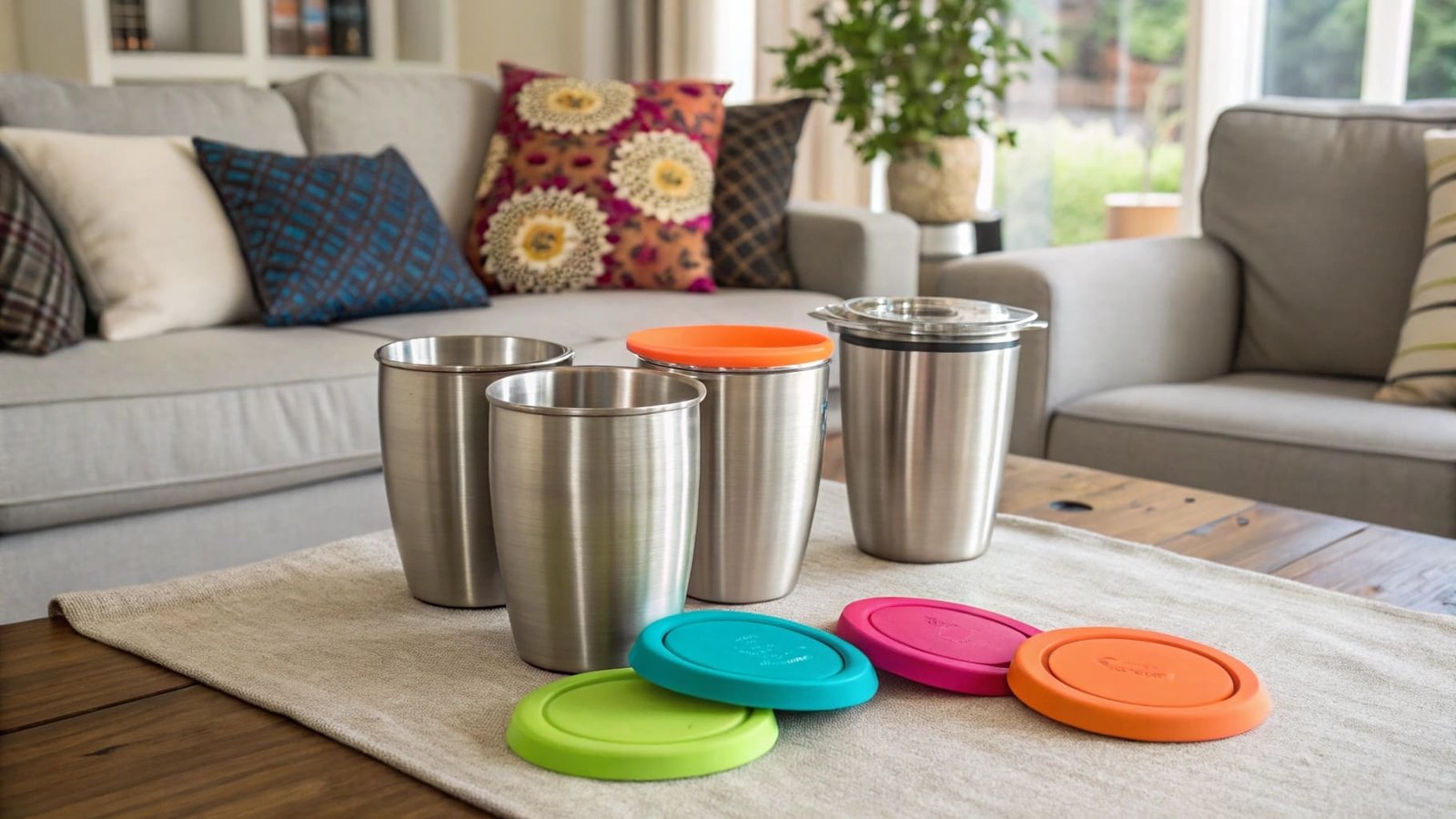
When Mark first contacted me about silicone stretch lids1, he asked one question that changed everything. He wanted to know how I test compression set resistance. That conversation taught me most suppliers skip this critical step. They focus on price and ignore the science behind long-term performance. I decided to dig deeper into compression set testing because quality matters more than quick profits.
What is the compression set of silicone rubber?
You stretch a silicone lid over a container and it bounces back. But does it bounce back completely? That is what compression set measures. Most buyers never ask this question until problems appear.
Compression set is the permanent deformation that stays in silicone after you compress it and release the pressure. For high-quality food-grade silicone2, the compression set value should stay below 25% after 22 hours at 175°C. Lower numbers mean better recovery and longer product life.
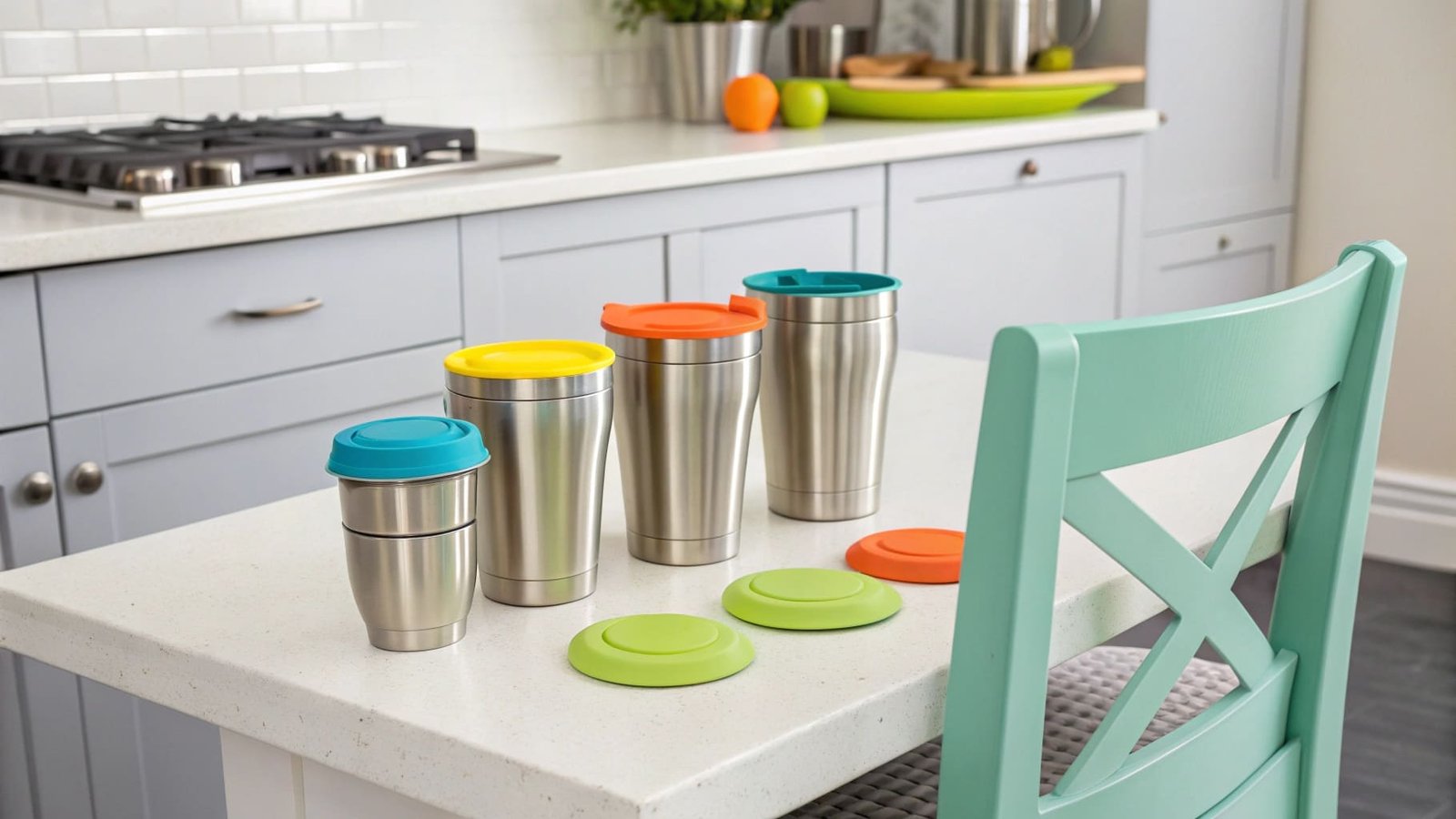
I remember testing samples from three different suppliers last year. All three claimed they used premium silicone. I sent the samples to a lab for compression set testing3. The results shocked me. Supplier A showed 18% compression set. Supplier B showed 32%. Supplier C showed 45%. The price difference was only 8% between them.
Here is what these numbers mean for your business:
| Compression Set Value | Performance Level | Expected Lifespan | Suitable for B2B? |
|---|---|---|---|
| Below 20% | Excellent | 3+ years | Yes |
| 20-25% | Good | 2-3 years | Yes |
| 25-35% | Average | 1-2 years | Depends |
| Above 35% | Poor | Under 1 year | No |
The compression set happens because polymer chains in silicone break down under pressure and heat. Think of it like a spring that gets weaker each time you compress it. Good silicone has strong cross-links between polymer chains. These cross-links help the material return to its original shape. Bad silicone has weak cross-links. The material stays deformed after compression.
Does silicone lose elasticity over time?
I get this question from every new customer. They want stretch lids that last. But they worry about elasticity loss. The truth is more complex than a simple yes or no answer.
Premium silicone maintains 80-90% of its original elasticity after two years of regular household use. However, three factors cause gradual degradation: UV exposure breaks down polymer chains, thermal cycling weakens molecular bonds, and mechanical fatigue from repeated stretching reduces spring-back ability.
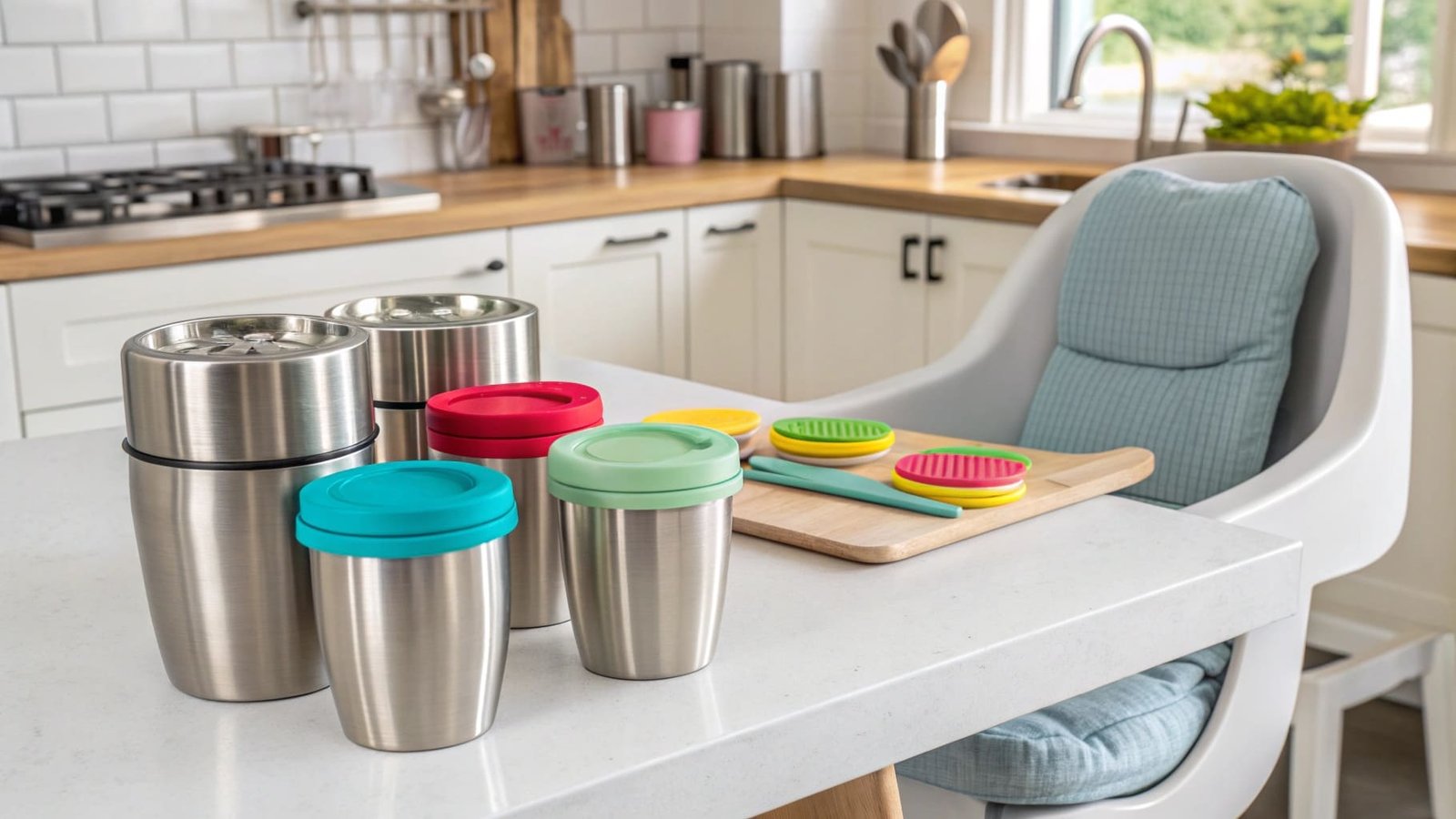
Last summer I ran a field test with twenty families in Toronto. Mark helped me organize it. Each family received silicone stretch lids and agreed to use them daily. I asked them to track how often they stretched the lids and how tight the seal felt. After six months, I collected the lids and sent them for elasticity testing.
The results taught me valuable lessons. Lids stored in direct sunlight showed 30% elasticity loss. Lids used in dishwashers every day showed 15% loss. Lids hand-washed and stored in drawers showed only 8% loss. The material formula was identical across all samples. The usage conditions made the difference.
Here are the three main degradation mechanisms you need to understand:
UV Exposure Damage: Ultraviolet light breaks the silicon-oxygen bonds in the polymer chain. I saw this happen with lids left on outdoor patio tables. After three months in summer sun, these lids became brittle and tore easily. The lesson is clear. You need UV stabilizers in your silicone formula if customers might use lids outdoors or near windows.
Thermal Cycling Effects: Every time silicone goes from hot to cold and back, the material expands and contracts. This movement creates micro-cracks in the polymer structure. Dishwasher use accelerates this process because the temperature swing is extreme. I now recommend heat stabilizers for any stretch lid designed for dishwasher use.
Mechanical Fatigue: Stretching a lid over a container edge causes stress concentration points. After 500 stretch cycles, these points show visible wear. After 1000 cycles, the material starts losing its snap-back ability. Quality silicone formulations include reinforcing fillers that distribute stress more evenly across the material.
How to check compression set in rubber?
Most suppliers tell you their silicone is high quality. But they cannot show you test data. I learned to ask for specific test reports before placing orders.
The ASTM D395 Method B test provides reliable compression set measurements. You compress samples to 25% deflection at 70°C for 22 hours, then measure permanent deformation after 30 minutes of recovery. For stretch lids, request cyclic testing that simulates 1000+ stretch cycles before compression set measurement.
I made a costly mistake two years ago. A supplier sent me certificates claiming their silicone met all standards. I trusted the documents and ordered 5000 units. When the shipment arrived, I did random spot checks. The lids felt good and stretched well. I approved the shipment and sold the lids to distributors across North America.
Three months later, complaints started flooding in. The lids were not sealing properly. Customers could not get tight fits on their containers. I collected samples from customers and sent them to my lab. The compression set values were terrible. Most samples showed 40-50% permanent deformation. The supplier had sent fake certificates.
This experience taught me to verify everything. Now I follow a strict testing protocol:
Step 1 - Request Pre-Production Samples: Before placing any order, I ask suppliers for samples. These samples must come from their actual production line, not special batches made just for testing. I learned this trick after discovering some suppliers send perfect samples but ship inferior products.
Step 2 - Third-Party Lab Testing: I never trust supplier test reports anymore. I send samples to independent labs that follow ASTM D395 standards. The test costs $200-300 per sample. This investment saves thousands in potential losses.
Step 3 - Cyclic Testing Protocol: Standard compression set tests do not simulate real-world use. I created a custom protocol with my lab. They stretch the sample 1000 times over a container rim, then run the compression set test. This reveals how the material performs after actual use.
Step 4 - Incoming Quality Control: Every shipment gets tested. I pull random samples and run quick compression tests in my facility. I use a simple fixture that compresses the silicone to 25% deflection for 24 hours at room temperature. After release, I measure the thickness. If permanent deformation exceeds 5%, I reject the shipment.
Mark once asked me why I spend so much on testing. He worried the costs would make my prices uncompetitive. I showed him my customer retention rate. It is 94%. My competitors average 60-70%. The testing investment pays for itself through repeat orders and positive referrals.
Conclusion
Compression set testing protects your business and your reputation. I test every batch because quality builds long-term relationships. The small investment in proper testing prevents expensive failures and unhappy customers downstream.
-
Explore how silicone stretch lids function to maintain freshness and prevent spills, enhancing your kitchen experience. ↩
-
Discover the significance of food-grade silicone in ensuring safety and quality in kitchen products. ↩
-
Find out how compression set testing is conducted to ensure the performance of silicone products. ↩