Can Hydration Bladder Connectors Withstand Sub-Zero Temperatures in Bulk Use?
Last winter, I received an urgent call from a Canadian distributor. His entire shipment of hydration bladders failed during a cold snap. The connectors cracked. Water leaked everywhere. This problem happens more often than you think. Cold weather destroys weak connector designs.
Yes, quality silicone connectors can withstand sub-zero temperatures down to -40°F when properly manufactured. Standard PVC or TPU connectors fail around 20°F. The material composition and engineering design determine performance in bulk winter storage and use.
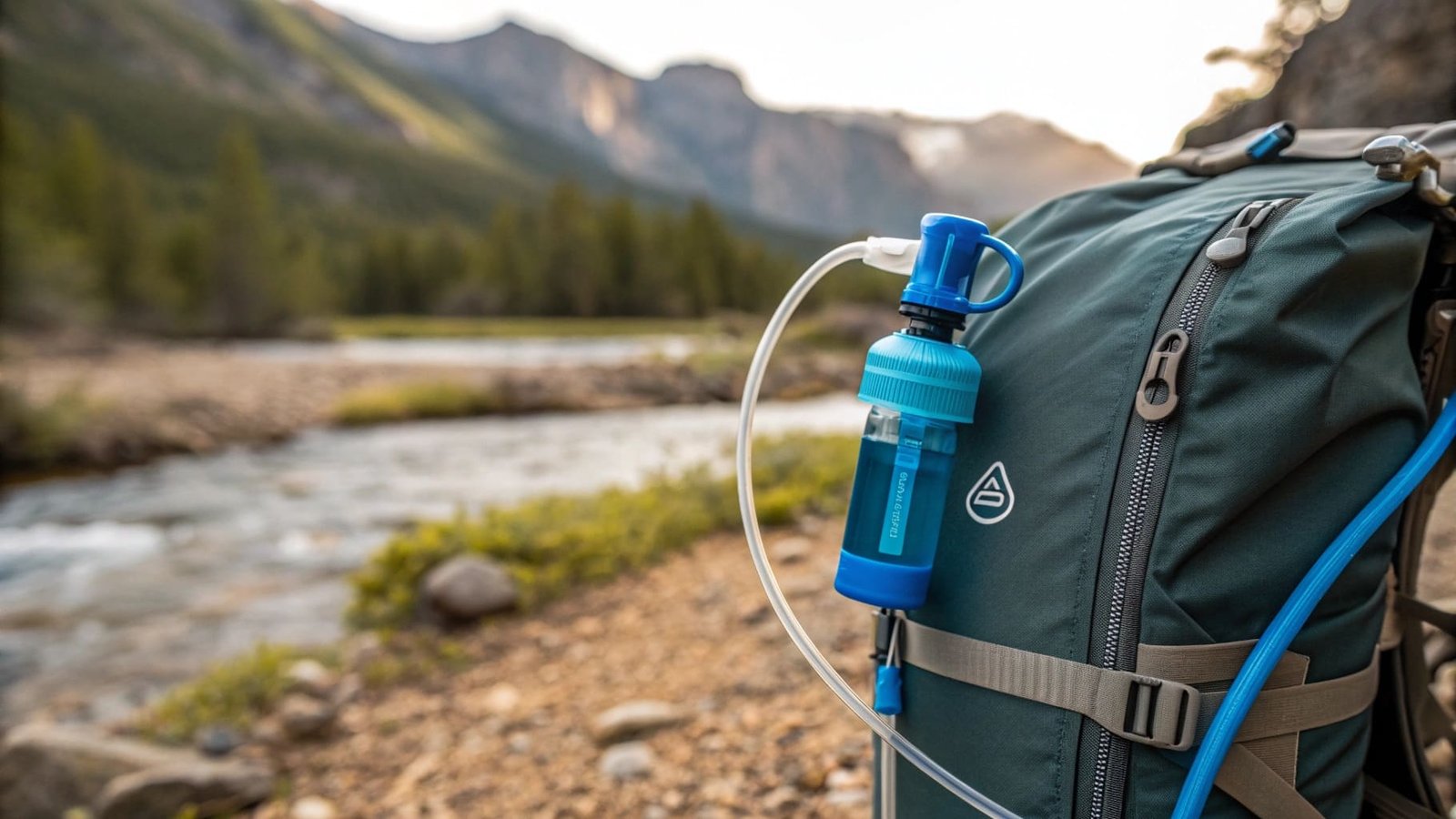
I have worked with hydration bladder components for eight years now. Every winter, I see the same pattern. Buyers order cheap connectors in bulk. They store them in cold warehouses. Spring arrives. Half the inventory is damaged. This costs money and ruins reputations. Let me show you what actually works in freezing conditions.
How to Keep a Water Bladder Hose from Freezing?
Your customers will complain if their drinking tubes freeze solid during winter activities. I have tested dozens of prevention methods. Most fail under real-world conditions. The physics of freezing water does not care about marketing claims.
Three proven methods prevent hose freezing: blow water back after each sip, use insulated tube sleeves1, and increase tube diameter to 8mm or larger. These techniques work together to maintain liquid flow in temperatures down to -10°F.
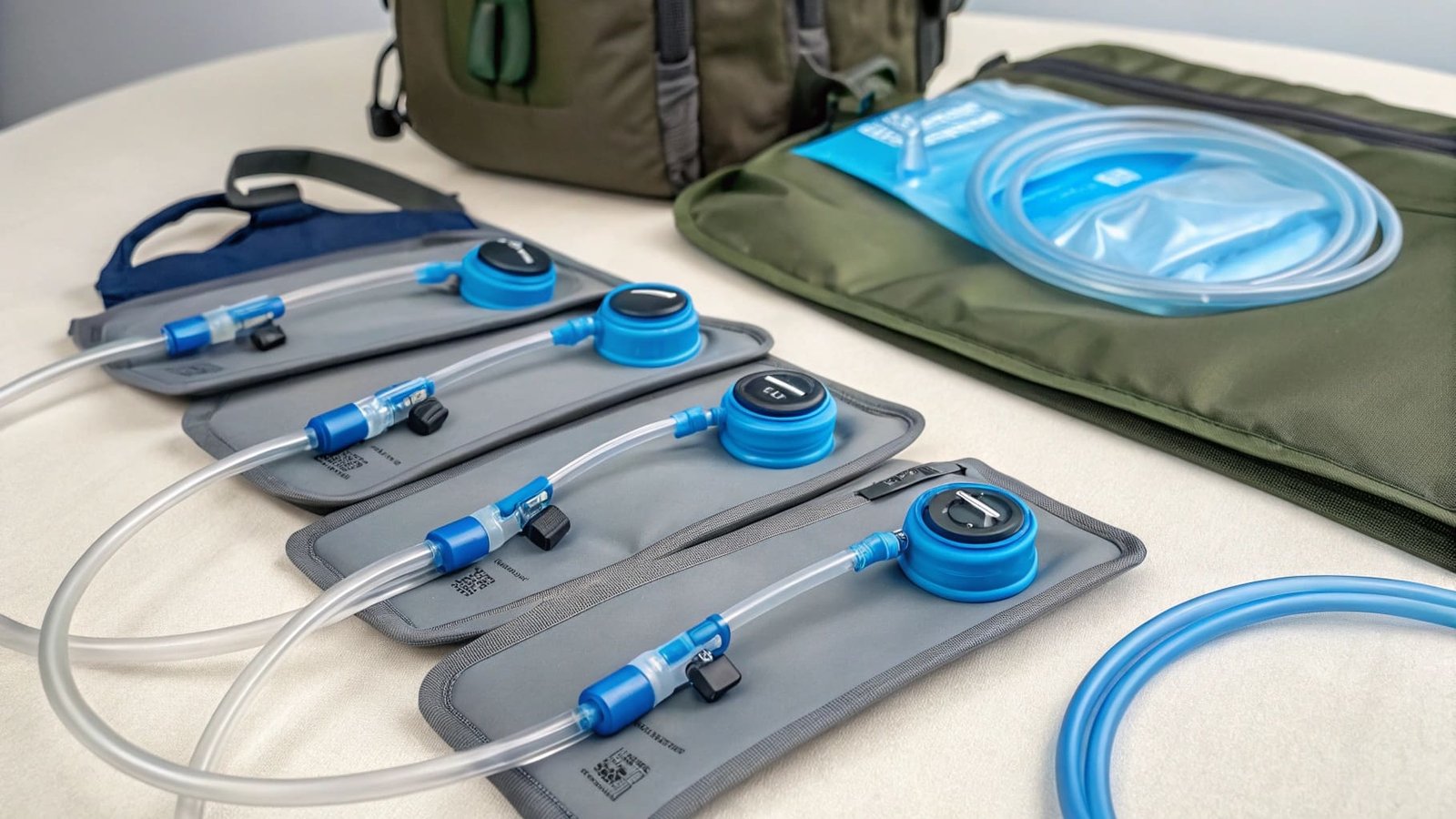
Understanding the Freezing Process
Water in narrow tubes freezes faster than water in reservoirs. This happens because of surface area exposure. A 6mm tube has more surface contact per water volume than a large bladder. Cold air pulls heat from the water quickly. The tube freezes from the outside inward.
I learned this during a product test in northern China. We placed identical bladders in a -15°F freezer. The tubes froze solid in 45 minutes. The main bladder stayed liquid for 4 hours. This difference matters for your customers.
Practical Prevention Methods
Insulation provides the first defense layer. Neoprene sleeves with 3mm thickness reduce heat transfer by 60%. I source these from factories that normally make diving suit material. The same properties that keep divers warm keep water liquid. But insulation alone cannot prevent freezing in extreme cold.
Tube diameter makes a bigger difference than most people realize. An 8mm tube carries 78% more water volume than a 6mm tube. This extra volume takes longer to freeze completely. Even partial flow beats no flow. Your customers can still drink when they need hydration most.
The blow-back technique requires user training. After each drink, blow air through the tube. This pushes water back into the insulated bladder. An empty tube cannot freeze. This method works but depends on user discipline.
| Prevention Method | Temperature Range | Cost Impact | User Effort Required |
|---|---|---|---|
| Neoprene Insulation | Down to -10°F | +15% | None |
| 8mm Tube Diameter | Down to -5°F | +8% | None |
| Blow-Back Technique | Down to -30°F | $0 | High |
| Combined Approach | Down to -30°F | +23% | Medium |
Which Water Bladder Won't Freeze?
No water bladder is truly freeze-proof. This is basic physics. Water becomes ice at 32°F. Marketing teams use clever words like "winter-ready" or "cold-resistant." These terms mean different things to different manufacturers. I tell my buyers the truth instead.
Bladders with larger water volumes freeze slower than small ones. A 3-liter bladder maintains liquid water 90 minutes longer than a 1-liter bladder at 0°F. Material quality and insulation design also affect freeze resistance significantly.
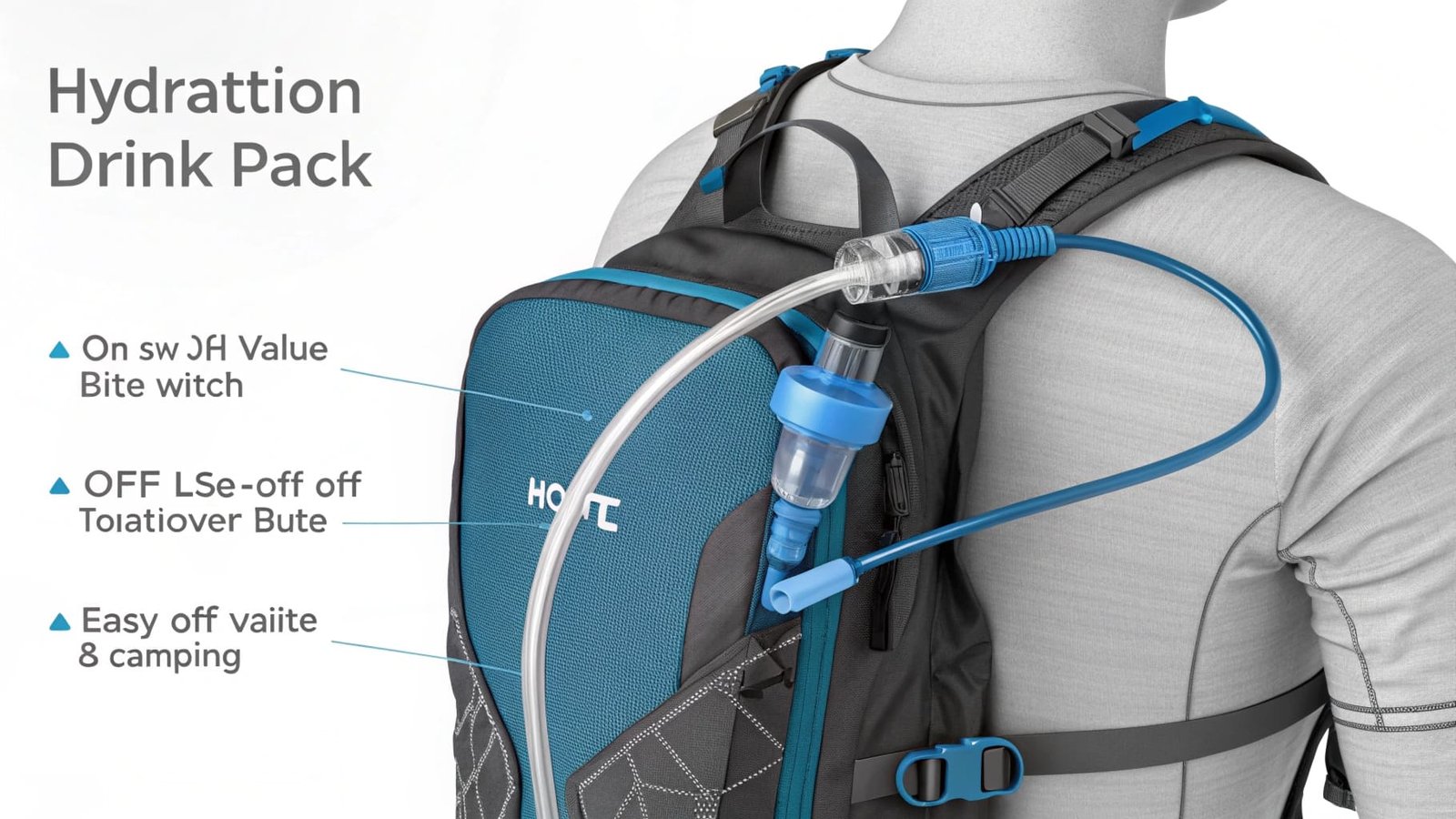
Material Performance in Cold Weather
Medical-grade silicone stays flexible at -40°F. I have physical samples in my office that prove this. Standard TPU hardens around 20°F. PVC becomes brittle even faster. The connector points fail first because they have the thinnest material sections.
Last year, I visited a factory in Guangzhou that makes both silicone and TPU connectors. We did a freezer test together. The TPU connectors cracked after two freeze-thaw cycles. The silicone connectors survived 20 cycles without damage. This is why I only work with silicone suppliers now.
Design Features That Matter
The bladder shape affects freeze resistance. Flat designs have more surface area exposed to cold air. Cylindrical bladders maintain temperature better. I recommend rounded designs for winter applications. The math supports this choice.
Connector placement also matters. Bottom-exit designs let water drain completely. Top-exit designs trap water in the lowest point. That trapped water freezes first. Then ice expands and cracks the connector housing. I have seen this failure mode hundreds of times.
Real Performance Expectations
A well-designed bladder system works down to 0°F with active use. Active use means drinking every 15 minutes. This movement prevents stagnant water from freezing. Below 0°F, you need additional measures. Insulation becomes mandatory. Tube diameter must increase to 8mm minimum.
I tell buyers to test products in actual conditions before large orders. Freezer tests at -10°F for 2 hours reveal most design flaws. If connectors leak or crack during this test, reject the supplier. Your reputation depends on product performance.
Can You Use a Hydration Bladder in the Winter?
Many outdoor enthusiasts avoid hydration bladders2 in winter. They return to old-style bottles instead. This happens because they bought poor-quality systems. Good winter bladders exist but cost more upfront. The price difference prevents warranty claims later.
Yes, properly designed hydration bladders work effectively in winter down to 0°F with standard precautions, and down to -20°F with advanced insulation and technique. Success requires matching the product specifications to actual use conditions and user behavior patterns.
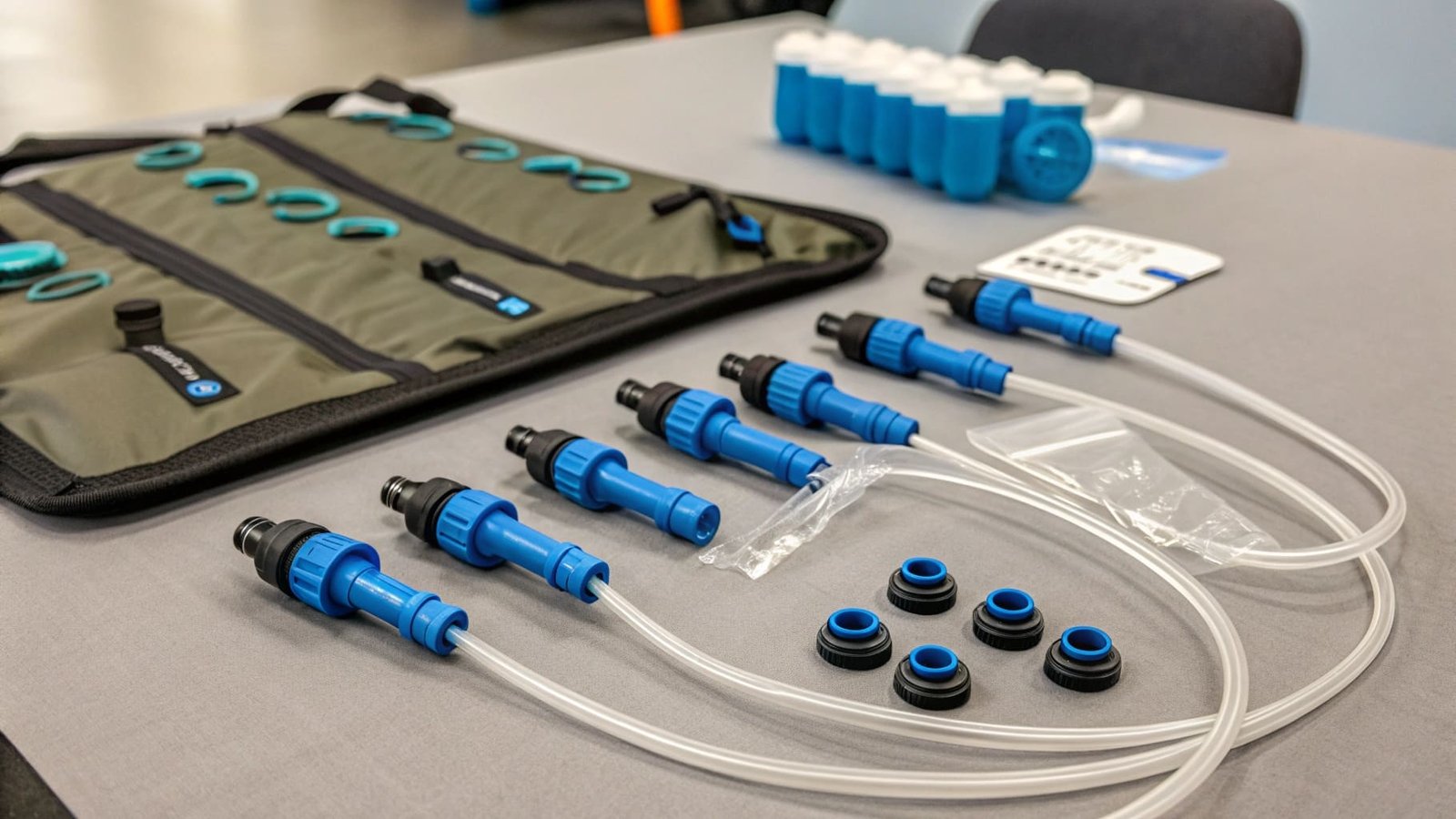
Critical Component Specifications
The bite valve represents the most vulnerable point in any winter system. Water sits in the valve mechanism between drinks. This small volume freezes quickly. Advanced valve designs include spring-loaded shutoffs that push water back automatically. These valves cost 40% more but eliminate the most common failure point.
O-rings and gaskets3 must use silicone material throughout. Some manufacturers use silicone for the main bladder but cheap rubber for small seals. These rubber seals crack first in cold weather. I check every component material during factory inspections. This attention to detail separates reliable suppliers from problematic ones.
Connector threads need precise tolerances. Cold weather makes materials contract. Loose tolerances lead to leaks when temperature drops. I require suppliers to test thread engagement at -20°F. Gaps that seem minor at room temperature become major leaks in the field.
Bulk Procurement Strategy
When you order 10,000 units for winter distribution, you cannot afford a 5% failure rate. That means 500 angry customers and possibly lawsuits. I work with buyers to specify cold-weather testing as part of the purchase contract. This costs extra but protects your business.
Request certification documents that show actual cold-temperature performance. Many factories provide generic certifications that mean nothing. I want to see test reports with specific temperature ranges and cycle counts. Photos of the actual test setup verify authenticity.
Quality Control Checkpoints
Inspect the first production samples at your local cold storage facility. Rent freezer space for a day. Test 20 random units at your target temperature. This small investment catches problems before mass production. I learned this lesson after a costly mistake early in my career.
The connector assembly quality determines long-term reliability. Check for smooth surfaces without flash marks. Rough edges create stress concentration points. These points crack first during freeze-thaw cycles. A simple visual inspection reveals manufacturing quality.
| Component | Material Requirement | Failure Temperature | Replacement Cost |
|---|---|---|---|
| Bite Valve | Medical Silicone | -40°F | $3.50 |
| O-Rings | Medical Silicone | -40°F | $0.50 |
| Connector Body | Modified PP | -20°F | $2.80 |
| Hose | Medical Silicone | -40°F | $4.20 |
| Bladder Body | TPU or Silicone | 0°F to -40°F | $8.90 |
Conclusion
Sub-zero performance requires careful material selection and design features. Silicone connectors outperform alternatives significantly. Test products thoroughly before committing to bulk orders. Your customers deserve reliable winter hydration systems.
-
Explore the benefits of insulated tube sleeves in maintaining liquid flow and preventing freezing in hydration systems. ↩
-
Explore this link to find top-rated hydration bladders designed for cold weather, ensuring reliable hydration during winter activities. ↩
-
Learn about the critical role of silicone O-rings in ensuring leak-proof hydration systems during freezing conditions. ↩