Which Fabric Tumbler Sleeve with Adjustable Strap Suits European Markets?
European buyers face a growing problem with disposable coffee sleeves. These single-use items contradict EU sustainability goals. I see this shift happening fast. The solution lies in fabric tumbler sleeves1 with adjustable straps that meet strict European standards.
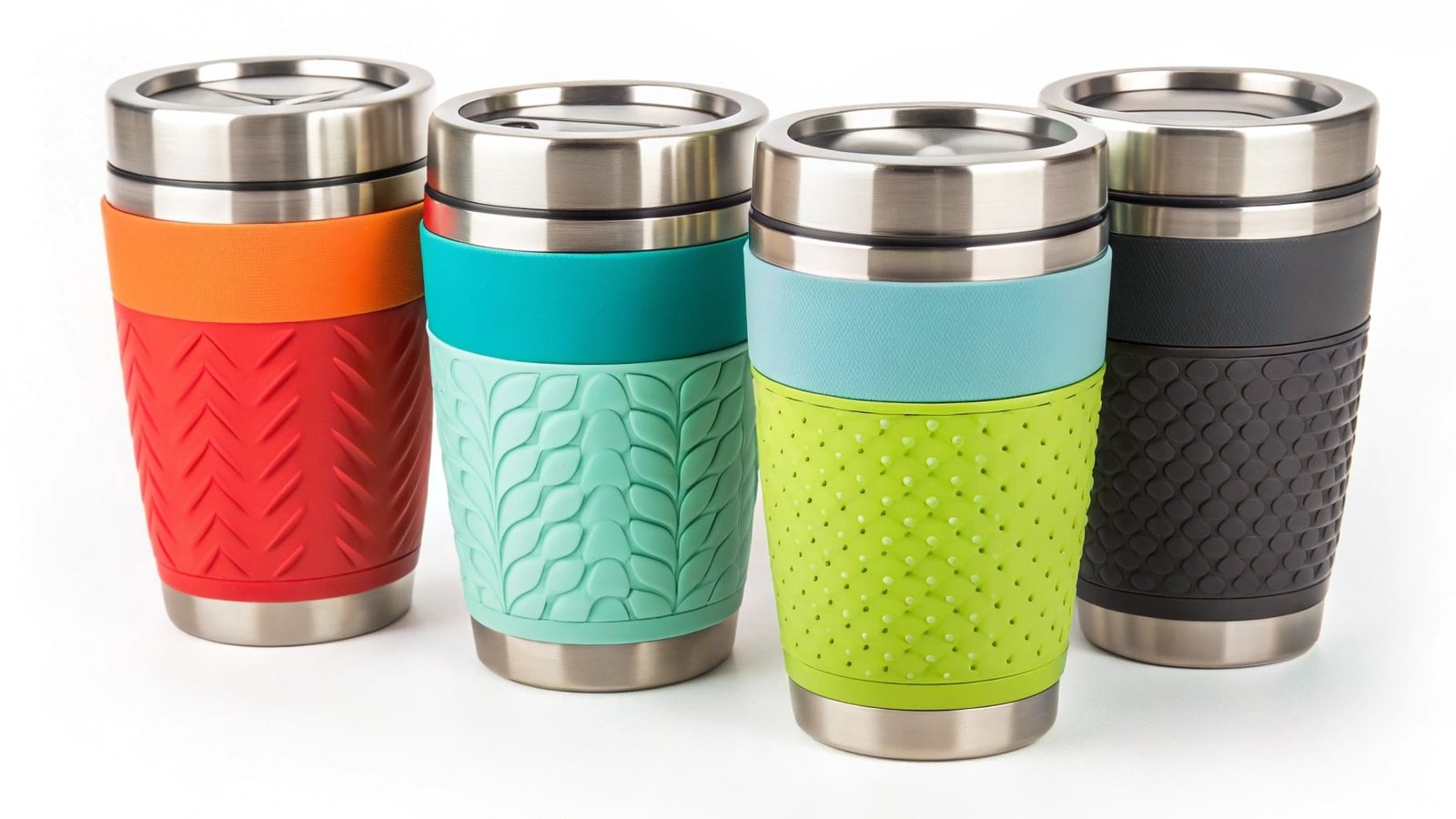
Fabric tumbler sleeves with adjustable straps suit European markets when they combine washable organic materials, food-grade silicone grips2, and transparent compliance documentation. These sleeves must meet REACH regulations, offer brand customization, and provide multi-functional value beyond basic insulation.
I work with many European distributors at silijoy. They all tell me the same thing. The demand for reusable drinkware accessories keeps growing. This trend is not just a fad. It reflects deep changes in how European consumers think about waste.
What is the purpose of cardboard sleeves on coffee cups?
Cardboard sleeves protect hands from hot beverages. But I see their limitations every day. They create waste and offer no reuse value. European markets are moving away from this model because it fails sustainability tests.
Cardboard sleeves serve as disposable heat barriers between hot cups and hands. They prevent burns during coffee consumption but contribute to single-use waste streams that European regulations increasingly restrict through extended producer responsibility mandates.
I remember visiting a coffee chain in Amsterdam last year. The manager showed me their waste bins. Cardboard sleeves filled half the space. He said customers ask why they still use disposable items. This conversation stuck with me because it shows the disconnect between old solutions and new expectations.
The traditional cardboard sleeve was invented in the 1990s. It solved a simple problem. Coffee cups were too hot to hold. But the solution created another problem. Every sleeve gets thrown away after one use. In Europe, where waste management costs keep rising, this model makes no economic sense. The EU's Circular Economy Action Plan pushes businesses to find alternatives. Coffee shops face pressure from both regulators and customers.
I tell my European clients something important. The cardboard sleeve represents old thinking. It treats products as disposable by design. European markets now reward companies that design for reuse. This shift changes everything about how we source drinkware accessories.
What are the three basic sleeves?
The drinkware accessory market divides into three main categories. Each type serves different needs and price points. Understanding these categories helps buyers make informed decisions. I guide my clients through these options based on their target markets.
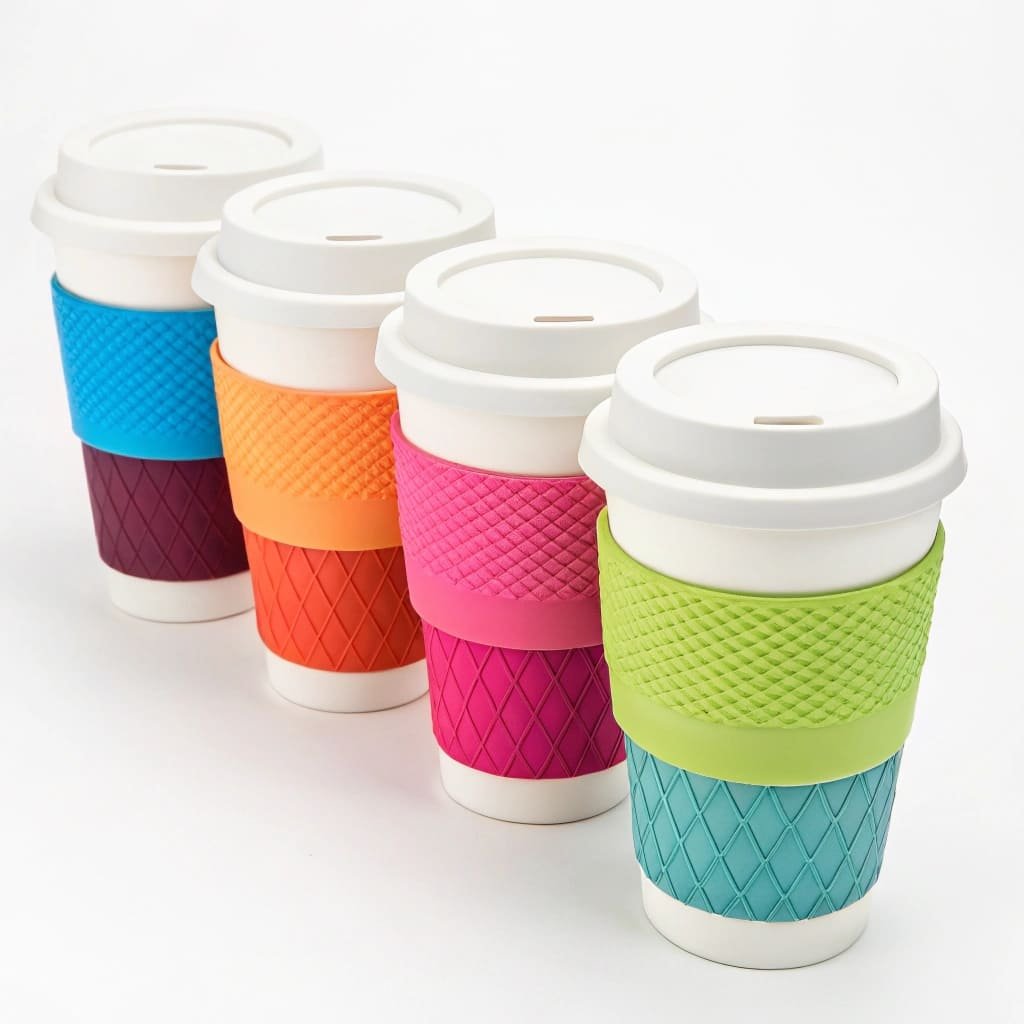
The three basic sleeves are disposable cardboard sleeves, neoprene or foam sleeves3, and fabric sleeves with silicone components or adjustable straps. Each category offers distinct advantages in cost, insulation, breathability, and reusability that appeal to different market segments.
Let me break down each category based on what I see in real procurement decisions. The differences matter more than most buyers realize at first.
| Sleeve Type | Key Features | European Market Fit | Price Range |
|---|---|---|---|
| Cardboard | Single-use, low cost, basic insulation | Declining due to waste regulations | €0.02-0.05 per unit |
| Neoprene/Foam | Reusable, good insulation, limited breathability | Moderate appeal, fitness market | €1.50-3.00 per unit |
| Fabric with Silicone | Premium reusability, customizable, multi-functional | High growth segment | €2.50-5.00 per unit |
The first category includes all disposable options. These work for low-margin operations. But European retailers increasingly avoid them. The regulations make disposal expensive. The brand image suffers too.
The second category offers basic reusability. Neoprene sleeves insulate well. But they have problems. They trap moisture between the sleeve and cup. They cannot be easily washed. They limit branding opportunities because printing on neoprene costs more and looks less premium.
The third category is where I focus my attention for European clients. Fabric sleeves with silicone grips combine several benefits. They wash easily in standard machines. They accept high-quality printing for brand logos. The adjustable straps add functionality. Users can attach them to bags or belt loops. This hands-free option matches European lifestyle preferences, especially in cycling-friendly cities.
How to tell if a card sleeve has PVC?
PVC content poses serious compliance risks in European markets. I cannot stress this enough to new importers. The EU's REACH regulations restrict many chemicals found in PVC. Getting stopped at customs costs money and damages relationships. Smart buyers check materials before placing orders.
To determine PVC content, request material certifications from suppliers, conduct phthalate testing through accredited labs, or use basic identification methods like checking for stiffness and chemical odor when heated. European market entry requires ROHS or REACH compliance documentation regardless of testing results.
I learned about PVC detection the hard way. One of my early clients received a shipment rejection in Germany. The customs authority found restricted phthalates in the silicone components. The entire order sat in a warehouse for weeks. The retailer cancelled the contract. Since then, I built strict testing protocols into our process at silijoy.
Here are the practical methods I use:
Documentation Review: I always request complete material safety data sheets before production starts. These sheets must list all chemical components. If a supplier hesitates to provide these documents, I see that as a red flag. European customs officers know what to look for. They will test random shipments.
Laboratory Testing: I work with testing facilities in Germany and France. They run phthalate screenings on sample materials. The cost is around €200-400 per test. This seems expensive until you compare it to losing a €50,000 shipment. The tests take about five business days.
Physical Inspection: PVC has telltale signs. It feels stiffer than food-grade silicone. When you bend it repeatedly, PVC shows white stress marks. Food-grade silicone returns to its original state. If you heat a small sample slightly, PVC emits a distinct chemical smell. Silicone does not.
Supplier Verification: I visit factories when possible. Legitimate suppliers who work with European markets already have REACH compliance systems. They understand the stakes. They invest in proper materials because they want long-term relationships. Suppliers who seem confused by compliance questions usually lack the capability to serve European markets reliably.
Mark, my Canadian client, learned this lesson too. He once sourced tumbler accessories from a supplier who claimed REACH compliance. The certificates looked real. But when his German retailer tested the products, they failed. The phthalate levels exceeded EU limits. Mark lost both money and credibility. Now he insists on independent lab testing before every order.
Conclusion
European markets demand fabric tumbler sleeves that combine sustainability, compliance, and functionality. Success requires understanding regulations, choosing proper materials, and working with suppliers who prioritize transparent documentation over shortcuts.