Can Self-Adhesive Rubber Seals Replace Traditional Gasket Strips for OEM?
You're running a production line. Costs are climbing. Your team spends too much time on adhesive application. You wonder if there's a smarter way to seal.
Self-adhesive rubber seals can replace traditional gasket strips in many OEM settings, but not all.1 The right choice depends on your production volume, surface conditions, and how much risk you can accept if a seal fails in the field.
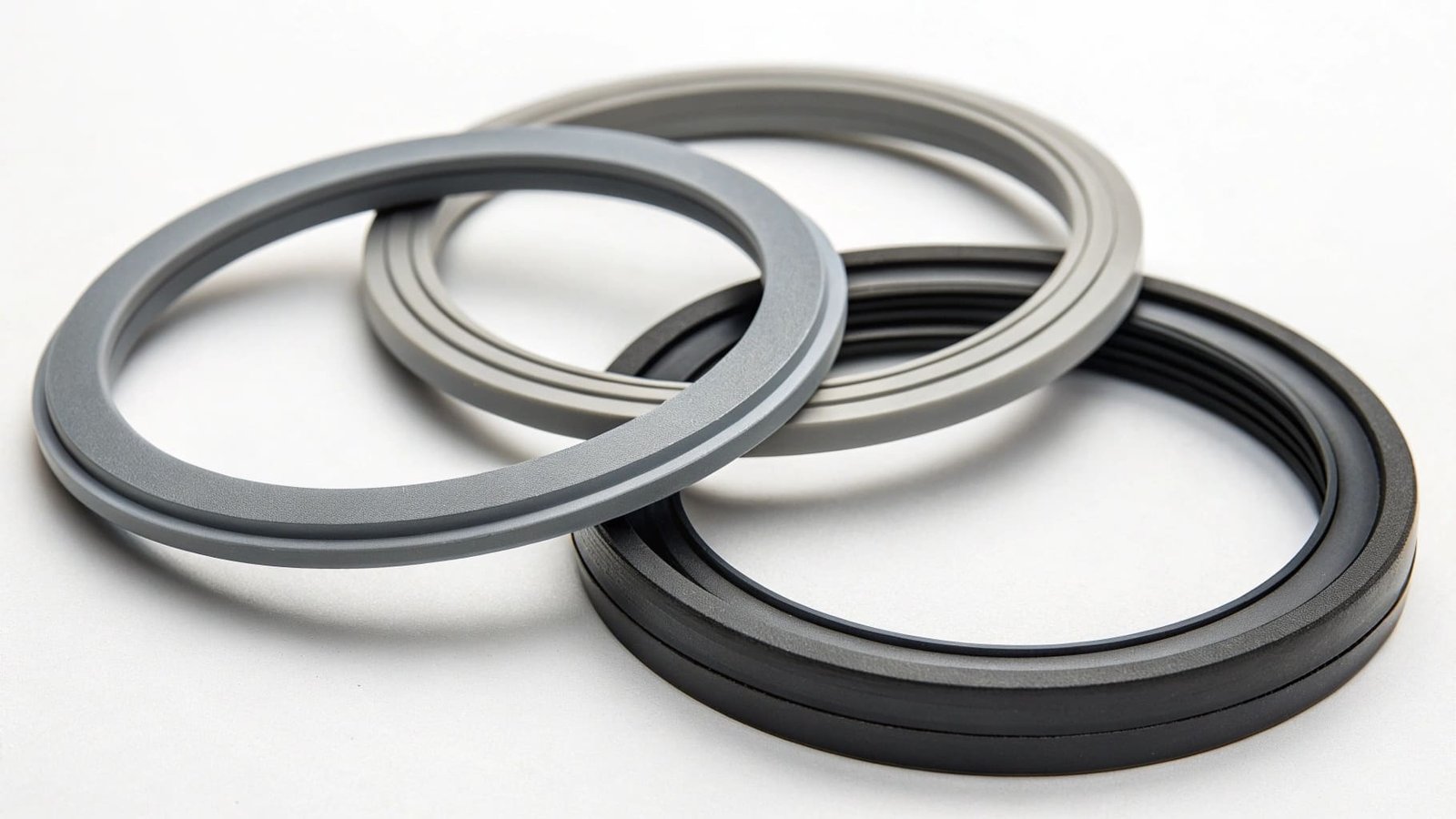
I've spent years working with OEM manufacturers on sealing solutions. One thing I keep seeing is the same question come up: is it finally time to drop the old gasket strip and go with something simpler? The answer isn't a clean yes or no. It depends on where you stand in your production process, and what you're willing to test before you commit.
What Is Rubber Gasket Adhesive?
You're comparing two sealing systems. One uses a separate adhesive step. The other comes ready to press and stick. If you don't understand the adhesive side, you can't make a fair comparison.
Rubber gasket adhesive is the bonding agent that holds a seal in place on a substrate.2 It comes in three main types: pressure-sensitive adhesives (PSA), heat-activated systems, and two-part chemical bonding agents. PSA is the most common in OEM work because it needs no extra equipment and bonds on contact.3
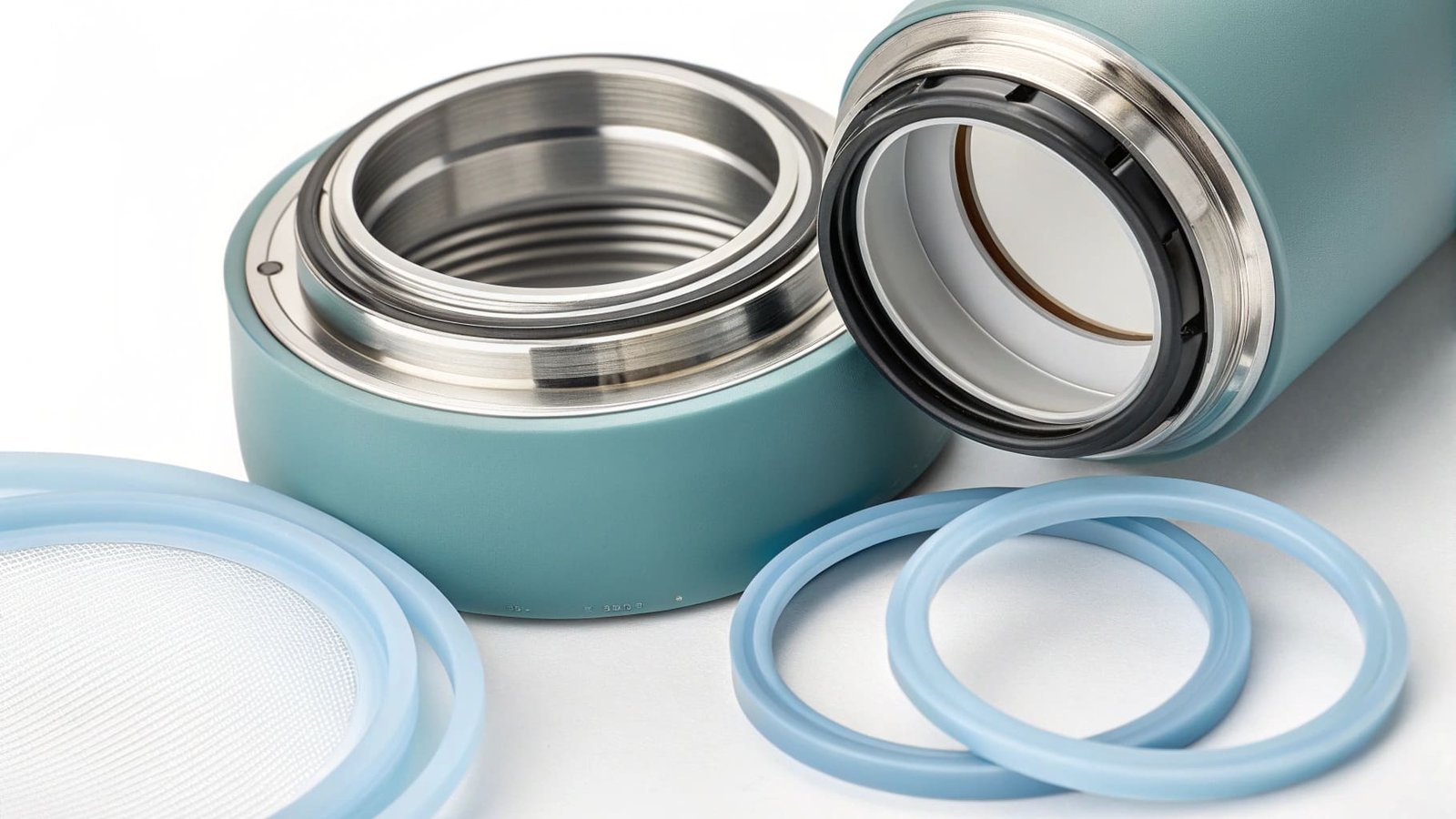
Which Adhesive Type Works Best for OEM Production?
The three adhesive types each serve a different purpose. Here's how they compare in a typical OEM setting:
| Adhesive Type | How It Works | Best For | Key Limitation |
|---|---|---|---|
| Pressure-Sensitive (PSA) | Bonds on contact under light pressure | Manual and semi-auto assembly | Weak on rough or oily surfaces |
| Heat-Activated | Bonds when heat is applied during assembly | High-temp manufacturing environments | Needs heating equipment |
| Two-Part Chemical | Bonds after mixing two compounds | Structural or high-stress joints | Longer cure time, harder to apply consistently |
For most mid-sized OEM operations, PSA-backed seals make the most sense. They cut out the adhesive equipment step. They reduce the training your workers need. They also give you consistent bond strength from one unit to the next, as long as your surfaces are clean.
The part that catches manufacturers off guard is substrate compatibility. PSA works well on powder-coated steel, smooth plastic housings, and similar clean surfaces. But if your surface is rough, textured, or even slightly contaminated with oil or dust, the bond can fail.4 In those cases, a traditional mechanical compression seal might hold up better over time.
I've talked to procurement teams who switched to PSA-backed seals and saw a drop in labor costs right away. Then, six months later, field returns started climbing. The root cause was almost always the same: surface prep was skipped during high-volume runs. That one step—cleaning the substrate before application—makes or breaks the whole system.
How to Make a Rubber Gasket Seal Better?
A seal looks fine when it leaves the factory. Then it fails in the field. This is one of the most frustrating problems in OEM manufacturing, and it usually comes down to three things you can control.
Making a rubber gasket seal perform better means getting three factors right: surface preparation, compression set resistance, and environmental exposure management.5 Most field failures don't come from bad seal material. They come from a dirty surface, wrong compression ratio, or a seal that wasn't built for the environment it ended up in.
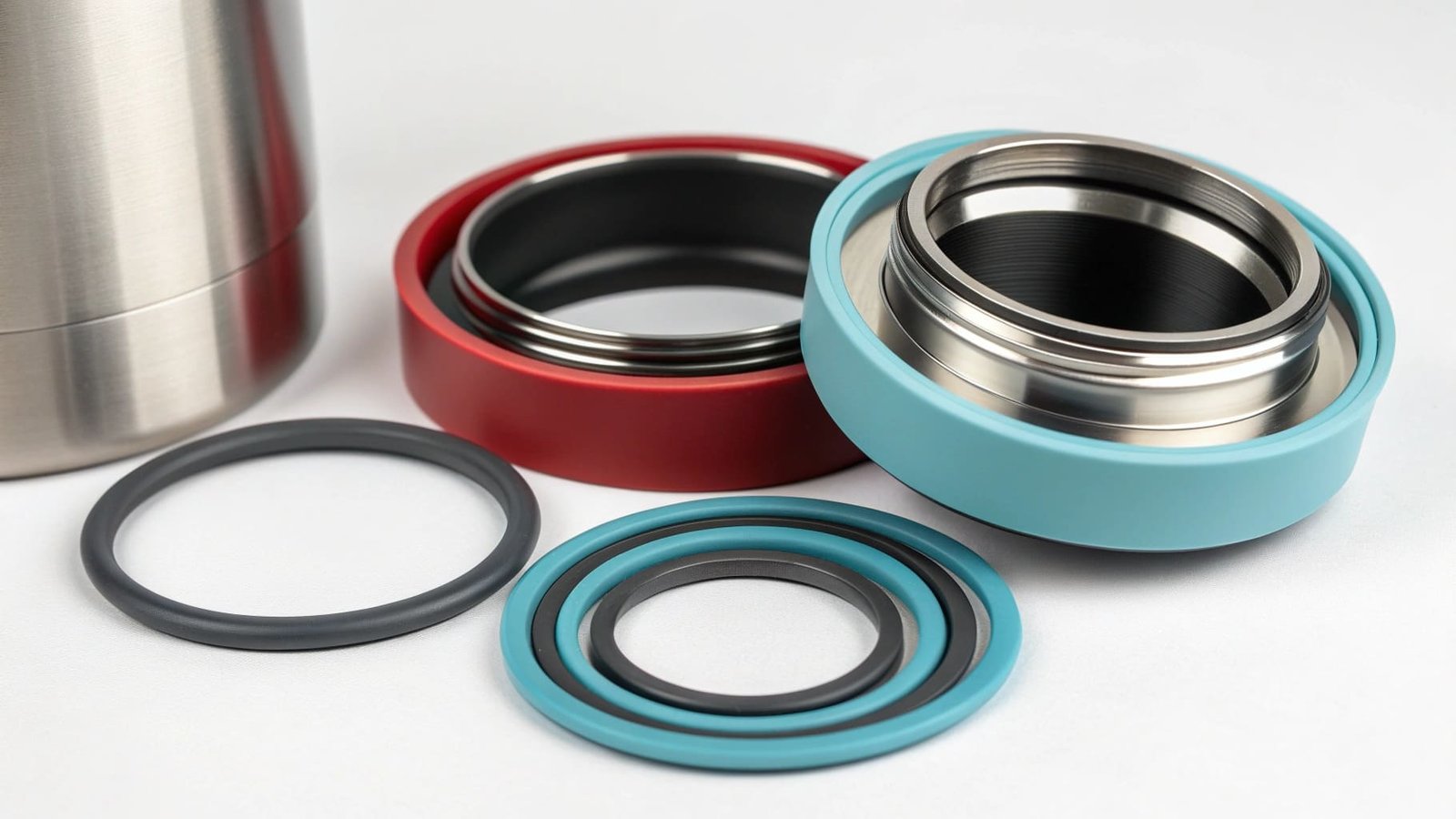
What Are the Biggest Causes of Rubber Seal Failure in OEM?
I've seen this come up in factory audits more times than I can count. The seal itself isn't the problem. The process around it is.
Here's a breakdown of the most common failure causes and what to do about them:
| Failure Cause | Why It Happens | How to Fix It |
|---|---|---|
| Dirty substrate | Oil, dust, or release agent left on surface | Add a cleaning step before seal application |
| Wrong compression ratio | Seal is too thin or too thick for the gap | Match seal thickness to the designed compression range |
| Compression set over time | Seal loses shape under long-term pressure | Use materials with low compression set values |
| Environmental mismatch | Seal exposed to temperatures or chemicals it wasn't rated for | Choose material based on real-use conditions, not just cost |
Surface preparation is the most skipped step in high-volume production. Workers move fast. Cleaning feels like a slow step that doesn't add value. But a PSA-backed seal applied to a surface with even a light film of oil will peel. It won't always fail right away. It fails weeks or months later, which is worse.
Seal geometry is the second factor most people underestimate. A self-adhesive seal that's too thin won't hold enough compression across the product's life. A seal that's too thick can actually prevent the adhesive from making full contact with the substrate. You need to match the seal's cross-section to the gap it's designed to fill. This takes upfront testing, but it saves you from field failures later.
I run a business supplying silicone sealing products, and this is the conversation I have with buyers most often. They want the lowest price. I understand that. But if the seal geometry isn't right for their housing design, even the best material won't help them.
What Can I Use Instead of a Rubber Seal?
Sometimes rubber isn't the right answer. The temperature is too high, the budget is too tight, or the assembly process doesn't support it. You need to know what else is out there.
When rubber seals don't work, OEMs most often turn to silicone foam tapes, EPDM profiles with interlocking designs, or thermoplastic elastomer (TPE) gaskets. Each one solves a specific problem that rubber can't.
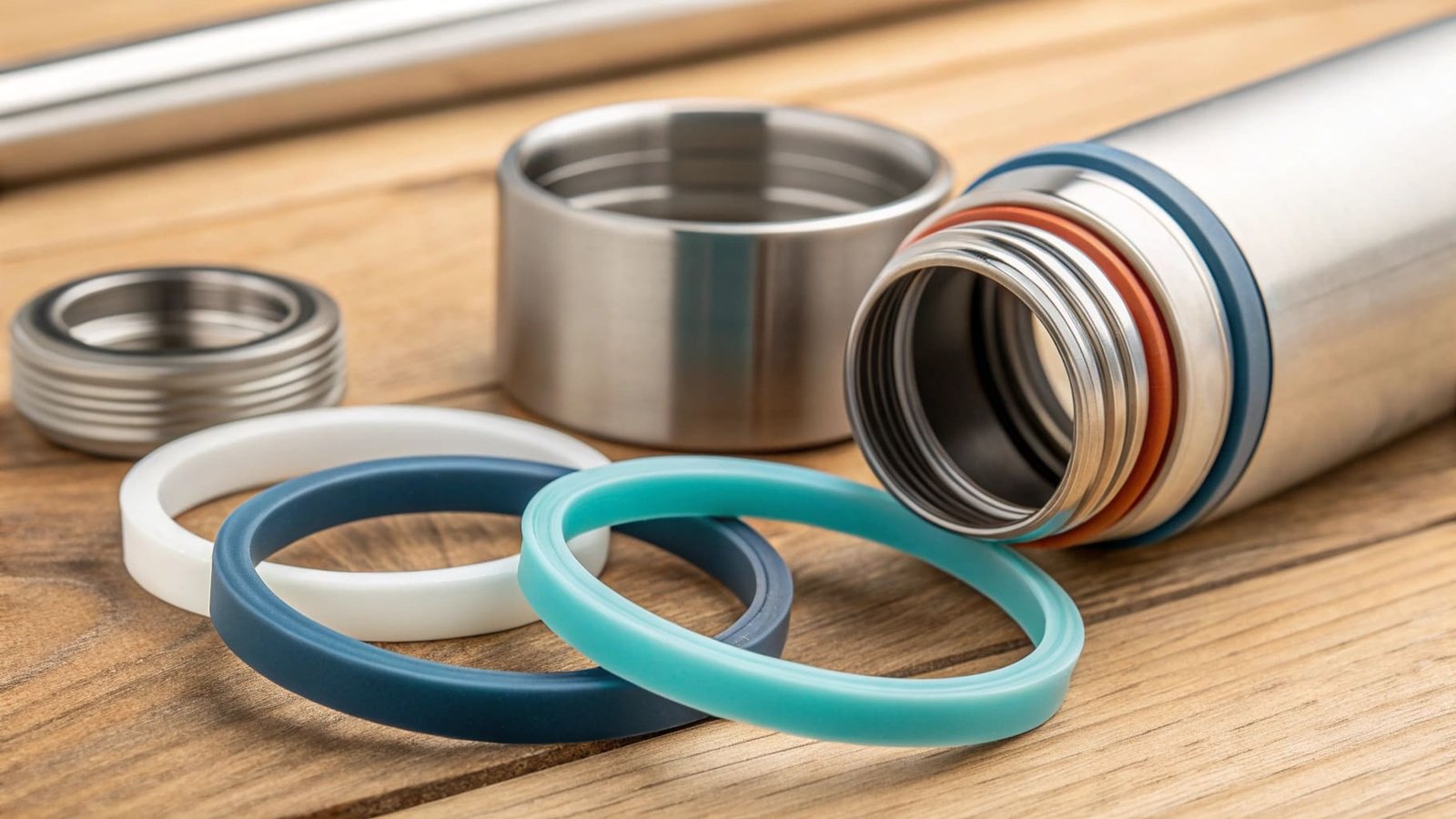
How Do Alternative Sealing Materials Compare to Rubber?
Here's a direct comparison of the main alternatives:
| Material | Key Strength | Best Application | Main Weakness |
|---|---|---|---|
| Silicone Foam Tape | High temperature resistance | Automotive, appliances | Higher cost per meter |
| Interlocking EPDM Profile | No adhesive needed | Enclosures, panel sealing | Requires precise channel design |
| TPE Gasket | Lower cost in high volume | Consumer electronics | Lower durability over time |
| Traditional Rubber Strip | Proven reliability | General industrial use | Needs separate adhesive or fastening step |
Silicone foam tape is the go-to for applications where heat is a real concern.6 If your product runs hot—motors, ovens, automotive engine components—standard rubber will break down. Silicone foam holds its properties at much higher temperatures and still compresses well against irregular surfaces.
Interlocking EPDM profiles take a different approach. They don't rely on adhesive at all. The profile locks into a channel or groove in the housing, and friction and pressure keep it in place. This is a good solution when you want to remove and replace the seal during servicing without damaging the surface. The catch is that your housing design has to be built around this profile from the start. You can't retrofit it easily.
TPE gaskets are the budget choice for consumer electronics and similar high-volume, lower-stress applications. They cost less than rubber compounds and are easy to mold into complex shapes. But they wear faster. If your product needs to last five to ten years in the field, TPE may not hold up the way a solid rubber or silicone seal would.
The decision comes down to what your product will face. I always ask buyers two questions before recommending a material: what temperature range will the seal see, and how many years does the product need to hold up in the field? Those two answers narrow the options fast.
Conclusion
Self-adhesive rubber seals work well in the right conditions. The right choice depends on your surface, your volume, and your product's environment. Test before you scale.
-
"Adhesive Backing for Gaskets and Pads - Stockwell Elastomerics", https://www.stockwell.com/adhesives/. Engineering guidance on gasket and adhesive-backed seal selection supports the view that such seals can replace separate gasket-and-adhesive assemblies in appropriate applications, while selection remains conditional on substrate, operating environment, and mechanical requirements. Evidence role: general_support; source type: institution. Supports: A neutral engineering source should support that adhesive-backed seals can be used for gasketing but require evaluation of substrate, environment, and service conditions.. Scope note: This would support the general engineering principle rather than prove suitability for every OEM product. ↩
-
"Adhesive - Wikipedia", https://en.wikipedia.org/wiki/Adhesive. A standard definition of adhesives describes them as substances applied to surfaces to bind them together, which supports describing gasket adhesive as the bonding agent between a seal and its substrate. Evidence role: definition; source type: encyclopedia. Supports: A reference source should define adhesives as substances used to bond surfaces or substrates together.. ↩
-
"What are Pressure Sensitive Adhesives (PSA)? - Kuraray Elastomer", https://www.elastomer.kuraray.com/blog/pressure-sensitive-adhesive/. Technical literature on pressure-sensitive adhesives explains that PSAs adhere under applied pressure without requiring heat activation or two-part mixing, supporting the stated production advantage. Evidence role: mechanism; source type: research. Supports: A technical source should explain that PSAs form bonds under light pressure without activation by heat, solvent, or separate curing steps.. Scope note: This supports the bonding mechanism and process advantage but may not independently establish that PSA is the most common adhesive in all OEM sectors. ↩
-
"Comparative Mechanical Study of Pressure Sensitive Adhesives ...", https://pmc.ncbi.nlm.nih.gov/articles/PMC9656936/. Research on adhesive bonding indicates that inadequate wetting, surface roughness, and contaminants such as oils or particulates can reduce adhesion and lead to bond failure. Evidence role: mechanism; source type: paper. Supports: A scientific or engineering source should show that rough or contaminated surfaces reduce adhesive wetting and bond strength.. ↩
-
"Characteristics of Elastomer Seals Exposed to Space ...", https://ntrs.nasa.gov/api/citations/20080012742/downloads/20080012742.pdf. Engineering guidance on elastomeric seal design identifies surface condition, compression behavior, and environmental exposure as important variables in gasket performance, supporting the article's three-factor framework. Evidence role: expert_consensus; source type: institution. Supports: An engineering handbook or standards-oriented source should describe surface condition, compression set, temperature, and chemical exposure as major seal-design variables.. Scope note: The source would substantiate the framework generally, not rank these factors for every OEM failure case. ↩
-
"Silicone rubber - Wikipedia", https://en.wikipedia.org/wiki/Silicone_rubber. Materials literature describes silicone elastomers as having comparatively broad thermal stability among elastomeric materials, supporting their use in foam tapes for higher-temperature sealing applications. Evidence role: general_support; source type: research. Supports: A materials-science source should support the high-temperature stability of silicone elastomers used in gaskets and foams.. Scope note: This supports the temperature-resistance rationale but does not prove that silicone foam tape is the dominant choice in every heat-exposed product category. ↩