Where to Buy Rubber Rolls for Industrial Gasket Manufacturing Applications?
Many buyers pick the wrong rubber roll supplier and end up with gaskets that fail early. That mistake costs time, money, and client trust.
The best place to buy rubber rolls for industrial gasket manufacturing is directly from specialized rubber material suppliers or B2B wholesale platforms. Look for suppliers who offer technical data sheets, material certifications, and sample testing before bulk orders. China-based manufacturers are the most common source for cost-effective, high-volume rubber rolls.1
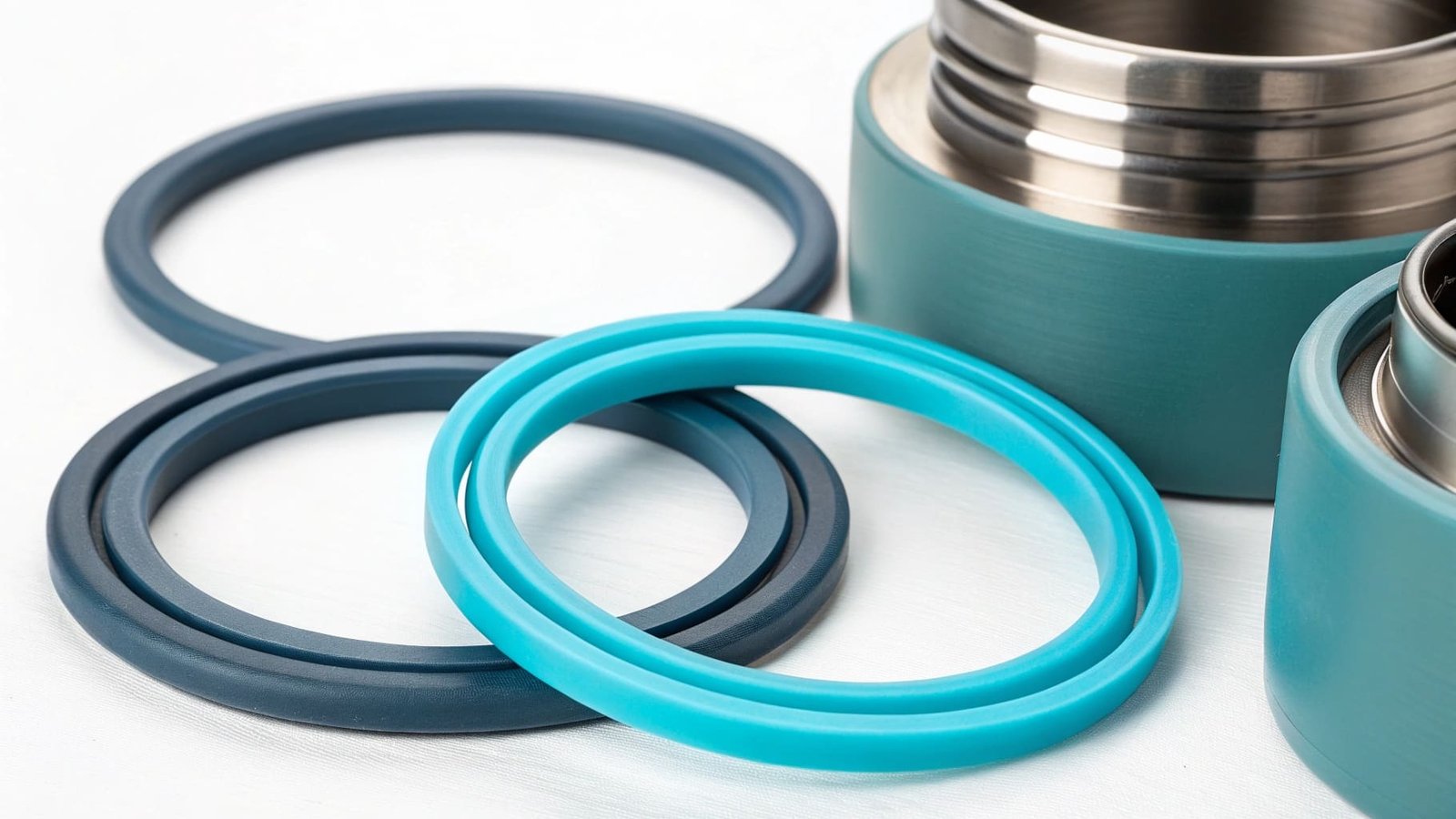
I have worked with many gasket manufacturers and procurement teams over the years. One thing I see over and over again is buyers jumping straight to price without understanding what material they actually need. That leads to bad decisions. The type of rubber you choose matters far more than where you buy it. Get the material wrong, and no supplier can save you. Get it right, and sourcing becomes much easier. So before we talk about where to buy, let us first answer the three questions that will guide every smart purchase decision.
What Are the Three Types of Rubber?
Most buyers assume rubber is rubber. That assumption leads to failed gaskets, production downtime, and wasted budget.
The three main types of rubber used in industrial gasket manufacturing are natural rubber (NR), synthetic rubber (which includes NBR and EPDM), and silicone rubber. Each type performs differently depending on temperature, chemical exposure, and mechanical stress. Choosing the wrong type leads to premature gasket failure.
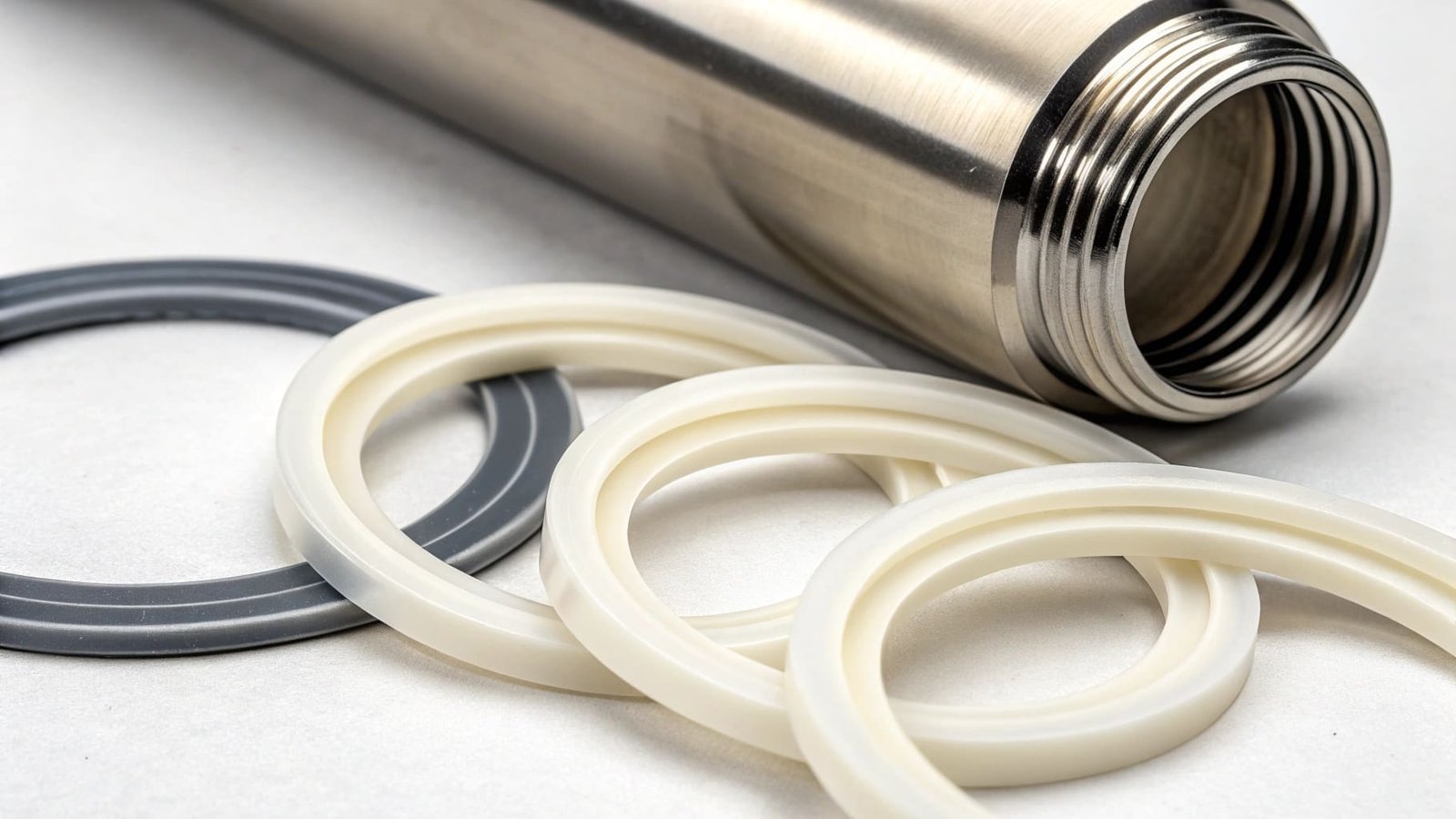
Understanding the difference between these three types is the foundation of any smart sourcing decision. Each type comes from a different origin and serves a different purpose in gasket applications.
Natural Rubber (NR) — What Makes It Useful?
Natural rubber comes from rubber tree latex. It has strong elasticity and high tear resistance. It works well in general-purpose gaskets where temperatures stay moderate and chemical exposure is low. It is the most flexible of the three types in its base form.
Synthetic Rubber — What Problems Does It Solve?
Synthetic rubber is made in a lab to fix the weaknesses of natural rubber. The two most common types in gasket manufacturing are:
- NBR (Nitrile Butadiene Rubber): Built for oil and fuel resistance. Used heavily in automotive and machinery gaskets.
- EPDM (Ethylene Propylene Diene Monomer): Built for weather and ozone resistance. Used in outdoor and roofing gasket applications.
Silicone Rubber — Where Does It Fit?
Silicone rubber handles extreme temperatures better than any other type. It stays flexible from -60°C to 230°C.2 It is the go-to material when a gasket must work in a very hot or very cold environment without losing its sealing ability.
| Rubber Type | Key Strength | Typical Application |
|---|---|---|
| Natural Rubber (NR) | Elasticity, tear resistance | General-purpose, moderate environments |
| NBR (Synthetic) | Oil and fuel resistance | Automotive, machinery |
| EPDM (Synthetic) | Weather and ozone resistance | Outdoor, HVAC, roofing |
| Silicone Rubber | Extreme temperature range | Food equipment, high-heat seals |
Knowing which category your gasket application falls into removes most of the guesswork from sourcing. Once you know what you need, finding the right supplier becomes a much simpler task.
What Is the Strongest Type of Rubber?
Picking a rubber based on name alone is a mistake. Strength means different things in different gasket environments. Getting this wrong puts your entire product line at risk.
Nitrile rubber (NBR) is the strongest type of rubber for most industrial gasket applications. Its tensile strength ranges from 500 to 2000 PSI, which makes it the top choice for high-pressure environments and chemical exposure. For extreme temperature resistance, silicone rubber takes the lead despite having moderate tensile strength.
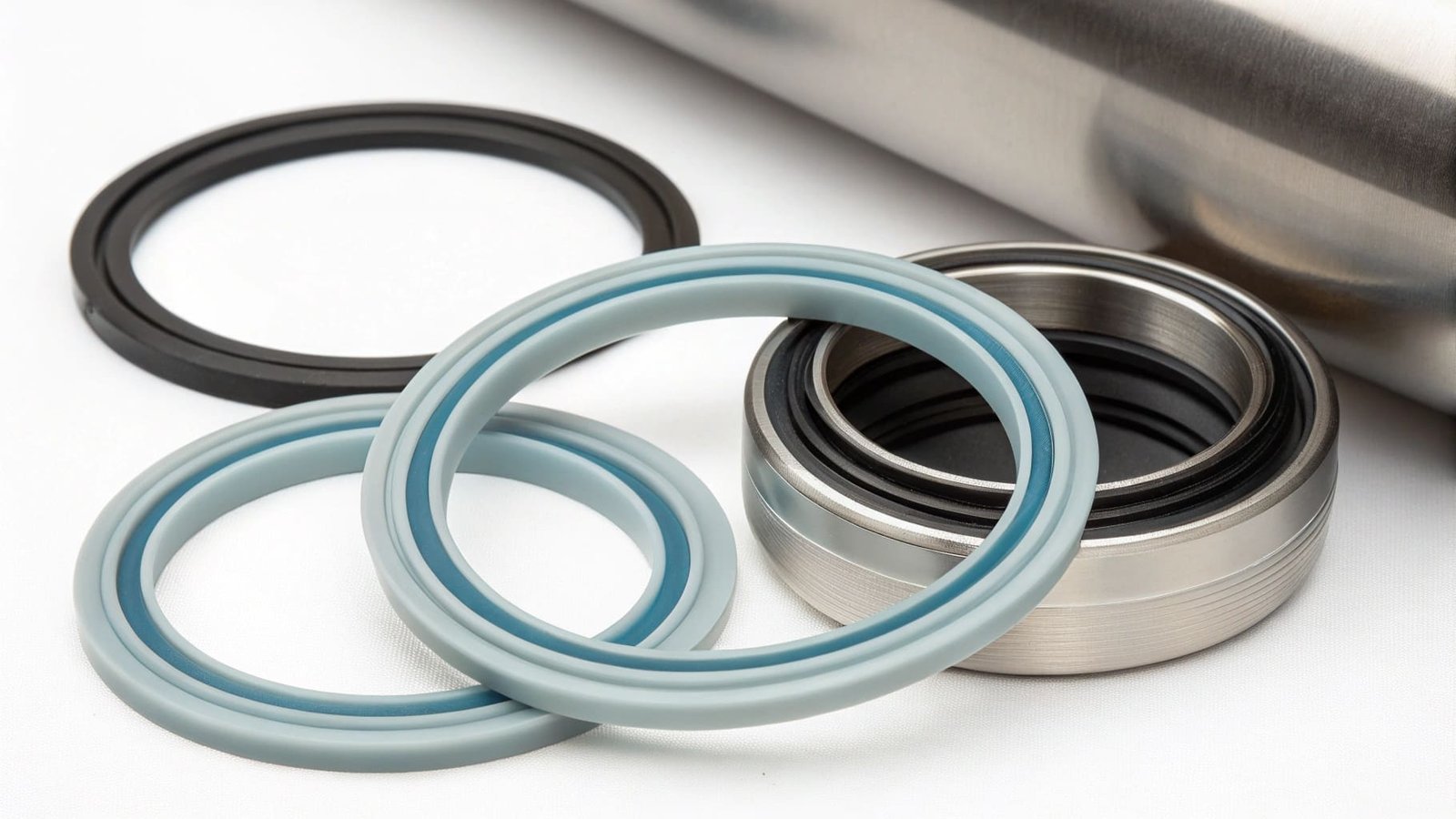
Strength in rubber is not one single number. It depends on what kind of stress the gasket faces in real use. There are three main dimensions of strength that matter for gasket manufacturing.
Tensile Strength — How Much Pull Can It Take?
Tensile strength measures how much force a rubber material can withstand before it breaks under tension.3 NBR leads here with a range of 500 to 2000 PSI. This makes it the right choice for gaskets in hydraulic systems, fuel lines, and high-pressure machinery where internal pressure is always present.
Chemical Resistance — Can It Survive the Environment?
A gasket that holds shape but dissolves in oil is not strong at all. Chemical resistance is a form of strength in industrial settings. NBR handles petroleum-based oils and fuels very well. EPDM handles acids, alkalis, and ozone better. Matching the rubber to the chemical environment it will face is critical.
Temperature Resistance — Can It Hold Its Shape Under Heat?
This is where silicone rubber earns its place. While its tensile strength is only moderate, silicone does not lose flexibility or sealing ability across extreme temperature ranges. A standard NBR gasket will crack or harden outside its rated temperature window. A silicone gasket stays functional. For applications like industrial ovens, food processing equipment, or engine compartments, silicone is the stronger choice by the measure that actually matters.
| Strength Type | Best Rubber | Why It Wins |
|---|---|---|
| Tensile Strength | NBR | 500–2000 PSI range, handles high pressure |
| Chemical Resistance | NBR / EPDM | NBR for oil, EPDM for weather and acids |
| Temperature Resistance | Silicone | Stable from -60°C to 230°C |
The key takeaway is this: define what "strong" means for your specific gasket application first. Then match it to the right rubber type. No single rubber is the strongest in every category.
What Is the Cheapest Type of Rubber?
Buyers under budget pressure often pick the cheapest option without checking if it fits the job. That shortcut always ends up more expensive.
Natural rubber is the cheapest type of rubber for gasket manufacturing. It typically costs 30 to 40 percent less than synthetic alternatives.4 However, the true cost of a gasket is not just the raw material price. A cheap natural rubber gasket that fails early in an oil-heavy environment will cost far more than using the right NBR material from the start.
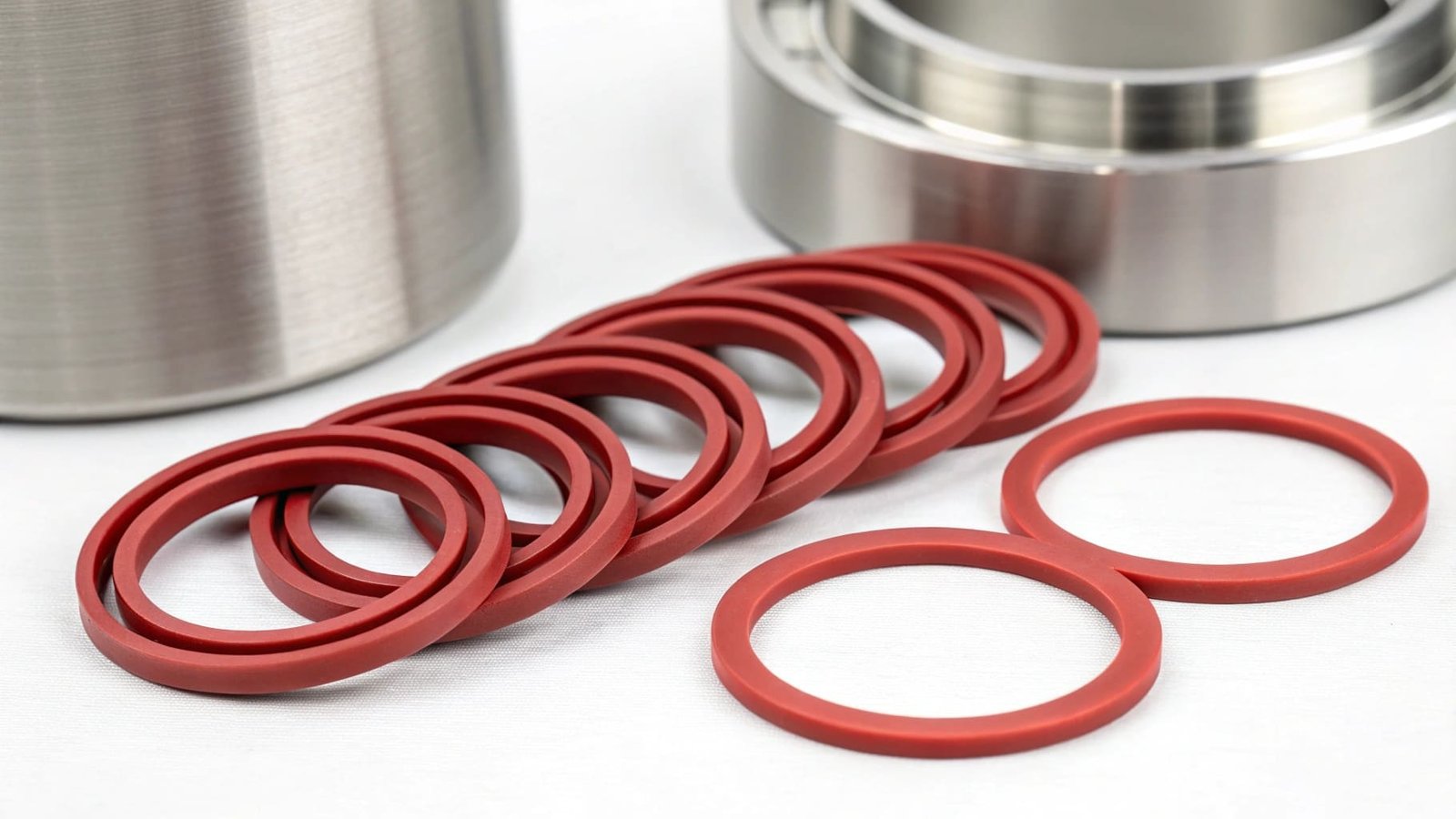
Price and cost are two different things. Price is what you pay at the time of purchase. Cost is what you pay over the full life of the product. For gasket buyers, understanding this difference is what separates smart procurement from reactive purchasing.
Why Natural Rubber Is Cheap
Natural rubber is widely available and comes from a renewable biological source.5 Production costs are lower because the raw material is grown and tapped, not synthesized in a chemical plant. It requires less processing to reach a usable form. This makes it the default low-cost option for many buyers.
When Cheap Rubber Becomes Expensive
I have seen procurement teams save money on natural rubber rolls, only to face gasket failure complaints from their clients three months later. The replacement cost, the logistics, the damaged client relationship — none of that showed up in the original purchase order. The real cost showed up later.
Here is a simple framework for thinking about rubber cost:
| Factor | Natural Rubber | NBR (Synthetic) | Silicone Rubber |
|---|---|---|---|
| Raw Material Price | Lowest | Medium | Highest |
| Expected Lifespan in Oil Environment | Short | Long | Medium |
| Replacement Frequency | High | Low | Low |
| Total Cost of Ownership | Can be high | Medium to low | Medium |
How to Make a Cost-Smart Decision
Match the rubber to the application environment first. Then compare prices. If the gasket will be used in a clean, moderate-temperature environment with no oil or harsh chemicals, natural rubber is a perfectly smart choice. If the gasket will be exposed to fuel, oil, or extreme temperatures, spending more upfront on NBR or silicone will save money over time.
Working with a supplier who can provide technical data sheets and sample testing before you commit to a bulk order is the safest way to avoid expensive mistakes. Ask for application guidance. A supplier who understands your end use can help you choose the right material, not just the cheapest one on the list.
Conclusion
Match your rubber type to your gasket application first. Then find a qualified supplier who offers certifications, samples, and technical support before you commit to bulk orders.
-
"The tariff classification of a vulcanized rubber sheet from China", https://rulings.cbp.gov/ruling/N311634. International trade datasets for HS 4008, covering plates, sheets, and strips of vulcanized rubber, identify China as a major exporter in this product category, providing contextual support for its role in high-volume rubber-roll sourcing. Evidence role: statistic; source type: institution. Supports: International trade data can show whether China is among the largest exporters of rubber sheets, strips, or related roll-form materials by value or volume.. Scope note: HS 4008 data may include rubber sheets and strips beyond gasket-manufacturing rolls and does not directly measure supplier quality or cost-effectiveness. ↩
-
"A High-Temperature-Resistant and Conductive Flexible Silicone ...", https://pmc.ncbi.nlm.nih.gov/articles/PMC12073532/. Technical references on silicone elastomers report service-temperature ranges extending roughly from below -50°C to above 200°C, supporting the claim that silicone rubber remains flexible across unusually broad temperature conditions. Evidence role: general_support; source type: research. Supports: A materials reference should support silicone rubber's broad low- and high-temperature service range and retained flexibility.. Scope note: The evidence would support the general temperature capability of silicone rubber, but not necessarily the absolute phrase 'better than any other type' for every rubber formulation. ↩
-
"Elastomer | NIST - National Institute of Standards and Technology", https://www.nist.gov/glossary-term/38121. Rubber tensile-test standards such as ASTM D412 and ISO 37 define tensile properties through controlled extension of a specimen until rupture, supporting the definition of tensile strength as resistance to breaking under tension. Evidence role: definition; source type: institution. Supports: A rubber testing standard should define tensile strength as a stress measured in a tension test at break or maximum load.. ↩
-
"Why the prices of natural and synthetic rubber do not always bounce ...", https://www.bls.gov/opub/btn/volume-9/why-the-prices-of-natural-and-synthetic-rubber-do-not-always-bounce-together.htm. Commodity price series from international economic datasets can be used to compare natural rubber prices with synthetic rubber inputs, providing contextual evidence for relative raw-material cost differences. Evidence role: statistic; source type: institution. Supports: Commodity-price datasets or industry market reports should show whether natural rubber prices are generally lower than synthetic rubber prices and whether a 30-40 percent differential is typical in the relevant period.. Scope note: Such data may not directly confirm a fixed 30-40 percent discount for gasket-grade rubber rolls, because prices vary by grade, region, contract terms, and time period. ↩
-
"Alternative sources of natural rubber - PubMed", https://pubmed.ncbi.nlm.nih.gov/10803889/. Agricultural and commodity references describe natural rubber as latex harvested from cultivated rubber trees, a renewable biological source that is produced commercially in large volumes. Evidence role: general_support; source type: institution. Supports: An agricultural or international-institution source should support that natural rubber comes from cultivated rubber trees and is produced at large scale in global markets.. Scope note: The source would support biological origin and broad availability, not prove that availability alone makes natural rubber cheaper in every market. ↩