What Are the Key Differences Between Silicone and Steel Drinking Straws for Bulk Orders?
Choosing the wrong straw material for your bulk order can cost you thousands in returns and damage your brand reputation. I learned this the hard way when a client's steel straw shipment arrived with 15% damaged units. The decision between silicone and steel matters more than you think.
Silicone straws1 offer flexibility, safety, and customization options, making them ideal for family brands. Steel straws provide durability, premium positioning, and hygiene benefits, perfect for hospitality buyers. The choice depends on your target market, price point, and distribution strategy.
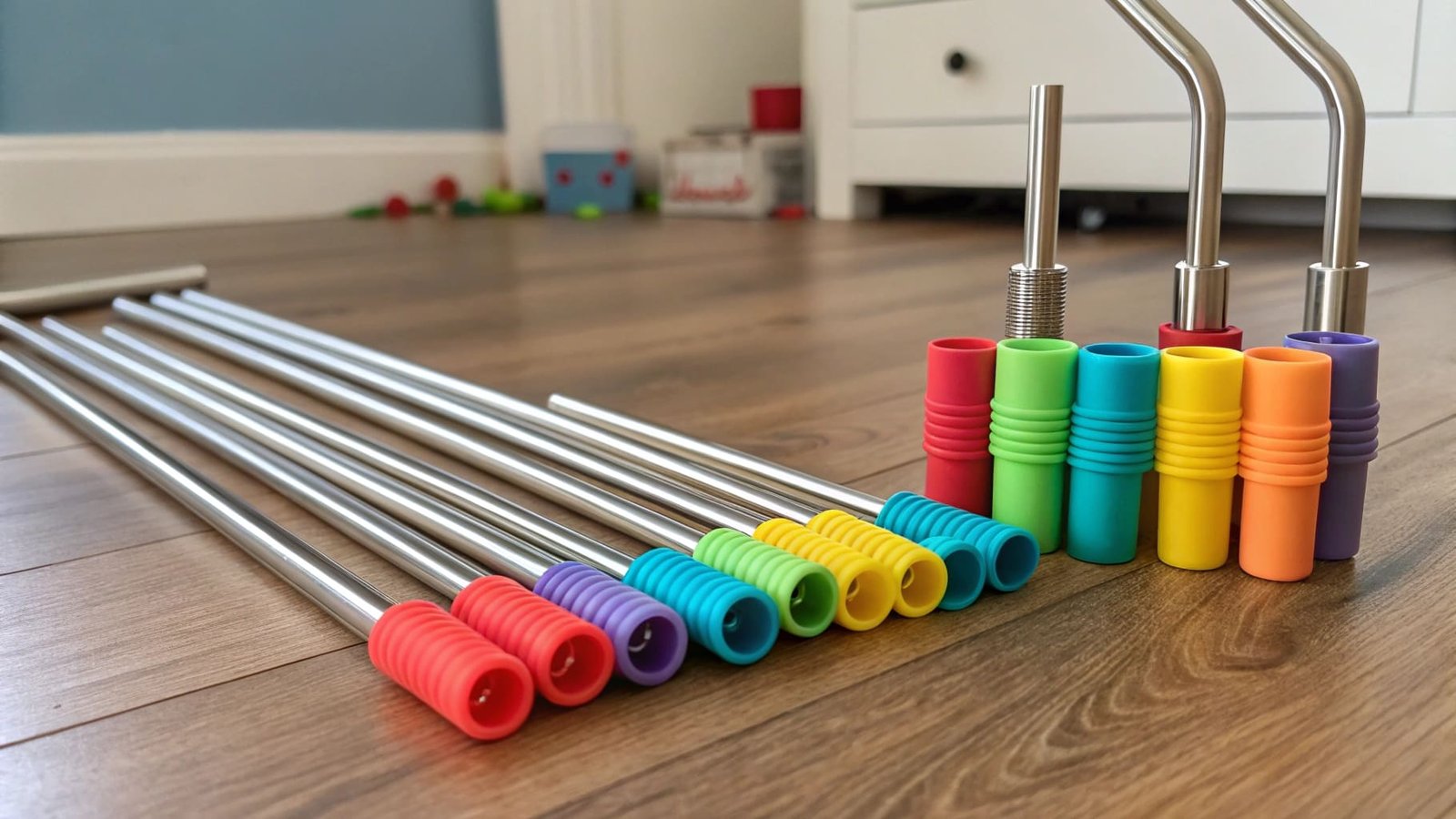
I remember sitting in a trade show booth last year, watching buyers compare samples. The same question came up every single time. Which material should I choose for my bulk order? The answer is not simple. Each material serves different purposes and targets different customer segments. Let me walk you through what I tell my clients when they face this decision.
What is Better, Silicone or Stainless Steel Straws?
Your bottom line depends on matching straw material to your customer base. I have seen brands fail because they chose based on cost alone. The wrong choice leads to returns, complaints, and lost repeat business.
Neither material is universally better. Silicone works best for families, children, and temperature-sensitive products. Steel suits premium brands, corporate gifts, and hospitality settings. Your profit margin and target demographic determine the right choice.
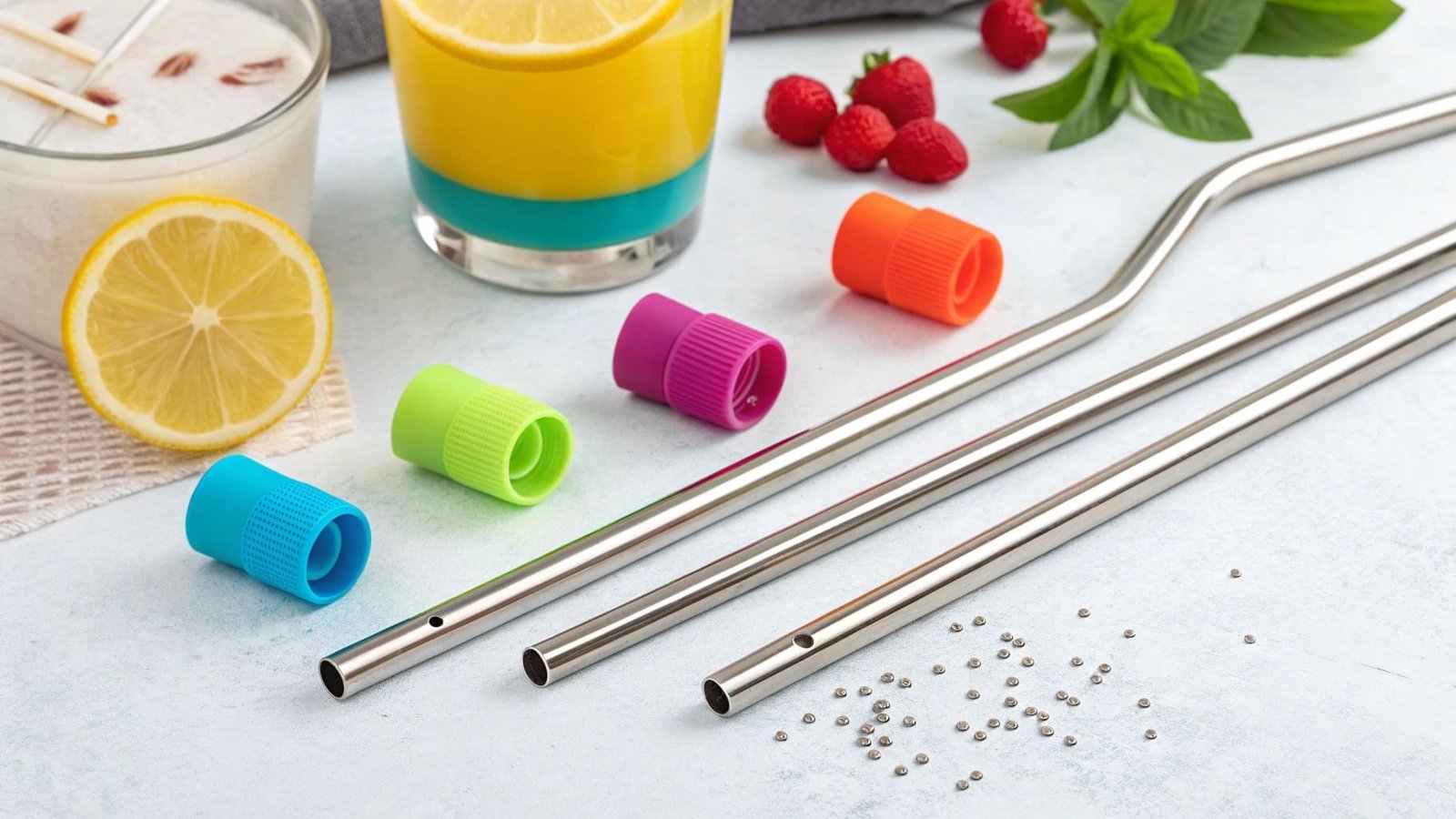
Breaking Down the Business Case for Each Material
I work with procurement officers who need clear data. Let me give you the practical comparison I use in consulting sessions. This table shows the real differences that affect your procurement decisions.
| Factor | Silicone Straws | Stainless Steel Straws2 |
|---|---|---|
| Safety | Soft, no chipping risk | Hard, can chip teeth |
| Weight per unit | 5-8 grams | 15-25 grams |
| Shipping cost impact | Lower | 3x higher |
| Customization cost | $200-500 tooling | $1000-2000 tooling |
| Temperature safety | Comfortable hot/cold | Conducts heat/cold |
| Perceived value | Mid-range | Premium |
| Target demographic | Families, children | Adults, luxury market |
The weight difference creates a major cost factor. I calculated this for a client ordering 50,000 units. Steel straws added $1,200 to shipping costs compared to silicone. That money came directly from their profit margin. For small businesses, this matters. For larger orders, the difference becomes even more significant. I always recommend running shipping calculations before committing to a material choice.
What is the Difference Between Silicone and Plastic Straws?
Plastic straws destroyed our oceans and created regulatory nightmares for importers. I watched the plastic ban legislation roll out across my export markets. Many buyers got caught with unsellable inventory. The shift to silicone happened fast.
Silicone straws are reusable, temperature-resistant, and regulatory-compliant across all major markets. Plastic straws are single-use, leach microplastics, and face bans in Europe and North America. The fundamental difference is sustainability and legal compliance.
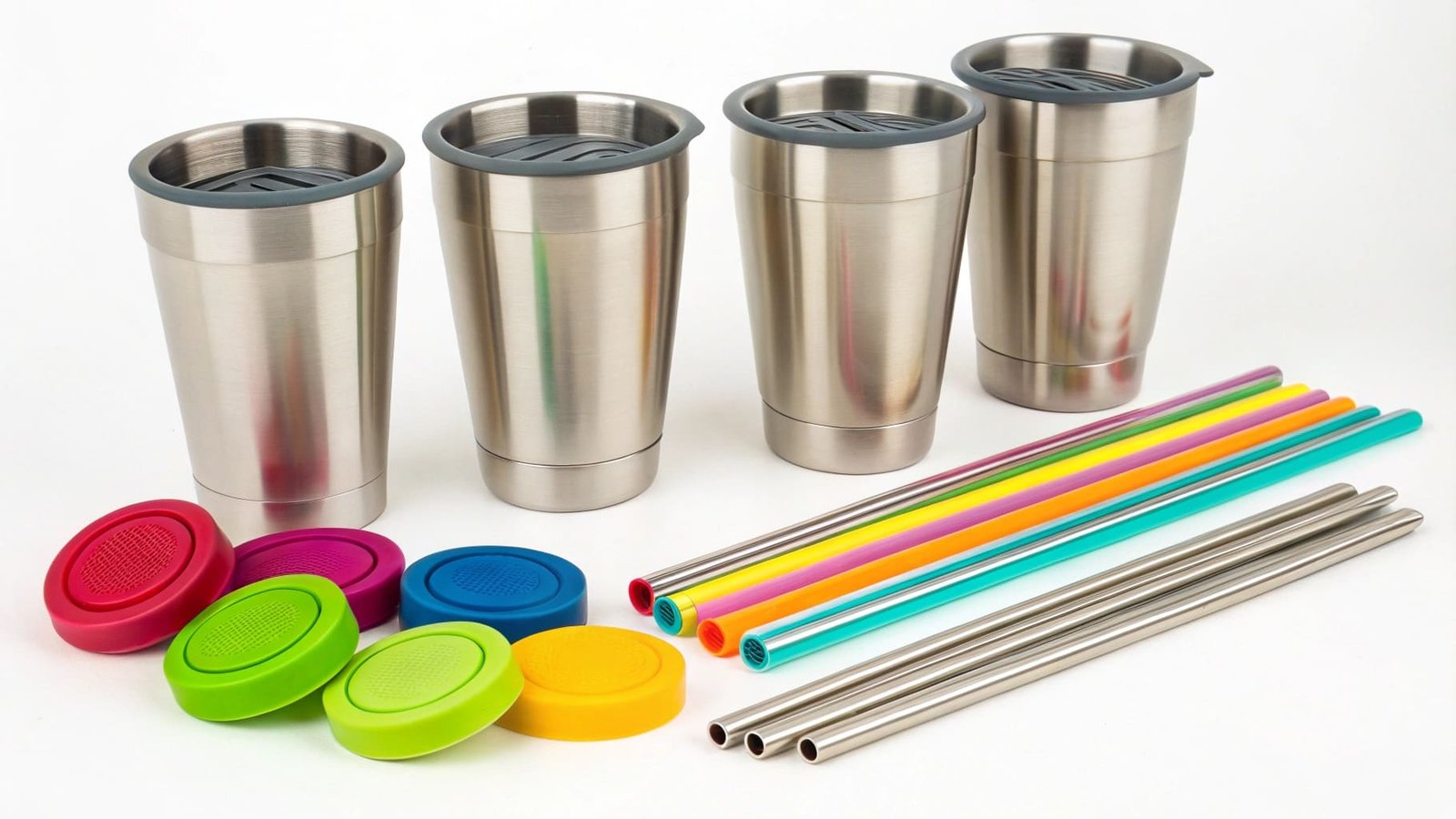
Why the Material Shift Changed the B2B Landscape
The transition from plastic to silicone represents a complete business model change. I need to explain this because many buyers still think about straws in the old paradigm. Plastic straws cost 0.01 USD per unit. Silicone straws cost 0.30 to 0.80 USD per unit. This looks like a massive price increase. But the economics work differently.
Single-use plastic created volume-based profits. Buyers needed constant reordering. Low margin, high frequency. Silicone creates value-based profits. Customers pay more upfront. They reorder less frequently. Higher margin, lower frequency. I helped a client transition their product line last year. Their total order value dropped by 40%. But their profit margin increased by 65%. The math works when you factor in the reusable nature.
The regulatory environment makes plastic increasingly risky. I track legislation for my clients. The European Union banned single-use plastics in 2021. Canada followed in 2022. Multiple US states have similar bans. California, New York, and others restrict plastic straw distribution. When you order plastic straws today, you face the risk of unsellable inventory tomorrow. I witnessed a distributor lose $45,000 on a container of plastic straws. The ban passed three months after their order arrived. Silicone provides regulatory protection.
What Are the Healthiest Straws to Drink Out Of?
Health concerns drive purchasing decisions more than ever before. I see this in every buyer conversation. Parents ask about safety. Restaurants ask about sanitation. Corporate buyers ask about liability. The health question matters for your sales and your legal protection.
Medical-grade silicone and food-grade stainless steel3 both meet health standards when properly certified. Silicone resists bacteria without harboring pathogens. Steel offers non-porous surfaces for easy sanitization. The healthiest choice depends on the user's specific needs and usage patterns.
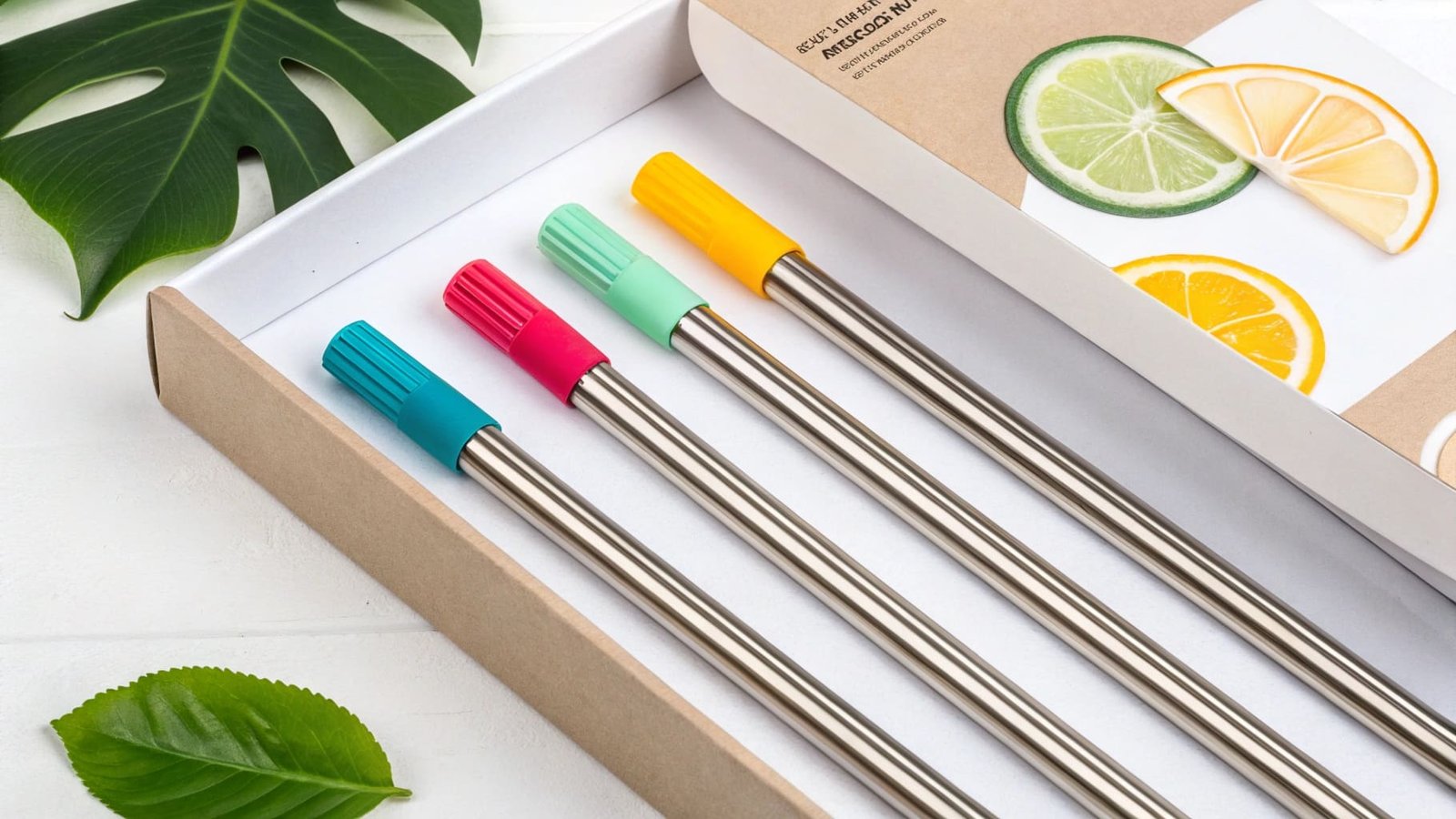
Understanding the Health Factors That Affect Your Product Positioning
I need to break down the health considerations because they directly impact your marketing claims. Let me give you the technical details that affect buyer decisions. This knowledge helps you position your products correctly and avoid legal issues with health claims.
Silicone straws made from medical-grade or food-grade silicone contain no BPA4, phthalates, or toxic chemicals. The material remains stable across temperatures from -40°C to 230°C. This stability means no chemical leaching into beverages. I have lab certificates from multiple manufacturers showing zero migration of harmful substances. The flexible nature also provides safety for children and elderly users. No sharp edges. No breakage risk. No choking hazards from broken pieces.
Stainless steel straws offer different health advantages. The material is non-porous. Bacteria cannot penetrate the surface. This makes sanitization straightforward. Hot water and soap remove all contaminants. Many commercial kitchens prefer steel for this reason. The downside comes from temperature conduction. Hot coffee makes the steel too hot to touch. Iced drinks make the steel uncomfortably cold. Some users experience tooth sensitivity with metal contact. I recommend steel for adult users who prioritize hygiene over comfort.
The certification requirements matter for both materials. I verify certificates for every supplier I work with. Look for FDA approval5 for food contact. Check for LFGB certification6 for European markets. Confirm REACH compliance for chemical safety. These certificates protect you from liability and product recalls. I have seen buyers face costly recalls because they skipped certification verification. Do not make that mistake.
Conclusion
Your material choice impacts shipping costs, target markets, and profit margins. I recommend silicone for family brands and steel for premium positioning. Run the numbers before ordering. Verify certifications always. Your business success depends on matching material to market.
-
Explore the advantages of silicone straws, including flexibility and safety, ideal for family-oriented brands. ↩
-
Discover the durability and hygiene benefits of stainless steel straws, perfect for premium brands and hospitality. ↩
-
Learn about food-grade stainless steel and its hygiene benefits for food service applications. ↩
-
Understand the significance of BPA-free materials in straws for health-conscious buyers. ↩
-
Understand the importance of FDA approval for straws to ensure safety and compliance. ↩
-
Explore the significance of LFGB certification for straws in the European market. ↩