Can Silicone Lids Fit Different Ceramic Coffee Mug Sizes for Retailers?
You stock ceramic mugs in various sizes, but finding compatible lids seems impossible. Different manufacturers mean different rim diameters. Your inventory costs keep rising with each new lid type you add.
Yes, quality silicone lids1 can fit different ceramic coffee mug sizes. The material stretches 20-30% beyond its base diameter, so three standard size categories cover most ceramic mugs. You reduce SKUs while serving more customers.
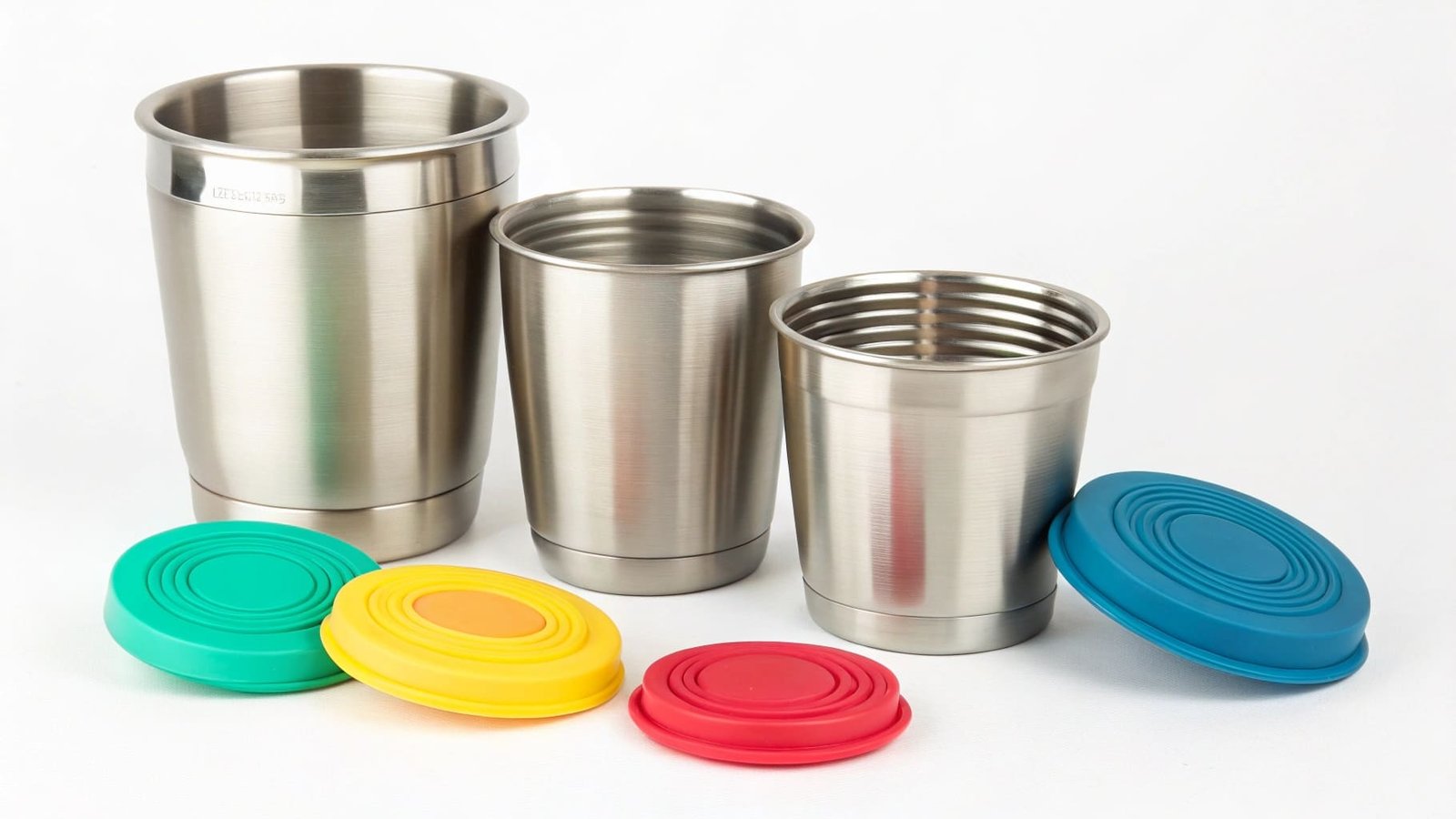
I learned this the hard way when I first started sourcing silicone products. A Canadian retailer contacted me about universal lids. He needed something simple. His cafe chain had twelve different mug styles2. Managing twelve different lid types was eating his margins. I showed him how silicone's natural flexibility solves this exact problem.
Are all coffee cup lids the same size?
Your competitors claim their lids fit everything. You test them on your mugs. Half fall off. The other half barely stretch over the rim. Standard sizing does not exist in this market.
No, coffee cup lids vary significantly in size. Ceramic mug rim diameters range from 2.75 to 3.5 inches across manufacturers. Silicone lids compensate for this through elasticity, but you need the right size category for proper fit.
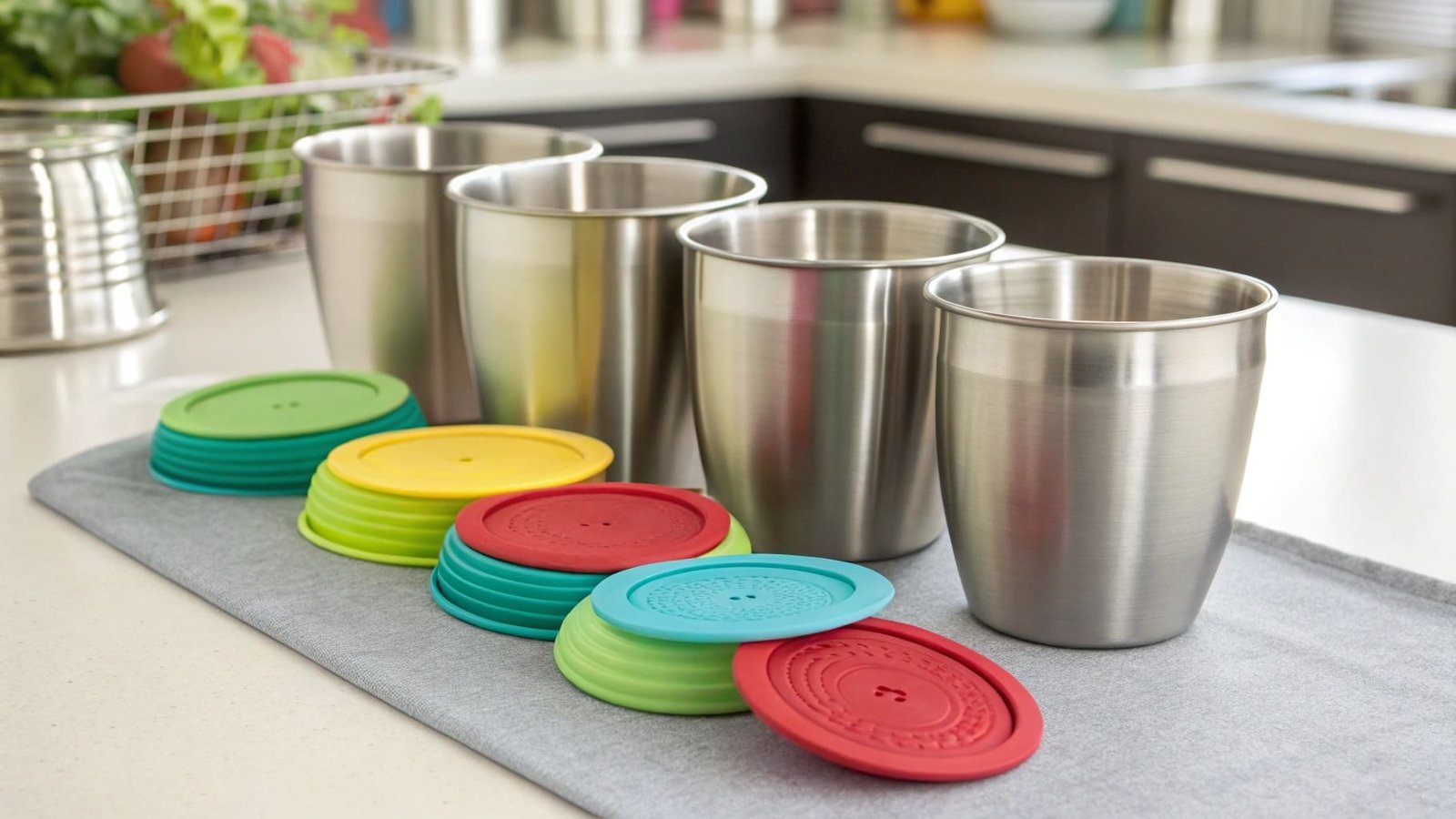
The Real Story Behind Lid Sizing
Mug manufacturers do not coordinate on rim standards. I have seen this across hundreds of factory visits in China. Each factory uses its own molds. Some prioritize aesthetics over function. Others design for stacking efficiency in shipping containers.
This creates three core problems for you as a retailer:
The Measurement Challenge
| Problem | Impact | Solution |
|---|---|---|
| Inconsistent rim diameters | Stock multiple lid types | Use stretchable silicone |
| No industry standards | Higher inventory costs | Order size-range lids |
| Manufacturer variations | Customer complaints | Test samples first |
You cannot simply measure one mug and order lids. I work with a procurement officer in Toronto. He bought 5,000 lids based on one mug sample. The lids fit that mug perfectly. They failed on 60% of his actual inventory. He now tests across his full product line before ordering.
Material Limitations Matter
Rigid plastic lids only fit their exact diameter. Silicone stretches. But cheap silicone tears when stretched repeatedly. Food-grade silicone maintains elasticity through thousands of uses. This is why I only source from factories with FDA and LFGB certifications. The material cost is 15% higher. The return rate drops by 80%.
The Hidden Compatibility Factor
Rim shape affects fit more than diameter alone. Some mugs have outward-flaring rims. Others curve inward. The same diameter lid behaves differently on each style. You need lids with flexible edges that adapt to various rim profiles.
What size is a standard size coffee mug?
Your supplier lists "standard" mugs in their catalog. You order based on that specification. The mugs arrive and nothing matches your existing inventory. Standard means different things to different manufacturers.
Standard ceramic coffee mugs typically hold 8 to 12 ounces with rim diameters between 3 and 3.5 inches. But variations exist across regions, manufacturers, and mug styles, requiring flexible lid solutions rather than exact-fit designs.
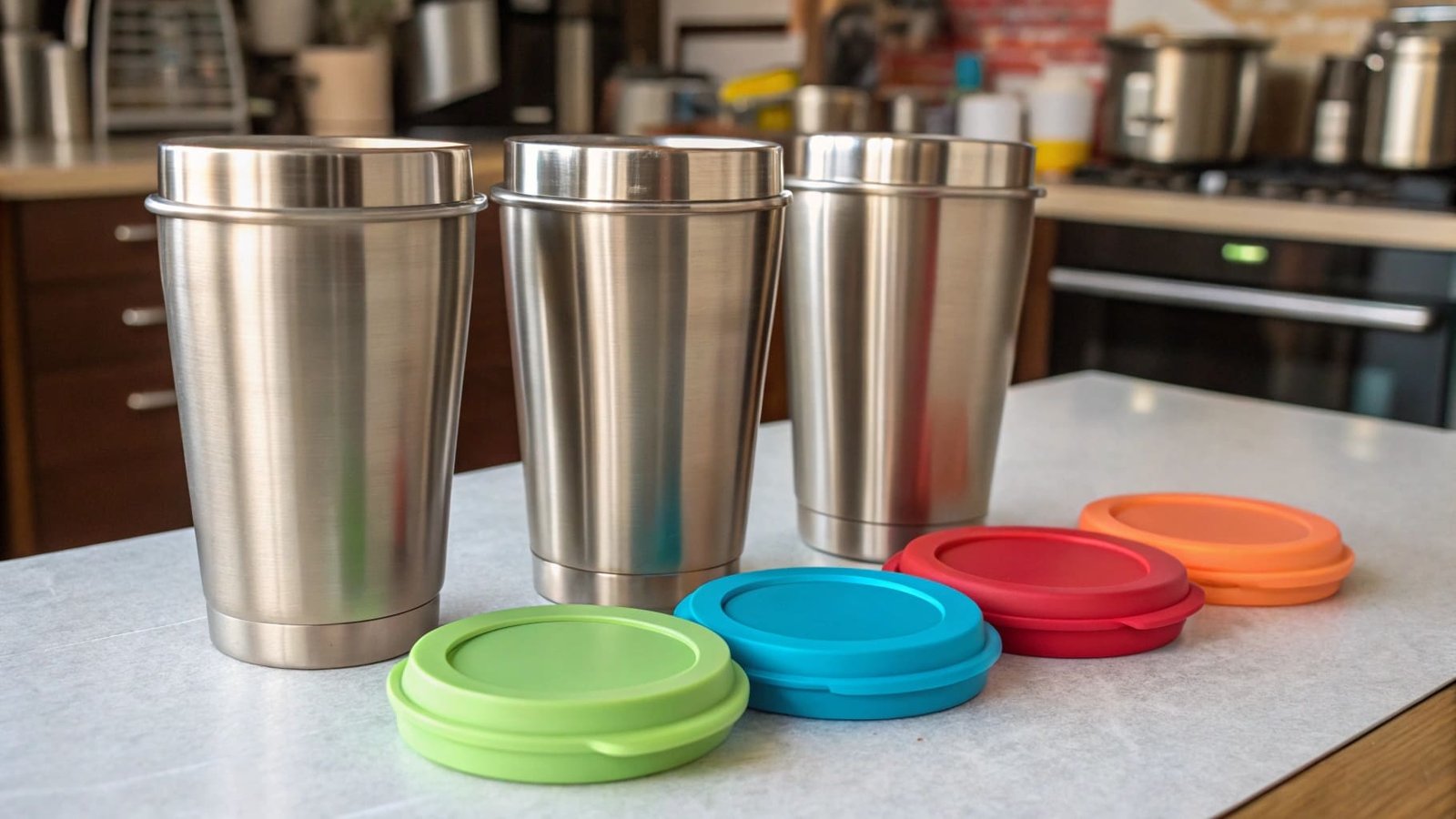
Breaking Down the Standard Size Myth
I have sourced from factories across Guangdong Province for eight years. Standard size is a marketing term. Nothing more. Let me show you what really happens in manufacturing.
Regional Variations Create Confusion
Different markets prefer different capacities:
| Region | Typical Capacity | Common Rim Diameter | Design Preference |
|---|---|---|---|
| North America | 10-12 oz | 3.25-3.5 inches | Wide, shallow |
| Europe | 8-10 oz | 3-3.25 inches | Tall, narrow |
| Asia | 6-8 oz | 2.75-3 inches | Compact |
A standard mug in Vancouver looks nothing like a standard mug in Berlin. Your lid inventory must account for your target market. I ship different lid size mixes to clients based on their location. My American customers order 70% medium and large sizes. European clients need 60% small and medium.
The Manufacturing Reality
Ceramic mug factories optimize for shipping volume. A factory can fit more mugs in a container if they make them slightly narrower. Another factory prioritizes stability and makes wider bases with narrower tops. Both call their products standard size.
I visited a factory in Chaozhou last month. They produce mugs for three major North American retailers. Each retailer has different specifications. The rim diameter varies by 0.3 inches between designs. All three retailers list them as 12-ounce standard mugs in their catalogs.
Why This Matters for Your Lid Selection
You cannot buy lids based on capacity alone. I learned this when a startup founder ordered small lids for 8-ounce mugs. The mugs had wide flaring rims. The small lids fit 8-ounce mugs with straight walls. They failed completely on his inventory.
You need to measure rim diameter directly. Then add 10% margin for the silicone to grip properly. A 3-inch rim needs a lid with a relaxed diameter of 2.7 to 2.8 inches. This ensures secure fit without overstretching.
Do different coffee drinks need specific cup sizes?
Your cafe client wants lids for their full drink menu. They serve everything from espresso shots to large lattes. You wonder if beverage type determines the lid size needed.
Different coffee drinks use various cup sizes based on beverage volume and milk ratios. But lid compatibility depends on rim diameter, not drink type. A 12-ounce cappuccino mug and a 12-ounce Americano mug may need different lid sizes if rim designs differ.
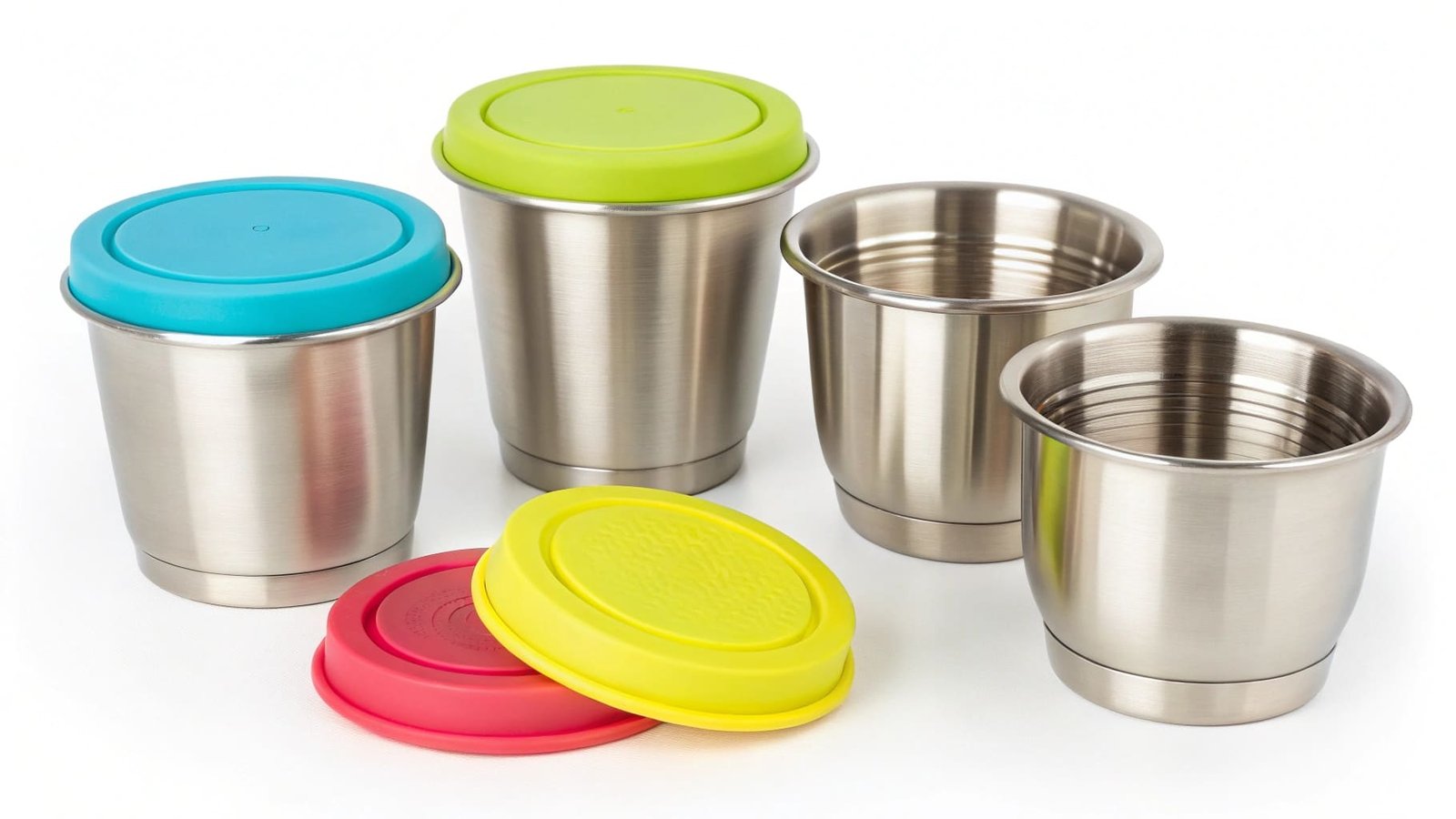
Understanding Beverage Requirements vs. Lid Fit
The relationship between drink type and lid fit confuses many retailers. I explain this to every new client. The beverage determines cup size. The cup design determines lid size. These are separate decisions.
Beverage Volume Requirements
| Drink Type | Typical Volume | Why This Size |
|---|---|---|
| Espresso | 2-3 oz | Concentrated flavor |
| Cappuccino | 6-8 oz | 1:1:1 espresso:milk:foam ratio |
| Latte | 10-12 oz | More milk volume needed |
| Americano | 8-12 oz | Diluted with hot water |
Each drink needs its volume for proper taste. But this tells you nothing about rim diameter. I have seen 8-ounce cappuccino mugs with rim diameters from 2.8 to 3.4 inches. All hold the same volume. All need different lid sizes.
The Design Factor Matters More
Manufacturers design cups for presentation and function. A cappuccino mug often has a wider rim to showcase foam art. A latte mug might be tall and narrow for heat retention. Same volume. Different rim dimensions.
I worked with a Vancouver cafe chain last year. They served four drink types. Eight different mug styles. The owner assumed drink type determined lid needs. We measured every mug. The 10-ounce cappuccino mug and the 10-ounce Americano mug needed different lids. The rim diameters differed by half an inch.
Practical Lid Selection Strategy
You need a systematic approach. I use this method with all my B2B clients:
First, group mugs by rim diameter, not beverage type. Measure at the widest point of the rim. Round to the nearest quarter inch. This creates natural size groups.
Second, test silicone lid stretch capacity. Quality silicone stretches 25% comfortably. A 3-inch base diameter lid fits rims from 3 to 3.75 inches. This single lid covers multiple drink types.
Third, prioritize grip security over perfect fit. A lid that stretches to 90% capacity grips better than one at 100% stretch. I recommend staying within the 80-95% stretch range. The seal stays secure. The silicone lasts longer.
The Multi-Drink Solution
Most cafe operations need three lid sizes maximum. Small for espresso cups and cortados. Medium for cappuccinos and standard coffees. Large for lattes and Americanos. This covers 95% of ceramic mug variations.
I supply a coffee chain with 47 locations across Canada. They serve twelve drink types. We use three lid sizes. Their inventory management simplified dramatically. Customer complaints about ill-fitting lids dropped to nearly zero.
Conclusion
Silicone lids fit multiple ceramic mug sizes through material elasticity. You need three size categories to cover most inventory. Focus on rim diameter, test samples thoroughly, and your customers stay satisfied.