Can Tumbler Seal Rings Be Produced in Medical-Grade Silicone for Premium Lines?
You want to upgrade your tumbler line with premium seal rings, but you are unsure if medical-grade silicone1 is even an option for this component. Your competitors claim superior safety, and you worry your current seals may not meet the expectations of health-conscious buyers.
Yes, tumbler seal rings can absolutely be manufactured using medical-grade silicone. This material provides documented biocompatibility through ISO 10993 certification and offers premium brands a verifiable safety advantage that justifies higher price points while reducing liability risks.
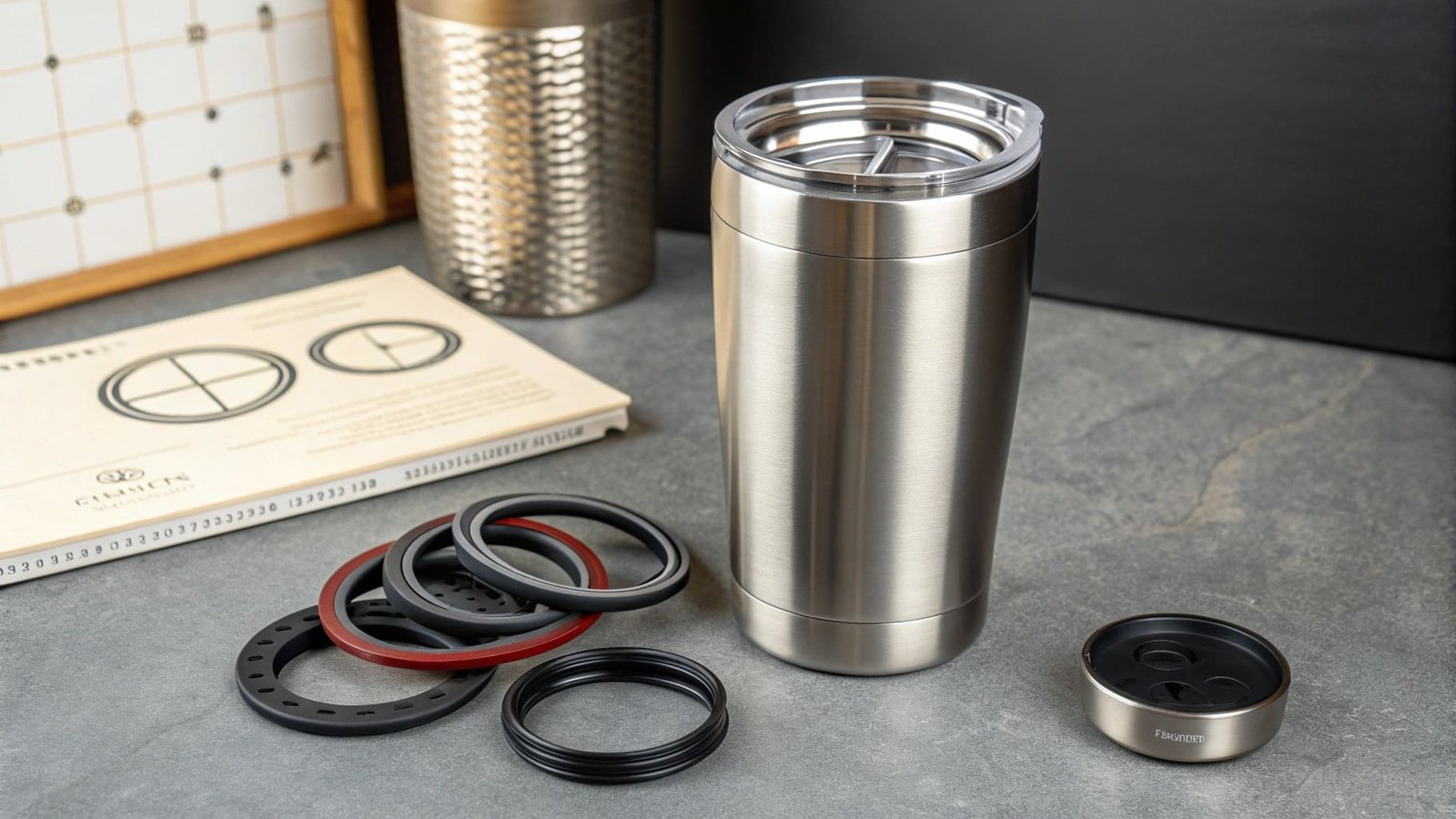
I have worked with premium tumbler brands2 for years, and the question of material grades comes up constantly. Many buyers assume all silicone is the same, but the differences between standard and medical-grade materials are substantial. I will walk you through what medical-grade actually means and why it matters for your product line.
What is the difference between silicone and medical grade silicone?
Regular silicone might look and feel identical to medical-grade material, but the certification process reveals critical differences. Your customers cannot tell them apart by touch, yet one undergoes months of rigorous biocompatibility testing while the other does not.
Medical-grade silicone meets ISO 10993 and USP Class VI standards through extensive testing for cytotoxicity, sensitization, and implantation reactions. Standard silicone only needs to pass basic safety requirements without these stringent biocompatibility protocols that verify zero adverse reactions to human tissue contact.
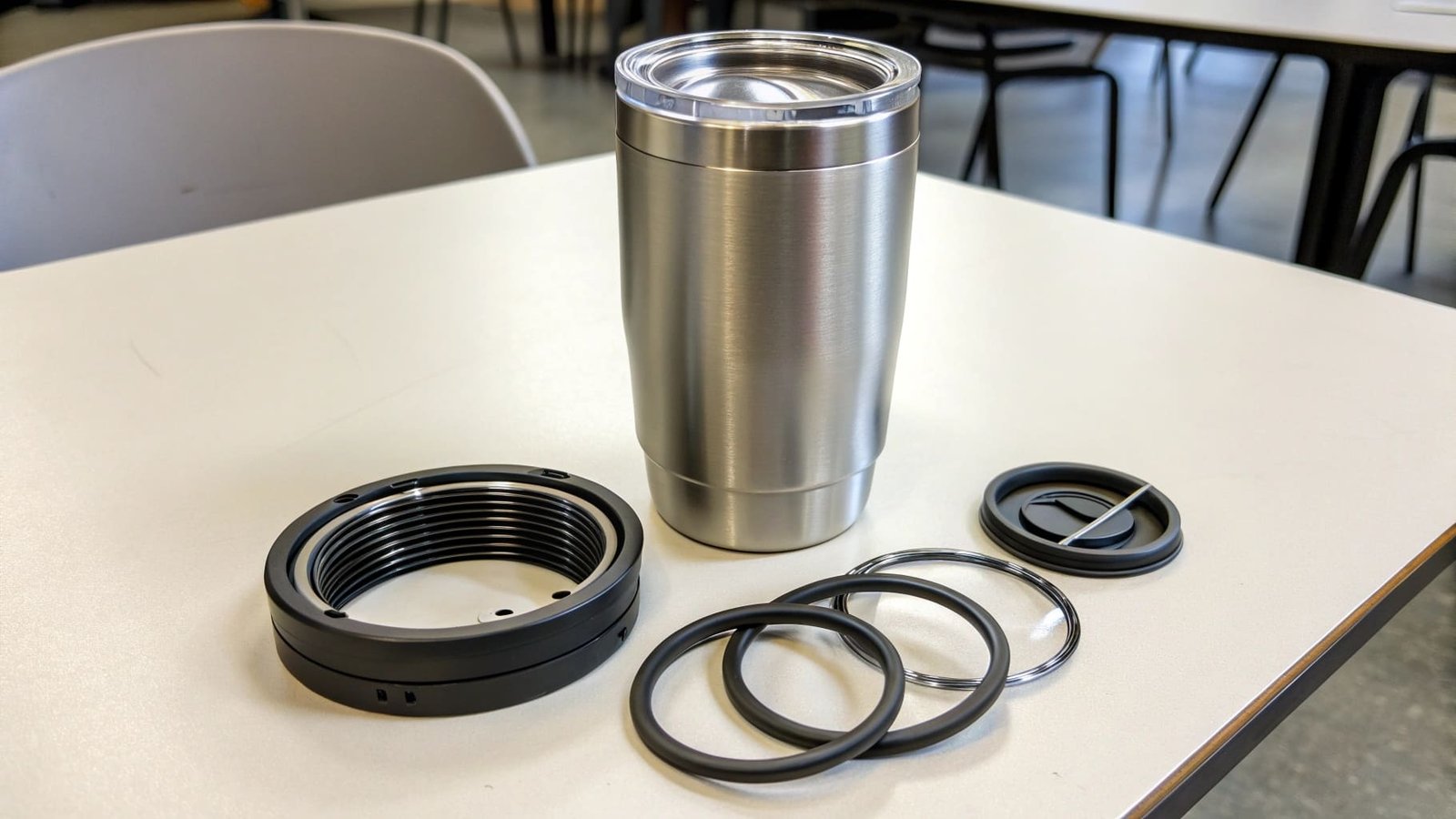
Breaking Down the Testing Requirements
I find that most buyers do not understand what biocompatibility testing actually involves. Let me explain the core differences in a way that makes sense for your purchasing decisions.
Standard silicone typically meets FDA food contact standards, which focus on preventing harmful substance migration into food. The testing is relatively straightforward and measures whether chemicals leach into food simulants. However, medical-grade silicone goes through a completely different evaluation process.
| Testing Aspect | Standard Silicone | Medical-Grade Silicone |
|---|---|---|
| Primary Standard | FDA 21 CFR 177.2600 | ISO 10993, USP Class VI |
| Cytotoxicity Testing | Not required | Mandatory cell culture tests |
| Sensitization Studies | Not required | Guinea pig or alternative testing |
| Implantation Testing | Not required | Rabbit muscle tissue studies |
| Irritation Testing | Basic skin patch only | Comprehensive mucous membrane tests |
| Genotoxicity Assessment | Not required | Mandatory DNA damage evaluation |
| Documentation Depth | Certificate of compliance | Complete test reports with raw data |
The practical impact for tumbler seal rings3 is significant. Medical-grade materials undergo cytotoxicity testing where they expose cultured cells to the material and measure cell death rates. They also perform sensitization studies that verify no allergic reactions occur after repeated exposure. The most demanding test is implantation testing, where they surgically place the material into rabbit muscle tissue and examine it for inflammatory responses after weeks.
I once had a buyer who questioned whether these tests mattered for a simple seal ring. His perspective shifted when I showed him that tumbler seals contact saliva repeatedly throughout the day. Medical-grade certification proves the material will not cause mouth irritation, allergic reactions, or release substances that could affect cellular health over years of use.
What is the difference between pharmaceutical and food-grade silicone?
You might think food-grade silicone is safe enough for any drinking product, but pharmaceutical-grade materials operate under entirely different quality control systems. The gap between these grades affects not just safety but also batch consistency and traceability.
Pharmaceutical-grade silicone requires complete raw material traceability, validated manufacturing under GMP conditions, and batch-to-batch consistency documentation. Food-grade silicone ensures food contact safety without these extensive process controls or the ability to trace every ingredient back to its source.
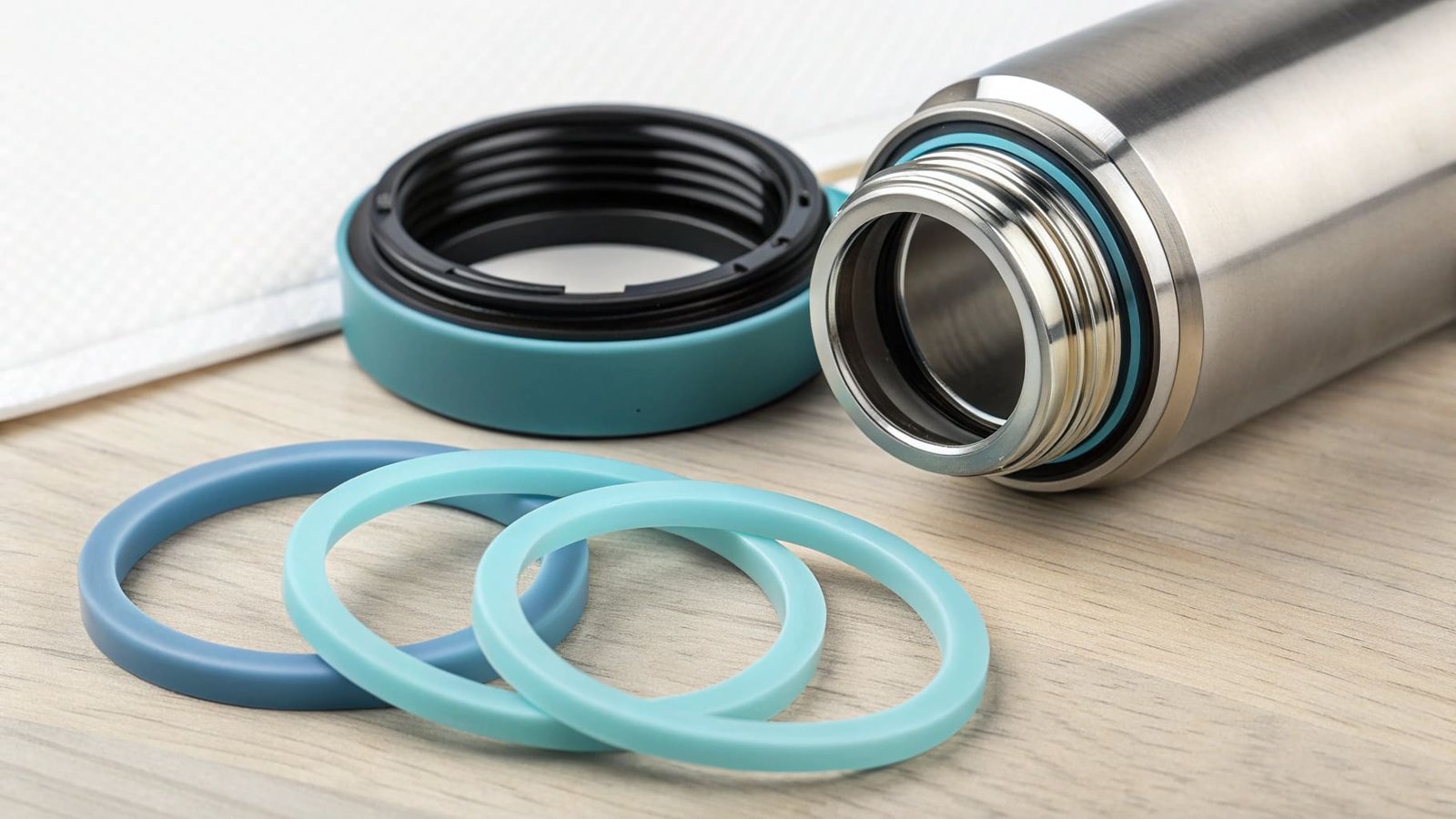
Understanding the Manufacturing Control Differences
The distinction between pharmaceutical and food-grade materials becomes clear when you examine what happens in the factory. I have audited facilities producing both grades, and the operational differences are dramatic.
Food-grade silicone production focuses on the final product meeting safety specifications. Manufacturers test finished batches to confirm they meet FDA requirements, but they do not necessarily track where every raw material component originated. The production environment is clean, but it does not require the validated processes that pharmaceutical facilities maintain.
Pharmaceutical-grade production operates differently at every level. Let me break down what this means:
| Control Element | Food-Grade | Pharmaceutical-Grade |
|---|---|---|
| Raw Material Sourcing | Approved suppliers | Full chain of custody documentation |
| Incoming Inspection | Batch testing | Certificate of analysis plus verification testing |
| Process Validation | Standard operating procedures | Statistically validated protocols with qualification |
| Environmental Controls | Clean production area | Controlled cleanroom classification with monitoring |
| Batch Documentation | Basic production records | Complete batch records with all parameter readings |
| Change Control | Manager approval for changes | Formal validation protocol for any modification |
| Equipment Maintenance | Scheduled servicing | Calibrated instruments with validation certificates |
I worked with a Canadian distributor last year who wanted to position his tumbler line as premium. He initially thought food-grade certification was sufficient, but his target retailers demanded pharmaceutical-grade documentation. The difference came down to traceability. If a quality issue ever arose, pharmaceutical-grade materials allow you to trace the exact origin of every ingredient in that specific batch, including the catalyst system, the silica filler, and even the pigments used.
The practical benefit for your seal rings is consistency. Pharmaceutical-grade materials maintain tighter specifications batch after batch. I have seen food-grade materials vary in hardness by five durometer points between batches, while pharmaceutical-grade materials stay within one durometer point. For seal rings, this consistency means predictable sealing performance and fit across your entire production run.
What silicones are medical grade?
Not all silicone compounds qualify as medical-grade, and understanding which types meet certification requirements helps you specify the right material for your seal rings. The terminology can be confusing, but I will clarify which materials actually carry legitimate medical-grade credentials.
Medical-grade silicones primarily include LSR compounds certified to ISO 10993, platinum-cured silicones4 that eliminate peroxide residues, and materials meeting USP Class VI requirements. Major suppliers like Wacker SILPURAN series and Dow XIAMETER healthcare grades provide these certifications with supporting documentation for each batch produced.
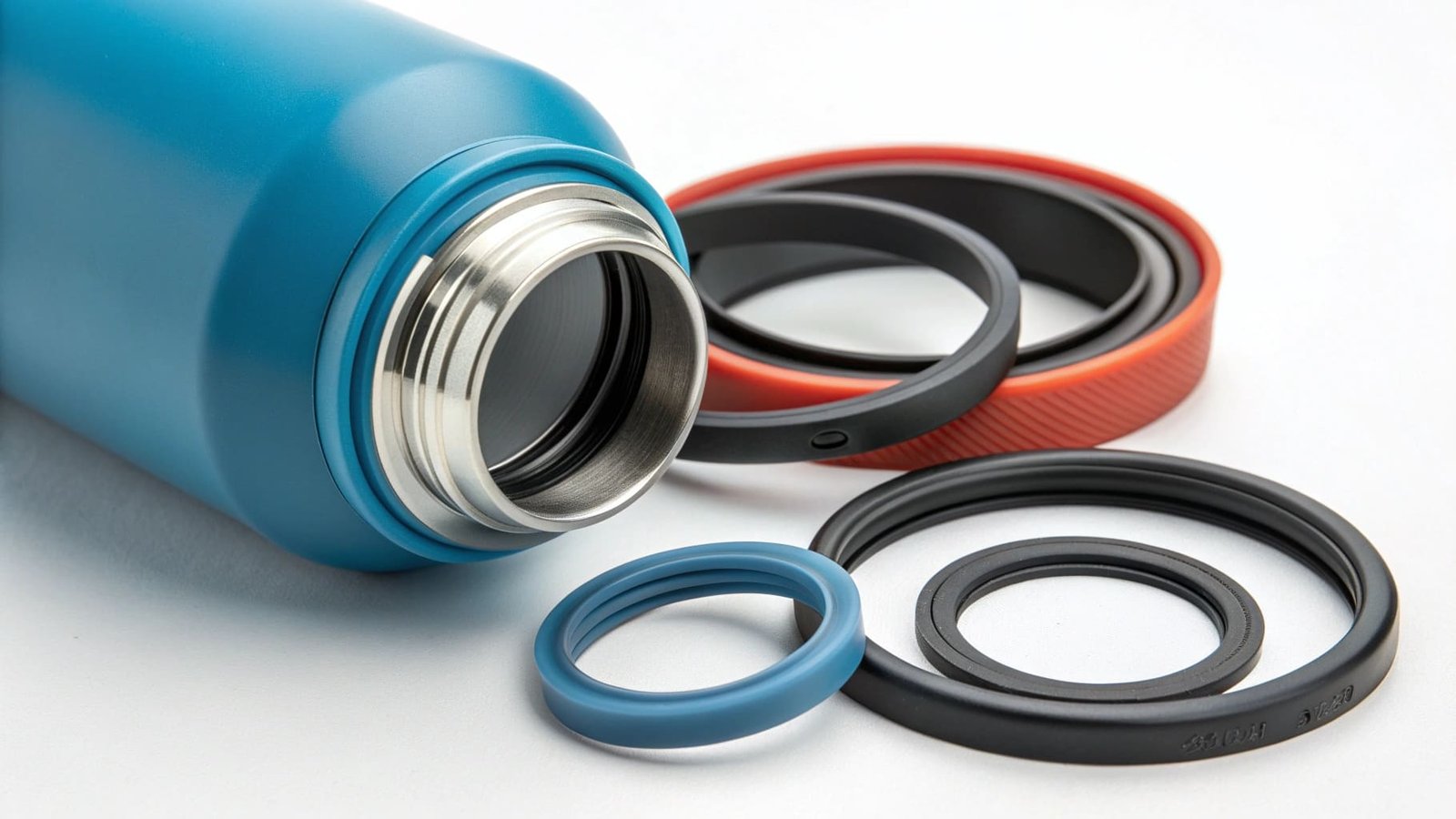
Identifying Legitimate Medical-Grade Materials
I have encountered many suppliers who claim to offer medical-grade silicone without proper certification. Learning to distinguish authentic medical-grade materials protects you from compliance issues and customer complaints.
The first category is Liquid Silicone Rubber5 or LSR certified to ISO 10993. These materials are injection molded and offer excellent consistency. The liquid form allows for precise mixing ratios and eliminates the variability that comes with solid rubber compounding. LSR materials achieve the tightest tolerances and produce seal rings with minimal flash or defects.
The second critical distinction is the curing system. Medical-grade silicones use platinum catalysts rather than peroxide curing agents. This matters because peroxide-cured materials can leave residual organic peroxides in the finished product. These residues may cause taste issues or, in sensitive individuals, mild irritation. Platinum-cured systems cure completely with no byproducts that could leach into beverages.
Let me show you the main medical-grade silicone categories:
| Material Type | Key Characteristics | Tumbler Seal Suitability |
|---|---|---|
| Platinum-Cured LSR | Injection molded, no residues, ISO 10993 certified | Excellent - ideal for high volume |
| Peroxide-Free HCR | Compression molded, economical, certified grades available | Good - suitable for lower volumes |
| Self-Bonding Medical LSR | Bonds to other silicone without adhesive | Excellent for multi-component seals |
| Transparent Medical LSR | Clear finish, full certification | Premium option for visual appeal |
| Pigmented Medical Compounds | Color stable, certified colorants only | Standard choice for branded colors |
USP Class VI certification represents the gold standard for biocompatibility. This United States Pharmacopeia classification requires materials to pass acute systemic toxicity tests, intracutaneous reactivity studies, and implantation testing. When you see USP Class VI certification, you know the material has undergone the most comprehensive safety evaluation available.
I remember working with a startup founder who wanted crystal-clear seal rings for his premium water bottles. He found a supplier offering transparent silicone at a great price, but when I asked for the ISO 10993 certification, the supplier could only provide FDA food-contact approval. The difference came down to the colorant system. True medical-grade transparent silicone uses certified colorants that have passed biocompatibility testing themselves, while standard transparent silicone might use any clear stabilizer that does not affect food safety.
The major material suppliers maintain specific product lines for healthcare applications. Wacker offers the SILPURAN range, Dow provides XIAMETER healthcare grades, and Momentive produces Silopren LSR series. These materials come with Master Files that document the complete formulation and testing history. When you specify one of these certified materials, you gain access to all supporting documentation needed for regulatory compliance.
For tumbler seal rings specifically, I recommend platinum-cured LSR materials in the 40 to 60 Shore A hardness range. This hardness provides enough flexibility to compress and create a seal while maintaining enough stiffness to resist twisting during installation. The platinum cure system ensures no taste transfer, and the LSR process produces consistent dimensions that mate perfectly with your tumbler lid geometry.
One practical consideration is cost. Medical-grade materials typically cost 40 to 80 percent more than standard food-grade silicone. For a seal ring weighing 3 grams, this might add 8 to 15 cents per unit. However, if you position your tumbler line as premium and can command a 5 to 10 dollar higher retail price, the material upgrade cost becomes negligible while providing a powerful marketing claim backed by documentation.
Conclusion
Medical-grade silicone seal rings offer premium tumbler brands a certified safety advantage that resonates with health-conscious consumers. The material upgrade requires proper supplier selection and documentation management but delivers tangible competitive differentiation in premium market segments.
-
Explore the advantages of medical-grade silicone, including safety and biocompatibility, which can enhance your product's appeal. ↩
-
Explore the characteristics that set premium tumbler brands apart and how to position your product effectively. ↩
-
Discover the manufacturing process of tumbler seal rings using medical-grade silicone for premium quality. ↩
-
Learn why platinum-cured silicones are preferred for their purity and performance in medical applications. ↩
-
Discover the benefits of Liquid Silicone Rubber (LSR) and its suitability for high-quality products. ↩