Should Wholesale Orders Include Mixed-Color Assortments of Silicone Cup Sleeves?
Your retail customers want color choices. Your warehouse space is limited. You worry about unsold inventory sitting in single colors. Mixed-color wholesale packs solve this problem, but are they worth it?
Yes, wholesale orders should include mixed-color assortments because they reduce inventory risk while meeting consumer demand for variety. Retailers can offer more choices without committing to bulk quantities of each color. This increases sales potential and reduces dead stock.
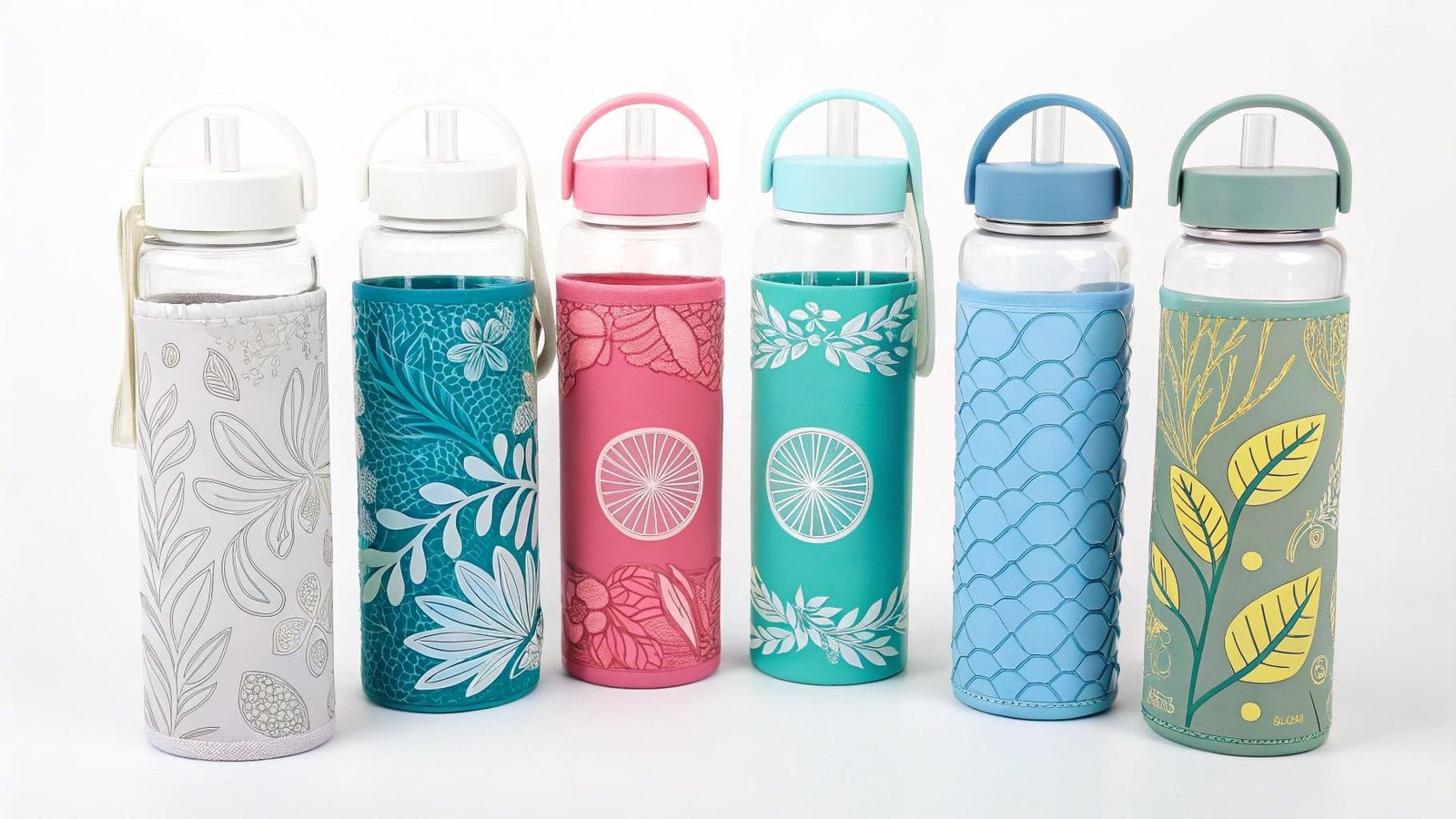
I learned this lesson the hard way. Three years ago, I shipped 5,000 black cup sleeves to a buyer in Toronto. He called me two months later. Half his stock was still sitting in the warehouse. His customers kept asking for blue and pink options. He had to discount the black ones just to move them. That taught me something important about wholesale strategy.
What Are Alternatives to Cup Sleeves?
You want heat protection for your customers' drinks. Standard cup sleeves seem basic. You wonder if there are better options that could make you more money. The alternatives exist, but each has trade-offs.
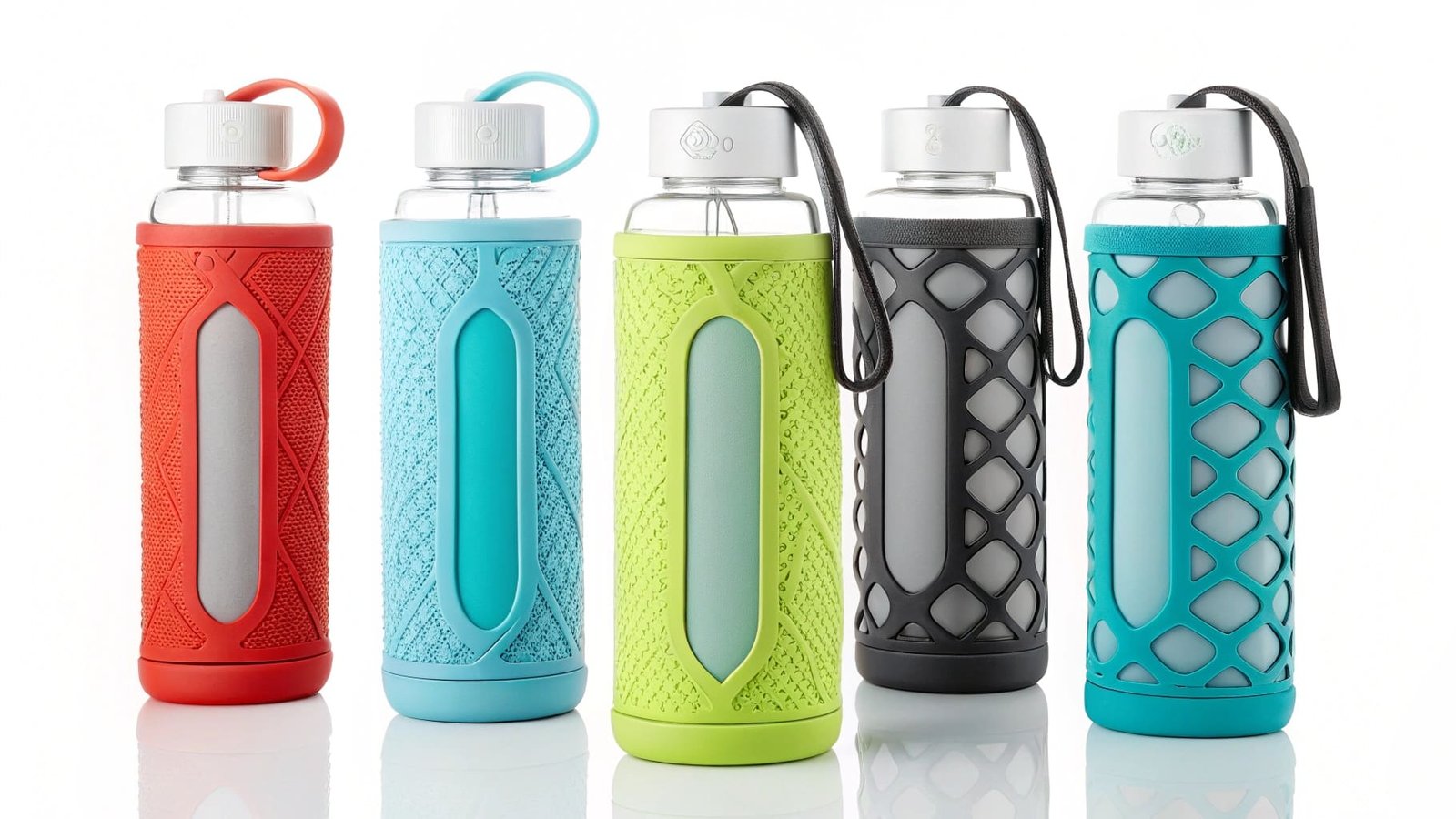
Alternatives to cup sleeves include double-walled glass cups1, insulated stainless steel tumblers, ceramic mugs with handles, and neoprene wraps. Each option provides heat protection but serves different market needs and price points compared to silicone sleeves.
Understanding the Competitive Landscape
The cup sleeve market sits at an interesting point. I see four main competitors when buyers evaluate options.
Double-walled glass cups look premium. They trap air between two glass layers. This insulation works well. But these cups cost more. They break easily during shipping. Your customers need to replace their entire cup, not just add a sleeve. This makes your initial sale larger but limits repeat purchases.
Stainless steel tumblers dominate the market right now. Every coffee shop sells them. They keep drinks hot for hours. The problem is price. A quality tumbler costs 15 to 30 dollars wholesale. A silicone sleeve costs 1 to 3 dollars. Your customers who already own glassware do not want to replace everything.
Ceramic mugs with handles are traditional. They work at home or in offices. But they are heavy. They break. Nobody carries them in a bag to work. This limits your market to stationary use only.
Neoprene wraps are the closest competitor. They insulate well. They cost about the same as silicone. But neoprene absorbs liquids. It holds odors. It wears out faster than silicone. I have tested both materials in my factory. Silicone wins on durability.
| Alternative | Wholesale Cost | Key Advantage | Main Drawback |
|---|---|---|---|
| Double-walled glass | $8-15 | Premium appearance | Fragile, higher cost |
| Stainless steel tumbler | $15-30 | Excellent insulation | Expensive, heavy |
| Ceramic mug | $5-12 | Traditional, proven | Not portable |
| Neoprene wrap | $1-3 | Good insulation | Absorbs liquids, shorter lifespan |
| Silicone sleeve | $1-3 | Durable, universal fit | Less insulation than steel |
The real opportunity is in the add-on sale. Your customer already owns a glass coffee cup. She paid 20 dollars for it. She does not want to replace it. She just wants to hold it without burning her hand. A 5-dollar silicone sleeve solves her problem. You make the sale without competing against her existing investment.
Can You Put Hot Coffee in a Silicone Cup?
You receive questions about heat safety constantly. Your customers worry about melting or chemical leaching. You need clear answers before committing to large orders. The temperature limits matter for your liability.
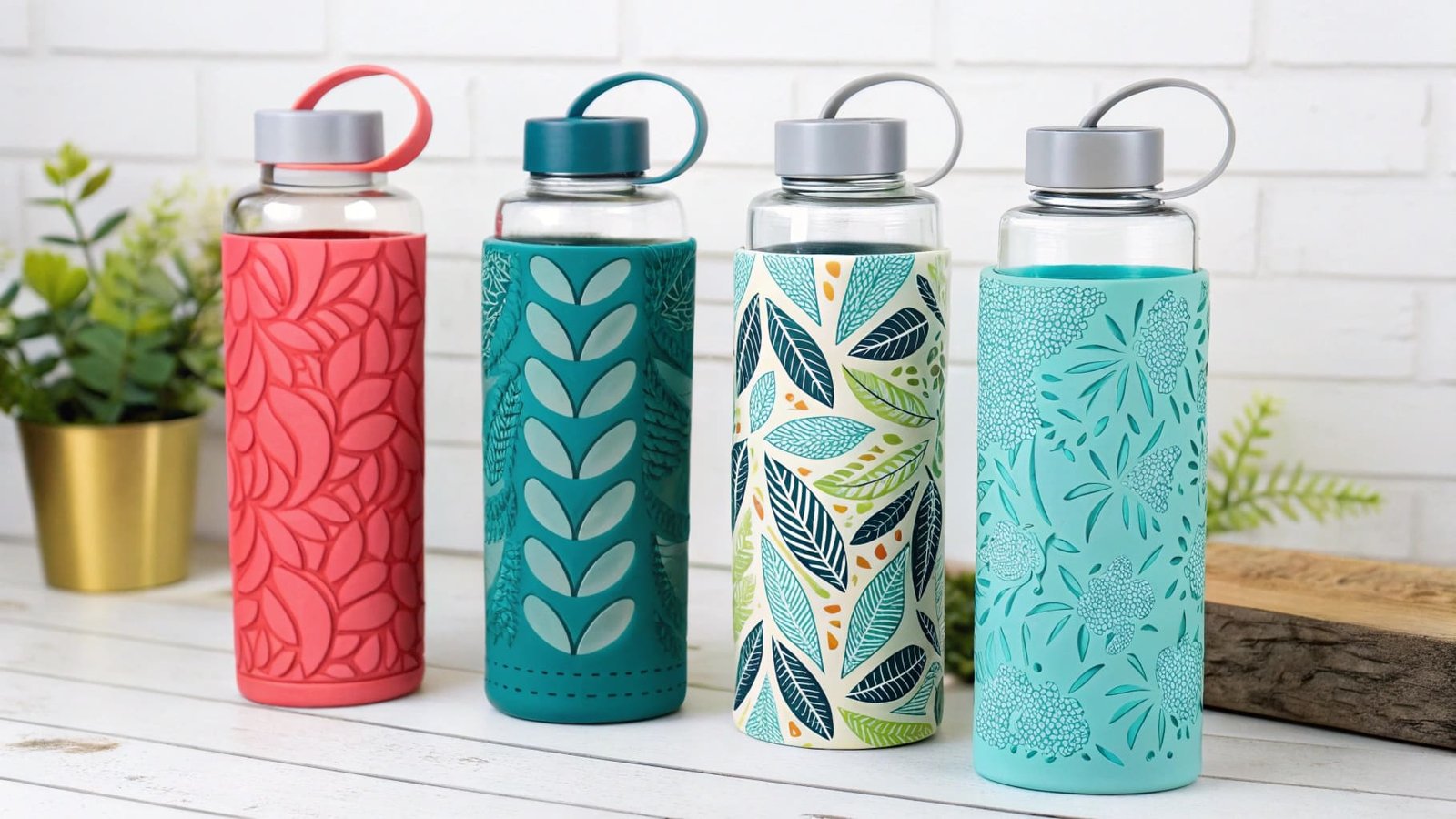
Yes, you can safely put hot coffee in cups with food-grade silicone2 sleeves. Quality silicone withstands temperatures from negative 40 to 230 degrees Celsius. Coffee typically reaches 80 to 95 degrees Celsius, well within safe limits for silicone contact.
Material Science Behind Heat Resistance
I will share what I learned from working with silicone manufacturers for eight years. The heat resistance comes from the molecular structure.
Silicone is not plastic. Many buyers confuse these materials. Plastic is carbon-based polymer chains. Silicone is silicon-oxygen bonds. This difference matters. Those silicon-oxygen bonds are incredibly strong. They do not break down at normal beverage temperatures.
Food-grade silicone comes in different quality levels. I manufacture three types in my facility. Medical-grade platinum-cured silicone is the highest quality. It costs more but handles extreme temperatures. Peroxide-cured silicone is middle grade. It works fine for most applications. The lowest grade is general-purpose silicone. I do not recommend this for products touching hot beverages.
The curing process determines the final heat resistance. Platinum curing happens at high temperatures in controlled conditions. This creates more complete cross-linking between molecules. The result is better heat stability. Peroxide curing uses chemical initiators. It costs less but produces slightly lower heat resistance. The difference is small for cup sleeves but matters for baking molds.
Testing is crucial. I test every production batch at 200 degrees Celsius for 30 minutes. The sleeve should not deform, change color, or emit odors. If it fails any test, we reject the batch. This quality control3 protects your reputation.
Real-world coffee temperatures range from 70 to 85 degrees Celsius when served. Freshly brewed coffee might reach 95 degrees. Even boiling water is only 100 degrees at sea level. All these temperatures are far below silicone's limit of 230 degrees. You have a huge safety margin.
One concern I hear often is microwave safety. Many customers heat their coffee in microwaves. Food-grade silicone handles microwave energy without problems. The material does not contain metal. It does not absorb microwave radiation the way plastic does. I have microwaved our sleeves hundreds of times during testing. No issues.
What Cups to Use to Avoid Microplastics?
Your customers read scary articles about microplastics in their drinks. They ask you for safe options. You need to provide answers backed by material science. This concern drives purchasing decisions now.
To avoid microplastics, use cups made from glass, stainless steel, or ceramic with food-grade silicone accessories. These materials do not shed plastic particles. Silicone is chemically stable and does not break down into microplastic contamination when exposed to heat or use.
The Microplastics Problem and Solution
The microplastics issue became huge in the past three years. I started seeing this concern in buyer emails around 2021. Now it appears in almost every sales conversation.
Microplastics are tiny plastic particles smaller than 5 millimeters. They come from larger plastic items breaking down. Researchers found them in drinking water, food, even human blood. This freaks people out. They want to eliminate plastic contact with their beverages.
The problem is not all "plastic-like" materials are actually plastic. This confusion costs sales if you cannot explain it clearly. Plastic refers to specific synthetic polymers. These include polyethylene, polypropylene, polystyrene, and PET. They are petroleum-based. They degrade over time, especially with heat and UV exposure.
Silicone has a completely different chemical structure. It is silicon-oxygen bonds with organic groups attached. Silicon comes from sand. The final material is inert. It does not react with acids, bases, or most chemicals. It does not break down into particles the way plastic does.
I have certificates from third-party labs testing our silicone for particle shedding. The tests involve aggressive washing, heating, and friction. No microparticles are detected. This data helps you sell to worried customers.
The comparison matters for your positioning:
| Material | Microplastic Risk | Heat Stability | Durability |
|---|---|---|---|
| Plastic cups | High - sheds particles | Poor - warps above 70°C | Low - cracks easily |
| Silicone sleeves | None - different material | Excellent - stable to 230°C | High - flexible, tear-resistant |
| Glass cups | None | Excellent | Medium - can break |
| Stainless steel | None | Excellent | High |
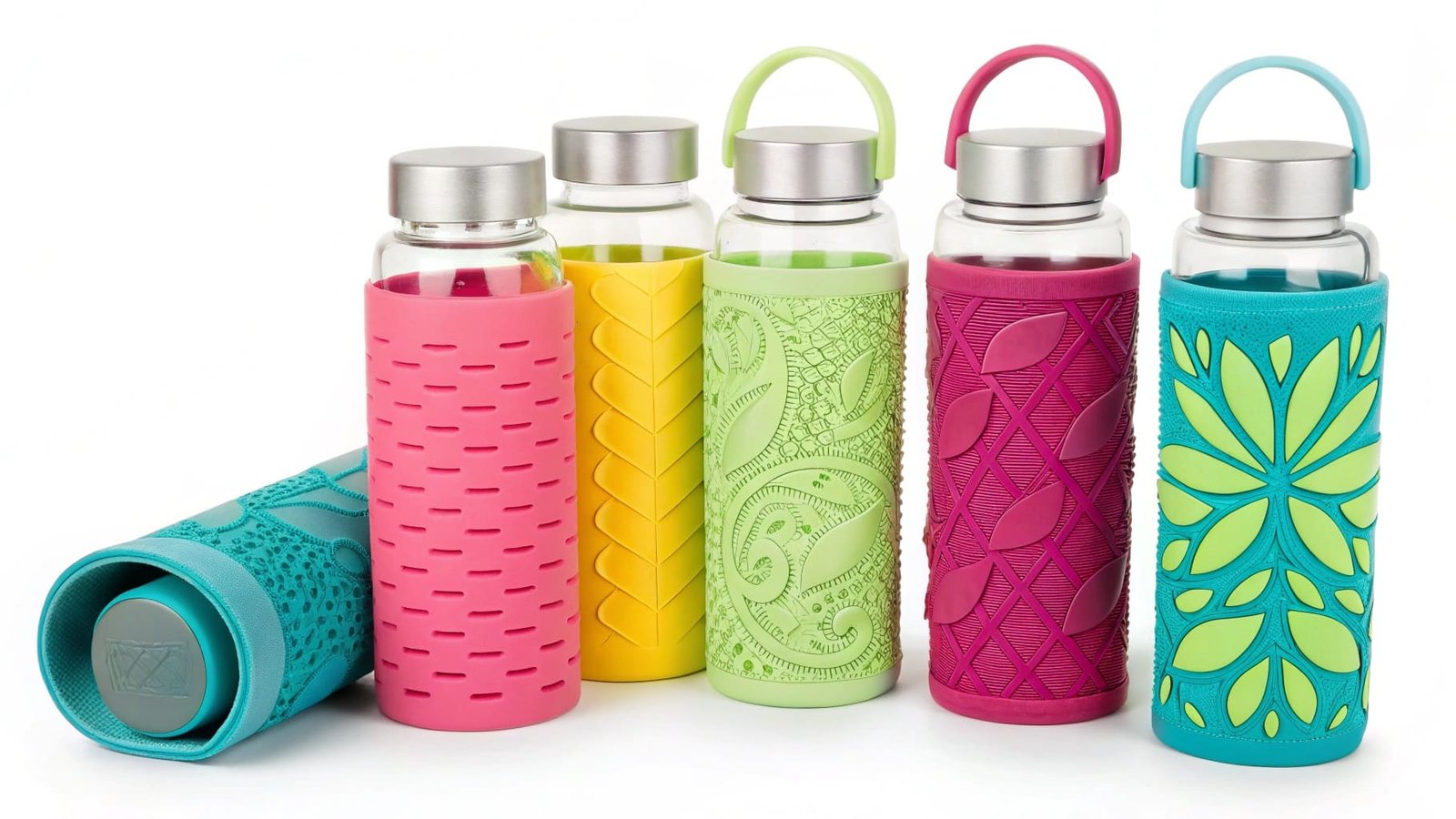
Your customers can combine materials safely. A glass cup with a silicone sleeve gives zero microplastic risk. A stainless steel tumbler with a silicone gasket seal is also safe. This is why I focus on silicone accessories rather than replacing entire drinkware.
One advantage you can emphasize is reusability. Disposable plastic cups are the biggest microplastic source. Each cup gets used once, then sits in a landfill breaking down for decades. A silicone sleeve lasts for years. Your customer uses it thousands of times. This dramatically reduces plastic waste entering the environment.
The environmental story sells well in North America and Europe. I had a buyer in Vancouver who specifically wanted silicone products to market as "microplastic-free." Her sales doubled in six months. She told me customers were actively seeking alternatives to plastic-lined paper cups.
Conclusion
Mixed-color assortments reduce your inventory risk while meeting consumer demand for variety. Silicone sleeves offer practical heat protection without microplastic concerns. These factors make them strong wholesale products for eco-conscious markets.