Do Silicone O-Rings Sets Include Color-Coded Organization for Bulk Inventory Management?
Last month, I faced a warehouse crisis at silijoy when a customer mixed up two similar-sized O-ring batches. This mistake delayed their entire production line. Color-coding could have prevented this disaster.
Some manufacturers provide color-coded silicone O-ring sets1 for inventory management, but the practice varies widely. The colors can indicate size, material grade, or temperature rating, depending on your supplier's system. Always request documentation explaining what each color represents in your specific order.
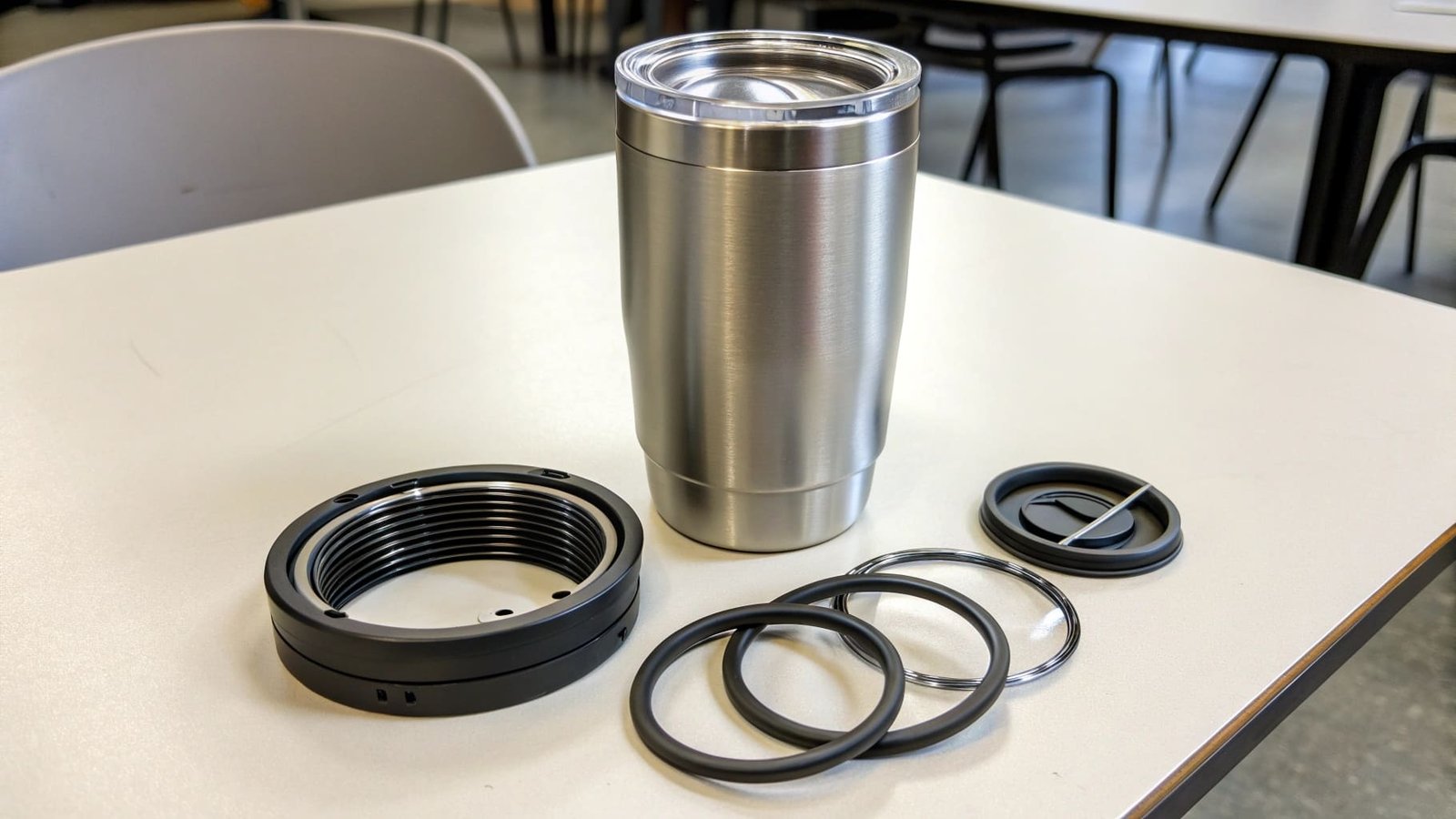
I learned this lesson the hard way during my early years running silijoy. A European client once received a mixed shipment from their previous supplier. They spent three days sorting thousands of O-rings manually. When they switched to us, I made sure we implemented a clear color system for their ongoing orders. That experience taught me that bulk buyers need more than just product quality. They need systems that prevent costly mistakes.
Do the colors of an o-ring make a difference?
You might think O-ring colors are just decorative choices. I thought so too when I started silijoy. But colors serve critical practical functions that directly impact your operational efficiency.
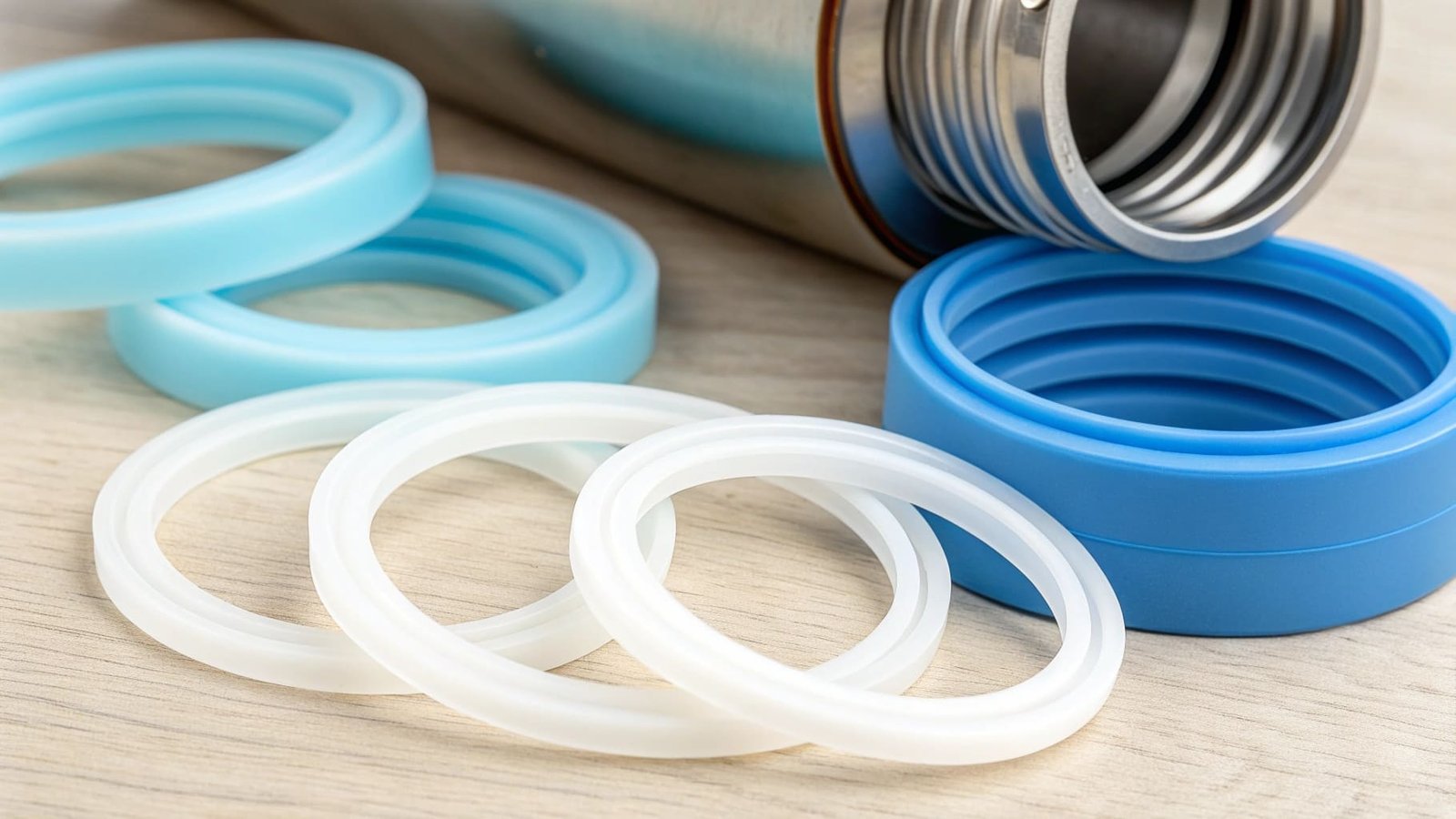
Colors can indicate material composition2, FDA approval status, or specific temperature ratings. Some suppliers use colors purely for size differentiation, while others assign colors to different silicone grades or application types. The key is understanding your supplier's specific color system.
How Colors Function in Real Applications
I remember visiting a customer's facility in Texas last year. They manufactured kitchen appliances and used our silicone O-rings in multiple product lines. Their warehouse manager showed me their inventory system. Blue O-rings went to coffee makers, red ones to blenders, and clear ones to food storage containers.
The colors themselves did not change the material properties. But they prevented assembly line workers from grabbing the wrong parts. This simple visual system reduced their error rate by nearly eighty percent.
| Color Function | Purpose | Common Usage |
|---|---|---|
| Material Identification | Distinguish silicone grades | FDA vs industrial grade |
| Size Differentiation | Quick visual sorting | Large warehouse operations |
| Temperature Rating | Indicate heat resistance | High-temp vs standard applications |
| Application Marking | Match to specific products | Multi-line manufacturing |
| Quality Level | Premium vs standard grade | Tiered product offerings |
However, I must be honest with you. There is no universal standard. What red means for my products at silijoy might mean something completely different from another Chinese supplier. This creates confusion for buyers who source from multiple vendors.
When you place bulk orders, ask your supplier to document their color system. I provide this automatically to all my B2B clients now. It should specify what each color represents and whether the colors remain consistent across future shipments.
Are O-rings color coded?
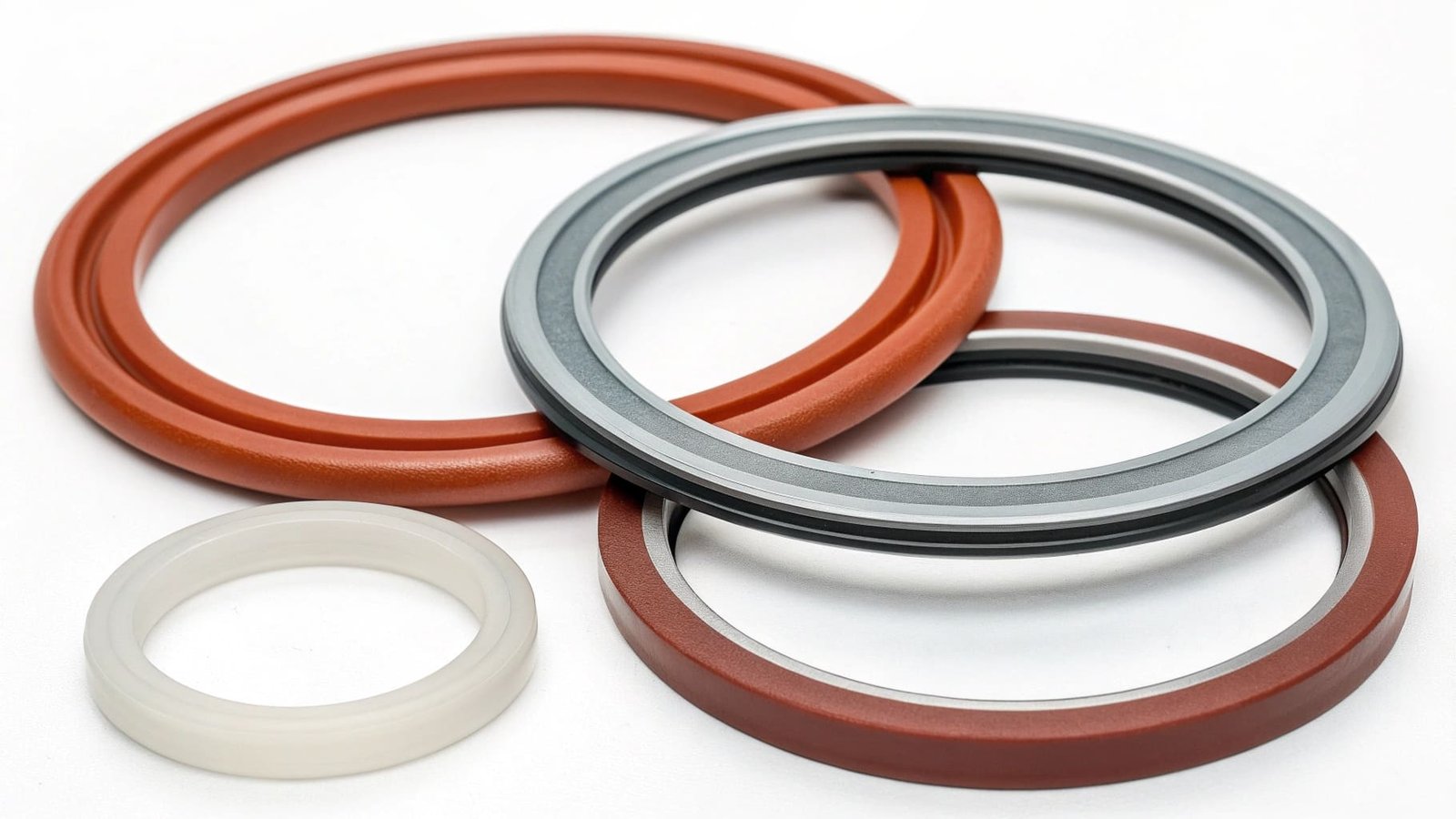
Color coding exists in the O-ring industry, but it is not mandatory or standardized. Some manufacturers embrace it, others ignore it completely. Understanding this inconsistency helps you make smarter procurement decisions.
Most industrial O-ring suppliers do not use color coding3 at all. They rely on packaging labels and SKU numbers. However, silicone O-ring manufacturers, particularly those serving B2B wholesale markets, increasingly offer color-coded options because their clients request them.
The Reality of Industry Color Coding Practices
I started offering color-coded O-ring sets five years ago after a Canadian distributor asked if I could help them manage inventory better. They were my third-largest client at the time. Their request made me research what other suppliers were doing.
I discovered that color coding is more common in consumer-facing applications than in heavy industrial uses. The reason is simple. Consumer goods manufacturers need quick visual identification for assembly line workers who may not have technical training. Industrial applications typically involve trained technicians who reference technical specifications rather than colors.
In my experience supplying to North American markets, about forty percent of B2B buyers request some form of color coding. The rest prefer standard black or clear silicone because it looks more professional in their final products.
The absence of industry standards creates both problems and opportunities. The problem is that you cannot assume colors mean the same thing across suppliers. The opportunity is that you can work with flexible manufacturers like silijoy to create custom color systems4 that match your specific needs.
I once developed a six-color system for a medical device company in Germany. Each color represented a different product line in their catalog. This was not about material differences. It was about preventing cross-contamination in their assembly process. The system worked so well that they expanded their order volume by sixty percent over two years.
If you want color coding, you must specify this during negotiation. Do not assume it comes standard. And always get written documentation of what each color means.
Are silicone o-rings better than Viton?
Neither material is universally better. The right choice depends entirely on your application environment. I tell all my clients this, even when it means they might not choose silicone.
Silicone O-rings excel in extreme temperatures, offer excellent flexibility, and provide FDA-approved options for food contact. Viton outperforms in chemical resistance, particularly against oils and fuels. Your operating conditions determine which material serves you better.
Making the Material Decision Based on Real Requirements
I made a mistake three years ago that cost me a large order. A potential client from the automotive sector contacted me about O-rings for their fuel system components. I pushed hard for silicone because that is what silijoy specializes in. I listed all the benefits of silicone. I even offered a competitive price.
They went with a Viton supplier instead. Later, I learned why. Fuel constantly contacts those O-rings. Silicone swells and degrades when exposed to petroleum-based products. Viton was the only sensible choice for their application. I should have been honest from the start and referred them to a Viton supplier.
That experience changed how I approach material recommendations. Now I ask detailed questions about the application environment before suggesting materials.
| Property | Silicone O-Rings | Viton O-Rings |
|---|---|---|
| Temperature Range | -60°C to 230°C | -20°C to 200°C |
| Flexibility | Excellent, remains flexible when cold | Good, but stiffens at low temperatures |
| Chemical Resistance | Poor against oils and solvents | Excellent against oils, fuels, chemicals |
| FDA Compliance | Available for food contact | Limited food-grade options |
| Cost | Generally lower | Generally higher |
| UV Resistance | Good | Excellent |
| Compression Set | Fair | Excellent |
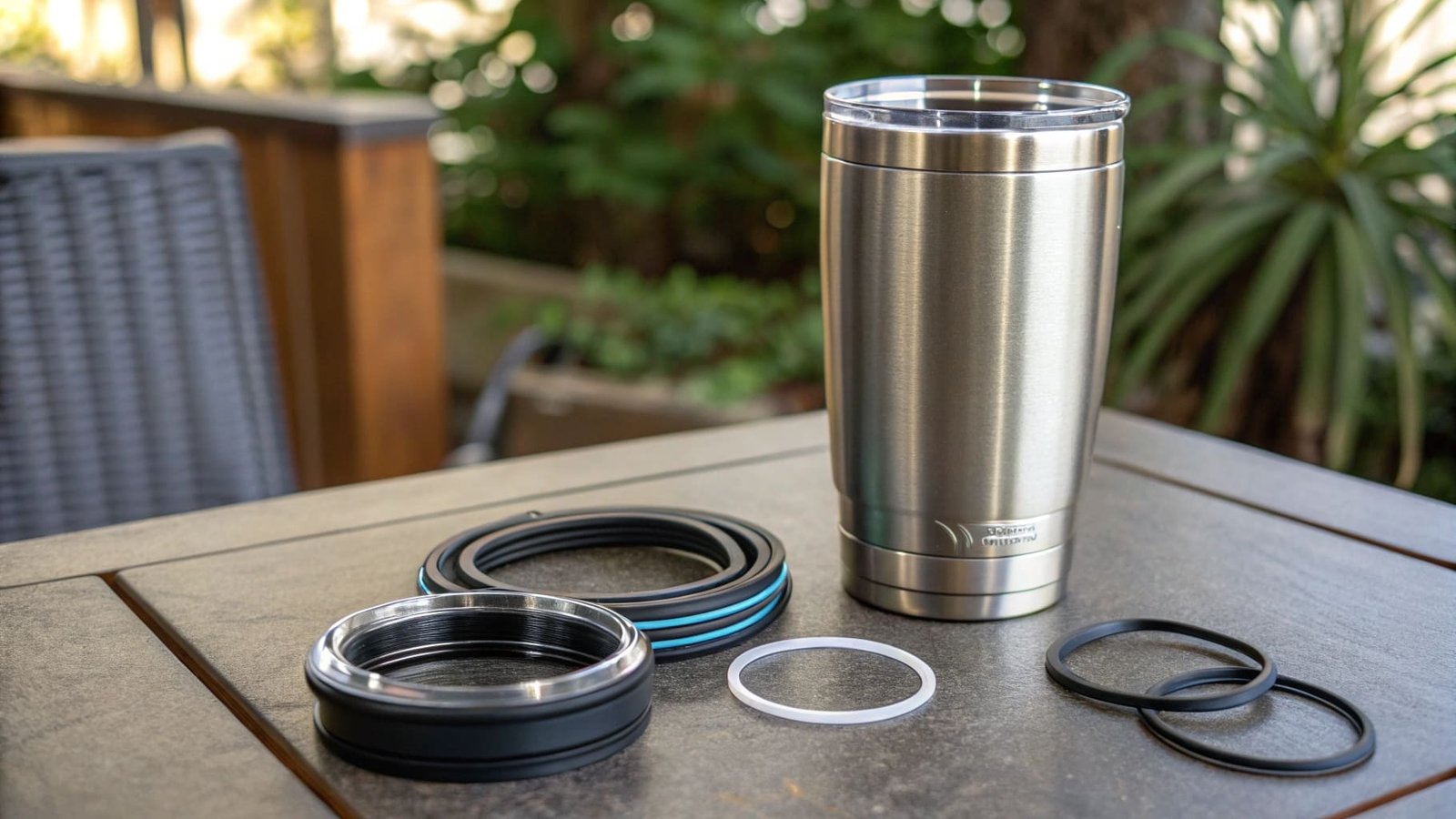
For kitchen appliances, water bottles, and medical devices, silicone is almost always the better choice. It meets FDA requirements for food contact. It stays flexible even in freezer conditions. It does not impart taste or odor to food products.
For automotive applications, industrial machinery, and chemical processing equipment, Viton usually wins. It resists degradation from oils, fuels, and aggressive chemicals that would destroy silicone in weeks or months.
I have one client who uses both materials in different product lines. They manufacture both kitchen blenders and industrial pumps. The blenders get silicone O-rings. The pumps get Viton. They order from multiple suppliers because few manufacturers offer both materials with the same quality standards.
Price differences also matter for bulk purchases. Silicone typically costs thirty to forty percent less than Viton. For high-volume consumer products with tight margins, this cost difference can determine product viability.
When you evaluate suppliers, ask for application-specific testing data. Reputable manufacturers should provide chemical compatibility charts and temperature performance data. If a supplier pushes one material for every application, that is a red flag. Material selection requires honesty about limitations, not just sales pitches.
Conclusion
Color-coded silicone O-ring sets can transform your inventory management if implemented correctly. Work with suppliers who document their systems and align colors with your operational needs for maximum efficiency.
-
Explore how color-coded systems can enhance your inventory management and prevent costly mistakes. ↩
-
Understand how material composition affects performance and application suitability. ↩
-
Discover effective color coding practices that can improve inventory accuracy. ↩
-
Find out how tailored color systems can enhance clarity and efficiency in your operations. ↩