How to Negotiate Volume Discounts on 50,000+ Unit Silicone Waterproof Gasket Orders?
You place large orders but still pay too much. Your competitors get better deals. I will show you negotiation tactics that work for volume gasket orders.
Focus on total cost instead of just unit price. Bundle your order with multiple product lines from the same supplier. Request payment term flexibility in exchange for commitment contracts. These three strategies consistently unlock discounts between 15% to 30% on orders above 50,000 units.

I have watched buyers lose thousands of dollars by focusing only on the price per piece. They miss the bigger picture. Last year I worked with a Canadian distributor who changed his approach completely. He stopped asking for lower prices and started asking better questions. His costs dropped by 22% on the same order volume. The difference was not magic. He understood what suppliers actually value in negotiations.
When Not to Use Gasket Sealer?
Your assembly line slows down when workers apply sealers incorrectly. Extra materials add hidden costs. I will explain when to skip gasket sealers entirely.
Skip gasket sealer1 when you have properly designed compression gaskets with correct groove dimensions. Avoid sealers in food-grade applications where migration risks exist. Never use sealers on joints requiring frequent disassembly for maintenance or cleaning.
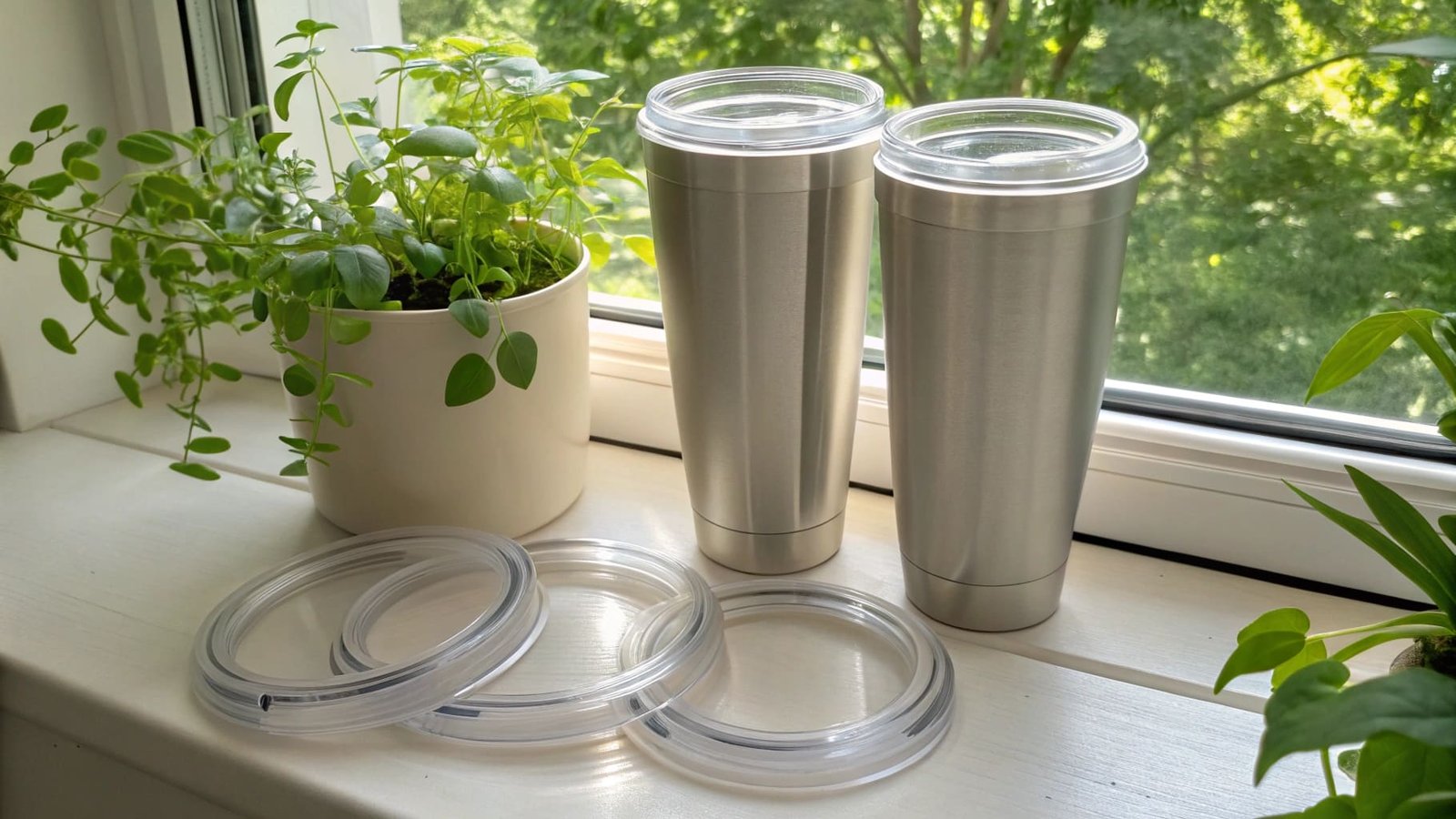
Many buyers think adding gasket sealer makes every seal better. This assumption costs money and creates problems. I learned this lesson three years ago when a client returned an entire batch of silicone gaskets. They had applied sealer to our LSR gaskets designed for dry compression sealing. The sealer migrated into their beverage system and failed FDA inspection2.
Gasket sealers create compatibility issues with certain chemicals. Your maintenance team wastes time scraping off old sealer during repairs. The correct approach is matching gasket material and design to your application from the start. When you order high-quality silicone waterproof gaskets with proper shore hardness3 and compression set properties, the gasket itself provides the seal. No additional products needed.
Consider your assembly process carefully. If your production line handles hundreds of units per hour, eliminating sealer application saves direct labor costs. One of my clients calculated they saved 47 seconds per unit by switching to properly designed gaskets without sealer requirements. Multiply that by 50,000 units and you understand the real savings.
Here is when you absolutely should avoid gasket sealer:
| Application Type | Reason to Avoid Sealer | Alternative Solution |
|---|---|---|
| Food contact surfaces | Chemical migration risk | FDA-grade LSR gaskets with proper compression |
| High-temperature environments | Sealer degradation at extreme temps | HCR silicone designed for thermal cycling |
| Frequent maintenance points | Time-consuming cleanup | Quick-release gasket designs |
| Chemical exposure areas | Compatibility unknowns | Chemically resistant silicone compounds |
Is Silicone Gasket Better Than Rubber?
You need gaskets that last longer and perform consistently. Traditional rubber fails in demanding conditions. I will compare silicone against rubber for your specific needs.
Silicone gaskets outlast rubber in temperature extremes, UV exposure, and chemical environments. They maintain flexibility from negative 60 to positive 230 degrees Celsius. Silicone resists ozone and weathering that destroys rubber gaskets within months.
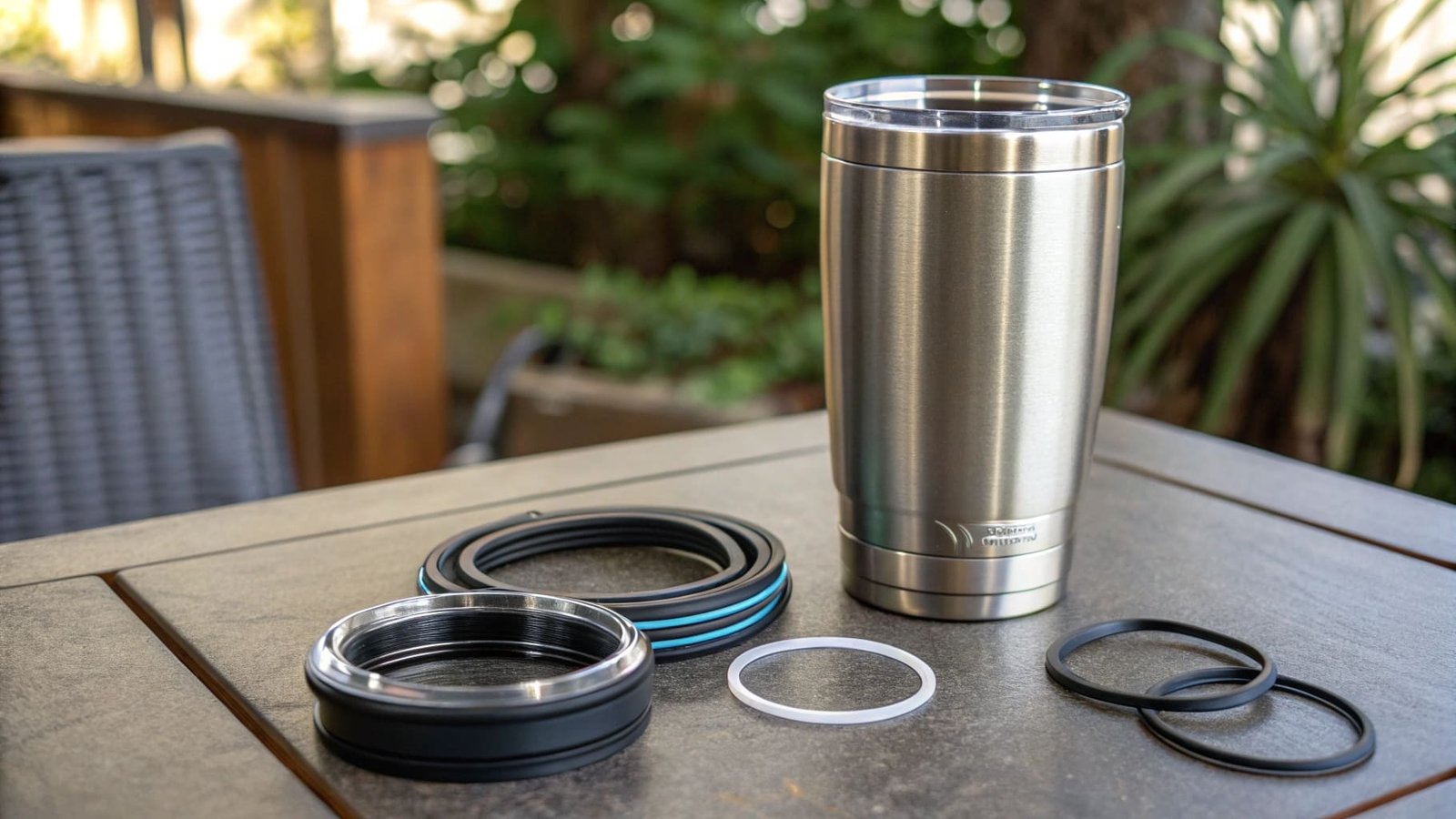
The question is not whether silicone is better in general. The question is whether silicone is better for your application. I have sold both materials for eight years. Each has its place.
Silicone wins in three critical areas that matter for waterproof gasket applications. First is temperature stability. Rubber gaskets become brittle in cold and sticky in heat. Your products fail in the field and customers complain. Silicone maintains consistent properties across extreme temperature ranges. This matters if you distribute products across Canada where temperatures swing dramatically.
Second is aging resistance. Natural rubber oxidizes and cracks when exposed to air and light. I have seen rubber gaskets fail after just six months of outdoor storage. Silicone gaskets from the same storage conditions showed no degradation after three years. For your business model, this means lower return rates and better customer satisfaction.
Third is chemical compatibility4. Rubber reacts with many common substances like oils, solvents, and cleaning agents. Silicone remains stable against most chemicals except certain concentrated acids and organic solvents. If your customers use these gaskets in industrial or marine applications, silicone provides reliability that rubber cannot match.
Cost comparison requires looking beyond purchase price. Here is what I tell every serious buyer:
| Factor | Rubber Gasket | Silicone Gasket | Business Impact |
|---|---|---|---|
| Initial unit cost | Lower | Higher by 40-60% | Affects cash flow |
| Service life | 1-2 years typical | 5-10 years typical | Reduces replacement frequency |
| Temperature range | Limited flexibility | Consistent performance | Fewer field failures |
| UV resistance | Degrades quickly | Excellent stability | Lower warranty claims |
The calculation becomes simple when you factor in replacement cycles and failure costs. A silicone gasket that costs 50% more but lasts five times longer delivers better total value. Your customers appreciate products that work reliably. This builds your brand reputation and justifies premium positioning.
What Silicone Do Professionals Use?
Your product quality depends on material specifications. Generic silicone causes problems. I will explain what professional buyers actually order.
Professional applications require either liquid silicone rubber5 (LSR) or high-consistency rubber (HCR) compounds. LSR offers superior precision for complex geometries while HCR provides excellent mechanical properties for compression gaskets. Both must meet relevant certifications like FDA, LFGB, or REACH depending on end use.
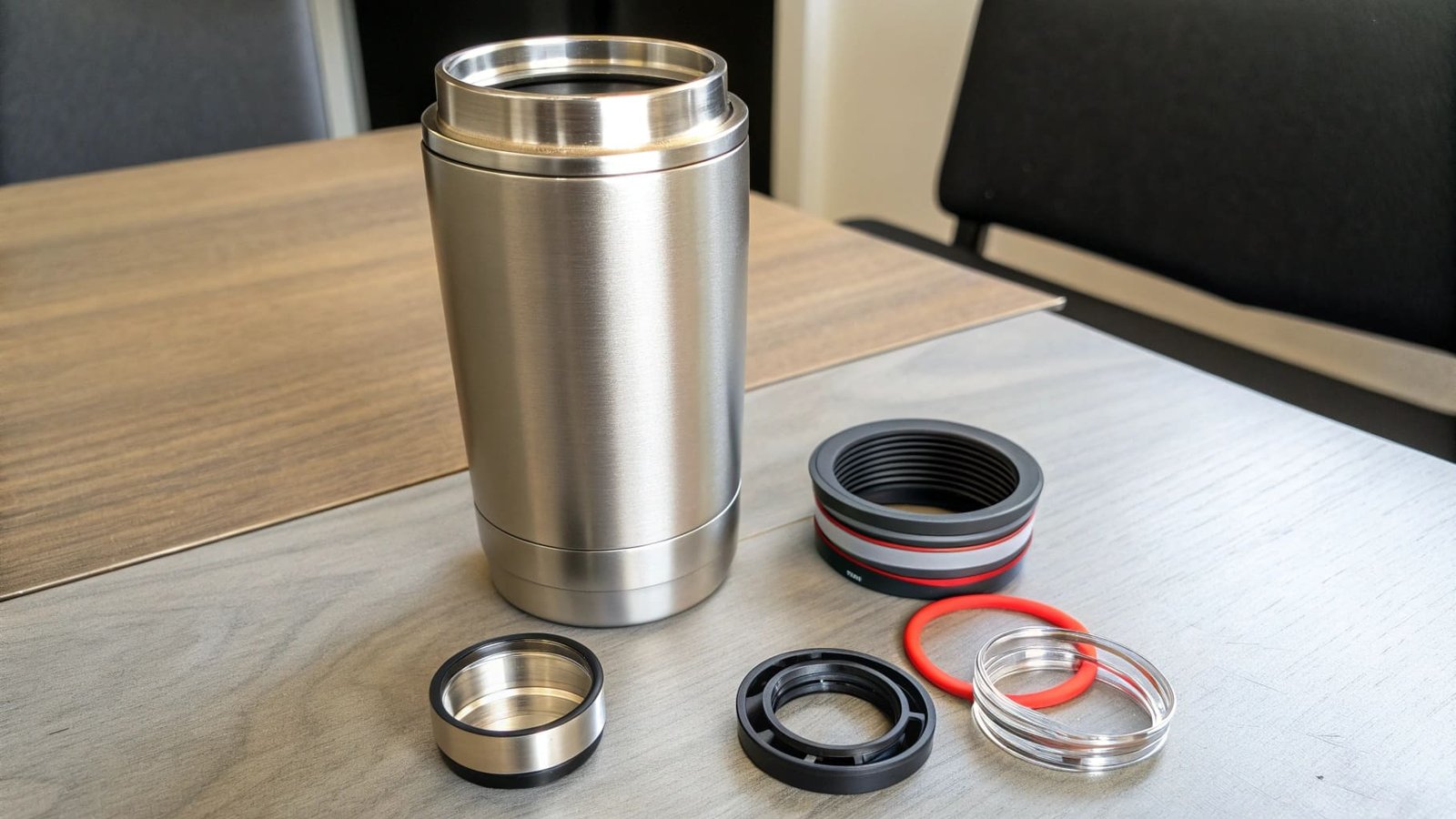
Most buyers ask for silicone without understanding there are dozens of different formulations. Each serves different purposes. I guide clients through this specification process daily because getting it right saves enormous headaches later.
LSR represents the premium choice for waterproof gasket applications requiring tight tolerances. The material flows into molds under low pressure and cures quickly. This produces gaskets with minimal flash, consistent dimensions, and excellent surface finish. We use LSR for customers who need complex seal geometries or FDA compliance for direct food contact. The material costs more but the precision justifies the premium for critical applications.
HCR works better for straightforward compression gaskets where mechanical strength matters most. The material starts as a solid compound that gets mixed with additives and then compression molded or extruded. HCR gaskets handle higher compression forces and show excellent resilience. I recommend HCR to buyers who prioritize durability over complex shapes. It offers better cost efficiency for simple O-ring and flat gasket designs.
Shore hardness selection impacts performance dramatically. Most waterproof gasket applications work best between 40A and 70A durometer. Softer compounds (40-50A) seal irregular surfaces easily but show faster compression set. Harder compounds (60-70A) require more sealing force but maintain their shape longer. Your choice depends on your application specifics.
Certification requirements drive material selection more than buyers realize. If your end customers operate in food, medical, or drinking water industries, you need silicone compounds with proper approvals. Here is what matters:
| Certification | Relevance | Testing Requirement | Impact on Price |
|---|---|---|---|
| FDA 21 CFR 177.2600 | Food contact (USA) | Migration testing | Adds 10-15% to material cost |
| LFGB | Food contact (Europe) | Heavy metal and migration testing | Adds 12-18% to material cost |
| REACH | Chemical safety (Europe) | SVHC substance compliance | Standard requirement, minimal impact |
| NSF 51/61 | Drinking water | Extraction and toxicity testing | Adds 15-20% to material cost |
When you negotiate volume orders, specify exactly which certifications you need. Suppliers quote different prices based on whether you require certified materials or not. I have seen buyers accept non-certified material to save 15% only to discover later their customers require certification. They end up scrapping entire inventories. The cheaper price becomes the most expensive mistake.
Ask your supplier about their raw material sources. Professional manufacturers use silicone from established chemical companies with consistent quality control. We source from Dow, Wacker, and Momentive depending on the application requirements. These materials cost more than generic Chinese compounds but they deliver predictable performance. When you order 50,000 units, consistency matters more than saving a few pennies per piece.
Conclusion
Master these negotiation tactics to reduce costs without sacrificing quality. Specify materials correctly and understand when to skip unnecessary additives. Your volume orders deserve professional treatment and better terms.
-
This resource explains the scenarios where gasket sealers can cause more harm than good, helping you make informed decisions. ↩
-
Understanding FDA requirements is crucial for compliance; this link provides essential information for manufacturers. ↩
-
Understanding shore hardness is key to selecting the right gasket; this link provides valuable insights. ↩
-
Learn about the importance of chemical compatibility in gasket selection to avoid costly failures. ↩
-
Explore the benefits of LSR in gasket applications and how it can enhance product quality. ↩