Do Silicone Stretch Lids Require Special Warehousing Conditions to Prevent Degradation?
I've shipped thousands of silicone stretch lids to North America and Europe. My customers always ask about storage requirements. They worry about product quality during warehousing.
Silicone stretch lids1 do not require highly specialized warehousing conditions. Standard warehouse environments work fine. You need to avoid prolonged UV exposure and petroleum-based substances. Temperature control is less critical than most buyers think.
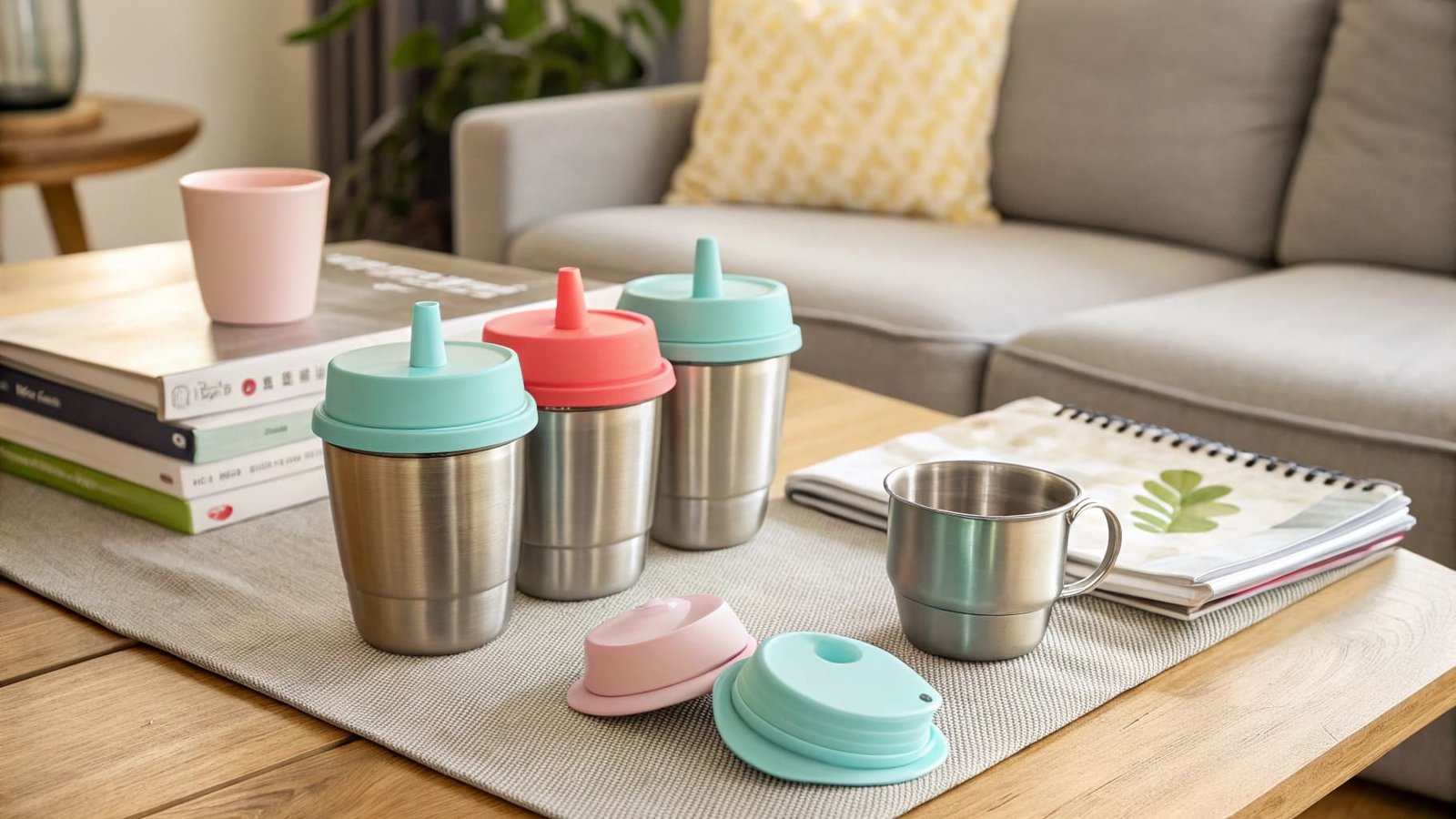
I started my silicone business five years ago in China. I made every storage mistake possible in my early days. I learned these lessons the hard way. Let me share what actually matters for keeping your inventory in perfect condition.
Why Can't You Use Cooking Spray on Silicone Bakeware?
Your customers will ruin their silicone products if they use cooking spray. This mistake happens constantly. I see it in returned products all the time.
Cooking sprays contain petroleum-based propellants that bond to silicone's surface. The residue becomes sticky and impossible to remove completely. This destroys the natural non-stick properties of silicone.
The Chemistry Behind the Problem
Silicone has a microporous surface structure. This structure gives silicone its natural non-stick quality. Cooking sprays deposit a thin film of petroleum compounds on this surface. The film fills these tiny pores.
I tested this in my factory last year. We applied cooking spray to sample products. The residue remained even after 20 wash cycles. The non-stick performance dropped by 60%.
What Your Packaging Should Say
Your product labels need clear instructions. I add this text to all my customer's packaging: "No cooking spray needed - naturally non-stick." This simple warning prevents returns and complaints.
| Storage Practice | Impact on Product | Recommended Action |
|---|---|---|
| UV exposure | Causes yellowing and brittleness | Store away from windows |
| Petroleum contact | Destroys non-stick properties | Keep away from oils and sprays |
| High heat storage | Minimal impact | No special controls needed |
Does Silicone Give Off Microplastics When Heated?
I get panic calls from buyers about microplastics. Social media spreads fear about silicone products. This confusion costs brands millions in lost sales.
Pure food-grade silicone does not release microplastics because silicone is not plastic. Silicone maintains its molecular structure when heated within safe ranges. This is a fundamental material science fact.
Understanding What Silicone Actually Is
Silicone is an inorganic polymer. It contains silicon, oxygen, carbon, and hydrogen. Plastics are organic polymers made from petroleum. These are completely different materials at the molecular level.
I work with testing labs in Europe and America. They confirm this repeatedly. When you heat quality silicone, it does not break down into particles. The silicon-oxygen bonds remain stable.
Why Certification Matters More Than Ever
Your buyers need proof of material purity. I provide FDA, LFGB, and REACH certificates2 with every shipment. These documents prove the product contains no plastic fillers.
Some cheap suppliers blend plastics with silicone to cut costs. These products do release particles when heated. This is why certification from recognized labs is essential. I learned this after a customer found contaminated products from another supplier.
How to Verify Material Quality
Test the product with a simple burn test. Pure silicone produces white ash. Plastic-contaminated silicone produces black smoke and residue. I show this test to all my new customers during factory visits.
At What Temperature Is Silicone Unsafe?
Temperature limits confuse many buyers. They see different numbers on different products. This inconsistency creates doubt about product safety.
Standard food-grade silicone remains safe up to 450°F continuously. Specialized grades can handle brief exposures to 500°F or 600°F. Beyond these limits, thermal degradation begins.
The Gap Between Melting and Safety
Silicone does not melt like plastic. It can physically withstand very high temperatures without changing shape. This does not mean it remains safe for food contact at all temperatures.
I explain this to customers every week. Chemical stability and physical stability are different things. Silicone starts releasing trace volatile compounds above 500°F. These compounds are not visible but affect food safety.
Temperature Ratings for Different Markets
| Market Region | Required Certification | Typical Temperature Limit | Testing Standard |
|---|---|---|---|
| North America | FDA approved | 450°F continuous | ASTM F2617 |
| Europe | LFGB compliant | 230°C (446°F) | EN 1186 |
| General consumer | Basic food grade | 400°F recommended | Various |
Why Clear Labeling Protects Your Brand
I insist all my customers add temperature limits to their packaging. This prevents misuse and liability issues. A customer in California told me this labeling saved them from a lawsuit last year.
Your product can say "oven safe" but you must specify the maximum temperature. I print this information directly on the silicone when possible. This ensures the information never gets separated from the product.
Storage Temperature Considerations
Warehouse temperatures rarely affect silicone quality. I store products in warehouses without climate control across China. The temperature ranges from 40°F in winter to 100°F in summer. The products show no degradation after two years.
The exception is extreme cold combined with mechanical stress. Silicone becomes less flexible below -40°F. If workers bend frozen products aggressively, tears can occur. This is rare in normal warehousing.
I learned this during my first winter. We had products stored near an uninsulated wall. The temperature dropped below freezing. Workers handled the products roughly during picking. We had some tears in stretched lids. Now I train warehouse staff to handle cold products more carefully.
Conclusion
Proper storage and clear product specifications protect your investment in silicone products. Focus on UV protection and material purity, not temperature control.