Does WD-40 Damage O-Rings in Water Bottles During Bulk Assembly Processes?
You picked the wrong lubricant. Now thousands of units are leaking. Customers are complaining. Your peak season is ruined. This happens more often than people admit.
WD-40 damages O-rings in water bottles. It is a petroleum-based solvent. It is not designed for long-term contact with rubber or silicone seals. Over time, it causes swelling, cracking, and loss of elasticity. This leads to leaks and failed products.
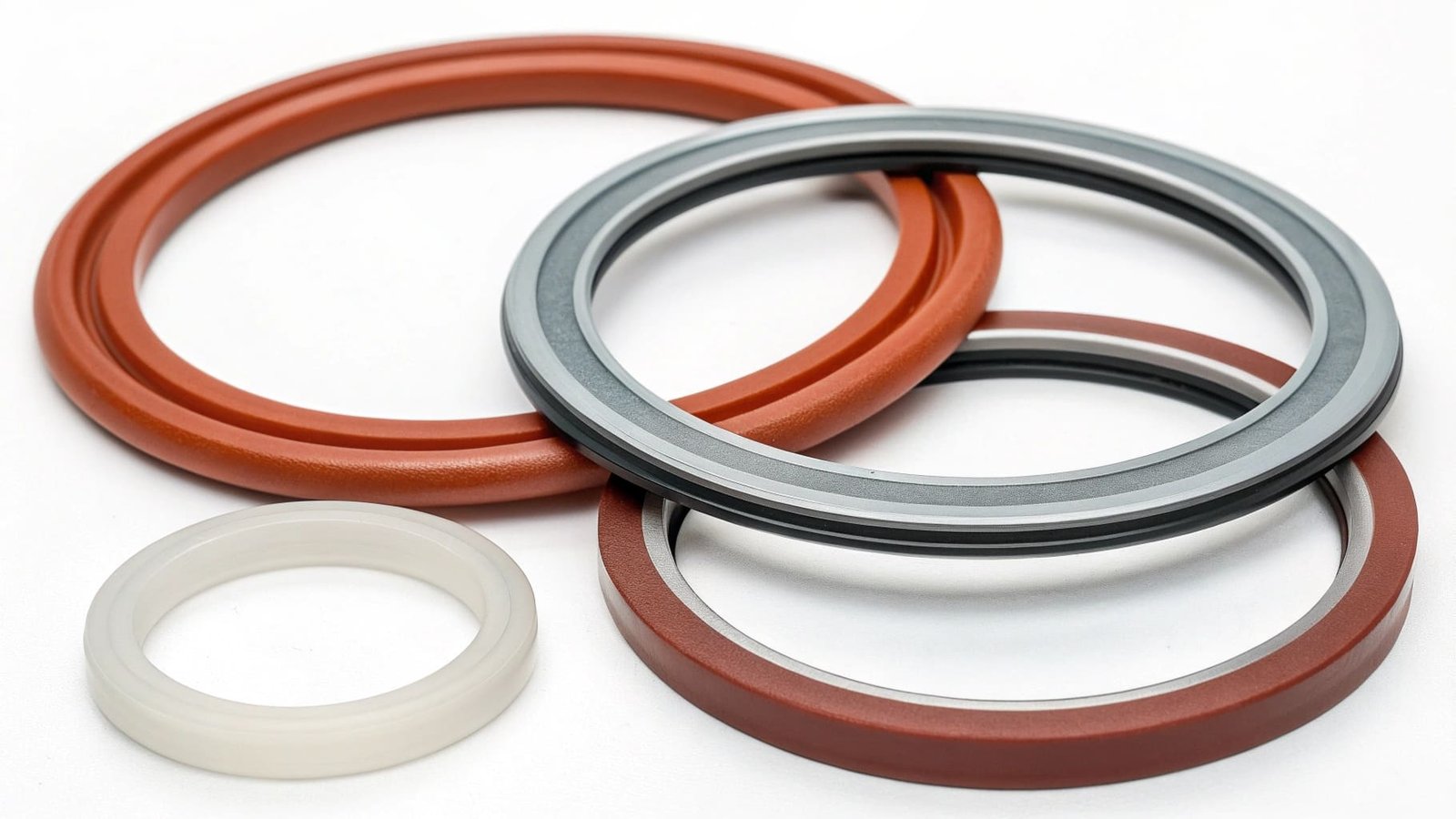
O-rings look simple. They are small. They are cheap. But they are the reason a water bottle either works or fails. I learned this the hard way. A shipment I once trusted came back with complaints about leaking lids. The root cause was traced to the lubricant used during assembly. That experience changed how I look at every single step of the production process. If you are sourcing water bottles in bulk, this matters to you too. Let me walk you through what I found.
Does WD-40 Degrade O-Rings?
You have a production line to run. WD-40 is everywhere. It seems harmless. But is it actually destroying your seals before the product even ships?
Yes, WD-40 degrades O-rings. It is a petroleum-based formula. It was made to displace water and loosen stuck parts. It was never made to sit in contact with elastomer seals for long periods. When it does, the seal material breaks down.
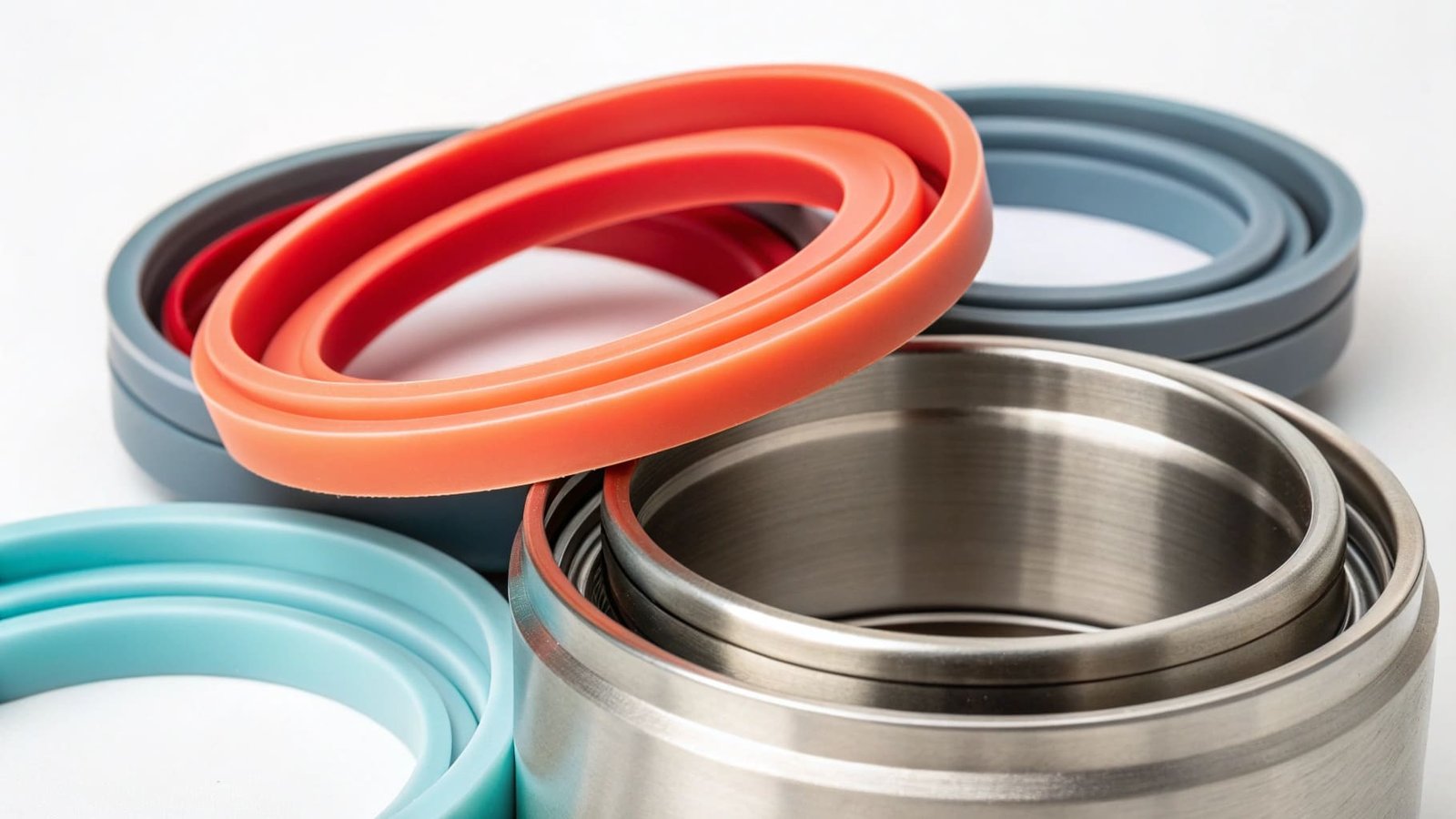
Why WD-40 Breaks Down O-Ring Materials
The damage happens at the material level. Different O-ring materials react differently to petroleum-based products.1
| O-Ring Material | Common Use | Reaction to WD-40 |
|---|---|---|
| Silicone | Food-grade water bottles | Plasticizer migration, softening over time |
| EPDM | Outdoor and thermal products | Swelling, surface cracking |
| NBR (Nitrile) | Industrial seals | Fast deterioration, visible cracking within weeks |
Silicone O-rings are the most common in food-grade water bottles.2 They are used because they meet FDA standards and handle temperature changes well. But when they contact petroleum-based products like WD-40, a process called plasticizer migration starts. The seal loses its structure. It becomes soft in some areas and brittle in others.
EPDM and NBR seals react even faster. In controlled tests, visible cracking was found within weeks of exposure. For a B2B buyer managing large production volumes, this is a serious risk. A seal that fails early means warranty claims. It means returns. It means your brand takes the hit, even if the fault started at the supplier's assembly line.
The problem is not always visible right away. The bottle may pass a basic quality check. The seal may look fine. But after a few weeks of normal use, the damage shows up. By that point, the product is already in your customer's hands.
What Lubricant Is Safe for O-Rings?
You know WD-40 is out. But your production team still needs something to help with O-ring installation. What actually works without causing damage?
Food-grade silicone lubricants are safe for O-rings.3 Vegetable-based lubricants that meet FDA approval are also safe. These options are made to work with elastomer materials. They help with installation without chemically attacking the seal.
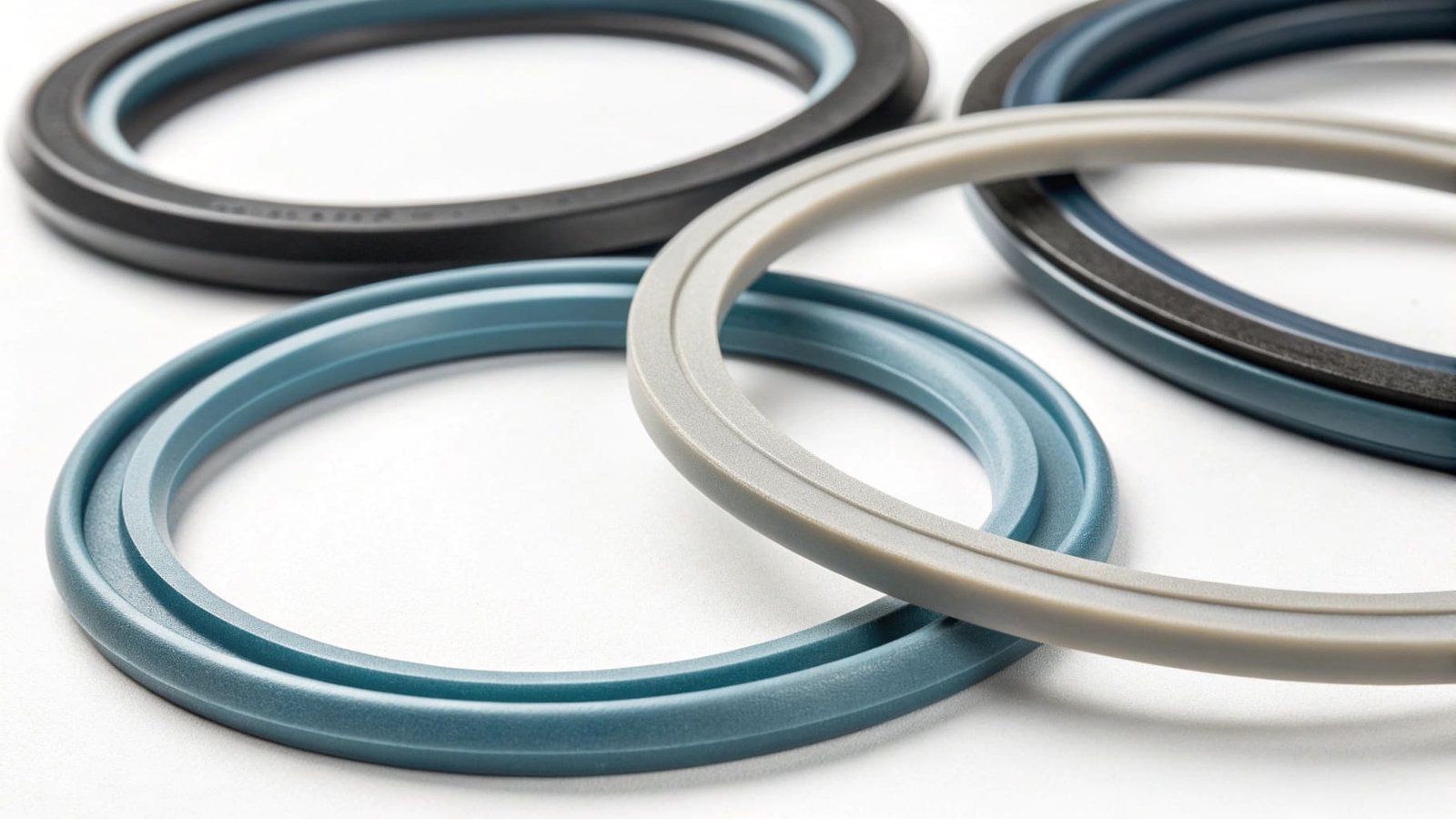
How to Choose the Right Lubricant for Bulk Assembly
Choosing the right lubricant is not just about avoiding damage. It is also about meeting the standards that matter to your customers.
The two key standards to look for are:
| Standard | What It Covers |
|---|---|
| NSF-51 | Food equipment materials, including lubricants used in food contact applications |
| FDA 21 CFR 178.3570 | Lubricants used on food-processing equipment and food-contact surfaces |
A lubricant that meets either of these standards is a safe choice for water bottle O-ring assembly. It means the product has been tested. It means there is documentation behind it.
Here is what I recommend checking when you work with a supplier:
Ask about the lubricant by name. Do not accept a general answer. Ask the supplier to name the exact product used in O-ring installation. Then look it up. Check if it carries NSF-51 or FDA 21 CFR 178.3570 certification.
Request material compatibility documentation. A good supplier will have this ready. It shows that the lubricant was tested with the specific O-ring material used in the product. If the supplier cannot provide this, that is a warning sign.
Check if they use silicone-based or vegetable-based options. These are the two main safe categories. Petroleum-based products, including WD-40, should not appear anywhere in their process.
Food-grade silicone lubricants are the most common choice in professional assembly lines. They are stable across a wide temperature range. They do not react with silicone or rubber seals. They also provide enough slip to make installation clean and fast, which matters when you are running large volumes.
The cost difference between WD-40 and a proper food-grade lubricant is small. The risk difference is enormous. One bad batch of products traced back to lubricant contamination can cost far more than the price difference between these two options.
Will WD-40 Deteriorate Rubber?
You might be thinking this only applies to silicone. Rubber is different. Maybe rubber holds up better. Does WD-40 actually deteriorate rubber too?
Yes, WD-40 deteriorates rubber. The petroleum compounds in WD-40 break down rubber at the molecular level. The rubber absorbs the solvent. It swells first. Then it loses elasticity.4 Over time, it cracks and fails.
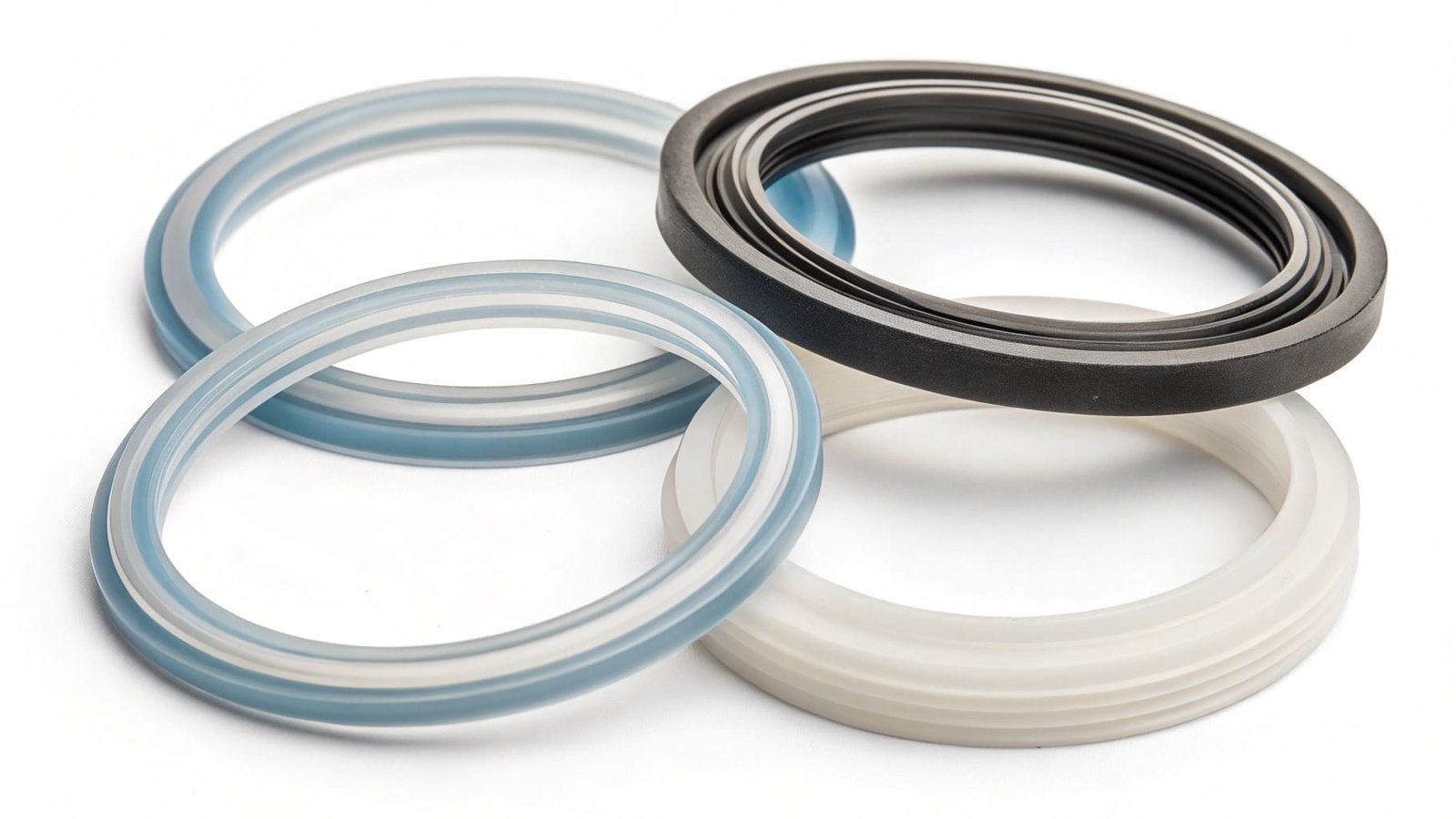
The Exact Process of Rubber Deterioration From WD-40
Rubber and silicone both fail when exposed to WD-40, but the process is slightly different.
| Stage | What Happens to Rubber | Timeline |
|---|---|---|
| Early exposure | Rubber absorbs petroleum compounds | Hours to days |
| Swelling stage | Rubber expands, fit becomes loose | Days to one week |
| Elasticity loss | Rubber loses ability to spring back | One to three weeks |
| Cracking stage | Surface cracks appear, seal fails | Two to six weeks |
Natural rubber and synthetic rubber like NBR are especially vulnerable. NBR is used in many industrial O-ring applications. It breaks down quickly when exposed to petroleum-based products. The timeline above shows that the damage moves fast.
For water bottle O-rings specifically, the repeated exposure to water makes things worse. Water does not mix with petroleum residue cleanly. The combination creates uneven stress on the seal material. This speeds up the cracking process.
From a bulk purchasing perspective, this is a hidden risk. A supplier may use WD-40 during assembly to make the process faster or because they simply do not know better. The bottles ship. They pass initial inspections. But the clock is already running on the seal's lifespan.
This is why I always ask suppliers directly about their assembly process. Not just about the product itself. The process matters. What touches the O-ring during assembly becomes part of the product's long-term performance. A third-party material compatibility certification removes guesswork. It gives you proof that the supplier's process will not shorten the life of your product.
If a supplier cannot answer questions about their lubricants, that gap in their process is your problem to manage later.
Conclusion
WD-40 damages O-rings and rubber seals. Use food-grade silicone or FDA-approved lubricants instead. Always ask your supplier for documentation. Your product quality depends on it.
-
"Which Materials are Best for Oil Resistance?", https://www.timcorubber.com/blog/archive/which-materials-are-best-for-oil-resistance/. Elastomer compatibility references distinguish silicone, EPDM, nitrile, and other O-ring materials by their resistance to petroleum oils and hydrocarbon solvents. Evidence role: expert_consensus; source type: institution. Supports: O-ring elastomers differ in resistance to petroleum-based oils and solvents.. Scope note: Compatibility tables provide general guidance and may not predict performance for a specific WD-40 formulation, exposure time, or assembly process. ↩
-
"Water Bottle Gasket - Amazon.com", https://www.amazon.com/water-bottle-gasket/s?k=water+bottle+gasket. Food-contact material references describe silicone rubber as a common material for gaskets and seals in applications involving food or beverage contact. Evidence role: general_support; source type: institution. Supports: Silicone rubber is widely used for food-contact seals and gaskets, including applications similar to water-bottle O-rings.. Scope note: Such a source would support common use in food-contact sealing generally, but may not quantify silicone as the most common material specifically in water bottles. ↩
-
"HAYNES SILICONE GREASE AND EPDM - THE PERFECT PAIRING", https://haynesmfg.com/blogs/news/haynes-silicone-grease-and-epdm-the-perfect-pairing. Food-contact lubricant standards and elastomer compatibility data support the use of appropriately certified silicone lubricants on compatible O-ring materials. Evidence role: general_support; source type: institution. Supports: Food-grade silicone lubricants can be suitable for lubricating elastomer O-rings when their food-contact status and material compatibility are documented.. Scope note: Compatibility must be confirmed for the exact lubricant formulation and O-ring material. ↩
-
"Influence of solvent quality on the swelling and deswelling ... - PMC", https://pmc.ncbi.nlm.nih.gov/articles/PMC10310356/. Studies of solvent uptake in rubber show that absorbed solvent can swell the elastomer network and change modulus, elasticity, and sealing performance. Evidence role: mechanism; source type: paper. Supports: Solvent uptake in rubber can cause swelling and changes in elastic or mechanical properties.. Scope note: The general mechanism applies broadly, but the rate and severity depend on rubber formulation, solvent composition, temperature, and exposure duration. ↩