Which Straw Hole Cup Lids Offer Leak-Proof Design for Bulk Orders?
You ordered 10,000 lids. Half leaked on arrival. Your client is furious. That is the kind of problem that kills a distribution business fast.
Leak-proof straw hole cup lids for bulk orders require three things: a silicone gasket built into the lid, a straw hole with tight diameter control, and a multi-point seal that holds under pressure1. Without all three, leaks are almost certain at scale.
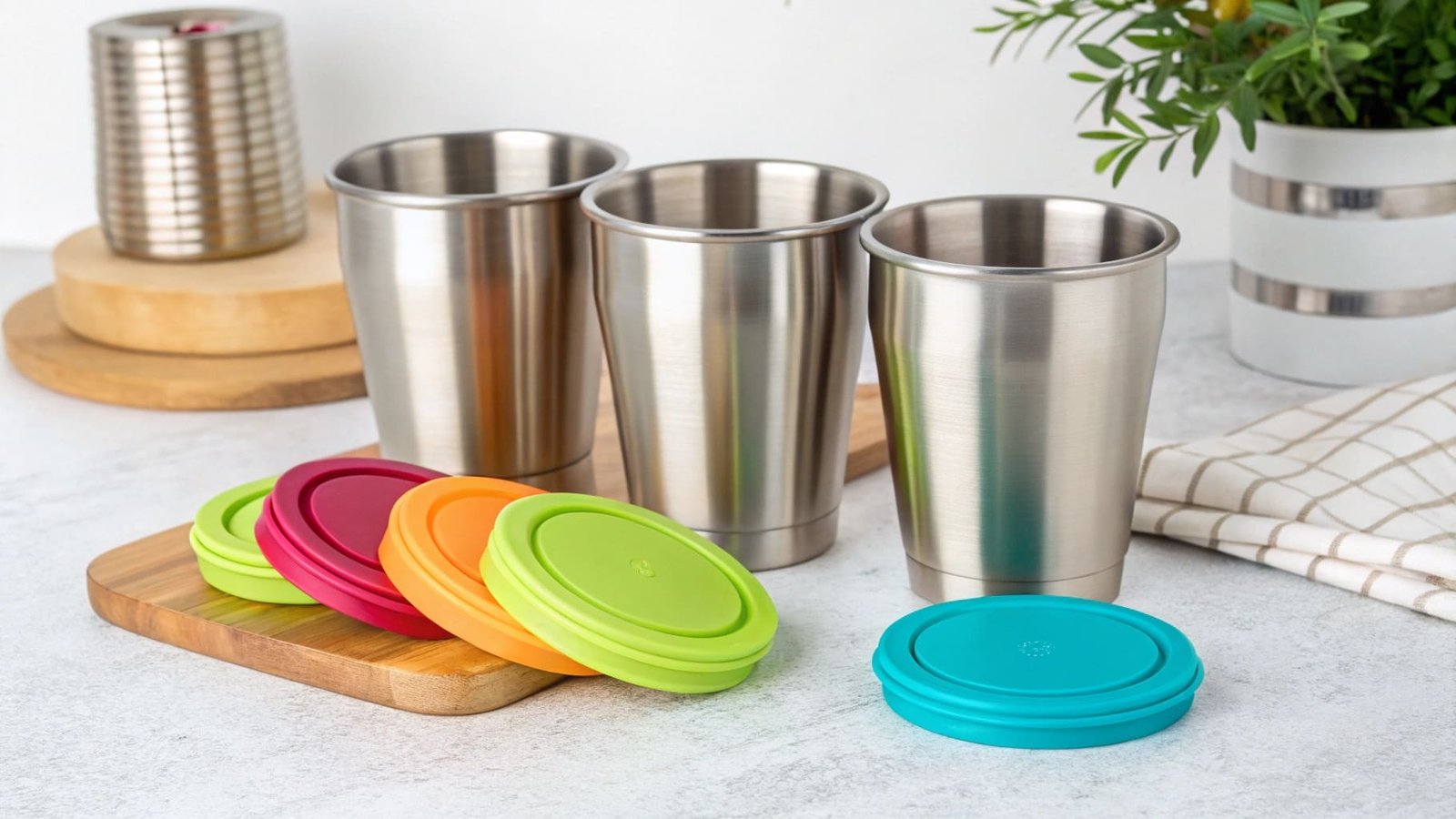
A bad lid does not just cost you a refund. It costs you a client relationship, a season of sales, and your reputation as a reliable sourcing partner. That is why understanding what makes a lid truly leak-proof is not optional. It is the foundation of every good bulk purchasing decision you make. The sections below will break this down for you, one question at a time.
What Are the Different Types of Jar Lids?
Not all lids are built for the same job. Buying the wrong type for your market means returns, complaints, and lost margin.
Jar lids fall into four main types: screw-on, snap-on, press-fit, and straw-integrated. Each type handles sealing in a different way. Screw-on lids with silicone gaskets give the strongest leak protection.2 Snap-on lids are faster to use but require tighter manufacturing tolerances. Straw-integrated lids are the most complex because they must seal around a moving part.
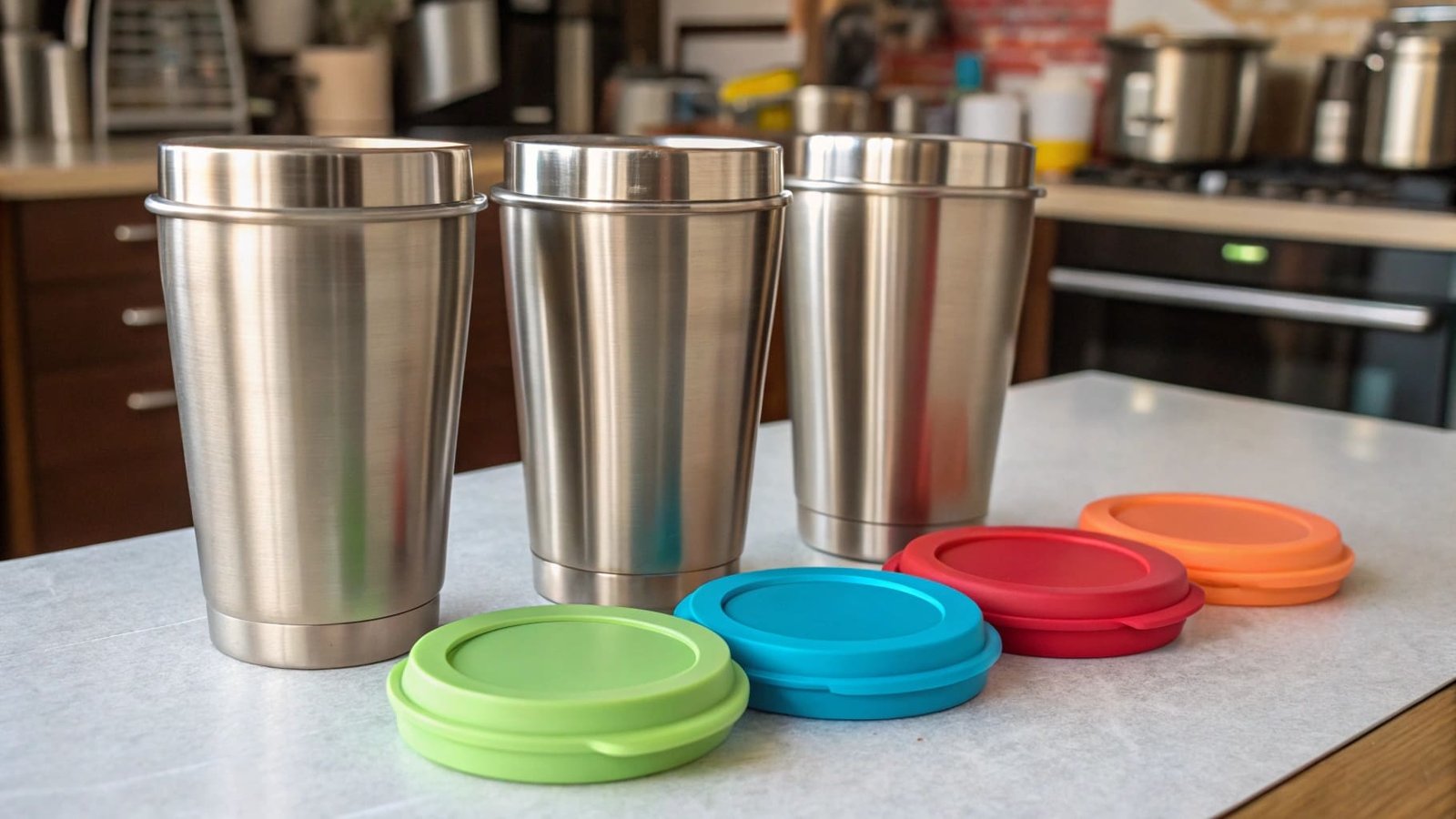
Screw-On Lids
Screw-on lids remain the most reliable option for leak prevention. The thread design creates consistent compression across the gasket as the lid tightens.3 This compression adapts when the cup expands or contracts with temperature changes. For bulk buyers, this means a lower defect rate and fewer customer complaints over time.
Snap-On Lids
Snap-on lids are popular in the coffee and convenience market. They open and close quickly, which customers prefer. The problem is tolerance control. If the snap ring is even 0.1mm too wide or too narrow, the seal breaks under pressure. When you order in bulk, small manufacturing variations across a large batch can create a percentage of leaking units that adds up fast.
Straw-Integrated Lids
Straw-integrated lids are the most demanding to manufacture correctly. The straw hole is the weakest point in the design. The hole must grip the straw firmly enough to hold a seal, but not so tightly that it restricts flow or damages the straw over time. The best designs use a silicone grommet fitted into the hole. This grommet acts as a secondary seal and also protects the lid from cracking at the stress point around the opening.
| Lid Type | Seal Method | Main Risk | Best For |
|---|---|---|---|
| Screw-On | Gasket compression | Gasket wear over time | Insulated tumblers, wide-mouth jars |
| Snap-On | Friction fit | Tolerance variation | Coffee cups, quick-serve beverages |
| Press-Fit | Interference fit | Gap from temperature change | Cold drinks, short-term use |
| Straw-Integrated | Grommet + gasket | Straw hole failure | Sports bottles, daily use tumblers |
Does the Hydroflask Straw Lid Leak?
You probably have customers asking this. Or you have seen it in reviews. Even premium lids leak sometimes, and it matters to understand why.
Yes, Hydroflask straw lids can leak. The causes are almost always one of three things: the gasket has worn down from too many dishwasher cycles, the lid was not assembled correctly at the factory, or the user did not close the lid fully. None of these are unique to Hydroflask. They apply to every straw lid on the market.
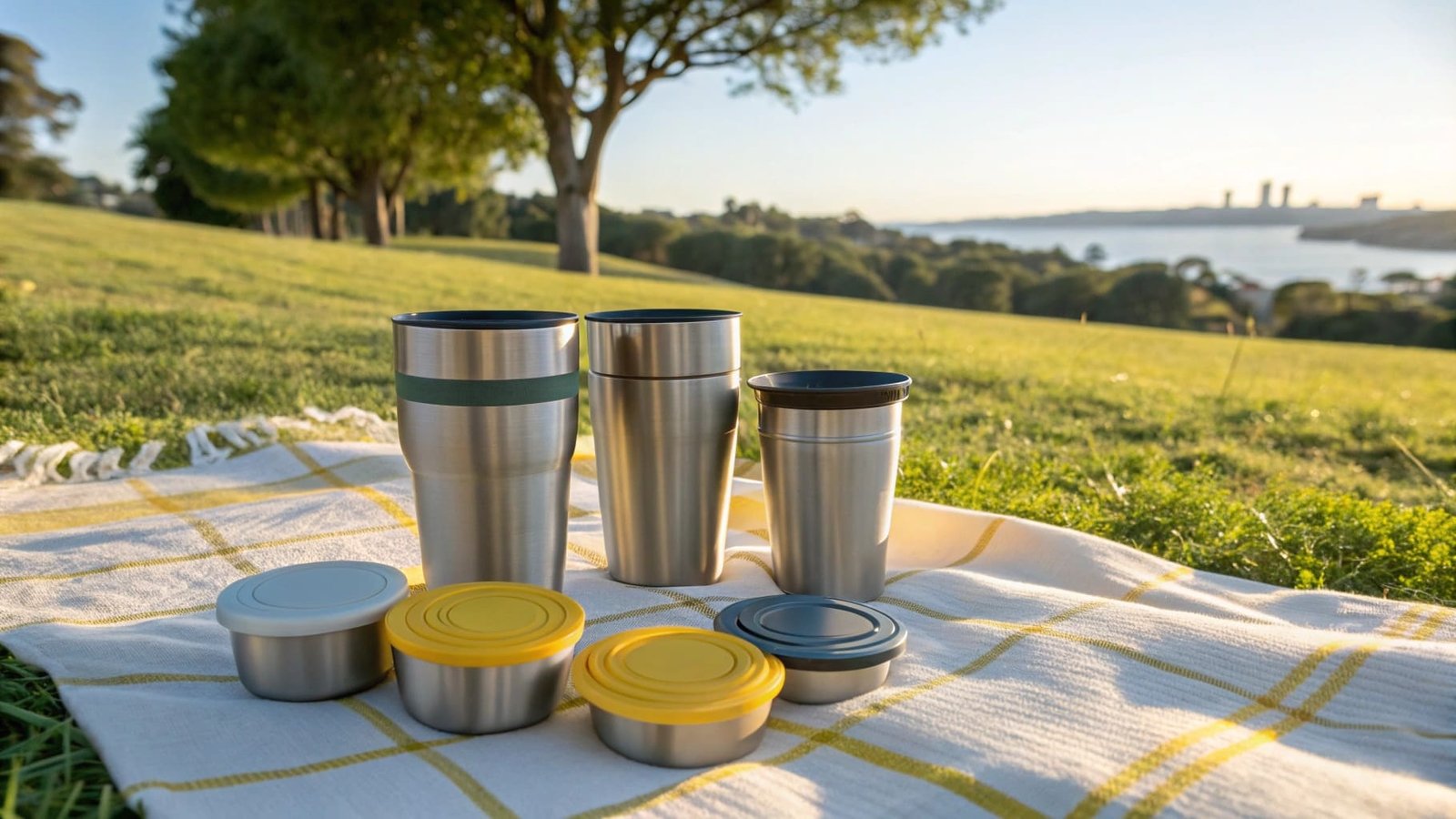
Gasket Degradation
The silicone gasket inside a straw lid is a consumable part. Heat, soap, and repeated compression wear it down over time. Most gaskets in mid-range products last between 300 and 500 wash cycles before they begin to lose their shape.4 Once the gasket flattens or cracks, the seal fails. For a B2B buyer, this means you need to know the expected gasket lifespan before you commit to a product line. Ask your supplier for test data. If they cannot provide it, that is a red flag.
Manufacturing Assembly Errors
A gasket that is seated 0.5mm off-center will leak. A straw grommet that was not fully pressed into position will leak. These errors happen when factories rush production or skip quality checks between shifts. In a bulk order of 5,000 units, even a 2% defect rate gives you 100 leaking lids. That number matters when your client resells under their own brand and holds you responsible for returns.
User Error
This is the simplest cause and the one most overlooked. Many straw lids require a specific click or twist to fully engage the seal. If the user stops short of that point, the lid sits loose and leaks. A good product design makes full closure obvious and easy. When reviewing samples, test the closure yourself. If it takes two tries to figure out how to seal it properly, your end customer will have the same problem.
| Leak Cause | Frequency | Prevention Method |
|---|---|---|
| Gasket wear | High over time | Request gasket lifespan data from supplier |
| Assembly error | Medium | Require pre-shipment drop test protocol |
| User error | Medium | Test closure design during sample review |
| Temperature expansion | Low | Specify gaskets rated for full temperature range |
Why Do Coffee Cup Lids Leak?
Coffee cup lids are everywhere. They also leak more than almost any other lid category. There is a clear reason for this.
Most coffee cup lids leak because they were designed around cost, not engineering. Thin plastic construction, no silicone seal layer, and poorly placed vent holes all create paths for liquid to escape. This is not an accident. It is the result of price pressure in a high-volume, low-margin product category.
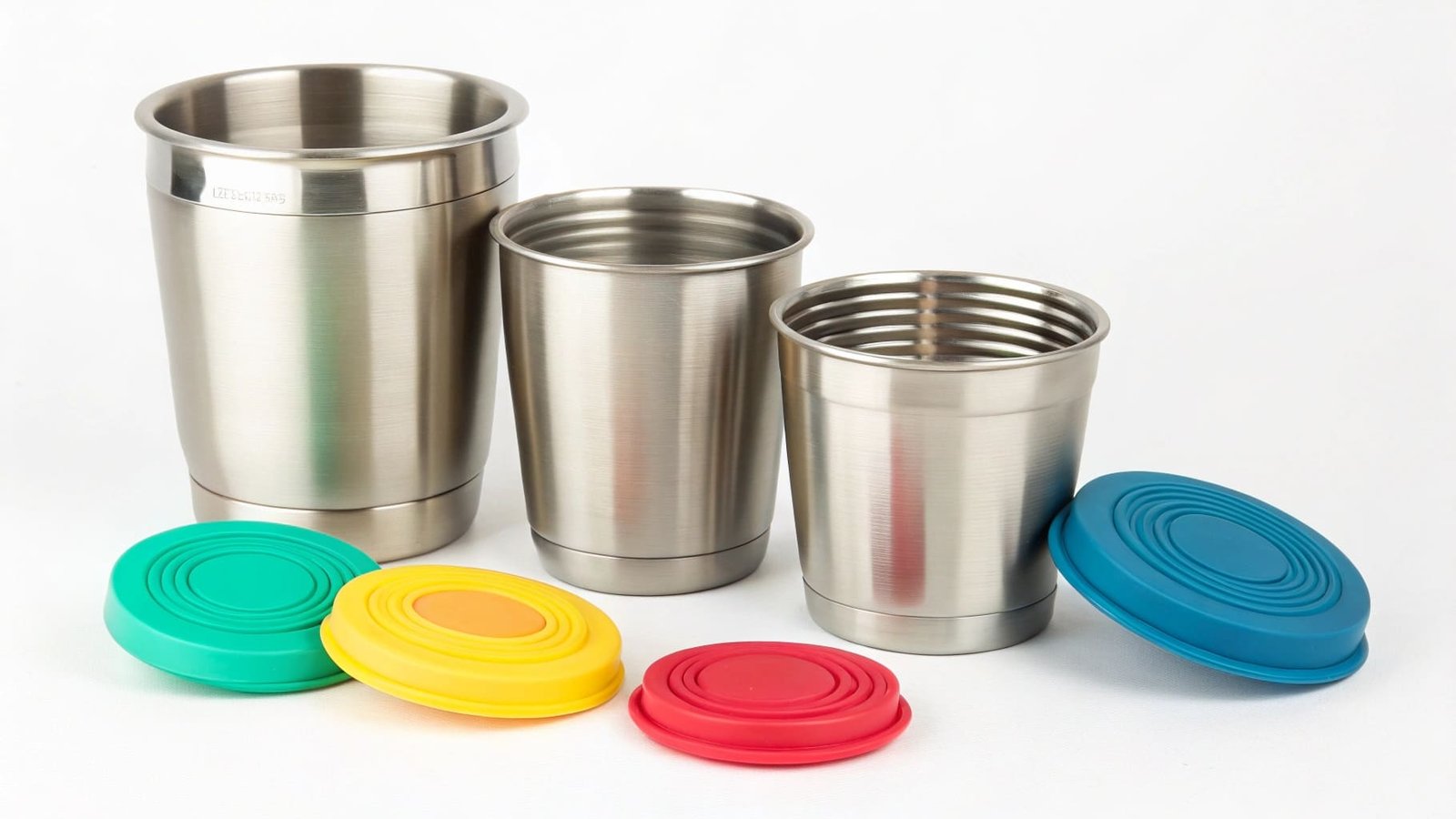
The Vent Hole Problem
Every hot drink lid needs a vent hole to let air in as liquid flows out. Without it, the cup creates a vacuum and the flow stops.5 The problem is that the vent hole is also a leak point. If the hole is too large, liquid escapes through it when the cup tips. If it is placed too close to the drink opening, surface tension breaks and liquid runs out. Good lid design puts the vent hole at a calculated distance from the main opening and sizes it precisely for the viscosity of the intended drink. Cheap lids skip this calculation entirely.
Missing Silicone Seal Components
A plastic lid pressed onto a paper or plastic cup relies entirely on friction to stay in place. There is no gasket. There is no compression seal. If the cup rim is even slightly irregular, there is a gap. Adding a silicone seal strip around the inside of the lid changes this completely. The silicone fills the small gaps that rigid plastic cannot. For bulk buyers sourcing lids for premium drinkware, this is the single most important upgrade you can specify. It adds a small cost per unit but eliminates the most common failure point.
Structural Rigidity
Thin plastic lids flex when gripped. That flex breaks the contact between the lid and the cup rim.6 A lid made from thicker PP or Tritan material keeps its shape under pressure. When you pair rigid structure with a silicone seal, you get a lid that holds its position and its seal at the same time. When reviewing bulk samples, press the lid firmly at the edges while it is seated on a cup. If you can feel movement or hear air escaping, the rigidity is not sufficient.
| Design Flaw | Effect | Fix to Specify |
|---|---|---|
| Oversized vent hole | Liquid escapes on tilt | Request calculated vent placement with diameter spec |
| No silicone seal | Gap at cup rim | Specify silicone seal strip on lid interior |
| Thin plastic body | Flex breaks seal | Request PP or Tritan with minimum wall thickness |
| No gasket around straw hole | Leak at straw | Specify silicone grommet at straw hole |
What Specifications Should You Demand for Bulk Procurement?
Knowing that a lid looks good in photos is not enough. Bulk orders need documented, testable specs that protect your business.
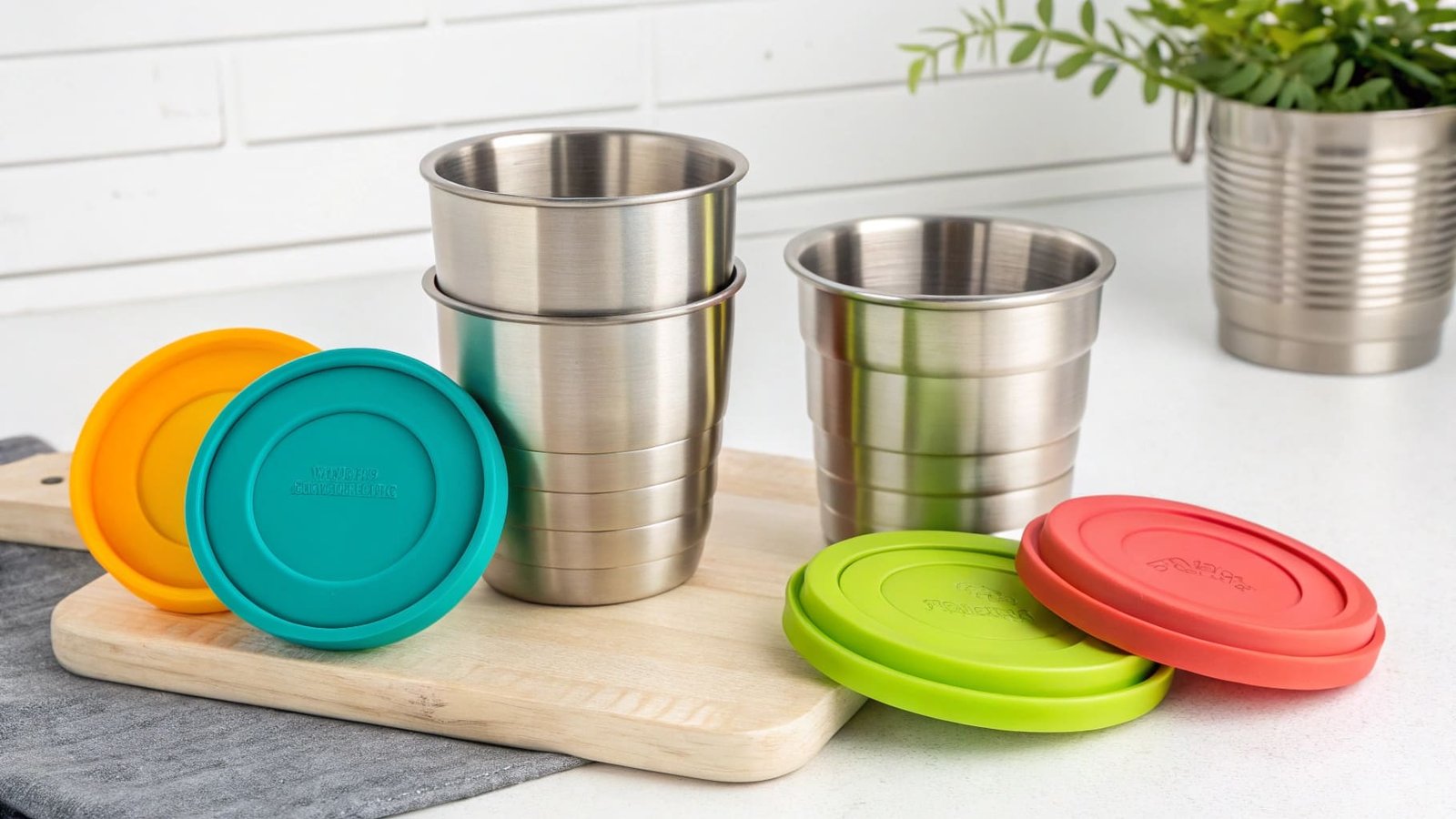
For leak-proof bulk orders, specify dual-material construction: a rigid PP or Tritan body for structure, paired with FDA or LFGB certified food-grade silicone for all sealing components. Require written documentation showing zero failures after 50 drop cycles from 1.2 meters. For temperature-sensitive applications, request gaskets rated from -40°C to 230°C.
Certification Requirements
FDA and LFGB certifications confirm that the silicone used in the lid meets food-contact safety standards.7 These certifications matter to your end buyers in North America and Europe. Suppliers in China can provide these, but you must ask for them specifically and verify the issuing body. Certificate fraud is a real risk in this category. If the document looks generic or the certification number does not match a verifiable database, reject it and request a fresh test report from a recognized lab.
Drop Test Protocol
A drop test simulates real-world handling. The standard I recommend specifying is 50 drops from 1.2 meters onto a hard surface, with the lid filled to 80% capacity. After each drop, the lid is checked for leaks, cracks, and gasket displacement. Zero failures across the full 50-drop sequence is the minimum acceptable result. Ask for this test to be conducted on your specific SKU, not a generic product line sample. If your supplier refuses or cannot provide this, treat it as a disqualifying issue.
Pre-Production Sampling
Before committing to a full bulk order, always run a pre-production sample run of at least 50 to 100 units. Test them yourself. Fill them, seal them, shake them, drop them, and run them through a dishwasher cycle. The sample stage is the only point where you can catch manufacturing problems before they become your inventory problem. Build this stage into your standard sourcing process and never skip it, even with suppliers you have worked with before.
| Specification | Minimum Standard | Purpose |
|---|---|---|
| Material - Body | PP or Tritan | Structural rigidity |
| Material - Seal | Food-grade silicone | Gap-filling compression seal |
| Certification | FDA or LFGB certified | Market compliance in North America and Europe |
| Drop Test | Zero failures, 50 drops, 1.2 meters | Real-world handling verification |
| Temperature Range | -40°C to 230°C (gasket) | Hot-fill and cold storage performance |
| Straw Hole Seal | Silicone grommet, press-fitted | Straw interface leak prevention |
Conclusion
Leak-proof lids require the right materials, tight manufacturing tolerances, and verified test results. Demand all three before placing any bulk order.
-
"Elastomeric Gasket Types - MPRC Seals", https://mprcseals.com/elastomeric-gasket-types/. Engineering literature on elastomeric sealing supports that gasket compression and controlled mating dimensions are central mechanisms for preventing leakage at closure interfaces. Evidence role: mechanism; source type: research. Supports: Elastomeric gaskets and controlled interfaces reduce leakage by maintaining compression and closing dimensional gaps under pressure.. Scope note: The source may support the sealing mechanism generally rather than testing this exact straw-lid design. ↩
-
"[PDF] Closures for Glass Containers - Food Safety and Inspection Service", https://www.fsis.usda.gov/sites/default/files/media_file/2021-04/17-Closures-for-Glass-Containers.pdf. Closure-design research indicates that threaded caps with elastomeric gaskets can provide repeatable circumferential compression, which is associated with improved leak resistance. Evidence role: general_support; source type: research. Supports: Threaded closures with gaskets can generate repeatable compression around the sealing surface, improving leak resistance.. Scope note: The evidence is likely to support the general principle rather than prove superiority over every snap-on or press-fit lid. ↩
-
"Threaded Closures | TUBE TURNS® Products", https://www.tubeturns.com/products/threaded-closures/. Studies of threaded closures describe how applied torque produces axial compression on a liner or gasket, forming the mechanical basis for leak-tight sealing. Evidence role: mechanism; source type: paper. Supports: Threaded closures convert applied torque into axial compression on the sealing liner or gasket.. ↩
-
"[PDF] design and analysis of silicone gasket sealing for waterproof", https://rex.libraries.wsu.edu/view/pdfCoverPage?instCode=01ALLIANCE_WSU&filePid=13338221280001842&download=true. Durability testing data for silicone gaskets under repeated dishwasher-cycle exposure should be cited to substantiate the claimed 300–500 cycle service-life range. Evidence role: statistic; source type: research. Supports: Repeated dishwasher exposure can reduce gasket shape retention or sealing performance after a measurable number of cycles.. Scope note: The exact range may vary by silicone formulation, detergent, temperature, and gasket geometry. ↩
-
"Water flow stops almost immediately when the top straw is ...", https://www.instagram.com/reel/DYS9MQZvt87/. Fluid-mechanics teaching sources explain that air must enter a draining container to replace displaced liquid; otherwise negative pressure develops and inhibits flow. Evidence role: mechanism; source type: education. Supports: Liquid leaving a container must be balanced by air entry to avoid a pressure drop that restricts flow.. ↩
-
"Metal Packaging: From Monolithic Containers to Hybrid ... - PMC", https://pmc.ncbi.nlm.nih.gov/articles/PMC13027902/. Research on plastic component stiffness and packaging deformation supports that thinner sections deform more under handling loads, which can disrupt sealing contact at a rim interface. Evidence role: mechanism; source type: research. Supports: Reduced wall thickness and lower stiffness in plastic components increase deformation under load, which can disturb sealing contact.. Scope note: The evidence may be based on general plastic packaging mechanics rather than disposable coffee-lid tests. ↩
-
"Food Packaging & Other Substances that Come in Contact with Food", https://www.fda.gov/food/food-ingredients-packaging/food-packaging-other-substances-come-contact-food-information-consumers. Regulatory sources from FDA and German or EU food-contact authorities establish that food-contact materials must meet applicable safety requirements before use with food and beverages. Evidence role: definition; source type: government. Supports: FDA and German/EU food-contact frameworks define requirements for materials intended to contact food, including relevant silicone or rubber materials.. Scope note: The citation should clarify that FDA compliance is not the same as an FDA-issued product certification. ↩