How Does Liquid Get Stuck in Straws When Covering the Top During Manufacturing?
You place your finger on top of a straw filled with liquid, lift it up, and the liquid stays inside. This simple trick puzzles many people, but the science behind it affects how I design silicone straws for wholesale buyers.
The liquid stays trapped because atmospheric pressure pushes up from below while reduced air pressure inside the sealed straw pushes down. This pressure difference holds the liquid in place until you remove your finger and air enters the straw.
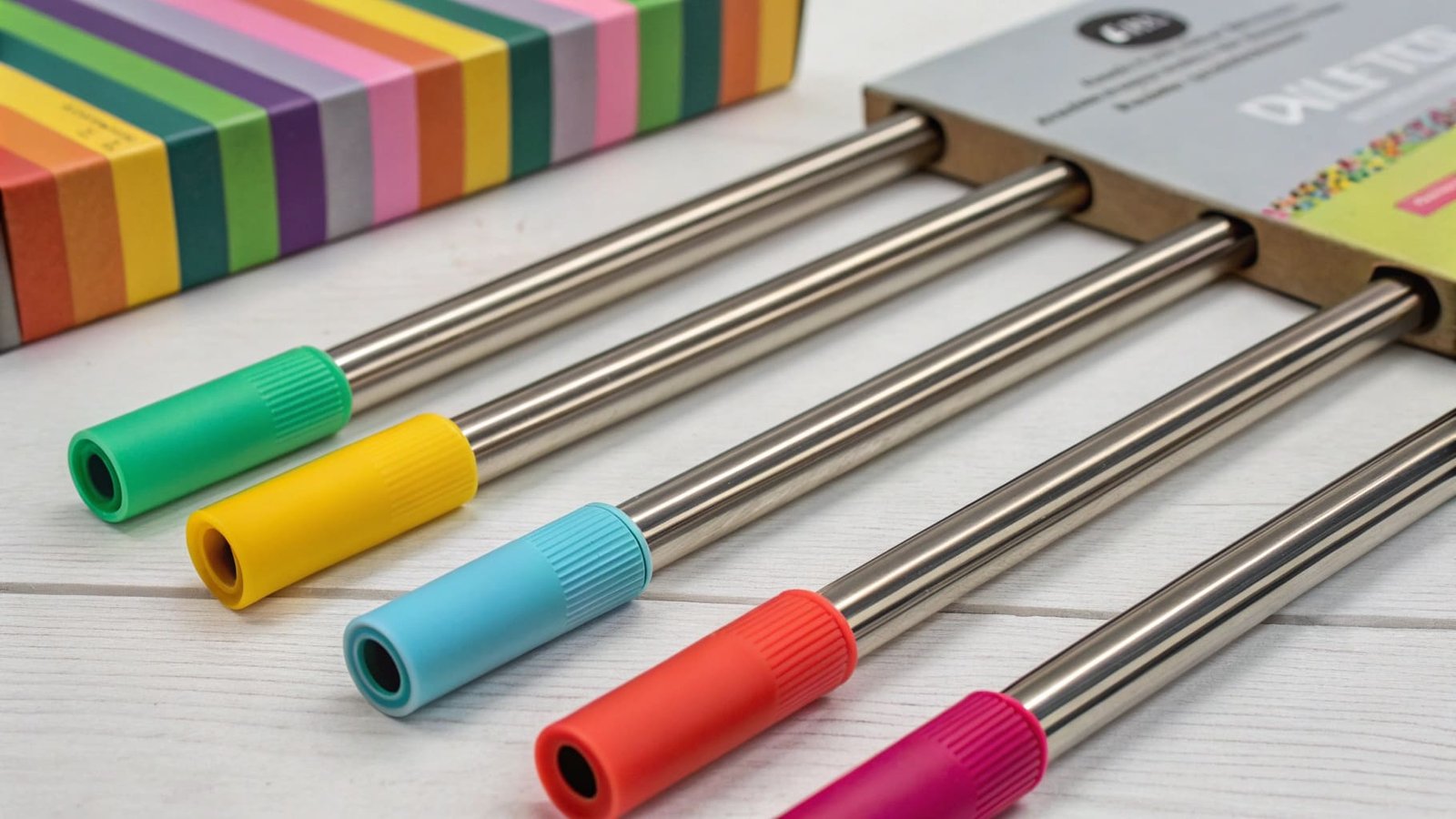
I have been manufacturing silicone straws1 for over ten years, and this basic physics principle shapes every design decision I make. Understanding why liquid behaves this way helps me create better products for my B2B customers in America and Europe.
Why does liquid stay in a straw when you cover the top?
Your finger creates an airtight seal at the top of the straw. This seal traps air molecules inside the straw, preventing new air from entering to replace the space the liquid would normally fall through.
The atmospheric pressure around us constantly pushes on everything, including the liquid at the bottom of your straw. When you seal the top, this upward pressure becomes stronger than the small amount of air pressure trapped inside the sealed straw above the liquid.
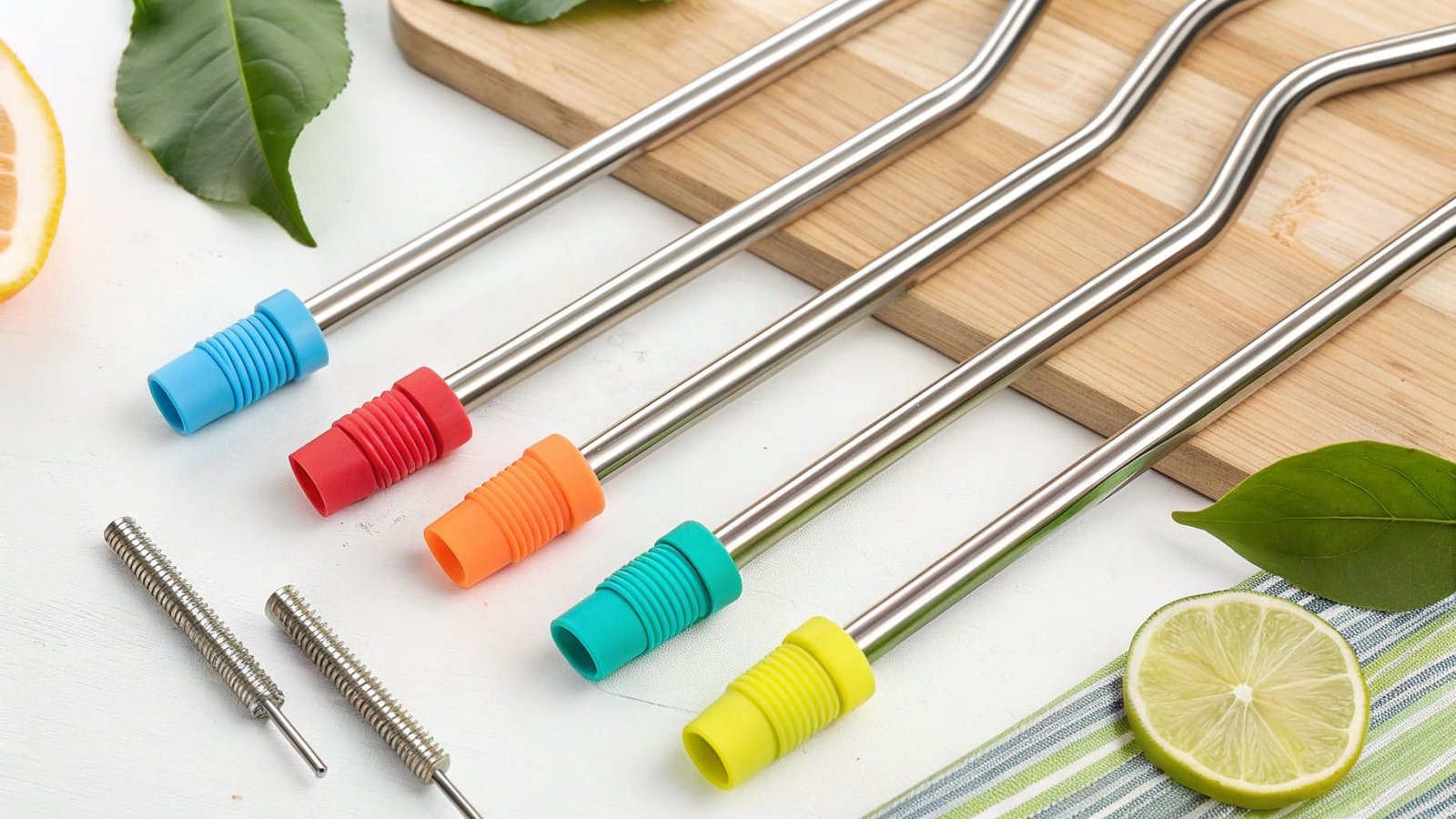
The trapped air inside cannot expand enough to push the liquid down because your finger blocks it. Meanwhile, the atmosphere pushes up through the surrounding liquid with full force. This creates an imbalance.
I see this principle affect product quality every day. The straw rim must be smooth and even. Any small gap or rough edge lets air sneak in, breaking the seal. The liquid drops immediately when this happens.
My customers often ask why some of their straws work better for this trick than others. The answer lies in manufacturing precision2. A straw with an uneven top edge will not seal properly against skin. The air finds the smallest gap and rushes in.
Material flexibility plays a role too. Silicone straws need enough rigidity to maintain their shape but enough flexibility to create a good seal against different finger sizes and shapes. I test this balance constantly in my factory.
Wall thickness matters more than most buyers realize. Thin walls might collapse under the pressure difference, while thick walls might not conform well to create an airtight seal. I found that a wall thickness between 1.5mm and 2mm works best for most applications.
| Factor | Poor Performance | Optimal Performance |
|---|---|---|
| Rim smoothness | Rough, uneven edges | Polished, uniform edge |
| Wall thickness | Below 1mm or above 3mm | 1.5mm to 2mm |
| Material flexibility | Too rigid or too soft | Balanced firmness |
| Inner diameter consistency | Varies by more than 0.5mm | Consistent within 0.2mm |
Why do some liquids stay on the top?
Different liquids have different surface tensions and viscosities. These properties change how well the liquid clings to the straw walls and how easily air bubbles can form at the bottom.
Water has low viscosity and surface tension, so it works perfectly for this demonstration. Thick liquids like smoothies or milkshakes behave differently because their molecules stick together more strongly and create additional resistance to flow.
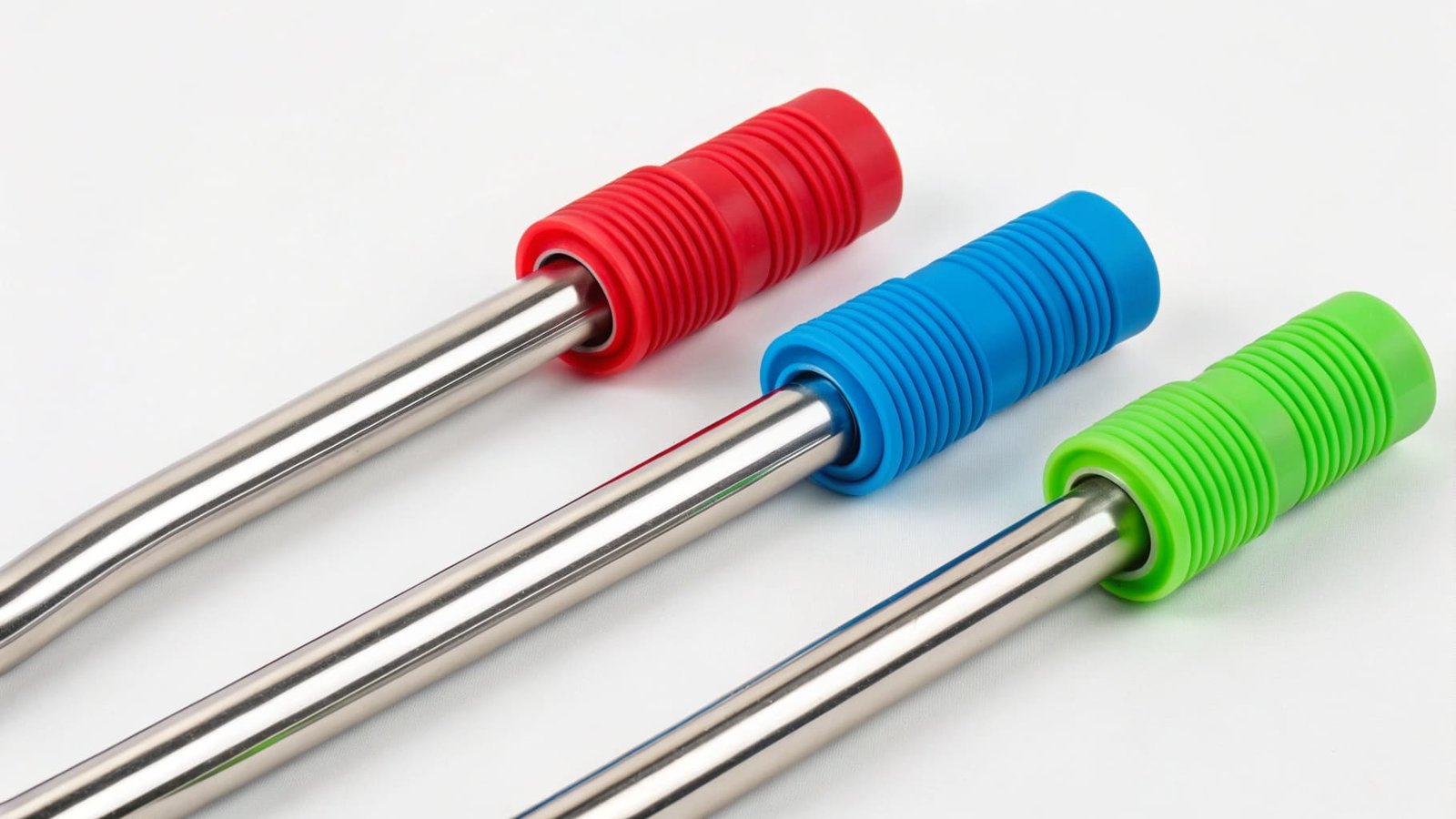
Surface tension creates a thin film at the liquid-air boundary inside the straw. This film adds extra resistance against the liquid falling out. Think of it as a microscopic skin that helps hold everything in place.
I learned this the hard way when a customer complained that my straws did not work well with their protein shakes. The thick liquid created too much friction against the straw walls. The atmospheric pressure could not overcome both the reduced internal pressure and the friction.
Viscosity affects how quickly the liquid can respond to pressure changes. Thin liquids like juice move instantly when you release your finger. Thick liquids might hesitate or drip slowly because their molecules resist flowing.
Temperature matters too. Hot liquids have lower viscosity than cold ones. A cold smoothie behaves very differently from the same smoothie at room temperature. This affects how well the straw trick works.
The liquid height also plays a role. A full straw of liquid weighs more than a straw with just a little liquid at the bottom. The atmospheric pressure must support more weight when the straw is fuller. There is a limit to how much liquid can stay suspended this way.
I conducted tests with different beverages in my lab. Water stayed in straws up to 10 meters long in theory, though I only tested up to 2 meters for practical reasons. Thicker liquids started failing at much shorter heights.
The straw inner diameter affects this too. Wider straws hold more liquid volume, which means more weight for the atmospheric pressure to support. Narrow straws work better for thicker liquids because they hold less total weight.
My production team now considers the intended beverage type when manufacturing straws for specific clients. Bubble tea straws need different specifications than water bottle straws, even though the basic principle stays the same.
How does the straw trick work?
The trick relies on creating and maintaining a pressure differential between the inside and outside of the straw. Your finger acts as a one-way valve that blocks air from entering but initially let air out when you first placed it.
Atmospheric pressure at sea level equals about 101,325 pascals or 14.7 pounds per square inch. This pressure pushes equally in all directions, including up through the liquid at the bottom of your straw.
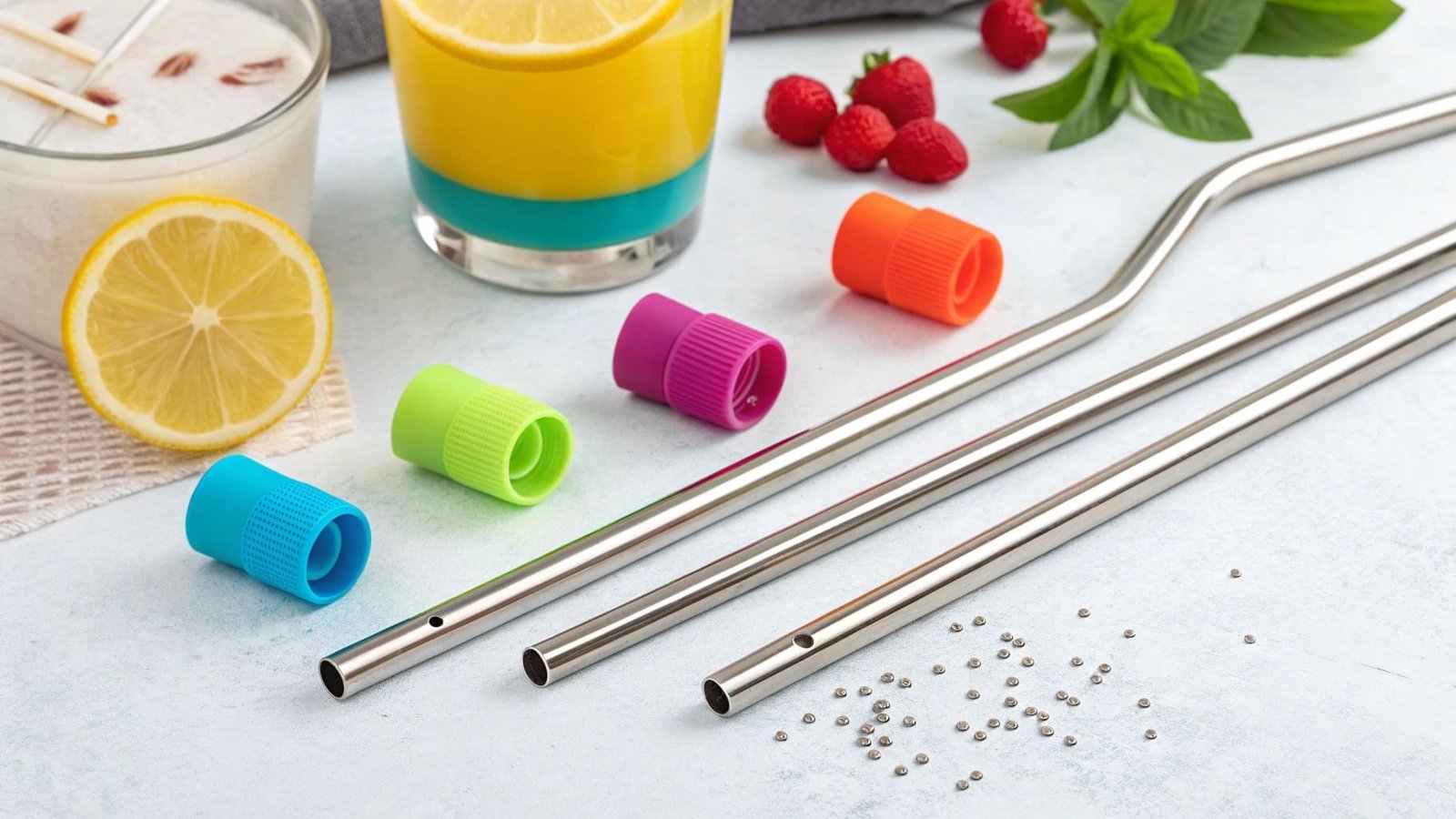
When you seal the top, you trap whatever air was already inside the straw. This trapped air cannot increase in pressure to match the atmospheric pressure pushing up from below. The pressure inside actually drops slightly as you lift the straw because the liquid volume increases and the air volume decreases.
The math behind this fascinates me every time. The pressure difference needs to support the weight of the liquid column inside the straw. For a 20cm straw filled with water, the liquid weighs very little, so even a small pressure difference works.
I use this principle to test straw quality in my factory. We fill straws with water, seal the top, and check if they hold the liquid for at least 10 seconds. Straws that fail this test have manufacturing defects somewhere.
The seal quality3 determines everything. Even a microscopic gap lets air molecules rush in. Air molecules are tiny and move fast. Once they start entering, the pressure equalizes quickly and the liquid falls.
Different materials create different seal qualities. Silicone naturally creates better seals than plastic because it is more flexible and conforms better to irregular surfaces like fingerprints. This gives silicone straws an advantage for this application.
I train my sales team to demonstrate this trick when meeting with potential buyers. It shows product quality in a simple, memorable way. Buyers remember the straw that held water upside down better than the one that dripped immediately.
Quality control in manufacturing means consistent results. Every straw from my factory should perform the trick identically. This requires precise control over material mixing, molding temperatures, and rim finishing processes.
| Manufacturing Stage | Quality Check | Impact on Pressure Seal |
|---|---|---|
| Material mixing | Shore hardness testing | Affects flexibility |
| Molding | Temperature monitoring | Controls rim smoothness |
| Rim finishing | Visual and tactile inspection | Ensures airtight seal |
| Final inspection | Water retention test | Confirms overall quality |
The cooling process after molding affects rim quality significantly. Rapid cooling can create tiny warps or irregularities. I use controlled cooling to maintain perfect rim geometry.
Conclusion
Understanding atmospheric pressure and seal mechanics helps me manufacture better silicone straws that perform reliably across different applications and meet my B2B customers' quality expectations.
-
Discover the advantages of silicone straws, including their flexibility and seal quality, which make them superior to plastic. ↩
-
Understand the significance of precision in manufacturing straws, ensuring quality and performance in your products. ↩
-
Discover how seal quality impacts straw performance, ensuring liquid retention and customer satisfaction. ↩