How to Choose 3D Tumbler Sleeves for OEM Customization Projects?
Picking the wrong sleeve supplier wastes your budget and delays your launch. One bad batch can hurt your brand before it even starts. Here is what you need to know.
3D tumbler sleeves for OEM projects require you to check three things: design sealing quality, material durability, and the supplier's ability to produce consistent results at scale. Getting all three right protects your brand and keeps your customers happy.
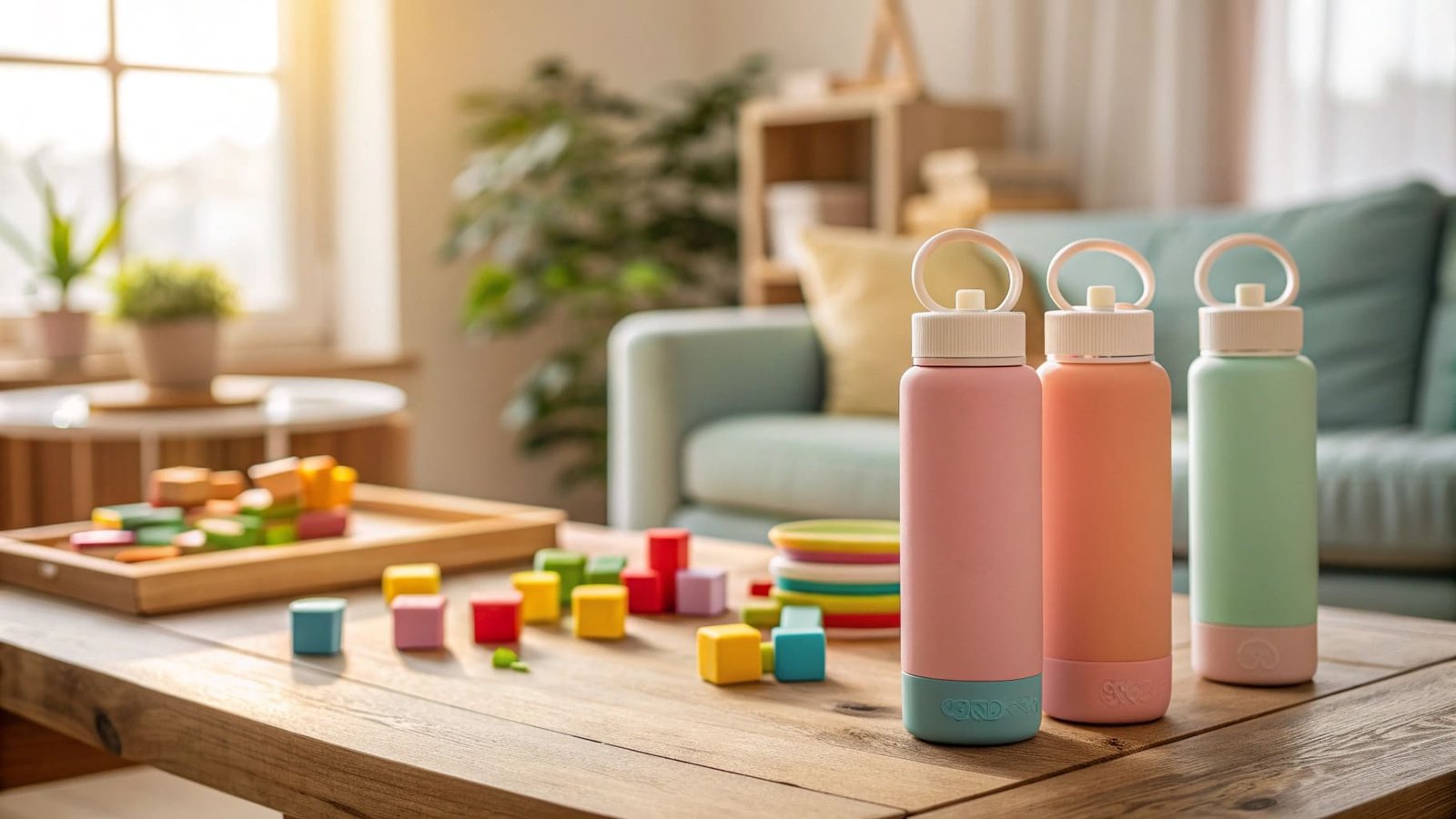
I have worked with many buyers who came to me after a bad experience with another supplier. The sleeve peeled after three washes. The color faded in two weeks. Their customers complained, and the brand took the hit. This does not have to happen to you. In the sections below, I will walk you through every key decision point so you can avoid these problems and place your OEM order with confidence.
How to Seal a Design on a Tumbler?
Most buyers focus on price and skip the quality check. That is where things go wrong. A design that looks great in the photo can fall apart after the first wash.
Sealing a design on a tumbler means using heat transfer or sublimation to bond the print permanently to the sleeve surface1. A properly sealed design resists fading, peeling, and water damage. It survives daily use, dishwasher cycles, and UV exposure without breaking down.2
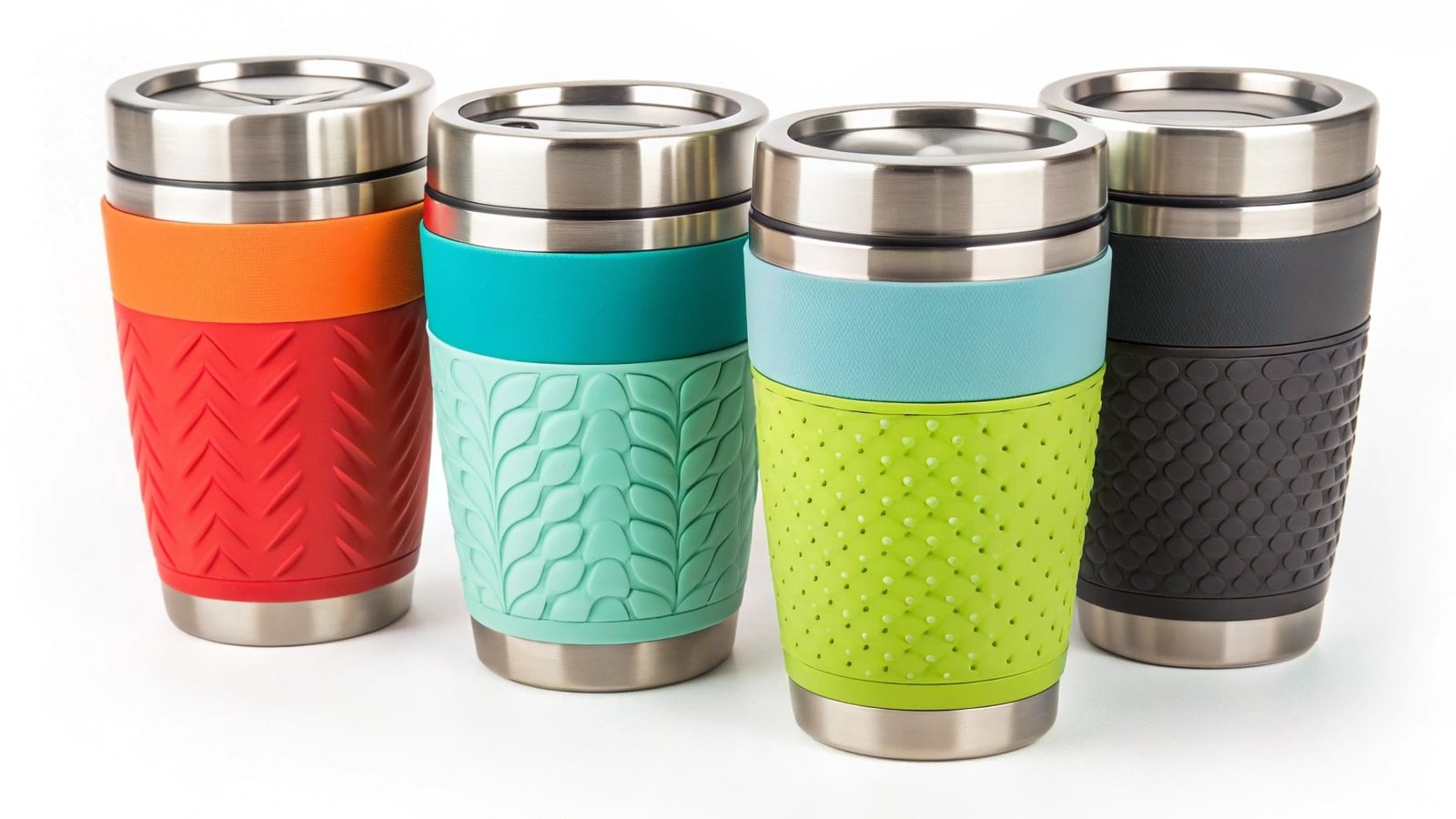
Design sealing is not a single step. It is a process, and each part of the process affects the final result. When I evaluate a new supplier, I always ask for samples before I agree to anything. Then I test those samples hard.
Here is how I break down the design sealing process and what to look for at each stage:
What sealing methods are commonly used?
| Method | How It Works | Best For | Weakness |
|---|---|---|---|
| Heat Transfer | Applies a pre-printed film using heat and pressure | Complex graphics, multi-color designs | Can peel if temperature control is off |
| Sublimation | Dye is converted to gas and bonds into the material | Vibrant colors, high durability | Requires compatible material |
| Screen Printing | Ink is pushed through a mesh stencil onto the surface | Simple logos, solid colors | Limited color range per pass |
What tests should you run on samples?
Before placing a bulk order, run your samples through these conditions:
- Dishwasher test — Run the sleeve through at least 30 dishwasher cycles. Check for peeling, fading, or bubbling.
- UV exposure test — Leave the sleeve in direct sunlight for 72 hours. Compare the color before and after.
- Scratch resistance test — Rub the design surface with a rough cloth. A quality seal does not scratch off.
- Stretch test — Pull the sleeve gently in all directions. The design should not crack or separate from the base.
These tests take a few days, but they save you from a much bigger problem later. A supplier who refuses to provide samples for testing is a supplier you should walk away from.
Design sealing also depends on the sleeve material. Silicone sleeves hold sealed designs better than low-grade rubber alternatives because silicone has a more stable surface.3 When the surface does not flex or change with temperature, the bond between the design and the sleeve stays strong. Always confirm the base material before you approve a design for production.
What Does a Cup of Coffee Symbolize?
You might wonder why a product blog is asking about coffee. The answer matters more than you think. What people feel about their coffee cup directly drives how much they are willing to pay for a customized sleeve.
A coffee cup represents more than a drink. For most people, it represents their daily routine, their values, and their identity. This emotional meaning is the reason consumers pay a premium for personalized tumblers.
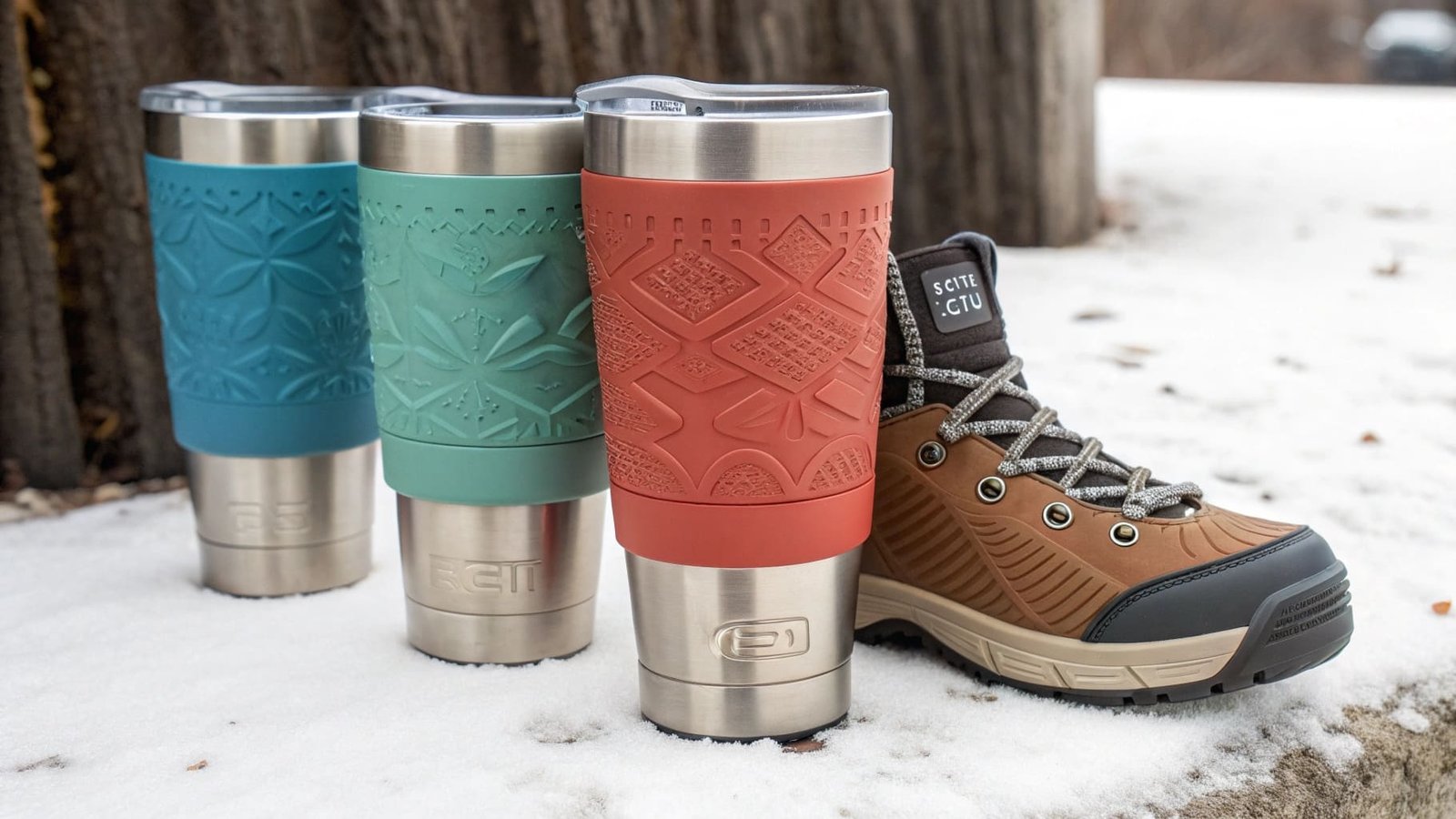
When I talk to brand owners and procurement officers, the ones who understand this sell more. They do not just put a logo on a sleeve. They design a product that fits into a person's daily story. That shift in thinking changes everything about how you approach your OEM customization brief.
Why does emotional value matter in OEM design?
The tumbler market is crowded. Hundreds of suppliers offer similar products at similar prices. The brands that stand out are the ones that connect with their customers on a personal level. A sleeve design that tells a story does that job.
Here is how different design approaches match different customer emotions:
| Customer Value | Design Approach | Example Element |
|---|---|---|
| Sustainability | Earthy tones, recycling symbols, minimal text | Green texture with leaf emboss |
| Personal identity | Name, quote, or custom illustration | 3D raised monogram on sleeve |
| Daily ritual | Morning scene, warm color palette | Coffee steam pattern in 3D relief |
| Corporate gifting | Clean logo, professional colors | Embossed company name with brand color |
How does this affect your OEM brief?
When you submit your customization brief to a supplier, do not just send a logo file and a Pantone code. Think about the story your customer is living when they hold that cup. Ask yourself:
- What does my customer believe in?
- What does this product say about them?
- Does the design feel personal or generic?
A 3D sleeve with a textured surface already adds a tactile, physical dimension to the product.4 That texture gives the designer a tool to create something that feels intentional and premium. Use it. A flat logo on a flat surface is a missed opportunity when 3D customization is available.
I have seen corporate gifting clients increase their reorder rate simply by switching from a printed logo to an embossed 3D design on a silicone sleeve. The product felt more considered. Recipients kept it longer. The brand stayed visible longer. That is the power of understanding what the cup means to the person holding it.
What Is the Trend in the Tumbler Market?
The tumbler market is moving fast. What sold well two years ago is already losing ground. If your OEM order is based on old market data, you are already behind.
The biggest shift in the tumbler market right now is toward eco-friendly materials combined with personalized, tactile designs. Consumers want products that feel good, look unique, and do not damage the planet. That combination is driving demand for silicone sleeves with 3D textures.
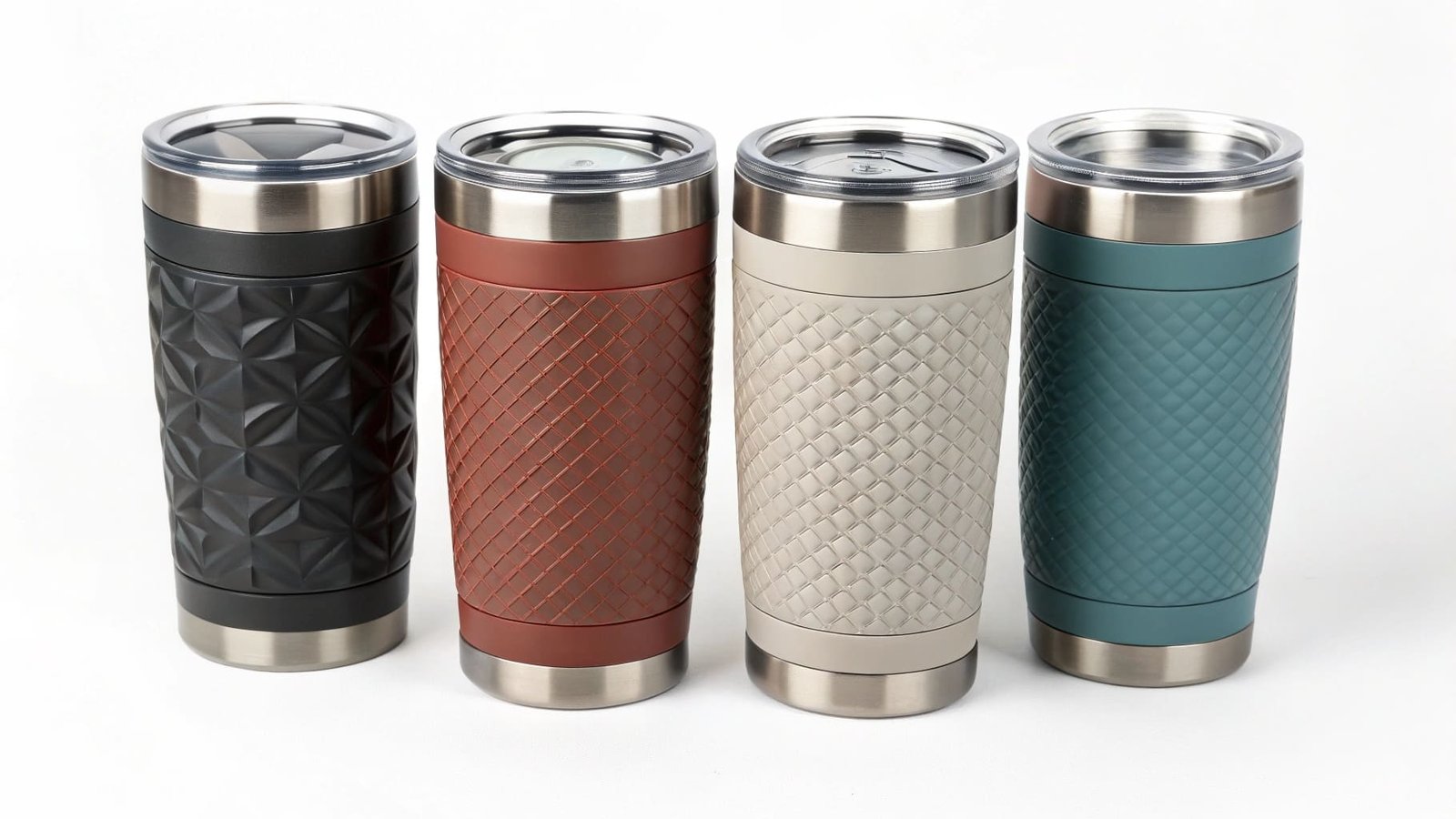
I track this market because my business depends on it. The brands that are growing are the ones that respond to these shifts quickly. The ones that are struggling are the ones still ordering plain rubber sleeves with flat prints.
What specific trends are shaping buyer decisions?
| Trend | What It Means for OEM Buyers | Action to Take |
|---|---|---|
| Eco-conscious materials | Customers prefer recyclable silicone over plastic | Specify food-grade, recyclable silicone in your order |
| Textured 3D elements | Grip and visual appeal are now expected together | Request 3D emboss options in your design brief |
| Personalization at scale | Buyers want small batch flexibility with bulk pricing | Work with suppliers who offer rapid prototyping |
| Corporate gifting growth | B2B gifting budgets are increasing | Develop a gifting-focused product line with sleeve customization |
How do you build a competitive advantage in this market?
Speed and consistency are the two things that separate strong OEM partners from weak ones. The market moves fast. If your supplier takes three months to prototype and another three to produce, you miss the window.
When I evaluate a supplier for a large OEM project, I look at their prototyping speed first. Can they deliver a physical sample within two weeks of receiving a brief? That tells me a lot about their internal process. A supplier with a fast prototyping system usually has tighter production controls, which means fewer defects in the final batch.
Consistency across batches is the second thing I check. Ask your supplier for quality control documentation. Ask to see their batch testing records. A supplier who tracks their defect rate and shares it openly is a supplier who takes quality seriously. One who avoids the question probably has something to hide.
The trend toward eco-friendly silicone also creates a certification requirement. Many retail buyers in North America and Europe now require proof that materials meet food safety standards. If you are importing into Canada or the US, ask your supplier for FDA or LFGB certification on the silicone material. Do not wait until customs holds your shipment to find out the paperwork is missing.
Conclusion
Choose 3D tumbler sleeves by testing designs hard, understanding what your customer values, and working with suppliers who move fast without cutting corners.
-
"Dye-sublimation printing - Wikipedia", https://en.wikipedia.org/wiki/Dye-sublimation_printing. Technical literature on dye-sublimation and heat-transfer printing describes heat-driven dye diffusion or film adhesion to compatible substrates, supporting the article's characterization of these methods as bonding processes rather than simple surface decoration. Evidence role: mechanism; source type: paper. Supports: A technical source should explain that sublimation dyes diffuse into compatible polymer surfaces and that heat-transfer films adhere through heat and pressure.. Scope note: Most general sources discuss textiles, coated drinkware, or polymer substrates rather than silicone tumbler sleeves specifically. ↩
-
"ASTM G154 Testing - Material Exposure to Fluorescent UV Lamp", https://www.micomlab.com/micom-testing/astm-g154/. Standards for coating adhesion, dishwasher resistance, abrasion, and accelerated weathering describe repeat-cycle and exposure tests used to detect peeling, fading, and loss of adhesion in printed or coated surfaces. Evidence role: general_support; source type: institution. Supports: A standards or testing source should show that dishwashing, adhesion, abrasion, and UV exposure tests are recognized ways to evaluate whether printed or coated surfaces peel, fade, or lose adhesion.. Scope note: Such standards support the relevance of these durability tests, not the performance of any particular sleeve unless product-specific test results are provided. ↩
-
"Effect of temperature changes on the dimensional stability of ... - PMC", https://pmc.ncbi.nlm.nih.gov/articles/PMC3959131/. Materials science reviews describe silicone elastomers as having strong thermal and oxidative stability relative to many organic rubbers, providing a plausible basis for expecting more stable surfaces under temperature and weathering stress. Evidence role: mechanism; source type: paper. Supports: A materials science source should document silicone rubber's resistance to heat, oxidation, UV exposure, or dimensional change compared with some organic rubbers.. Scope note: This supports the material-stability rationale, but it does not directly prove superior print adhesion for every silicone sleeve or every rubber alternative. ↩
-
"Hand-Feel Touch Cues and Their Influences on Consumer ... - PMC", https://pmc.ncbi.nlm.nih.gov/articles/PMC6678767/. Research on haptic perception in product evaluation shows that surface texture and tactile cues can shape perceived quality, ownership feelings, and user experience, supporting the claim that a 3D textured sleeve adds a physical design dimension. Evidence role: mechanism; source type: paper. Supports: A haptics or consumer-behavior paper should show that surface texture and tactile cues influence product perception, quality judgments, or user experience.. Scope note: This supports the role of tactile cues generally, not the commercial performance of any specific tumbler sleeve design. ↩