Where to Buy Drink Handlers Tumbler Carrying Sleeves for Bulk Orders?
You need bulk tumbler sleeves. You search online. You find hundreds of suppliers but no clear answers. That frustration is real, and I have been there.
Silicone drink handler tumbler carrying sleeves are best sourced directly from verified B2B manufacturers in China. Look for suppliers who offer FDA or LFGB food-contact certifications, low minimum order quantities for sampling, and full customization support. This gives you quality control and brand flexibility from the start.
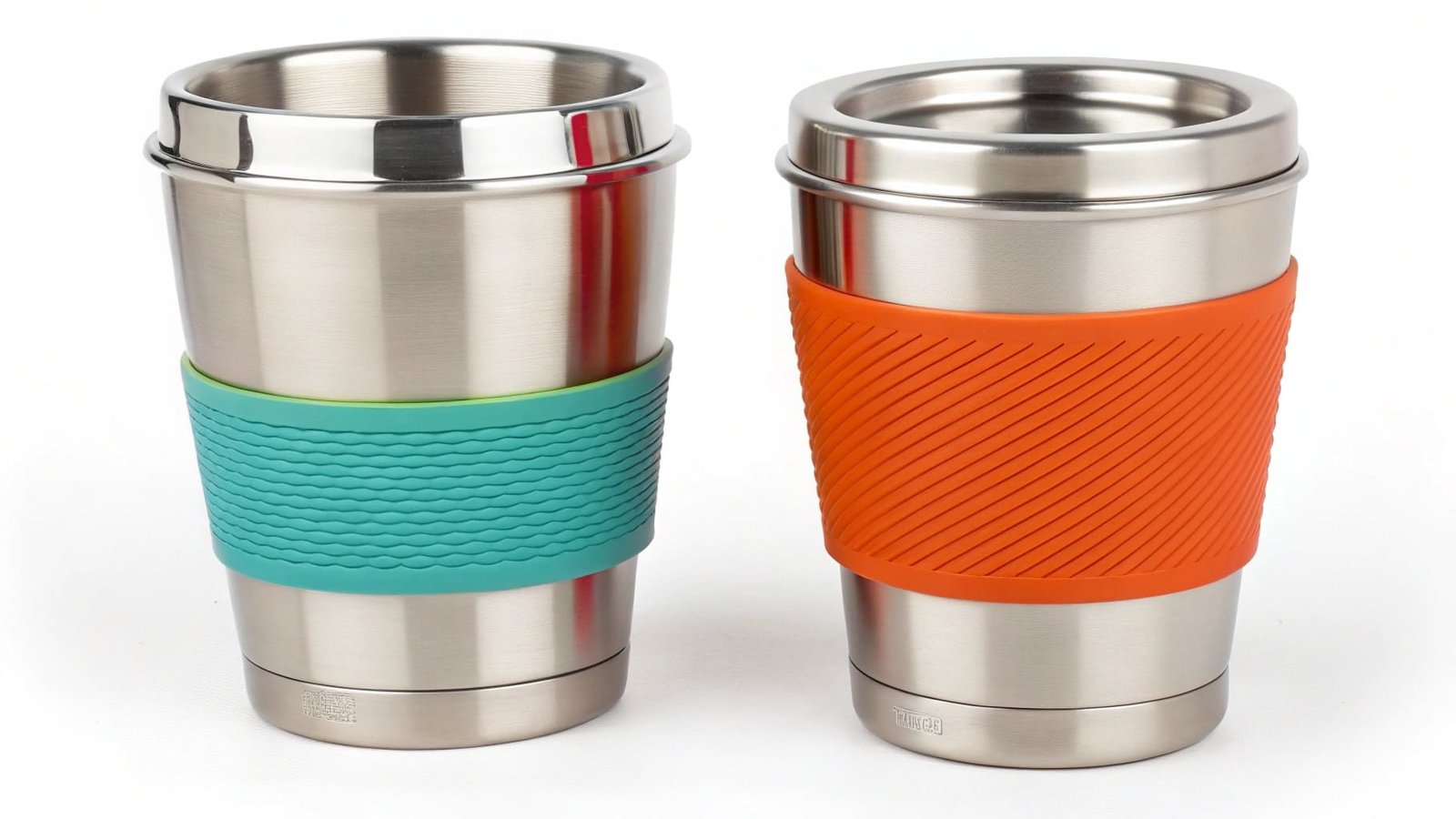
Sourcing bulk silicone tumbler sleeves is not just about finding the cheapest price. It is about finding a supplier who ships on time, gives you real certifications, and actually communicates with you. I have worked with buyers who got burned by certificate fraud and missed peak seasons because of delayed shipments. Those problems are avoidable. The rest of this article will walk you through exactly what to look for.
What Is the Best Insulated Tumbler for Cold Drinks?
You fill your tumbler with ice water. Two hours later, it is warm. That means your tumbler is failing at its only job.
The best insulated tumblers for cold drinks use double-wall vacuum insulation. This design removes air between two walls of stainless steel, which stops heat from transferring in or out. A quality tumbler keeps cold drinks cold for 12 to 24 hours without any help from ice.
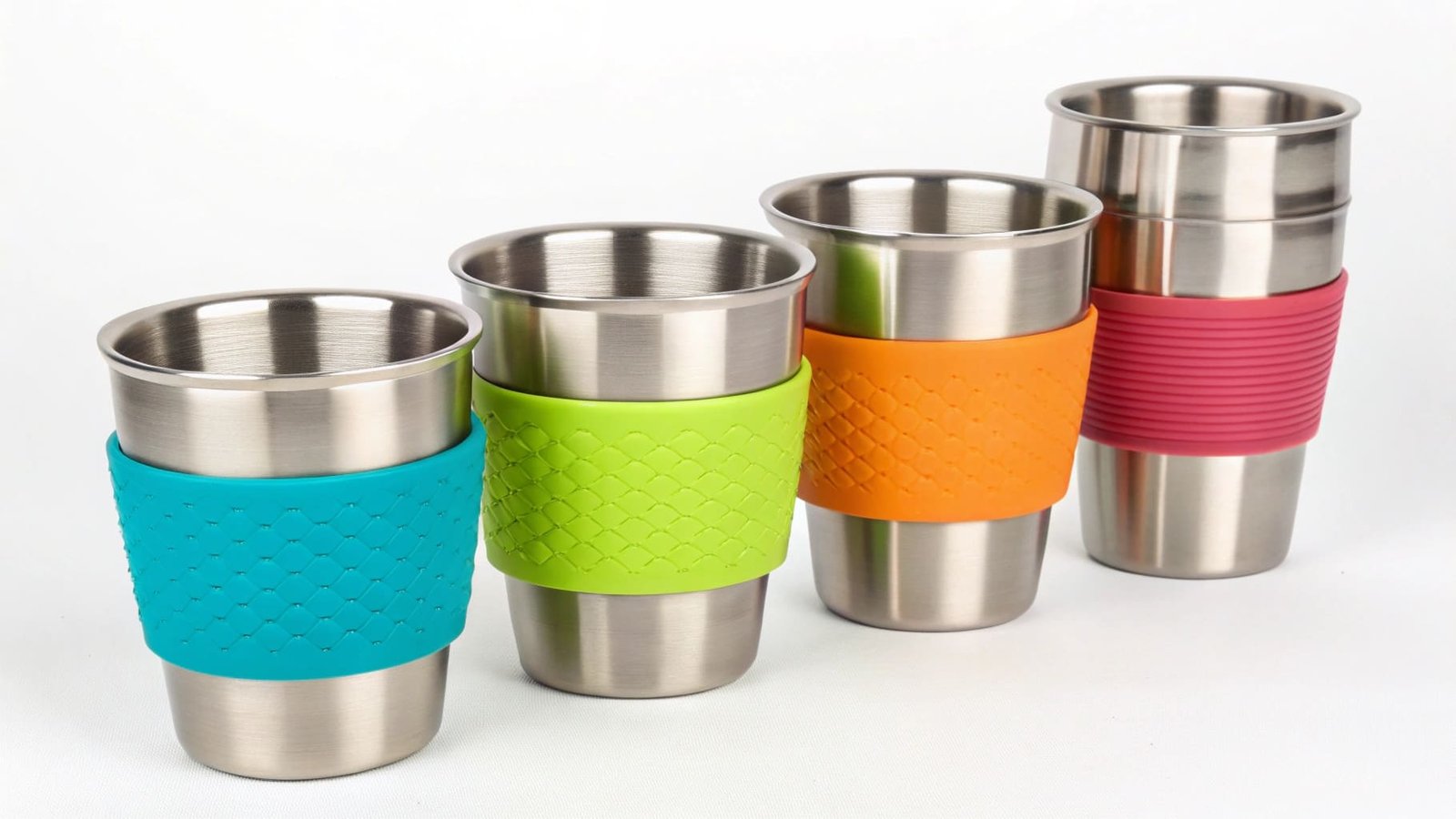
But insulation alone is not everything. The outer surface of a tumbler matters too. A bare stainless steel exterior gets slippery when it sweats. This is where silicone carrying sleeves make a real difference.
How Does a Silicone Sleeve Improve a Cold Drink Tumbler?
A silicone sleeve wraps around the outside of the tumbler body. It adds grip, reduces condensation on the outer surface, and gives the user a more comfortable hold. For bulk buyers, offering a tumbler paired with a silicone sleeve means you are selling a more complete product.
Here is a quick breakdown of how silicone sleeves compare to other sleeve materials:
| Material | Grip Level | Heat Resistance | Washable | Customizable |
|---|---|---|---|---|
| Silicone | High | Yes (up to 230°C) | Dishwasher safe | Yes |
| Neoprene | Medium | Limited | Hand wash only | Yes |
| Rubber | Medium | Low | Hand wash only | Limited |
| Plastic | Low | No | Yes | Limited |
Silicone wins on almost every point for practical, everyday use. It is soft, durable, and food-safe. When I source tumbler sleeves for our wholesale clients, silicone is always the first recommendation. It performs well and it looks good with custom branding.
For cold drink performance specifically, a silicone sleeve adds a small but useful layer of insulation1 on the outside. This helps prevent the outer surface from heating up quickly when held in warm hands. The result is a drink that stays cold slightly longer and a user who stays comfortable holding the tumbler.
When buying in bulk, make sure the sleeve fits snugly. A loose sleeve defeats the purpose. Ask your supplier for exact inner diameter measurements and match them to your tumbler dimensions before placing a large order.
Does a Tumbler Have a Lid?
You hand your customer a tumbler without a lid. They spill it in the car. They return it. You lose the sale and the trust.
Most quality tumblers do come with a lid. The lid type varies by product design, but a good tumbler lid should seal tightly and resist spills during normal use.
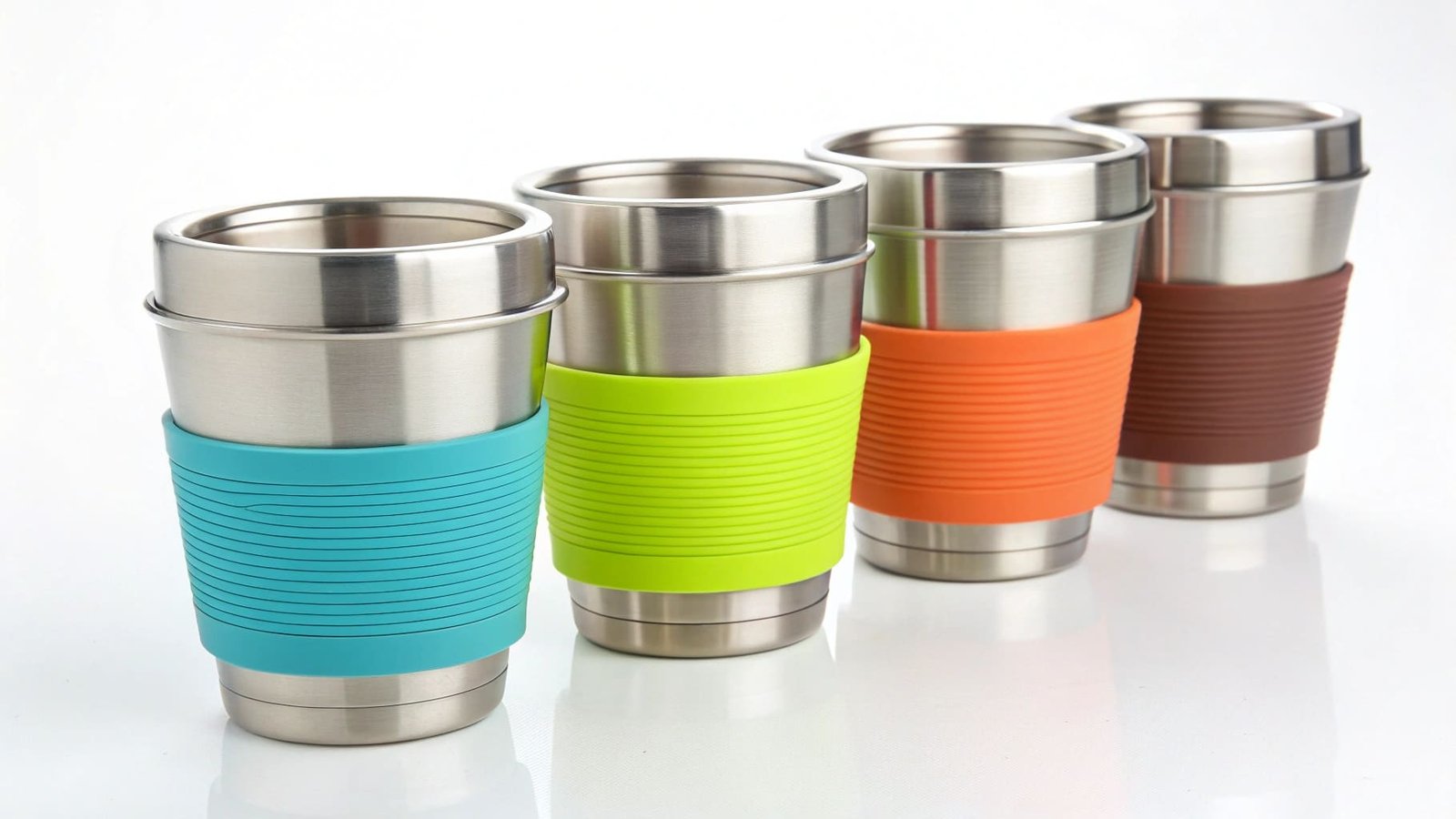
Lid quality is one of the most overlooked parts of a tumbler purchase. Many buyers focus on the cup itself and treat the lid as secondary. This is a mistake. A bad lid is the most common reason end users complain about their tumbler.
What Types of Tumbler Lids Are Most Common?
There are a few main lid types on the market today. Each works better in different situations.
| Lid Type | Spill Resistance | Ease of Drinking | Best For |
|---|---|---|---|
| Sliding closure | High | Medium | Commuters, car use |
| Screw-on cap | Very high | Low (need to remove) | Outdoor, travel |
| Straw lid | Medium | High | Casual daily use |
| Press-fit flat lid | Low | High | Cold drinks, short trips |
For bulk orders targeting commuter or office markets, sliding closure lids are the most popular. They are easy to use one-handed and hold up well in bags and cup holders.
One thing to watch carefully: lid gaskets. The rubber or silicone ring inside the lid is what creates the seal.2 Low-quality gaskets crack, shrink, or deform over time.3 When this happens, the lid leaks. I always recommend asking suppliers for the gasket material spec. Food-grade silicone gaskets last longer and handle repeated washing without breaking down.
If you are sourcing tumblers and sleeves together, make sure the lid gasket and the sleeve come from materials that meet the same food-contact safety standards. FDA and LFGB certifications cover this. Ask for the actual test reports, not just a certificate image. Certificate fraud is a known problem in this space4, and real buyers verify before they commit.
What's a Good Tumbler?
You have seen cheap tumblers fall apart after three weeks. You have also paid too much for a brand name that is not worth the markup. Finding the right balance is harder than it looks.
A good tumbler does four things well: it keeps drinks at the right temperature, it is made from safe materials, it is easy to hold and use, and it lasts through daily use without breaking down.
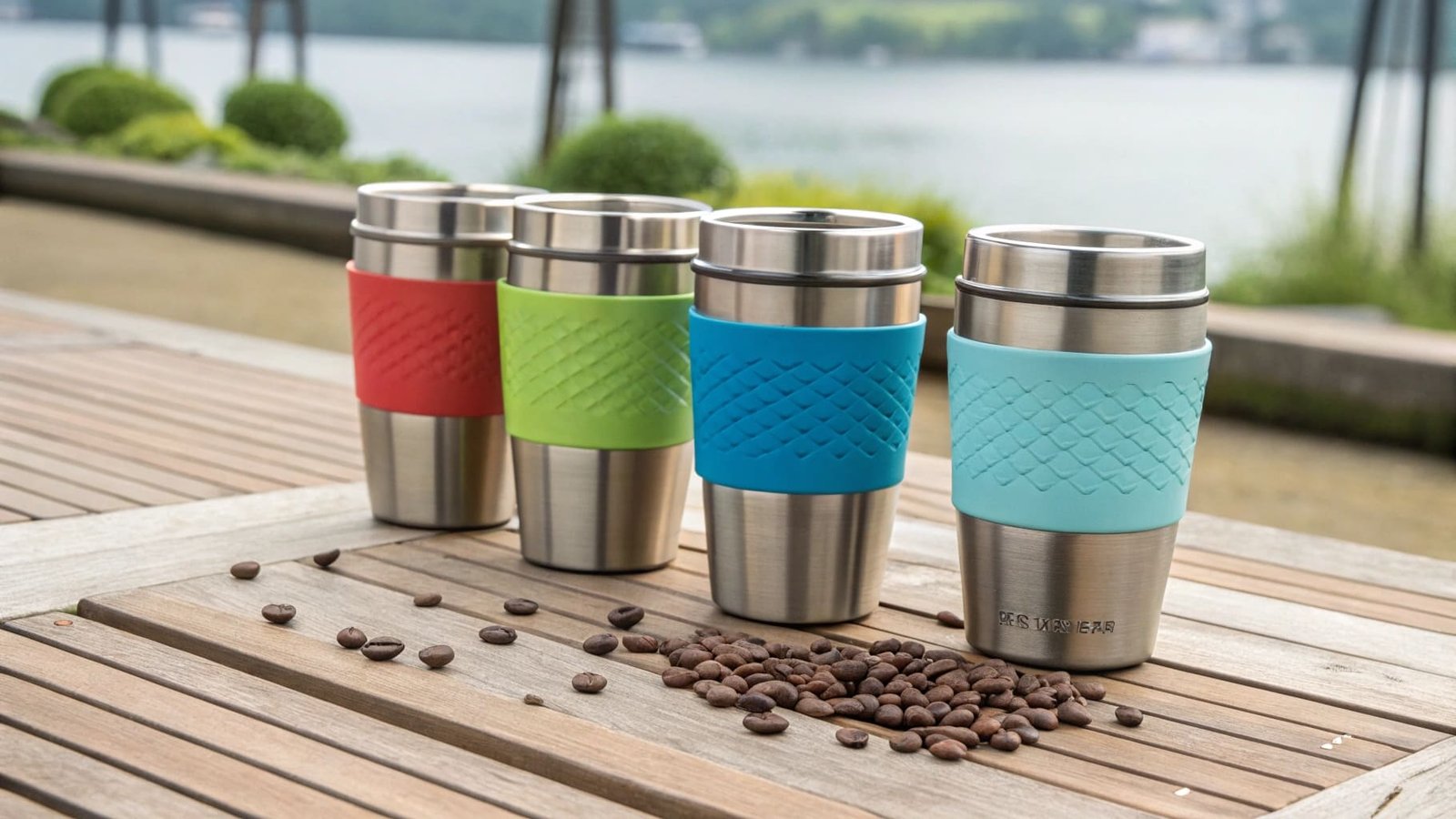
For B2B buyers, a good tumbler also needs to be rebrandable, scalable in production, and backed by real certifications. A tumbler that your end customer loves but fails a safety audit is not a good tumbler for your business.
How Do You Evaluate a Tumbler Before Placing a Bulk Order?
This is the part most buyers skip, and it is the part that causes the most problems. Evaluating a tumbler properly before bulk ordering saves time, money, and headaches.
Here is a structured way to evaluate a tumbler supplier:
| Evaluation Area | What to Check | Why It Matters |
|---|---|---|
| Material safety | FDA / LFGB certification | Legal compliance in your target market |
| Insulation performance | Temperature retention test (12h cold / 6h hot) | Product quality and customer satisfaction |
| Lid seal | Leak test at different angles | Reduces returns and complaints |
| Sleeve fit | Inner diameter match to tumbler body | Grip and protection effectiveness |
| Customization | Logo, color, size options | Your branding requirements |
| MOQ | Minimum order quantity | Matches your inventory capacity |
| Lead time | Production + shipping timeline | Avoids missing peak seasons |
| Communication | Response speed, language clarity | Saves time during order and after-sales |
I always recommend requesting a physical sample before committing to any bulk order5. A sample tells you what no product photo ever can. You feel the weight, check the lid seal, test the sleeve fit, and verify the print quality of your logo. This one step prevents most of the problems buyers face later.
Delayed shipments are another major pain point I hear about often. Before placing an order, ask the supplier for a production timeline in writing. Confirm the shipping method and estimated delivery window. If your sales season starts in November, you need your inventory by late October at the latest. Work backward from that date and make sure your supplier can meet it.
Conclusion
Buy bulk tumbler sleeves from certified silicone manufacturers. Verify certifications, test samples, and confirm lead times before committing to large orders.
-
"Silicone rubber - Wikipedia", https://en.wikipedia.org/wiki/Silicone_rubber. Materials-property references list silicone rubber as having much lower thermal conductivity than stainless steel, supporting its role as a modest insulating barrier on a metal tumbler surface. Evidence role: mechanism; source type: research. Supports: Silicone rubber has relatively low thermal conductivity compared with metals, so an exterior silicone layer can reduce conductive heat transfer at the contact surface.. Scope note: This supports the mechanism but not the exact magnitude of any cold-retention improvement. ↩
-
"Seals - Visual Encyclopedia of Chemical Engineering Equipment", https://encyclopedia.che.engin.umich.edu/seals/. Engineering references define a gasket as a deformable component that fills the space between mating surfaces to form a seal and reduce leakage. Evidence role: definition; source type: encyclopedia. Supports: A gasket is a deformable sealing element placed between surfaces to prevent leakage.. Scope note: This defines the sealing mechanism generally rather than evaluating a specific tumbler lid. ↩
-
"Analysis of O-Ring Seal Failure under Static Conditions ... - PMC", https://pmc.ncbi.nlm.nih.gov/articles/PMC6723462/. Studies of elastomer seal aging describe degradation modes such as cracking, compression set, shrinkage, and deformation, which can impair sealing performance over time. Evidence role: mechanism; source type: paper. Supports: Elastomer seals can degrade through aging, compression set, thermal exposure, and chemical exposure, leading to cracking, shrinkage, or deformation.. Scope note: The evidence concerns elastomer gaskets generally and may not identify the quality level of a particular tumbler gasket. ↩
-
"Economically Motivated Adulteration (Food Fraud) - FDA", https://www.fda.gov/food/compliance-enforcement-food/economically-motivated-adulteration-food-fraud. Regulatory notices and enforcement materials document cases in which suppliers or importers used false, misleading, or unauthorized certificates to claim product compliance. Evidence role: case_reference; source type: government. Supports: Regulators have documented fraudulent certificates, false compliance claims, or misleading documentation in product and import contexts.. Scope note: Such sources establish that certificate fraud occurs generally; they may not quantify its frequency specifically for silicone tumbler sleeves. ↩
-
"[PDF] SECTION 01 45 00 – QUALITY CONTROL", https://design.missouristate.edu/_Files/Standards/Division1/014500Quality_Control.pdf. Quality-management and procurement guidance describes sampling and inspection as standard methods for assessing whether products conform to specifications before acceptance or scale-up. Evidence role: expert_consensus; source type: institution. Supports: Sampling and inspection are recognized quality-control practices used to evaluate goods before acceptance or large-scale purchasing commitments.. Scope note: This supports the general quality-control practice but does not prove that one sample prevents most problems in every bulk tumbler order. ↩