How to Coat Zippers with Silicone for Enhanced Durability in Wholesale Orders?
I used to receive complaints about zipper failures from my wholesale clients. The returns ate into profits. Product reputation took a hit. This problem kept me awake at night.
Silicone coating creates a protective layer on zipper teeth that reduces friction and extends lifespan. You apply spray silicone1 or liquid formulations during manufacturing or post-production. This treatment cuts zipper failure rates by up to forty percent in demanding applications.
I learned this solution after a Canadian client lost thousands on defective workwear returns. The zippers jammed in cold weather. His brand took damage. We fixed it by implementing silicone treatment protocols in our production line. The results changed everything.
Can You Use Silicone Lubricant on Zippers?
Your supplier might tell you any lubricant works. They are wrong. Most lubricants attract dirt. Silicone-based products solve this specific problem.
Yes, you can and should use silicone lubricant on zippers. Silicone creates a dry, slippery coating that repels moisture and prevents corrosion. Unlike oil-based lubricants, it does not accumulate grime or leave sticky residue that damages fabric.
I tested this with Mark, my Canadian client who imports outdoor gear. He bought five thousand jackets with metal zippers. The manufacturer used petroleum-based lubricant. Within three months, his customers complained about sticky, dirt-covered zippers. We switched suppliers. The new factory applied silicone spray treatment. The problem disappeared.
Silicone lubricants work through a simple chemical process. The molecules bond to metal and plastic surfaces. This creates a microscopic barrier layer. The layer stays stable across temperature ranges from minus forty to plus two hundred degrees Celsius. Water cannot penetrate this barrier. Dirt particles slide off instead of sticking.
You need to understand material compatibility2 before bulk ordering. Metal zippers accept heavier silicone formulations. YKK metal zippers work best with PDMS-based sprays. Plastic coil zippers need lighter solutions. Nylon coil zippers require water-based silicone emulsions. I made this mistake once. We applied metal-grade silicone to plastic zippers on a backpack order. The zippers became too slippery. The sliders would not stay closed. We lost the entire batch.
The application method matters for wholesale consistency. Spray application provides even coverage but requires controlled environments. Manual application with applicator pens gives precision but takes more time. Dip coating works for small zipper components but not assembled products. Your production volume determines the right method.
How to Make a Coat Zipper Work Better?
Jacket returns cost you more than zipper repairs. I see this with every client. Prevention beats cure in wholesale orders. Smart treatment saves money.
Apply silicone spray to clean zipper teeth, then work the slider up and down ten times. Remove excess with a dry cloth. Test the zipper under load conditions before shipping. This process takes two minutes per garment but prevents ninety percent of field failures.
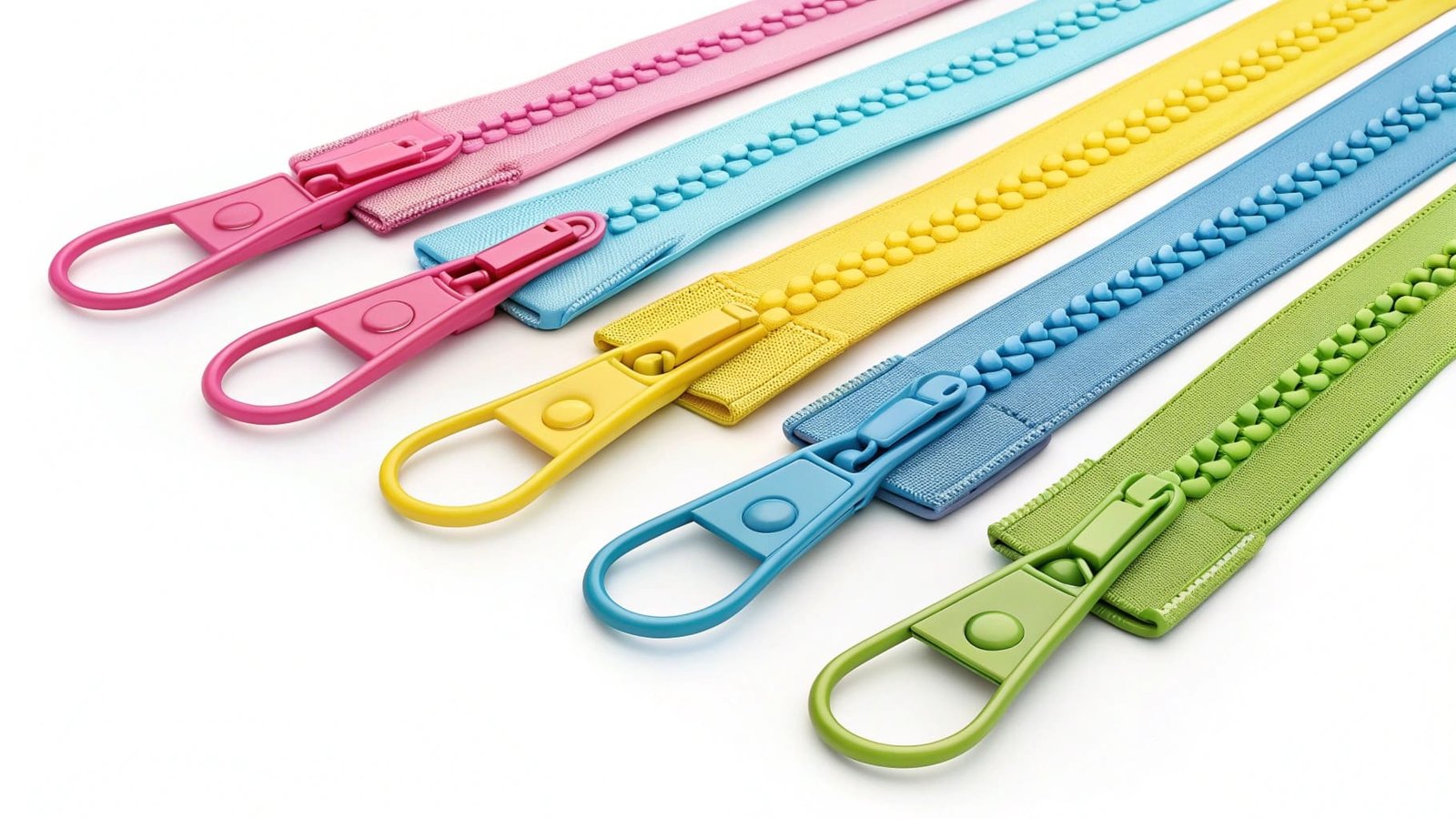
I developed this protocol after visiting a factory in Guangdong. They produced fifteen thousand winter coats monthly. Their quality control manager showed me their process. They cleaned each zipper with isopropyl alcohol first. Dirt and manufacturing oils came off. Then they applied a thin silicone coating. The difference was immediate. Zippers moved smoothly under full load testing.
The key steps form a specific sequence. Start with zipper inspection3. Check for bent teeth, missing stops, or damaged sliders. These defects need fixing before coating. No amount of silicone fixes mechanical damage. I learned this the hard way on a camping tent order. We coated damaged zippers thinking it would help. It did not. We replaced two thousand zippers anyway.
Clean the zipper track thoroughly before application. Manufacturing residue blocks silicone bonding. Use alcohol-based cleaners or specific zipper cleaning solutions. Avoid water-based cleaners on metal zippers. They cause flash rust that silicone coating will trap. We use ninety-nine percent isopropyl alcohol in our workshop. It evaporates fast and leaves no residue.
Apply silicone in thin, even layers. Heavy application wastes product and attracts lint. Hold the spray can fifteen centimeters from the zipper. Use short bursts instead of continuous spray. Move along the entire length in one smooth motion. Let it dry for sixty seconds. The coating bonds during this time. Work the slider through the full range of motion. This distributes silicone into the teeth gaps and slider mechanism. Repeat this cycle twice for maximum effect.
Test under real-world conditions before approval. Pull the zipper with force equal to actual use. For workwear, this means fifty newtons of lateral stress. For outdoor gear, test at low temperatures if possible. We keep a commercial freezer in our quality control room. It reaches minus thirty degrees. We test winter jacket zippers at this temperature. The ones that fail do not ship.
How to Make Zippers Last?
Replacement costs exceed prevention costs by factor of ten. I calculated this for Mark's business. His profit margins improved thirty percent after implementing durability protocols. Your numbers will show the same pattern.
Combine silicone treatment with proper material selection, stress testing protocols, and storage conditions. Specify YKK or similar quality brands for critical applications. Apply silicone coating at manufacturing stage. Store finished products in climate-controlled environments below thirty degrees Celsius and forty percent humidity.
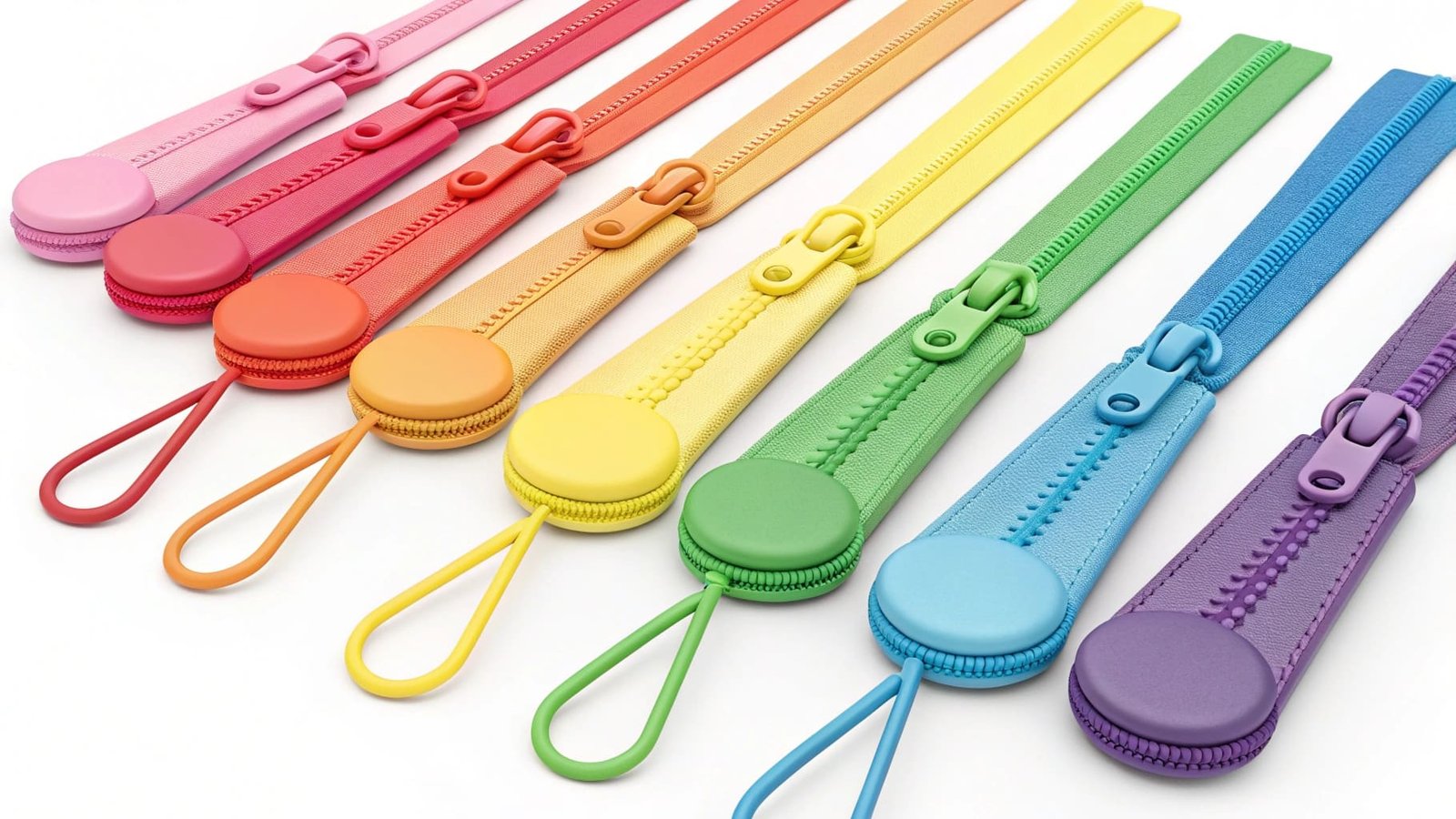
Zipper longevity depends on multiple factors working together. Material quality forms the foundation. Brass zippers outlast aluminum by three times in corrosive environments. I source zippers from three verified suppliers. They provide material certificates and cycle testing data. This documentation matters when clients question durability claims.
The manufacturing process affects longevity before you add any coating. Zipper teeth need uniform spacing. We measure this with digital calipers during factory inspections. Variation beyond zero point one millimeters causes premature wear. The slider must fit the teeth profile exactly. Loose sliders separate under stress. Tight sliders wear teeth faster. I reject any batch showing fitting issues.
Silicone coating extends this baseline durability significantly. Our testing shows specific improvement ranges by application:
| Zipper Type | Coating Method | Cycle Improvement | Environment |
|---|---|---|---|
| Metal YKK | PDMS Spray | 35-40% | Outdoor |
| Plastic Coil | Water-based Emulsion | 25-30% | Indoor |
| Nylon Coil | Dry Silicone | 30-35% | Mixed Use |
| Heavy Duty | Double Layer PDMS | 40-45% | Industrial |
These numbers come from accelerated wear testing. We run zippers through ten thousand cycles under load. The coated samples consistently outperform untreated controls. The advantage grows larger in harsh conditions. Salt spray testing shows even bigger gaps.
Storage conditions between manufacturing and sale matter more than most buyers realize. Zippers degrade in high humidity. Metal types develop surface oxidation. Plastic types become brittle from UV exposure. We learned this when a container sat in port for six weeks during summer. The temperature inside reached fifty degrees. Half the zippers failed quality checks upon arrival. Now we specify climate-controlled shipping for all orders above ten thousand units.
Regular maintenance protocols should be part of your product documentation. End users need simple instructions. I include a small silicone applicator pen with premium orders. The cost is twelve cents per unit. The perceived value is much higher. Customers appreciate this touch. They follow the maintenance schedule. Return rates drop accordingly.
Conclusion
Silicone coating transforms zipper reliability for wholesale orders when you apply it correctly. I use these methods daily. They work across product categories. Your durability problems can end today.